How to Build a Dental Culture People Won’t Quit
Here is the uncomfortable truth most dental owners refuse to say out loud: your team isn’t quitting because of the pay. They’re quitting because of you. The culture you built by accident is the culture they’re escaping — and every departure costs you production, patient trust, and months of momentum you’ll never get back.
A “culture people won’t quit” isn’t a ping-pong table, a pizza Friday, or a motivational poster in the break room. It’s a system. It’s built on purpose, on repeat, by a leader who decided that being loved beats being feared and that being clear beats being nice. Below is how the best independent practices actually do it — the tactical machinery and the human core.
Why do dental teams really quit?
They quit because they feel like labor instead of owners. They quit because nobody ever told them why the work matters — only what to do and how to do it, handed down on a laminated script as if they were too dumb to think. They quit because the leader’s unspoken energy — the stress, the self-pity, the “us versus them” resentment — poisons the room before the first patient is seated.
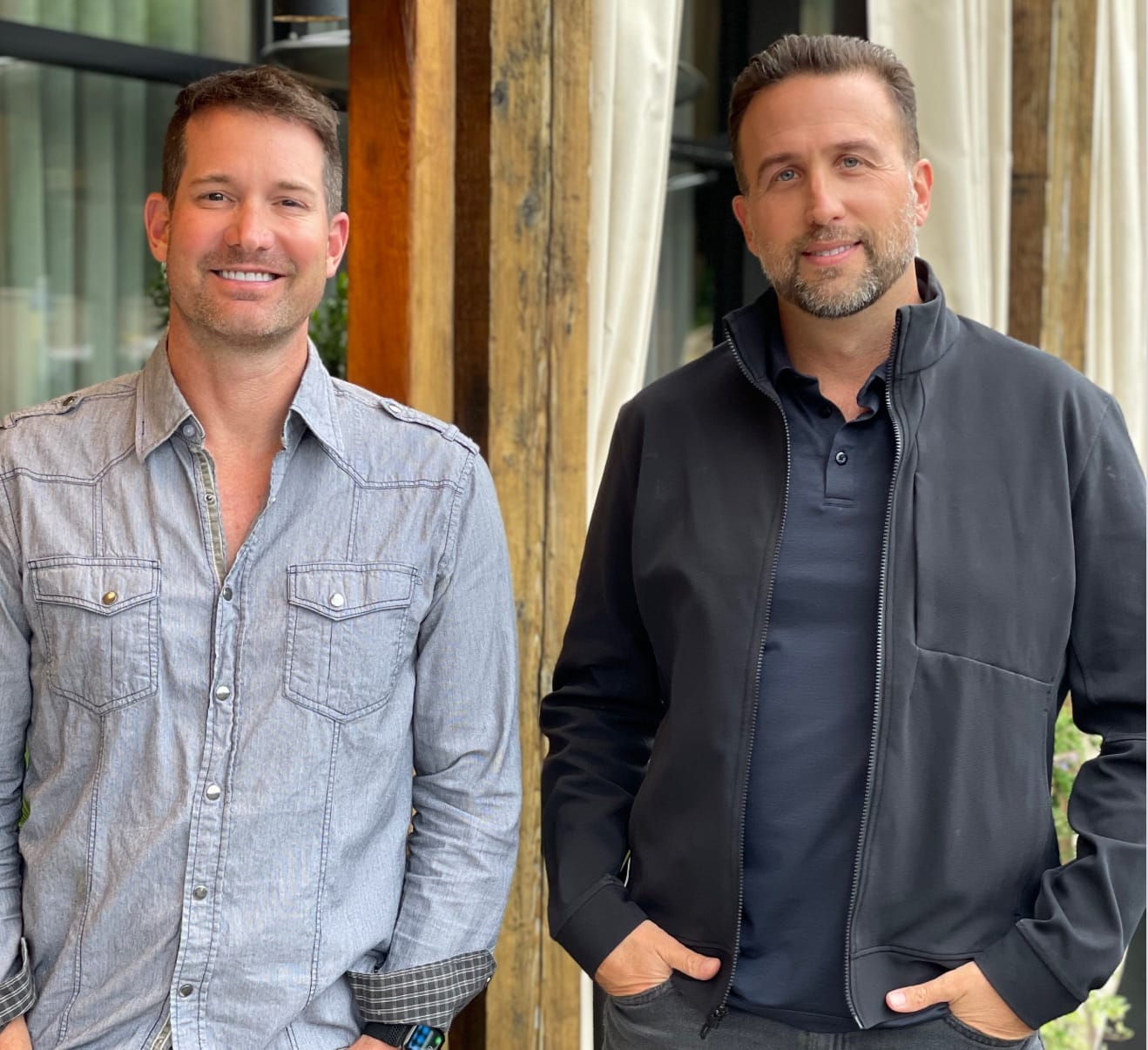
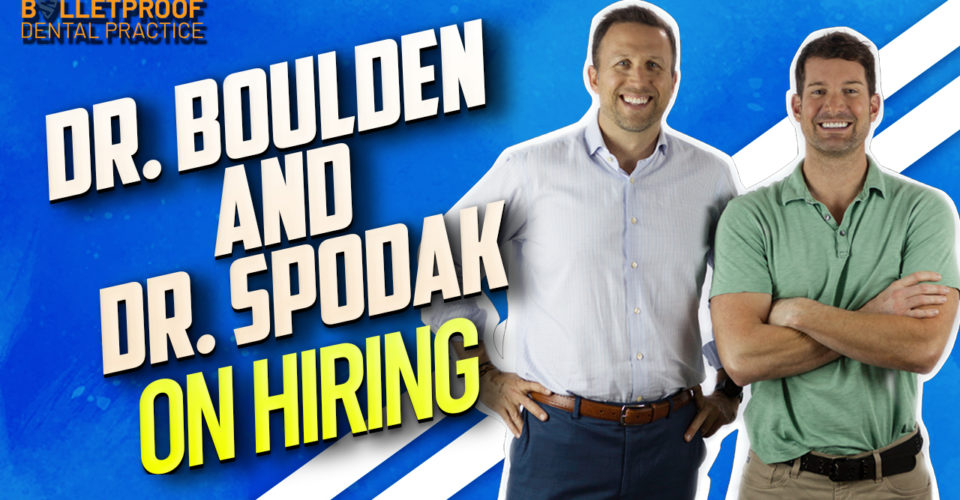
Craig Spodak learned this the hard way. There was a stretch where his numbers were flat while other owners were crushing it, and he couldn’t figure out why. His conclusion was brutal and honest: the culture was going sideways, and it started with him. His fix wasn’t a new bonus software or a consultant. He sat down and hand-wrote a letter to every single person on his team — not “you’re awesome, keep it up,” but specific, earned gratitude. “I love how when someone wanted to quit, you brought her to me and said, you’re not quitting on us.” Then he attached a bonus check to each one — even though, in his words, the practice didn’t have the money to do it.
He called it priming the pump: you have to pour a little water down first to get anything back up. Every month since, that team has bonused. That one act — leading with gratitude before he “deserved” to feel it — turned the whole culture around. That’s the Craig move: the heart comes first, and the numbers follow.
What’s the fastest way to kill an “us vs. them” culture?
Watch the pronouns. The single most corrosive word in a dental office is “they.” They don’t care. They keep dropping the ball. The moment your team splits into “them” and “us,” people start to quietly hate each other — and hate is the opposite of retention.
Craig hammers this relentlessly on the podcast: when someone says “they,” he stops them cold — “Who’s they? Do you have a management company I’m not aware of? That’s us.” The goal is to get every person, top to bottom, saying “us.” One practice on a Bulletproof call described exactly this shift: their culture had cratered, they had the classic 80/20 problem — 20% of the staff causing 80% of the drama. Instead of firing everyone, the owners sat down and had the hard conversations. Within weeks the bottom performers started to flourish, and one team member had the aha moment out loud: “How can you build culture when all of us tear it down?” The language flipped from “they” to “us,” and the practice did a 180.
Are difficult conversations really the secret?
Yes. Pete’s tactical read on this is unsentimental: your success is directly proportional to the number of difficult conversations you’re willing to have. Avoiding the hard talk with your problem 20% doesn’t protect the culture — it tells your best people that mediocrity and drama are tolerated. Nothing burns out an A-player faster than watching a toxic teammate skate.
Run the math like an operator: a single toxic team member doesn’t just cost their own seat. They drag the energy of every person around them, slow the schedule, and push your reliable performers toward the door. The difficult conversation is the cheapest retention tool you own. Have it early, have it direct, and — this is the part most owners miss — have it with a path forward, not just a reprimand. Most of the time the person you were ready to lose becomes your biggest advocate once they know exactly where they stand.
How do you get a team to care as much as you do?
You stop micromanaging the how and start over-teaching the why. When you script every word and dictate every step, you’re telling your team they can’t think — so they don’t. When you say “here’s the result we’re going for; you figure out how we get there,” people turn their brains on. And when people turn their brains on, they treat your practice like it’s theirs.
The proof shows up in small, unscripted moments. On one episode, Craig told the story of a surgical assistant who saw a misleading complaint about pricing posted online, got fired up on the practice’s behalf, called the patient directly, calmly corrected the record — and got it taken down. Nobody told her to. Nobody scripted it. That’s ownership mentality, and it only grows in a culture where the leader trusts people, teaches the why, and gets out of the way.
The tactical scaffolding that builds this:
- Give the team a voice, on a schedule. Run a quarterly SWOT with your team — what’s working, what’s not, what can we do better. Let them set the next quarter’s priorities. People defend what they help build.
- Fix the energy at the door. One practice transformed its morning huddle by getting the chairs out of the room — no one sits, everyone stands with good posture and real energy, because the way you start the day is how patients perceive you. They even added a song-request bucket. Small “2mm shifts” compound.
- Lead with vulnerability. Younger team members — the majority of your future staff — want a leader who’s transparent and human, not a boss performing invincibility. Your conscious leadership is what you say. Your unconscious leadership — your mood, your energy, your resentment — speaks louder than any of it.
What separates a bulletproof culture from a fragile one?
Fragile cultures are built on control. Bulletproof cultures are built on ownership. One requires you to be in the building, whipping people to care. The other runs — and gets better — when you’re not there, because every person on the team has esteem for the work and for each other. That’s not soft. That’s the most durable competitive advantage an independent practice can build, and it’s the thing no DSO can hand you.
This is exactly why we say clinical excellence is the floor, not the goal. The dentists who build teams that don’t quit are the ones who build lives they don’t want to escape — and they don’t do it alone. If this is the practice you’re trying to build, come find your people.
Start here: Listen to the best dental podcast for practice owners, where Pete and Craig break down the tactical and human sides of building a team that stays. Then step into the room where it gets real — join us at the Bulletproof Summit and, when you’re ready to build a culture that runs without you, apply to the Bulletproof Mastermind.
Dentistry is a lonely profession — but it doesn’t have to be. You’re not meant to build this alone. This is the tribe of the 1% of dentists, who want 100% from life.
Blog

























1+1=3 The Power Of Alignment and Delegation For You and Your OM with Erika Pusillo
, October 31, 2024



















, June 15, 2023
, June 8, 2023
, May 31, 2023









Look at These 3 Stats if You’re Thinking of Going Out of Network with Teresa Duncan
, January 11, 2023
, December 28, 2022

Knowing What You Don’t Want with Judy Kay Mausolf of Culture Camp and Erika Pusillo
, November 30, 2022


Cabo This Week, Immersion Learning, Biggest Breakthroughs, Your Personal KPI is Net Worth
, November 2, 2022
, October 19, 2022




Business is not Productivity, Productivity is not Profitability with Chris Salierno
, September 22, 2021















3 Biggest Bottlenecks of an Entrepreneurial Dentist: PART 2 with Perrin DesPortes of TUSK Partners