Overcoming Scheduling Challenges, Micrometrics Utilization, and the Distinction Between DSOs and Private Dentists
Bulletproof Dental Practice Podcast Episode 302
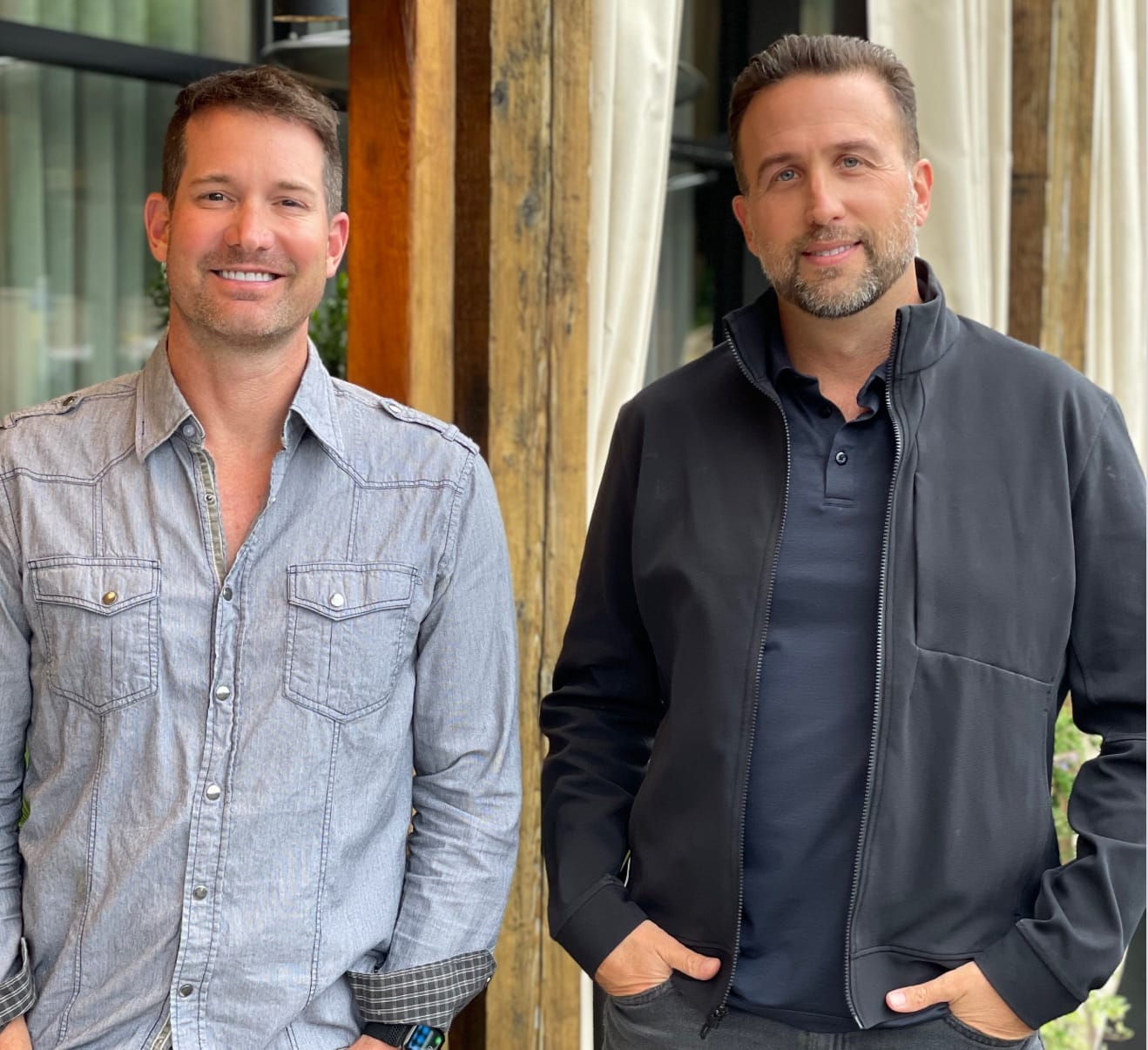
Host: Dr. Peter Boulden & Dr. Craig Spodak
Guest: Amol Nirgudkar
Key Takeaways:
Teaching AI how to understand dentistry
The problem is not marketing, it’s scheduling
Leveraging micrometrics
How DSOs compare to private dentists
The problem with metrics
Authenticity is what we’re selling
References:
Mighty Networks: Bulletproof Dental Practice
Tweetable:
Selling, if you’re moving the patients to better health by all means you can call me a salesperson, because I’m changing somebody’s life. That’s okay! Sometimes the word sales is almost prohibited in healthcare. But we’re not selling, we really are moving the patients forward and their journey to better health. – Amol Nirgudkar
Full Episode Transcript
Below is the complete transcript of this episode of the Bulletproof Dental Practice podcast. Prefer to listen? Find us on Apple Podcasts, Spotify, and YouTube.
Read the full transcript
The following transcription was from the Bulletproof Youtube channel. Here is the https://www.youtube.com/watch?v=RBQUQEd6-Us
Amol Nirgudkar
0:00:00
100%, I mean, I think Daniel Pink in To Sell is Human talks about selling is if you're moving somebody from a worse spot to a better spot, that selling is good selling. You should not feel bad about that. If you're moving the patient to better health, then by all means, call me a salesperson because I'm changing somebody's life. That's okay. That's okay to feel that way. Sometimes the word sales is kind of almost prohibited in healthcare. But we're not selling, we really are moving the patient forward in their journey to better health. And that's why I get wake up in the morning every morning that I know that, I know that 25% of the patients that we send alerts on are coming back. That's the statistic that the DSOs are successful with. They are able to recover 25% of the lost leads in the first attempt on the second attempt.
Peter Boulden
0:00:51
Wow.
Amol Nirgudkar
0:00:52
25%. So it could be anywhere between three to eight new patients a month depending on your volume without having to spend any more money on marketing.
Peter Boulden
0:00:59
Because we have the ground game,
Peter Boulden
0:01:01
we've actually built the practices that people aspire to create. History will prove one of us correct.
Craig Spodak
0:01:06
Wait, wait, wait, wait, wait,
Peter Boulden
0:01:06
you're not letting me finish, bro.
Peter Boulden
0:01:09
This is how you become Bulletproof.
Craig Spodak
0:01:14
Bulletproof.
Peter Boulden
0:01:16
Alright everybody, welcome back to another episode of Bulletproof Dental Practice Pod. Today, I have a friend and someone who I've been using their software and been blown away with it. Amal, you are the founder of Patient Prism. Right? Not co-founder, but founder, right?
Amol Nirgudkar
0:01:31
Well, co-founder, I mean…
Peter Boulden
0:01:33
You have a co-founder?
Craig Spodak
0:01:34
I was making a joke.
Craig Spodak
0:01:35
He's trying to take a dig.
Peter Boulden
0:01:36
I was making a joke. Craig doesn't like it. Peter loves the TV.
Craig Spodak
0:01:38
I flexed that.
Peter Boulden
0:01:39
He flexes that on me. Well, we were at, we did a presentation for AACD recently and Craig put on a slide that he was invited, you know, as his list of credentials, he was invited by AACD. And then on my part of the slide, he said, was invited by Craig to help speak at AACD.
Craig Spodak
0:01:56
Yeah, I actually asked them, can I bring Peter along? That's never going to get old. We've talked about this.
Peter Boulden
0:02:00
It's never going to get old. So I have to flex and be like, well, as a, you know, as a founder, you are the co-founder, not the founder. That is correct.
Amol Nirgudkar
0:02:07
I'm the CEO.
Peter Boulden
0:02:08
They know better together.
Amol Nirgudkar
0:02:09
And I'm the co-founder and had incredible help with an incredible team. So I'm all, I was exposed to your practice, your, your software a while back. And, and honestly, in full disclosure, I looked at it and I was like, okay, cool. But I think, I think we're buttoned up there. And like a lot of things got busy again, and then got reintroduced by our mutual friend, Matt, and kind of looked at the platform. And what was the eye opening thing for me was the fact that that now you have incorporated AI and things like that, right? Because I always thought call monitoring was just ridiculous. People be like, well, you monitoring your calls and doing call monitor thought it was always ridiculous. You mean, so like, so you mean I have to pay someone to listen to the phone call that someone already did and human, you know, humanly audit it, if that's something? I was like, that makes no sense. So, I have to pay two people's salaries for one conversation only to denote what happened on the call. It just seemed highly inefficient to me. So, when I saw kind of your new platform, the new tech that you've involved in your new platform, it was like literally you and I went, you went through it with me and my jaw was on the ground. And I see a lot of stuff in dentistry, quite honestly. And I really wanted to get this implemented into my practice, meaning that I had speculation that marketing was not the issue in a certain downturn that we had had, a little downturn. I was like, I don't think it's marketing because I'm looking at my impressions, I'm looking at the conversions, I'm looking at all these things, and I don't think it's marketing. And I always just assumed my phones and everything, we were answering all the phone calls first ring and we were super buttoned up with our verbiage and all the things but I was like I wanted to get some confirmation and boy was your software eye-opening Craig you've just now gotten getting it implemented in your in your practice as well right so you I know you don't have enough data yeah I have no idea all I know I know enough to be prepared for the podcast I know Amal you're a friend of a friend and you have software that listens to calls and uses AI.
Craig Spodak
0:04:05
Is that about right?
Amol Nirgudkar
0:04:06
That's right, sir. That's it.
Amol Nirgudkar
0:04:08
We can drop the mic.
Peter Boulden
0:04:10
Pod's over. Good job, Craig.
Craig Spodak
0:04:11
Good job.
Craig Spodak
0:04:12
You know, I always say, like, the most important, like, listen, recording the calls and actually deciphering them is two different things. You know, I have a security camera system at my office, but, like, I don't want to go through the last 5,000 hours to try to find something. I mean, the data is useless.
Peter Boulden
0:04:27
Very good metaphor. It's intuitive.
Craig Spodak
0:04:29
Yeah, so what was the emphasis?
Peter Boulden
0:04:30
What was, Imal, what was the emphasis for converting of that? Did you just see an opportunity to convert into more of an AI tech platform or what? It's very interesting.
Amol Nirgudkar
0:04:40
When we got started seven years ago, I was, I'm a CPA by trade. I ran a CPA firm in the healthcare, dental space for 15 years, and I was getting bored of accounting and I thought to myself, what should I do next? What should be my next gig in professional services? And I thought marketing would be good because I was really good at growing businesses and I started a marketing agency at the time called Dentist Profit Systems. I didn't want to deal with accountants, I wanted to talk to dentists because dentists were some of my closest friends. And I'm like, all right, well, these guys will give me a shot and they'll help me attract new patients to their practices. So I went to these dental offices at the time and said, hey, what kind of patients would you like to see? I'm not going to give you any of the jargon. I'm not going to tell you I'm going to do a CEO for you and all this. I'm going to just ask you what type of patients would you like to see more of? And they told me, like, hey, seven starts in this line, I would like to do double, 14 a month. Somebody said, I placed 10 implants last month, I'd like to do 20. And say, all right, well, we're gonna spear fish these patients for you and drive them into your office. During that process, what we realized, as we decided at some point, about a year and a half into the mix, we were doing really well in the beginning, then clients started complaining that, hey, marketing is not working. So we deployed those human beings at our marketing agency level and said, let's listen to these phone calls. And eventually I had a team of 12 people listening to phone calls. Highly inefficient, right? But we did find out that the problem was not marketing. The problem was that calls were not being converted to scheduled appointments for a variety of reasons. Part of it was training, part of it was other things. And we, so in my mind, I asked my co-founder at the time that, hey, this is very inefficient. Could we teach Alexa how to understand dentistry? This was like just when Alexa was launched, right? And he's like, yeah, absolutely we can. And that's what started the journey. We wanted to teach a machine how to do what humans do in an accurate way, but in a very fast way too. So that, you know, what's the point of knowing something a week later or a month later, right? You can't do anything about it. The idea of the use case of AI was, okay, well, we have this technology called natural language processing, which powers all the assistants we have, Siri, Alexa, all of these, right? It was based on, which teach natural language processing teaches machines how to understand human language. So if we deploy that and imagine if that machine could listen to the phone call and then provide feedback to the office that, hey, they missed an opportunity. And if we can do that quickly, and that will allow these offices to basically re-engage with the patient and bring them back in. And it was a novel and radical idea at the time. Now everybody talks about GPT and what can GPT give me. But at the time it was very novel. It's like, wow, we're going to recover an opportunity we just lost. That's where it's patient-prism idea started. It was an internal project that eventually when the USPTO issued us patents, we realized that we were innovative and we created a business out of it. That's awesome. That's awesome.
Craig Spodak
0:07:57
What year was this, by the way?
Amol Nirgudkar
0:07:58
I'm sorry. So I think about 16, when we really got the
Peter Boulden
0:08:07
first beta out. So let me go through like a list of what I think the features would be and I'm sorry if this sounds all wrong but you can use the AI to identify which person speaking I would imagine correct? So you know it's Sally versus Diane and then what language does it like because what would be most important to me is language that doesn't lead to an appointment.
Craig Spodak
0:08:32
Great marketing.
Peter Boulden
0:08:34
And at the end of the day, they fault and fire the marketer because they say, you know, I spent $20,000 with you guys and we got no new patients from it. And unfortunately, marketing is collateral damage because if you do a poor job, either A, answering the phone or B, enrolling your patients, it's still your marketing company's fault. Correct. So you can get an amazing person on the phone and that patient stands in front of you and you blow it and now somehow the marketing company is not working. So what are the things that you learned that you put into the platform so that we don't have to listen to every call?
Craig Spodak
0:09:07
Like, what are the things you look for?
Amol Nirgudkar
0:09:08
Well, there's a couple of things we look for. One of the big areas is how did the agent perform, right? Agent or the receptionist perform. So over the course of what now 12 million phone calls, over the first three years, we developed a set of variables that would determine the probability of a patient booking an appointment. And we went through about 25, 30 different variables. We finally finalized on 14. And those 14 variables are, you know, I'll give you some examples. Did you, were you actively listening? Did you ask the patient about discomfort? Did you mention financing? Did you offer an appointment? Did you offer financing if they didn't have insurance? So we looked at these 14 variables, we tested them across at least two and a half million calls to understand that where in the conversation was the patient stopping so that we can train the team member to tell them that, hey, Mary at the front desk, every time the patient calls with no insurance, about 50% of the time, you don't even give them information about care credits. So that was one part of it is understanding and giving feedback to the agent or the receptionist on those 14 variables that was statistically significant in predicting and booking a patient, right?
Craig Spodak
0:10:28
That was one part.
Amol Nirgudkar
0:10:29
The other part we realized, as you said earlier, that sometimes you blame marketing, sometimes you blame the receptionist, but sometimes you don't have to blame either one of them. Sometimes it's not the fault of marketing. Sometimes it's not even fault of receptionist. Sometimes it's your own operations that's at fault. And what that means is today, if I were to look at the last 12 months, 33% of patients, new patients, were not able to schedule an appointment at a dental office because there was no room in the schedule. So whose fault is that? It's not the marketing fault. It's not Judy's fault who answered the phone. It's your fault because you don't have your schedule optimized or you just don't have enough providers. I mean, whatever that could be. So we also look at every not booked appointment from the standpoint of, yes, the receptionist, what they could have done. But was it an operational issue? Which means, was it capacity? Was it insurance? Was it service not available? Was it quite? And was it still considering?
Peter Boulden
0:11:24
And you have a slide, Amal, that we were kind of looking before I hit record that kind of goes over that, right? You're calling that the blockages of scheduling. And I'll let you kind of, this is a visual pod, so we put this on YouTube. So if you want to throw that slide up, we can record into it. Craig, I think it's a good thing to show, like you said, the data over millions of calls, where does the breakdown, where does the blockage occur in all these things?
Craig Spodak
0:11:50
Also directionally, I want to know, what does patient prism look at? So are you looking at, and I'm sorry for my, not knowing the product better, but does it look just at the call, or does it also plug into the practice management system and have data that goes back and forth?
Craig Spodak
0:12:06
Not yet.
Amol Nirgudkar
0:12:07
It doesn't plug into PMS yet, but it's coming in third quarter. We want to complete the whole. Third quarter of which year?
Craig Spodak
0:12:13
Cause I know I'm talking to a serial entrepreneur. That's a very important question. Coming before Christmas. We just don't know which Christmas. There's one every 2020. Every software company.
Amol Nirgudkar
0:12:22
When's it coming?
Peter Boulden
0:12:22
Funny enough, it's coming next quarter.
Craig Spodak
0:12:28
It is true.
Peter Boulden
0:12:29
It is.
Amol Nirgudkar
0:12:29
Well, I will tell you why it's coming next quarter, because our largest clients are forcing our hand. So we have no choice.
Peter Boulden
0:12:36
I mean, imagine like, then you could query on what calls to the highest amount of dollars, so that the AI could learn that when these words are mentioned, more dollars, because getting all you have is a binary equation of a book not booked. Now you have so many more layers of data points to enter.
Amol Nirgudkar
0:12:57
So this is one of the layers, right? Reasons not booked. What was it? Is it scheduling, price, insurance, you're considering sometimes there's language barrier in this and we can even dig deeper into this stuff. Like with insurance, you could dig deeper into saying what type of insurance was a problem. So you could say, oh, let me look at all my insurances and what percentage of Blue Cross patients did not schedule.
Peter Boulden
0:13:19
So for those of you not able to see this and listening to the pod in your car or wherever, basically what this slide is saying, it's a customer journey blockages. And so I'm all again with the data, it's saying the reason is not booked. 40% of it is due to scheduling, 14% are still considering, not ready to book yet, 16% was attributed to insurance issues, 30% was attributed to price.
Amol Nirgudkar
0:13:42
So, and then you get to see if you have, for example, if you have multiple locations, now you get to see this data in real time. I'm like, okay, well, the Tampa office here, we have a slide that shows you seven different locations. The Tampa office in the last month was not able to schedule 59 new patients because they didn't have room on the schedule. So the number one thing you go back and say, and by the way, they also had 16 patients who hung up on hold, new patients who hung up on hold while talking to our receptionist. So the problem is not marketing, the problem is not our people, the problem is that we just don't have room. And the first thing to do is stop all marketing spend in Tampa, so just stop it until we figure out how we can have more patients scheduled.
Craig Spodak
0:14:27
And by the way, I just want to interrupt for a second. There's a lot of dentists that are listening to this right now that are actually looking to start spending. We've had those in the mastermind that are like, I want to drive more new patients. You know, my new patients are going down. I want to call a marketing company. I want to do all this stuff. And when you look, when is your first available appointment for a new patient? Six months. And it's oftentimes six months or seven months, you're actually spending tons of money to piss more people off. So imagine a really well-crafted advertising campaign that gets you to call today, and you can't deliver on your promise for six months. I have a front tooth that broke. Great, we'll see you in August. That doesn't work.
Amol Nirgudkar
0:15:06
Yeah, here's a great segue into one of our reports here. It's days booked out and cancellations. And you see that little thing called average lead. There's in one of our reports, you see this schedule statistic. This is your days booked out. The Tampa office, not only can schedule, you know what the correlation is, that they're booking their new patients 112 days out. So again, it confirms that if you're booking 112 days out, you need to either hire more doctors, more hygienists, you need to maybe add more chairs. It's not easy, easier said than done, right? It's harder to hire a hygienist than probably God knows any other profession right now. You can't hire anybody. Maybe you need to optimize your schedule. Maybe if you have multiple locations within a single mile radius, maybe you need to book them somewhere else. There's lots of things that could come out of this, but absolutely, marketing is the conversation. You're like, no, it's not a marketing problem. Let me save that money. Let me hire more people. Let me see if I can do maybe assisted hygiene and maybe see more patients and get them in the chair first. Those are the conversations we have with our clients because if you don't translate the data into operational insights and give them action-oriented steps to do, all it is is just nonsense data. And that's not where the evolution of analytics should be in my view in dentistry, it needs to be super actionable.
Peter Boulden
0:16:30
Craig, you know what I like this is because typically Amal's clients have been kind of, kind of from the DSO industries and you know, big groups, right? And so Craig and I are kind of on this mission, like how do we level the playing field for the, for the independent operators, keeping dentistry cottage as much as possible, because it's a beautiful industry in order to do that. In my opinion, you have to use the same tools in the fight. And so this is a next level data. This is strategic information that helps you forecast, prognosticate which locations to open, cut down the phones, cut down the marketing. This is how business people run their act. You know, this is a higher level business operation. And so I love this and delivering this, creating awareness for the people who listen to this pod because I think, you know, if you're going to a gunfight, don't bring a knife.
Craig Spodak
0:17:16
You know, at a certain point, there's certain things we just can't compete on.
Peter Boulden
0:17:19
I understand.
Peter Boulden
0:17:20
At least not yet.
Peter Boulden
0:17:21
Procurement, things like that. Yeah, but these are tools that if they have this, we have to have it. Correct. So, you know, just as a small segue, Amal, what percentage of your business, total dollars generated to your business comes from DSO or multi-location versus single location private.
Amol Nirgudkar
0:17:41
95 is DSO.
Peter Boulden
0:17:43
Yeah. So, that's what I thought you'd say. But if we look at number of dentists practicing, most are not affiliated with the DSO. Most are still not affiliated. So this is just tools. It's like we're fighting a war, as Pete said. Some have Patriot missiles and we have slingshots. So I appreciate the fact that you're here taking us with our sticks and stones like the aboriginal tribe of South America and giving us some Patriot missiles to come back
Craig Spodak
0:18:11
with.
Amol Nirgudkar
0:18:12
So keep going. It's interesting that some DSO, I mean, single practices, independent practices are providing exceptional dental care to patients nationwide. nationwide and I think that despite the consolidation, in my view, there will be always a room for independent practices to thrive. But you're right, they need to use the tools to kind of get them smarter about, hey, if I'm busy, am I the right kind of busy, right? I talk to many doctors across the board and say, well, man, I'm so booked out, I'm so busy, I have no time for patient prison. And in one of our slides I'm showing here right now, it's called leveraging micrometrics, which means if you're busy, are you the right kind of busy? So people say, oh, you know what? My conversion rate on the phone is very high, 85%. Well, with using patient prism, you can understand that, OK, you schedule 94% of your hygiene appointments. But when it comes to orthodontic, it's only 44% of my patients are able to come in. But now that means that I don't have any way to triage my revenue. I am saying that a hygiene patient can come in and do a prophy and I can get paid $74, but somebody wants to pay five grand. And there's a line, they have to wait four months. How ineffective is that? And that's what I mean by when you dig deeper into metrics and understand like, oh, okay, well, this is the problem. So where do I do that? Do I create a new column, third column or fourth column? And I put these big high value cases there and figure it out when they come in? Or what do I do? And that's the point of data right now that I love. That's why the DSOs have loved us because we're giving them insight into things that don't require them to spend more money. It gives them more value for what they're spending. And then it gives them a clear pathway to understanding, okay, if I spend this much, then I can get this much. And that's where we wanna take the industry to, is that, you know what, dentistry is still amazing, right? We still have 50% of Americans that haven't seen a dentist, right? And the market's huge, the market's huge. And we have, and obviously, Clear Choice, 20 years ago, started this trend that we could go directly to the patient and get the customer. And more dollars are being spent on marketing today in driving new patients than ever before in the history of dentistry. So we better make sure that all these dollars that are being spent, Google raised it at bad prices by 40% last year, and Google is 85% responsible for new patients in dentistry. So let's make sure that we're not wasting all this money on marketing by not converting them or by hiring.
Craig Spodak
0:20:53
Amal, I'm sorry, Google is responsible for blank percentage of new patients in dentistry. What was the percentage you said?
Amol Nirgudkar
0:21:01
About 85% of new patients coming from online sources.
Craig Spodak
0:21:04
Got it.
Amol Nirgudkar
0:21:05
And it's a big number, I'm gonna stop sharing because it's intense. See, there we go.
Peter Boulden
0:21:10
And I just wanna take up a moment because look, I think I'm a champion for dentistry and I don't believe it's, I'm not an anti-DSO person. In fact, we just got off of a call with a mastermind. And when I meet different associates, the ones who have come from the DSOs, especially the large ones, like the top 10 ones, those guys understand their numbers. They're trained. I would go so far to say the average dentist in a DSO is significantly better than the average free dentist that's in his own ecosystem and not part of a DSO. The DSOs do things in a way that's shaping in a positive side many aspects of our profession. And what I'm looking at, they care about this stuff because there are C-suite executives saying, why in Tampa location seven we have a 17% blank and Tampa location nine we have a 28% and the demographics are better when as you talk to a private dentist, they will report that 99% of patients that call make an appointment, right? 100% of the things you recommend to them get accepted and 100% of things get paid and when you peel back and you start looking at the numbers, we realize they're completely wrong. So data, data is important here.
Peter Boulden
0:22:28
You're absolutely right.
Amol Nirgudkar
0:22:28
I mean, that's usually the wrong indication.
Peter Boulden
0:22:31
And we just say, all right, my gut says we're busy, right?
Amol Nirgudkar
0:22:34
My gut says, right. That's yeah, that got me.
Peter Boulden
0:22:36
But look, these guys and gals, these guys and gals are doing dentistry full time, 40 hours a week. It's 5.30, your team's gone home. Are you really going to start looking at what percentage of your calls are converting? I mean, no, you're exhausted and you have to do your post-operative calls and manage your lab cases. How can you do it all?
Craig Spodak
0:22:57
Yeah, you're absolutely right.
Amol Nirgudkar
0:22:58
And I think an important element of this is we've got to think about, and a lot of my, my larger clients and these emerging groups, one of the things they're doing, I mean, they're doing lots of fantastic things and I appreciate you saying great things about the industry because it is driving more patients into the world of dentistry. It's attracting more men and see dentists. And many of them, most of them are wonderful guys that are really trying to figure out how to optimize the patient journey. Now, where does it start, right? It starts when a patient has a need. They're in their car, they have a toothache or they have whatever that might be and they just got the word, they want to start their life again and they want to get their teeth straightened, whatever that need might be. And as long as we are cognizant of that patient journey, okay, well, if they have a need and if they type in dentist to fix my teeth or straighten my teeth, you have to show up. If you don't show up, then you don't even get that paid. Let's say one day show up, but when they see your ad or your website, they have to like it, and then they like it, they have to call you. So when they call you, they have to convert, then they have to show up, and they have to go through the exam, and they have to see what everybody's telling them, they have to accept treatment, and they have to reappoint, all that stuff. And one of the one things that I've seen done well in the DSO world is figuring out at what point in the funnel or the journey does the patient drop off and come up with KPIs in those drop-offs. Like, where are they dropping off?
Peter Boulden
0:24:36
What do you mean?
Peter Boulden
0:24:37
For example?
Amol Nirgudkar
0:24:38
For example, are they dropping off at the point of case acceptance? We already know that. Are they dropping off that, for example, in the marketing world, you got from Google ad on your Invisalign ad campaign, you got 200 impressions, right? 200 clicks, let's say, right? But you only saw five starts for Invisalign that month. So what happened? Where in the journey did the patient drop off? What did that like? What did they choose on your ad?
Peter Boulden
0:25:07
You're saying tracking the complete patient journey from, right?
Amol Nirgudkar
0:25:11
From click to production.
Peter Boulden
0:25:13
Click to enrollment, to the physical deployment of the dentistry, right, all the way through that life cycle. And then probably the retention of that patient inside, right, making sure they're on a recurring sequence with you.
Amol Nirgudkar
0:25:29
100%, we're seeing recently, I saw a survey saying that 24% of patients, active patients, are leaving the practice. And then here you are, right, the bottom of the bucket is leaking.
Peter Boulden
0:25:41
Totally, we've talked about that.
Peter Boulden
0:25:43
I'll get to it.
Peter Boulden
0:25:44
We say that practices, they walk around and it's the badge of honor that, you know, I get X amount of new patients, right? And meanwhile, they're getting 100 new patients a month, but they're probably maybe becoming inactive or 103. So the net growth is really a negative three. So our industry sometimes rewards the wrong metric and it should be a net growth, not a… because that net growth would obviously indicate you're high on the top of the funnel and you've got to, you've closed the back door for people. You've got a retentive environment for people to want to stay, a sticky environment. So it's just, it's funny how we focus on, on metrics that sometimes don't really mean anything.
Amol Nirgudkar
0:26:18
Oh, and then what happens is the, the, over the last 10 years, there's been just this abundance of this whole idea that, oh, I need analytics, I need KPIs, and there's death by numbers right now.
Craig Spodak
0:26:34
Okay.
Peter Boulden
0:26:35
Yeah, metric disability, I call it, or paralysis. That's what I love about your platform, as I've, Greg, I know you haven't dug in yet, but I've looked at it, and it's, A, it's delegatable to someone, right? I have someone in my office kind of managing the process, right, because, Greg, like, to your point, this isn't something that you don't wanna just, after eight hours of dentistry, go and start digging and be like, okay, what happened today? No one has the capacity. But I love that the user interface is very easy to understand where you succeeded and where you failed, and then just kind of closing that, working on closing those points of, quote unquote, failure, is very tangible. It's very real, and so we've made massive progress, and even just, dude, I don't know how long we've been, maybe six weeks with you. And so it's made a massive difference in our practice.
Amol Nirgudkar
0:27:23
When we started this journey six years ago, seven years ago, it used to take us three hours to process this data after a phone call ended because we needed all these human beings to kind of validate all the AI stuff and everything else. Today, we're the first company in all of healthcare that can provide this information in 45 seconds after the patient hangs up and gives them this analysis that, hey, this is what happened. This is the reason the patient didn't vote. This is what you could have done. And all this data is on their fingertips, on their Apple Watches, on their cell phones within 45 seconds. So that now, before the patient calls the next dentist or the next person, you have an opportunity to recover them and saying, hey, sir, you called us earlier, you wanted two implants and we quoted you $10,000, but you know, we forgot to give you information about financing we have available to multiple lenders. You know, we can get a soft check to you in no time and get you a pre-approved for 10 grand. It's going to be only $2.99 a month and we want to make sure you take care of your teeth
Peter Boulden
0:28:22
because it could, you know it's a second at bat that is patient benefited like wow you cared to call back and give really wanted to get me in treatment right it seems very authentic. I really wanted to get me in treatment, right? It seems very authentic. Well, another layer of that authenticity is what we're selling is good for people. So that verbiage, when you make that outbound call could be like, hey, we're concerned about this. We wanna make sure it's been handled already. So even looks like there's a halo effect on, like we're just concerned about making sure you're getting your care done, not necessarily a sales call for like, come to us. Oh, you get it done, great, good job, that's awesome. please consider giving us a try. So with dentistry, a lot of dentists will remark like, well, I don't wanna seem desperate. I don't wanna like reach out back to them. No, you have an obligation to make sure
Craig Spodak
0:29:26
they're getting their care done.
Amol Nirgudkar
0:29:27
100%, I mean, I think Daniel Pink in To Sell is Human talks about selling is, if you're moving somebody from a worse spot to a better spot, that selling is good selling. You should not feel bad about that. If you're moving the patient to better health, then by all means, call me a salesperson because I'm changing somebody's life. That's okay. That's okay to feel that way. Sometimes the word sales is kind of almost prohibited in healthcare. But we're not selling. We really are moving the patient forward in their journey to better health. And that's why I get wake up in the morning every morning that I know that 25% of the patients that we send alerts on are coming back. That's the statistic that the DSOs are successful with. They are able to recover 25% of the lost leads in the first attempt on the second attempt.
Craig Spodak
0:30:19
Wow.
Amol Nirgudkar
0:30:20
25%. So it could be anywhere between three to eight new patients a month, depending on your volume, without having to spend any more money on marketing.
Peter Boulden
0:30:27
Craig, so I attribute it to that job, right? The followup assassin, if you will, it is just spectacular in conversion of the second chance. And that's, and Amal's team has been training. Beautiful thing I love about Amal is you guys are, have really handheld up. Even though, you know, I thought we were buttoned up and suburban, you have a top tier team that's actually done a lot of training with us in the process of helping, hey, inside the software, yes, but also just like regular verbiage training and things of like psychology and things like that. It's been awesome. I have another question for you. Are you learning, I mean, or can you customize it such that when people ask about insurance, you can pick that language up and then look for, we offer the in-house plan so you can be aware of like, no, we don't take that in insurance, but they didn't mention that
Craig Spodak
0:31:16
we have an in-house plan. Can you trigger for that or are you learning it? It is one of our 14
Amol Nirgudkar
0:31:21
variables that I was talking about earlier. Okay, got it. Did you mention discount and or financing?
Peter Boulden
0:31:26
Got it, got it. So if you didn't, then it's going to flag it. So Amal, how does your team think that when you install the cameras in the treatment plan rooms, how do you think that, what's your plan for when you wanna put microphones all over the entire office so you can monitor every conversation, including the one in the operatory and the treatment and the consultation room?
Peter Boulden
0:31:47
How close to that?
Craig Spodak
0:31:49
And that's like, how's that going?
Amol Nirgudkar
0:31:51
We were asked that question. We were asked the question, we have the capability of doing that. I know I was joking, I'm sure you do,
Craig Spodak
0:31:57
but that would be better.
Amol Nirgudkar
0:31:59
It would be very intrusive, but it would be very interesting. We have thought about the workflow. What would happen is, let's say we're trying to optimize hygiene conversations. And so the hygienist, you would have to have an interface within your practice management system. And then the hygienist would have to start as soon as she or he starts to update, hit play, or say, hey, Alexa, or patient prison bot, whatever you might call it, hey, Judy, I'm starting my treatment or whatever that might be. And then it starts recording the conversation. And then eventually when we have enough data, then you would see, oh, Judy, my hygienist, you know, refers 80% of their, is successful at sending 80% of her patients to restorative. But Mary though is only doing 30% and they're spending equal amount of time with the patients. And now I have a data point that that and then and here's some of the reasons what AI is saying that is that we could just coach Mary on like Mary there is a couple of things that you could do here that that could be recommendations and saying all you got to do is fix this and then go training.
Peter Boulden
0:33:10
Right yeah.
Amol Nirgudkar
0:33:10
I think that's where it's going. Eventually, we work on it.
Peter Boulden
0:33:15
And here's the cool thing, as opposed to, here's what I've noticed, Amal, and then we'll wrap. I want to kind of give people the, how to get in touch with your software platform through BP. But here's what I loved about it. As opposed to it being, hey, I listened to your calls and these kind of things sucked about your call, which then gets Mary very upset because it's one human telling another human, versus data seems to be super not controversial, meaning it's just data. You can say it's just that. Well, here's what here's what the AI found was doing. Maybe we could work on this. Right. And it removes some of the ego or removes some of the butthurt feelings of like, oh, you're doing it wrong from me to you. It's just like, here's the data and data gets, you know, not emotional. It's very interesting.
Amol Nirgudkar
0:33:55
But part of it, I was in a last week I was talking about the AI and healthcare overall, and I was saying that we had to train our models to deliver non-threatening feedback.
Craig Spodak
0:34:09
Yes.
Amol Nirgudkar
0:34:10
Number one, right? Non-threatening. We had to deliver feedback. We had to train our bots to be not racist. We had to train them to be not bigoted. They had to train them not to have predisposed, preconceived ideas about what people will do. So all of this is new tech part of what AI is supposed to be and then this chat GPT has kind of created this whole stuff, whole host of issues that are great, but at the same time, but our intention was, you're right, so our intention was always to enable team members to be better. And we feel-
Peter Boulden
0:34:45
Creating an empathetic model,
Peter Boulden
0:34:46
just like kind of chat GPT is kind of striving to do, right? And I mean, you can come back and be, you have to train it to be not all those things you said, and almost kind of train it to be empathetic and kind of lead with that.
Peter Boulden
0:34:57
So that's, yeah.
Amol Nirgudkar
0:34:58
And we launched, I'll say one last quick thing, we launched this gamification feature for the team so that every time they did something positive, they got an award. Yeah. They win an award that they can share in social media saying, I am the booking master, I am the king of callbacks.
Peter Boulden
0:35:12
I just enrolled around the planet.
Peter Boulden
0:35:14
That's right.
Amol Nirgudkar
0:35:15
And we feel that we need to reward these people spontaneously for doing the thing.
Peter Boulden
0:35:19
I think that's good. Everyone loves a gamification. All right, so here's the deal. We do not, you know, as many of you guys listening, we do not endorse things. People don't get to come to our summons and sponsor unless Craig and I physically use them or can authentically say that like, they're legit. I can authentically say this is legit, so I think Patient Prism is awesome. We have set up, like we always do, something to make it easy to give Bulletproof listeners a good deal. Amal has been kind enough. We have a landing page. Just go to bppatientprism.com. That's bppatientprism.com. No spaces or anything. And Amal, you've agreed. I don't know if you know this or not, but your team has agreed. Of course you know.
Craig Spodak
0:35:58
It was this AI that agreed, so technically.
Peter Boulden
0:36:00
Oh, it was me.
Craig Spodak
0:36:01
We've been talking about this AI the whole time.
Peter Boulden
0:36:02
So it's a 90 day for BP listeners. It's a 90 day, no obligation trial. And the, and the wave that the setup fee has been waived through them all. So boom, boom.
Craig Spodak
0:36:12
We believe in our stuff.
Craig Spodak
0:36:13
So yes.
Amol Nirgudkar
0:36:13
Okay.
Amol Nirgudkar
0:36:14
So 90 days, you plug it in, you try it out.
Craig Spodak
0:36:16
If you like it, you start paying or that how it works. I don't know what the details are of that.
Peter Boulden
0:36:21
Whatever we agree to is what we agree to.
Amol Nirgudkar
0:36:25
I like that. Well, you know what that says to me, Craig?
Peter Boulden
0:36:27
That says to me, it's like a crack dealer being like, hey, just try this, see if you like it, right? And then they see, sorry, Amal, I'm not trying to draw the metaphor to the legal drug to your product, but you know people will like it, therefore you can make a, hey, try this for a while. Try to get into your ecosystem. We have a 10-time guarantee in our summit. What's the difference? We offer a 10-time money-back guarantee.
Craig Spodak
0:36:55
Same, same difference.
Craig Spodak
0:36:55
I like it.
Peter Boulden
0:36:56
Put your money where your mouth is. I'm just curious, is it per location, per office? How does the fee work? Yes, it is.
Amol Nirgudkar
0:37:03
For, until you're at 10 locations, then it's more enterprise pricing based on the number of minutes you pass through our system. But until then, it's per location. If you do month to month, it's a little more expensive, it's about $374 a month. If you sign a year contract, it's $299 a month per location. That's where it is. Honestly, I was thinking, I'm not just trying to say this for sensational,
Peter Boulden
0:37:29
I was thinking of a lot more because it's super actionable. Think of how many of us are spending, you know, quadruple that on advertising. It's like, it's better to do this. That could be six clicks on Google ad spend.
Craig Spodak
0:37:46
Well, it's better to stop your advertise, like learn what's going on, 100% advertising, figure this out and then resume your advertising. Like reverse engine.
Peter Boulden
0:37:56
Yeah, absolutely.
Craig Spodak
0:37:57
I'd rather have, if this, so I was thinking like, okay, this is probably like a full-time employee because that's really the productivity of it. I'm like, it's probably like 1500 bucks, 2000 a month. Like that, in my mind, I really did think that.
Peter Boulden
0:38:08
So that's awesome.
Peter Boulden
0:38:09
You didn't know.
Peter Boulden
0:38:09
It is.
Amol Nirgudkar
0:38:10
It is great.
Craig Spodak
0:38:10
We signed up for paying, by the way, we are paying for it.
Craig Spodak
0:38:13
We're right.
Craig Spodak
0:38:13
We are paying customers.
Peter Boulden
0:38:14
You didn't know you, that's how, that's how like obtuse you are to the information. No, it's how, how much I trust my team.
Craig Spodak
0:38:19
Oh, good, good.
Peter Boulden
0:38:20
Touché, touché, Craig. Well, at least I get to end with an insult.
Craig Spodak
0:38:27
Can we wrap now so I'm not a hindrance?
Peter Boulden
0:38:29
No, thanks for your time. I really appreciate it. And yeah, it's doing good things for dentistry, man. We always like to champion that. So thank you for what you're doing and bringing us the high-tech stuff.
Amol Nirgudkar
0:38:39
Thank you both. I mean, it's nice to be in the midst of superstars.
Peter Boulden
0:38:43
Man, we're gonna have to bring you back. We need more of that.
Craig Spodak
0:38:47
Let's extend the pod. Let's extend the pod. Amal, can you go in?
Amol Nirgudkar
0:38:51
Also, I get to play in the all-star game, man. That's great.
Craig Spodak
0:38:54
Hey, listen, I'm just happy that the Patriot Missiles office management is coming to the ground troops like this. So let's bring the technology to everybody. And thank you for all the tireless work that you did when AI was just an unknown quantity. And I hope that you're riding the wave right now and hopefully this helps because it's a powerful tool. It's like having two full-time people at our front desk listening to every freaking call.
Amol Nirgudkar
0:39:22
No one can do this.
Peter Boulden
0:39:23
Okay.
Peter Boulden
0:39:24
Everybody, Amal, thanks again. Craig, we'll see you later. See you guys next time. Take care, buddy. Take care, buddy.
Craig Spodak
0:39:28
That's bulletproof.
Transcribed with Cockatoo
Blog















1+1=3 The Power Of Alignment and Delegation For You and Your OM with Erika Pusillo
, October 31, 2024








, June 15, 2023
, June 8, 2023
, May 31, 2023



Look at These 3 Stats if You’re Thinking of Going Out of Network with Teresa Duncan
, January 11, 2023
, December 28, 2022
Knowing What You Don’t Want with Judy Kay Mausolf of Culture Camp and Erika Pusillo
, November 30, 2022
Cabo This Week, Immersion Learning, Biggest Breakthroughs, Your Personal KPI is Net Worth
, November 2, 2022
, October 19, 2022






Business is not Productivity, Productivity is not Profitability with Chris Salierno
, September 22, 2021









3 Biggest Bottlenecks of an Entrepreneurial Dentist: PART 2 with Perrin DesPortes of TUSK Partners