Bulletproof Vs. Shared Practices: Round 1
Join our network at www.Bulletproof.Dental to stay in the know on all things Bulletproof!
Bulletproof Dental Practice Podcast Episode 229
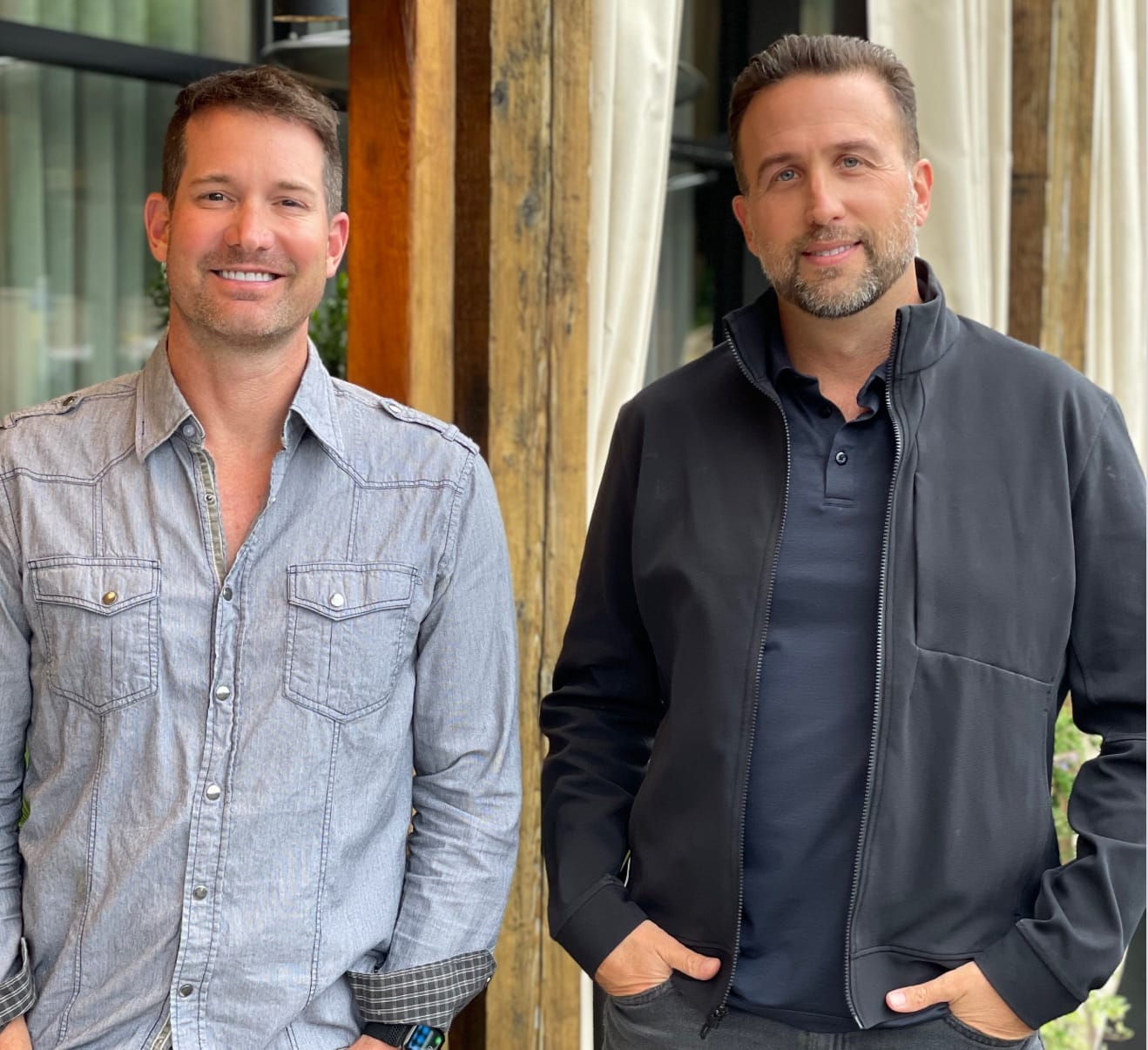
Hosts: Dr. Peter Boulden & Dr. Craig Spodak
Guest: Dr. George Hariri
Key Takeaways:
Introduction
Beginning Of Analytics-based Project Management
Macro Problem In Dentistry
PSS
Baseline Level Of Happiness
Microcourse Corrections
References:
Mighty Networks: Bulletproof Dental Practice
Shared Practices’ Analytics-based Office Management: March 25-26th
Learn more about Shared Practices’ events
Tweetables:
The worst outcome for anybody is to have everything they ever wanted and still feel hugely unfulfilled. Dr. Craig Spodak
There’s going to be a buyer for every type of practice. Dr. Craig Spodak
Everyone has a different set of ingredients that leads to the highest baseline level of happiness for them. Dr. George Hariri
The consumer will tell you if you are valuable or not. Dr. Craig Spodak
Full Episode Transcript
Below is the complete transcript of this episode of the Bulletproof Dental Practice podcast. Prefer to listen? Find us on Apple Podcasts, Spotify, and YouTube.
Read the full transcript
The following transcription was from the Bulletproof Youtube channel. Here is the https://www.youtube.com/watch?v=ftDFxNBueFE
Peter Boulden
0:00:00
Today is George Ariri from the Shared Practices Podcast. George requested we go right to it.
George Hariri
0:00:20
Do you guys normally do a lot of pre-work for your guests before you get on?
Craig Spodak
0:00:24
I do. I do literally no pre-work, unless it's somebody like very, like if they've written a book, I try to read the book, but beyond that, no. I always like a spontaneous conversation for me.
George Hariri
0:00:35
So Richard and I both have had different, you know, we've evolved. So we've been doing this for, I'm coming up on five years. And I think that over the years, what we found is we sometimes have our best conversations before we hit record.
Craig Spodak
0:00:48
Oh, I know, me too.
Peter Boulden
0:00:49
100%.
George Hariri
0:00:50
And so it's like, I think it's funny that, you know, in the dental influencer world, we have like this elevated sense of importance sometimes, where we live in our own echo chamber of just our audience and sort of the people that communicate and listen to our show. And we don't always have time to like go listen to other dental podcasts. And I personally haven't listened to Bulletproof. I mean, and you guys probably haven't listened to us. Neither have I. No, I've listened to your stuff, George.
George Hariri
0:01:15
Oh, really?
Peter Boulden
0:01:16
Yeah, yeah, because
Craig Spodak
0:01:17
No, I was saying I haven't listened to people
Craig Spodak
0:01:19
with hearing aids yet.
Peter Boulden
0:01:20
Craig doesn't even listen to ours. So, but no, I crave good content, and I think it was rare. Honestly, that was the thesis for why I started Bulletproof
Peter Boulden
0:01:28
a long time ago, because I was like,
Peter Boulden
0:01:29
God, I'm just not hearing what I think is applicable right now in the dental space, so I guess I'll start a podcast kind of thing. And that was, you know, that was in 2016. So probably around the same time you decided to do it, right?
George Hariri
0:01:43
Yeah.
George Hariri
0:01:43
So Richard Lowe founded our podcast in August of 2016. So he went to the first VOD and then I think right after that, he got the kick to do it himself. And I hated dental podcasts. And so he was overwhelmed and I was like, you know what? Like, I'd love the opportunity to make a show that I'd listen to. And so it seems like we kind of had the same thesis. And I find that really odd. And one thing that I've heard from our listeners is that our show and your show is sort of the two that I hear over and over again as the ones that provide good information for-
George Hariri
0:02:18
You just saying that George?
Peter Boulden
0:02:20
Are you just saying that?
George Hariri
0:02:21
No, this is why I reached out with respect.
Peter Boulden
0:02:24
All right.
George Hariri
0:02:25
I mean, you got to think about
George Hariri
0:02:26
how this episode started for me So one of our interns comes to me goes dude. They're talking shit about you on the bulletproof podcast And I'm like what no no no no like this has happened There's been a hate episode about me before I've never reached out to the person because I never wanted to give them the light of Day, and I was like I've heard the bulletproof guys are cool. Send me the link and So then he sends me the link and sends me the timestamp and I listen to it I'm like I don't think they're talking about me, but maybe they are. And so then I just reached out to Craig and I was like, hey man, like.
Peter Boulden
0:02:57
Oh, because it was Craig. Craig was the culprit.
George Hariri
0:02:59
Craig was.
Craig Spodak
0:03:00
So what was, what was his persona?
George Hariri
0:03:02
So I'm going to, I don't even remember the episode or, but the comment was, so, I'm going to paraphrase as much as I can remember. And it was like, so this one guy, and you all know him, if I were to say his name, you'd all know who he is, he went out and told one of the guys at our mastermind that a one practice with $4 million of revenue is better than four practices each with a million dollars in revenue. And I say this all the time, so I'm like, oh, yeah,
Craig Spodak
0:03:33
that was my opinion. It was like you, and a much older podcaster, much, much older, has more episodes than me.
George Hariri
0:03:40
Can I give you my guess?
Craig Spodak
0:03:41
Yeah, go ahead.
George Hariri
0:03:42
I thought it was Paul Goodman.
Craig Spodak
0:03:44
No, no.
George Hariri
0:03:45
Okay, so I thought it was Paul Goodman.
Craig Spodak
0:03:46
So when I say much older, older than me. So it's a guy that has a lot of episodes out there and he has a practice that's very small. So, you know, I think it's interesting when someone pontificates about what's best because dentistry, as I always say, is an individual industry that can suit the individual needs of the doctor and the business owner. So it's always do what's right for you. And one thing that drives Peter and I crazy is when people hijack other people's visions and do what they think that other people are doing to suit their own needs. Even moreover, what really upsets me is when someone who's never done something is recommending to do it. That inauthenticity really bothers me. Like, this is what you need to do. Well, look what you do, bro. You don't do that. So that kind of bothers me. Because it's just unfair.
Craig Spodak
0:04:31
And it wasn't you.
George Hariri
0:04:32
Richard is so polite. And I'm Mr. Direct, authentic, like confrontational. And for me, I'm like, look, if someone's talking shit about me, I'm just gonna talk to them.
George Hariri
0:04:41
And just see like, what's the situation?
Craig Spodak
0:04:42
Oh yeah, me too. I'm 100%, yeah, 100%.
George Hariri
0:04:43
And so I'm like, you know what? I'm just gonna shoot them a line. And so I shot him a message. I was like, I've heard a lot of great things about you. Were you talking about me or not? And if so, I think it'd be a great debate because the thing is like, Peter, what I've heard about you is that you have, this is all I know walking into the episode. You have multiple high-end locations in the Atlanta area. And what I've heard about Craig is that he has a family-owned sort of legacy group of practices that's like a mega office. So far, the largest privately-owned dental practice I've heard of. Oh yeah, there's larger, there's larger, but yes. But the ones I've heard of, it's the largest I've heard of. In terms of size, you know, I have no idea what your revenue is, my estimation was roughly 10 million. And, you know.
Craig Spodak
0:05:26
Little more, but yeah, there's bigger ones than us though. There's a guy, just for point, there's a guy in Ohio, Springfield, Illinois, Ohio, I don't know. Massive, massive, yeah.
George Hariri
0:05:37
Oh, Dr. Cool, what's his name? Yeah? Yeah? Yeah, it's a cool looking dude. Yeah I drove by his practice. I said Kansas. I thought in Missouri right yeah, Brinkfield It is you know you need a YouTube YouTube. That's right. I went on a airport
Craig Spodak
0:05:50
It's a start like the airport that he it was meant to be an airport. I just decided put some operatories in it Yeah, dr.. Oh, that's your dad He makes my office look like I'm running like a local Chick-fil-A.
George Hariri
0:06:02
Well, I saw him do a YouTube video of a full mouth rehab on cat cam same day. I mean, wow. Anyway, so that's all I've heard. And like, as somebody who's not accomplished either of those things, I think that dentistry is interesting because it's so humbling when you meet people that have accomplished things that are incredibly challenging. And at the same time, we might have different opinions on things, but I felt like the Bulletproof guys are cool and it could lead to a cool discussion about maybe some differing viewpoints. And I think that my background is math. So I almost have a minor in math and I entered dentistry with two obsessions, math and basketball. And I have followed the NBA closely since 2010. Like I can tell you trades, contracts, like I've followed the league, the management side. And what I've seen is analytics change basketball. And what I've done, in my opinion- Money, ball, and basketball, right?
Peter Boulden
0:07:04
Yeah, so I'm writing a book right now
George Hariri
0:07:06
called Dental Moneyball, and it's our philosophy.
Craig Spodak
0:07:08
Peter says that all the time, by the way. So we would have been reaching out to you when you published that book, and I'd be like, George, what the hell, man? You took our stuff.
George Hariri
0:07:17
Yeah, so I'm already like-
George Hariri
0:07:19
Good for you.
Craig Spodak
0:07:20
I'm kidding.
George Hariri
0:07:21
Manuscript done into a book called Dental Moneyball, where I talk about our philosophy, which is essentially retrofitting practice management to advanced analytics using basketball as an analogy of where I learned the concepts. And that was sort of- Give us some more background, George, because I want to hear,
Peter Boulden
0:07:37
because I think you've got a pretty good story. Because you didn't graduate dental school,
Peter Boulden
0:07:42
but not a long time ago, right?
Peter Boulden
0:07:44
Like when did, like-
George Hariri
0:07:45
18. How long ago? 18. So yeah, let me give you, if I, so let me tell my story. And so I was trying to figure out, I wrote notes on how I could concisely tell the story
Peter Boulden
0:07:55
of shared practices.
George Hariri
0:07:56
You're a pro. You know, one thing I've done is I've spent a lot of time on clearly communicating to an audience that's never heard of us, right? Because five years we change so rapidly, our audience gets a headache by hearing all this shit that we do. And so I went to the U of A and I studied three things. I studied human physiology, I studied molecular and cellular biology, and then I studied pretty much math. And then U of A is a big basketball school, shout out right now, the number two rated team analytically in the country, Arizona Wildcats, so it's happy to have that back. Anyway, I walked into dental school and Richard, ironically, him and I didn't know each other, but he invited Howard Foran to speak to us. And you're talking to like-
Craig Spodak
0:08:36
That was the guy I was talking about.
George Hariri
0:08:37
Yeah, oh, okay, there you go.
Craig Spodak
0:08:38
I can't keep a secret.
George Hariri
0:08:39
I love Howard Foran. I do too. From like a high, big picture, like perspective. But once he starts talking specifics, him and I tend to disagree with a lot of the things he says.
Craig Spodak
0:08:48
Yeah, that was the man I was speaking of.
George Hariri
0:08:50
So Howard said something that changed my life. I'm three weeks in dental school, and he goes, what do you call a dentist that does one or two things right? A millionaire. And it talked to the inefficiency in our industry and how this is not restaurants. This is essentially a bunch of dentists who in order to have a seven figure practice at 67th percentile, that's not that challenging. And he essentially gave the opposite spin of an optimism perspective on the business of dentistry. And that combined with a study that I read, talked about how there's an 80-20 rule in medicine and dentistry. And so physicians, 80% of them are specialists, 20% of them are generalists. All legislation, technology, innovations are always gonna screw over the 20% minority. Same thing in dentistry. We have a 20% specialists that are all fragmented between seven different things, essentially no voice. And so all innovations, changes, all those things are gonna screw over specialists over time. And I saw this as a first year dental student. I was like, all right, screw doing well in school. So I optimized practicing as little effort in the didactics of basic sciences and all the shit that you go through. And sorry for the language, if you have to bleep me out a bunch, I'll clean it.
Peter Boulden
0:10:03
No, no, no.
Peter Boulden
0:10:04
We don't, trust me.
Craig Spodak
0:10:05
No, trust me, the F-bombs fly.
George Hariri
0:10:07
We're explicitly raising the force. Okay, I'm just gonna be authentic. And so, I finished-
George Hariri
0:10:10
Yeah, please do.
Craig Spodak
0:10:11
We wrote a book, too, by the way. There's probably about 150 F-bombs in this. We got a bad review, Peter, not to hijack your story, George. Yeah, good. We got a bad review in our book. Is it, is it, okay, ready? Because of the cursing. Anyway, go ahead, George.
George Hariri
0:10:23
So, I decided to just totally dedicate my four years of dental school to learning how to get everything right in a dental practice. And I have a very strong right-wrong complex. And it comes from my math. For me, I believe there's-
Craig Spodak
0:10:38
You're a scientist, bro.
George Hariri
0:10:39
Yeah, I'm a scientist. I believe there's an objective, correct answer to every question.
Craig Spodak
0:10:44
Yeah, I know that. I can tell that about you right away.
Craig Spodak
0:10:46
And so-
Craig Spodak
0:10:47
You're scientific as fuck, I get it.
George Hariri
0:10:48
Yeah, yeah. So I approached dental practice ownership that way. So I graduated, I bought a practice, and I struggled, struggle bust for a year. Like, I was one of those rare dentists that collected over $100,000 a month and lost money. I mean, struggle bust doesn't begin to describe it.
Craig Spodak
0:11:05
One year of struggling, you got off easy, brother,
Craig Spodak
0:11:07
so keep going.
George Hariri
0:11:09
And then I felt like I figured out projections. And I felt like I had this shift where I started inputting sort of patient analytics, like how many patients we were seeing that month, what was our fluoride percentage, what was our diagnosis per exam, kind of like started putting in some proactive metrics and started spitting out and predicting my production. And that sort of became the beginning of what's turned into what we call analytics-based practice management, which is essentially, we looked at every single, we have what we call like a flow chart of all the different operations of a dental practice. And we try to intentionally optimize what process we do for an analytical outcome. And we've spent a couple of years innovating this and practicing and we have 80 clients now and we sort of test this GP concept. And that's sort of the beginning of our consulting arm. And then we then, you know, I think for me, I went to this group practice management seminar and I heard about sort of the consolidation in our industry and I have a strong right-wrong complex. And so naturally I got triggered and I felt like dentistry needs someone to stand up
Peter Boulden
0:12:22
to some of the things that are happening. But book by May 2nd and you can receive some group discounts for your team. Prices will also go up for the last 50 tickets. Tickets are already half gone for this event and it will sell out like all previous years. This is the biggest no-brainer in dentistry. If you want to elevate yourself, your team, and your practice, check it out. Bulletproofsummit.com. I'll see you there. Let me ask you a question, George.
Craig Spodak
0:12:57
Yeah, I want to you know, I'm always about I'm always about the why so You know going through the how and and you know, and I love that I you know, we're each unique and right off the bat. We are very different. We're very very different human beings I love what you're saying, and I think it's great But I can't my brain doesn't want to go to efficiency like yours does which I was not near more aligned George Yeah, so you're very much like please stop me. I love this. No. No, it's great. And I'm sure that many, you know, many are just like you. But what I want to ask is a very important question for me to understand about you. What is wrong in dentistry?
George Hariri
0:13:49
Micro macro, what would you like me to address? I want you to talk about the macro.
Craig Spodak
0:13:53
What is wrong? What is the greatest problem in dentistry? If you could have a magic wand and fix it, what would it be?
George Hariri
0:14:02
Lack of emphasis on same-store performance.
Craig Spodak
0:14:05
Okay, so do you think that that, if that was fixed, dentistry would be better?
Craig Spodak
0:14:11
Yes.
Craig Spodak
0:14:12
Okay, so what do you believe also, are you also, I mean, I'm sure you're aware of this, are you aware that dentistry has amongst the highest rate of suicide, drug addiction, and divorce rate?
George Hariri
0:14:24
Correct, yes.
George Hariri
0:14:25
Amongst most, and do you believe
Craig Spodak
0:14:26
that same-store performance would fix that stuff?
George Hariri
0:14:29
Correct, yes.
Craig Spodak
0:14:31
Okay.
Craig Spodak
0:14:32
So, the reason why I said what I said about Howard, and I love Howard, I think Howard's great, and it wasn't a disparaging comment if you go back and listen to it. It was interesting because I think in dentistry, there's a lot of people that will tell you exactly what to do.
George Hariri
0:14:46
Oh, yeah.
Craig Spodak
0:14:47
They'll say, this is exactly what you need to do. You need to maximize this, you need to do that, you need to open up five locations, you need to be CEO, you need to hire this company. And I think that is what's wrong with dentistry. I think dentistry is beautiful because it allows everybody to express their individual needs. It's like the restaurant business. Certain restaurants actually focus on-
Peter Boulden
0:15:06
It's great, but you think the big issue is the cut and paste narrative of someone adopting
Craig Spodak
0:15:12
someone else's goals, visions, dreams? Not necessarily. I think the biggest issue in dentistry is people have had their own beliefs and their missions hijacked. That's my problem. I think there's a lack of fulfillment in dentistry. I don't think it relates to money. Obviously, there is money problems. I think many dentists are not fit to own their own businesses. We don't get adequate training. So I agree with that idea. And I think there's a need. But what I experienced, this just might be my specific purview into dentistry because the Bulletproof thing probably attracts a specific audience. What I see is people that are actually doing fairly well or on their way to doing well and feeling burnt out, unfulfilled and disparaged. That's what, if I had my magic wand, I'd like to fix that. Do I believe that improving safe, sort of performance is really, really important to fixing that? Absolutely. But I see it as a micro and not a macro.
George Hariri
0:16:05
Can I challenge?
Craig Spodak
0:16:06
Please, of course, that's why you're here.
George Hariri
0:16:08
So I would argue that, so I have, I live by, so I talk about Basketball Nut. There's a video that changed my life, like literally. It's this guy who was at the Kobe Bryant Skills Academy when Steph Curry was in college. And when Steph Curry played at Davidson, he was like a nobody. And he talked about how impressed he was with Steph Curry, the least notable player at that camp because of his practice habits. And for me, like, you know, I'll double down on process over result. And so I'm going to show you our process of what we do and how it addresses your concern and how I believe it leads to the result that you want. I think we're both on the same page here. So Mark-
Craig Spodak
0:16:55
Well, we're clearly on the same page in that we wanna improve our profession.
George Hariri
0:16:58
No, but-
Craig Spodak
0:16:59
I think there's also-
Peter Boulden
0:16:59
Same outcome, he's saying.
Craig Spodak
0:17:00
Yeah, yeah.
Peter Boulden
0:17:01
Just different methodologies.
Craig Spodak
0:17:02
But I also, I'm just curious, I wanna whittle down and we're just at the surface of it, but I think there might be a life cycle thing. I don't know much about the podcast, your audience, but what I see, we see different life cycles, I'm sure you do as well. And the thing that always drives me batty in our own masterminds and stuff like that, because we just got back from a mastermind, we all flew in last night, we were in Seattle, I'm sorry, in Salt Lake City rather than Park City. And the thing that I saw most readily was people that just don't know where they want to go and they haven't figured it out. I think the greatest, the worst outcome for somebody is to get everything they ever thought they wanted and still be unfulfilled. And I'm hugely, I'll work my ass off to make sure people understand what they really want. So, and getting that kind of full circle, the comment that I heard was a doctor came to see me and like, I want to join Bulletproof, blah, blah, blah. Well, what do you want? I want what you have. Well, why? Because, you know, I heard if you have this many operators and you're doing that, you know, you can make that much money passively and that's what I want to do. Well, why? And I was like, well, just more money. It's going to be amazing. And I said, well, do you like being around a lot of people? How's your leadership? All these other questions. And as we whittled it all down, I came to get the sense, and he did too, actually, like, I don't actually want this at all. And I actually think the way dental school is set up and the way it's so competitive to get in and the internal competition inside of school that you just start running because everybody is running around you and you'll get somewhere but you won't know where you're going. And that's all. I'm just… And listen, does it all need to happen?
George Hariri
0:18:39
Yes. Can I be really direct?
Craig Spodak
0:18:41
Oh, please.
George Hariri
0:18:42
Of course. I think you're making an assumption about us that is inaccurate. We actually address all of your concerns. We don't pigeonhole people into a process, we have what we call avatars. Okay. And so what we do is we broke down every practice between $0 in revenue and $5 million in revenue. And we have 30 to 40 KPIs that we use to classify. So we have a solo, a productive solo, a super solo. We have a transition to group. We have two different ways to get to a group practice. We have a group practice, a profitable group practice, and a mega group practice. And so all of these are classified by revenue, patient flow, number of hygiene patients per month, number of new patients per month, doctor production per patient, right? And so what we do is we take anybody's practice and we just tell them what they are. And we give them the options of where they can take their practice. It's like a menu. And we do pros and cons, right? This is a lifestyle of this person. This is how many days they work. This is roughly how much they make. And we let them pick whatever the hell they want. And we just have a scientific process to move them through the stages of ownership, through an understanding of the process. But we actually don't put a one size fits all. If someone's scheduling system is not a problem, we don't change it. And what analytics do is, I'm sorry, what the numbers really do for us is they show us what's broken and most importantly, what's not. Because I don't care if they're answering the phone in a weird way, if they're converting the proper number of new patients and their phone conversion's good enough, I'm not gonna touch that and create additional stress. And so we have something that we talk about, which is like disruption and impact. And we always look for high impact, low disruption changes in an office that ultimately get what we're looking for. And it doesn't have to be perfect. It just has to be good enough. And so I think that what the science and the analytics do for us is it gives people a simplification. We have this PSS that we live by. Every change that we do has to be profitable, simple, and sustainable. And sustainability, in my opinion, is one of the most important things in dentistry. And it's something that's a staple to our philosophy. And we don't do anything that we don't feel is sustainable to address your same point about suicide, unhappiness, all of those things. And we're very clear in all of our seminars and all of our talks, money does not make people happy. It amplifies who they are. And we don't try to make people money. We just try to give them ease so that they can focus on the other parts of their life that are not their dental office. That's really what we're about. And I feel the data gives us the roadmap to really just help people create whatever the hell they want with their office, I don't care what they want.
Craig Spodak
0:21:19
So let me ask you something, George. So what did you say specifically? Because I was referencing what somebody said that, hey, you wanna know what you should do? You should do this. That person came to me with like, I was told by some expert to do this. Obviously, if you thought it was about you, you told some dentist at some point, you should do this. So I will never say that to somebody without understanding. So what did you know about that person or that environment or that situation that compelled you to say that
George Hariri
0:21:49
to that person? I'm gonna verbatim something I say in our analytics-based pre-ownership seminar. So we talk about the mega group. So we actually have defined our scope of practice to a solo dentist, to a mega group, and we do not touch multi. I have no passion or interest in helping a dentist with multiple locations. What's your passion around multi, the multi mega group?
Craig Spodak
0:22:10
Yeah, what's your, what's your-
Peter Boulden
0:22:11
Let's hear the multi mega,
Craig Spodak
0:22:12
what's your passion around the multi or the mega group, whatever you called it. Yeah, so we call it a mega group
George Hariri
0:22:17
and our thesis behind this is we feel a dentist is capable of achieving the same level of financial success, a better lifestyle with a higher income as a option for an entrepreneurial dentist in mega group ownership. And what we don't choose to do is we don't choose to help them with something that we don't believe in. Right, and I'm not saying don't do it. I'm just saying pros cons, multi-practice ownership is a net worth game, not an income game, right? But you can achieve the same net worth, higher income, and I think a smoother like growth trajectory, easier lifestyle in a three to five million dollar- That's what made me jump on Howard.
Craig Spodak
0:22:59
So when the guy came to me, I'm like, well, why do you want this? Well, Howard, and I said, well, all due respect, Howard's never done it. So, you know, you're talking about Steph Curry and you're talking about Kobe Bryant, both of them have done it. Yeah. Kobe did it. So what I said about Howard was, how would he know he's not lived it? So there's nuances about the mega group that frankly, George, you don't know. Unless there's something that you could tell me that you've done, but you don't understand the doctor dynamics, the team dynamics. I could tell you that for certain people, it will be harder and less profitable to have a mega group. It's just dependent on the individual person, what they love. I work my ass off, but I love what I do. It's just easier for me. There's people that I know in our mastermind that have four and five team members, and they're super stressed out. And someone along the way told me they need to have a multi-office or mega-group, and they're actually running in that direction. We go through our mastermind process, and they're like, oh my God, I don't want to do any of this shit. I was actually making more money as a solopreneur when I was doing three days a week at clinical, and I had only four assistants or four team members. So that's why I said what I said about Howard, and I guess it is relative to you. So I wasn't talking shit, but it is like, tell me, defend yourself from saying how you know it's gonna be more profitable and lead to more fulfillment if you don't know the individual.
Peter Boulden
0:24:19
So using math as a hypothesis, right? Analytic as a hypothesis.
Craig Spodak
0:24:23
So I think that-
Craig Spodak
0:24:23
Science of achievement is there. I get the scientific approach to the achievement But the fulfillment is that art and I think the reason in my opinion respectfully. I just disagree And I've seen a lot. You know I'm not trying to pull the the experience card, but you know 23 years of clinical practice and meeting You know thousands of dentists and like just queering. It's anecdotal like what do I think is causing this lack of fulfillment? People went to a seminar and didn't do an examination on what they really wanted to said, you know, that's more profitable. I'm going to go do that. And that that I just think we're doing a disservice
George Hariri
0:24:56
to people without a deeper inquiry into what they want. So I'm taking a lot of oxygen. So I'll say two things. So one, I mean, we just met. Right. And, you know, we don't know each other's breadth of experience and knowledge. And so to say that one is not qualified to speak on something that the other is, I don't think is accurate.
Peter Boulden
0:25:15
Well, I've read your bio that's on your website and it says that you, 2018, you took something and went to $1.2 million. So I think that's the scope of what he's talking.
Peter Boulden
0:25:24
And it was a single, okay.
Peter Boulden
0:25:26
So we do know.
George Hariri
0:25:27
Well, 2022, I'll have four entities collecting over $3 million individually. So that, right, I haven't gotten to five, but between our consulting experience and.
Craig Spodak
0:25:40
Yeah, I wouldn't use a number. I think what I was speaking to is like, there are unique challenges to the group that you advise people on that you just have not seen. That's all I'm saying. Just like there's things that you have in your history that I just don't understand. So I, and there's a lot. I mean, just by the way you came out of the gate, you know, rattling up the statistics and the performance and the metrics, your brain works in a unique way, which I appreciate, I like it. But I would say, what I'd say to Howard, I'd say to you, what do you think the biggest challenges are in the mega group that you understand it to be? And how did you base that? On what information did you gather that?
George Hariri
0:26:21
So can I finish sort of my initial rebuttal?
Craig Spodak
0:26:23
Yeah, sorry.
George Hariri
0:26:24
So I think that there's the second thing, which is I subscribe to a philosophy, right? I got four boys parenting wise and I subscribe to a philosophy where it's my job to give them information. And I trust that I don't know what's best for anybody, but they know what's best for themselves and it's up to them to look at the source of information, the quality of experience, the validity of what they're saying. But I view it's my obligation to be extremely authentic with all the information that I have. And so when I speak on something, it's truly my opinion. It's flawed and it has you know, it's it's it's imperfect. Right. But I fully trust the audience that they know what's best for them. And I'm not here to make decisions for anybody. And I think that we both right. You have a view that slanted and I have a view that slanted and neither of us are dead on. But people should sort of be able to collect all of our views and make whatever decision is appropriate.
Peter Boulden
0:27:22
They don't, though, that is, I think that is the thing that happens is that all of a sudden, because you're convincing George, honestly, listen, you talk, you talk about math and analytics and from our experience and you can pilot and then all of a sudden they get romantic about the idea of maybe what you're talking about. And you're assuming that a dentist can audit what you're saying and be like, yeah, that's not for me.
Peter Boulden
0:27:40
Because that doesn't happen.
Peter Boulden
0:27:41
And I think that's Craig's point.
Craig Spodak
0:27:42
And it's so many times they cut the case open. How did you get to this place where you're unfulfilled? And it always traces back to along the way, someone told me this is the most efficient thing and the most profitable thing. And all I would say is, yes, I'm not saying you don't have an opinion. I think you have a wonderful opinion, George. And I'm really happy we're having this conversation because I think this is what's at the crux of what I'm thinking is a problem in dentistry. And I'm not saying that, you know, your numbers are amazing and God willing you'll get to a hundred million. I think it's fantastic. I'm going to be cheering you from the sidelines, no matter what you do. All I'm saying is when I've never done something, this is just my own personal bullshit bias, whatever, I'm flawed. I tell people, hey, I haven't done it yet. I've never done it. So my opinion as to what could go wrong is these five things. I don't know enough about it. I would say go talk to that person who's actually done it. I really, I always do that. You'll hear me say that all the time. So when I, my bias is that you haven't run or had the working experience of the mega group that you classify doctors want to be in. So when they say, hey, George, what's the biggest challenge? Where are you pulling that information from?
George Hariri
0:28:53
What are you saying the biggest challenge is? Yeah, so this is where we introduce a checkpoint. So I think we're saying the same thing differently, honestly, the more I hear us talk about it. Because what we tell people is before you go into multi-practice, we advise that they have the experience of a larger single site where they have an associate and an office manager. That's something we build in as an internal checkpoint so that they know what it's like to hire another dentist. They know what it's like to manage another dentist. They know what it's like to have an office manager and to have an office run when they're not there. And we like for them to practice that in their home court before they go acquire a second practice. Because I think that one thing that commonly happens in multi-practice is somebody is a successful clinician and they think that their success is replicatable when it's due to their own clinical abilities. Then they go buy a second practice, right?
Craig Spodak
0:29:40
That's the most common pathway. So they're amazing, iconic producers. They're great in their one environment. So imagine if I had two or three. Just for housekeeping issues, if you don't mind, George, what is this, and I keep forgetting, I'm sorry, what's it called, the mega practice or the multi-part group? Mega group. What is a mega group? What are you defining?
George Hariri
0:29:57
Between three to $5 million in collections.
Craig Spodak
0:29:59
Okay, so it's not about how many doctors are there.
George Hariri
0:30:03
No, usually a mega group will cap out at four doctors. Okay, got it. That's when our scope of practice ends.
Craig Spodak
0:30:08
Okay, so up to four docs and 5 million. Yeah. Got it, because I'm thinking just in my head, I was actually thinking bigger than that. But anyway, it doesn't really matter.
George Hariri
0:30:16
That's where like, you're like what basis do you have to be speaking on this? And I'm like, well, I kind of feel like I have a, so for me, it's-
Craig Spodak
0:30:23
Well, have you, let me ask you very directly, have you ever worked in an office that employed four doctors and did $5 million?
George Hariri
0:30:31
No.
George Hariri
0:30:31
Exactly.
George Hariri
0:30:33
That's what I'm saying, but that's where I feel my ability to speak on it ends because there's always the adjacent experience, right?
Craig Spodak
0:30:40
Have you worked in a practice with three doctors and $3 million, $4 million?
George Hariri
0:30:44
Yes, we have those, yeah.
Craig Spodak
0:30:45
So you worked in them and how long have you owned them?
George Hariri
0:30:48
Not worked in them. So there's six of us in our company, right? I'm not alone here. And so we share experience, right? So some of us have experience that others don't.
Craig Spodak
0:30:57
So which doctor in this group of doctors that talks to the public has worked in a practice that had three doctors and $4 million or more?
George Hariri
0:31:05
So 3 million, Alec Sharp.
Craig Spodak
0:31:08
Okay.
Craig Spodak
0:31:09
So how many doctors in that practice?
George Hariri
0:31:11
Three.
Craig Spodak
0:31:12
Okay.
Craig Spodak
0:31:13
So he's got, all I'm gonna say is he's got a unique perspective, a very unique perspective. And I'm not trying to, I'm really not trying to be, and I think this, this whole dialogue, I really want to say, this is not hard for me and I hope it's not hard for you.
George Hariri
0:31:27
I want you to push back and because, you know, I'm the kind of the weird guy that enjoys this.
Craig Spodak
0:31:32
I am enjoying it too because it's a really necessary conversation. I have all mad respect for you, George, and I'm just learning, but, and at the same time, I want to circle back to say that we're both trying to advance the profession. I know if you had, you want to fix dentistry, I want to fix it too. And we may just be working on different parts of it together.
George Hariri
0:31:54
Yeah, so let me, so you kind of, you addressed something that I never really had a chance to share, right? So shared practices is owned equally by six different people.
George Hariri
0:32:02
Okay, I didn't know that.
Peter Boulden
0:32:03
So you share practices like at the podcast,
Peter Boulden
0:32:05
consulting, the whole thing.
George Hariri
0:32:06
Everything.
George Hariri
0:32:07
Okay, got it. Owned equally by six people. And we have a seventh very key person. So her name is Suzanne Rassi. And her experience is, so when we initially kind of hit the money ball, like epiphany, we're like, all right, we need a grownup with experience. And so we went out and hired Suzanne, who if you know Mercer Advisors. Yeah. So this was Imtiaz Manji. She was second in line behind him. She was in charge of the 47 in office consultants, that whole thing. And then she became the head of, one of the top practice management people at Patterson, and then she quit. And she's our director of coaching.
Craig Spodak
0:32:42
Did she do investment advisory for Mercer Advisors as well? Because I know they kind of doubled up in the consulting and investment advisory space.
George Hariri
0:32:48
I have no idea. I think she was just on the consulting side, is my understanding of it. Yeah.
Craig Spodak
0:32:54
But I have no idea. We should put a pin in that topic too, because I think maybe not us, but there's a lot of people out there that kind of,
George Hariri
0:33:00
yeah, we'll put a pin in that for later.
George Hariri
0:33:01
So what I'm saying is, I think our collective experience is what we advise on. And there's seven people that all have different backgrounds. So Matt Ford, one of our other partners, he has four practices in South Dakota and Minnesota, right? So that's part of our expertise that we advise on. Richard, you know, Richard acquired five practices while in the military, right? That's part of our, you know, so we all kind of have like our niches, right?
Craig Spodak
0:33:32
And George, you guys come together and speak together in the podcast, or there's certain ones that podcast and certain ones that don't.
George Hariri
0:33:38
No, most of us podcast regularly. We try to each get on about twice a month. And then when we have seminars, our seminars, we like to all be in the room and kind of, we like to have a popcorn style lecture. We're like, when someone has something that they have unique experience on, they step up, even if they're not the speaker and share. Because to your point, you're right. I've never done that. I've never done certain things, but I have partners that I trust fully that have, right? And between all of us, we feel like we share information and we all get, we learn from each other's experience. And so that's a lot of our philosophy. And so, you know, Suzanne has spent a lot of time in those larger offices. And so when we all sat down and we said, what's our scope of practice? What are we comfortable advising? Where does our comfort stop? We all collectively decided that the administrative load of a practice doing over $5 million is where we'd rather they go somewhere else. So to get up to 4.5 to five, we feel like our process is scalable to that level, but then we feel the management challenges of above a $5 million practice is where our expertise stops. And we tell people that at the beginning of our seminar, we say, our scope of practice is here. That's where we feel what we say has weight, past that, we don't really have anything. And I feel like, you know, you've been trying to get my experience and I'm young, and it's not my experience, it's ours. Yeah, well, I just didn't know that.
Craig Spodak
0:35:03
I mean, I know the name obviously shared practices, but I didn't recognize it was beyond that. But it does, you know, and again, I understand it better now, so thank you for that. And having said that, I don't know the comment that you made, I can only speak to what was said to this guy, but I just thought it's just interesting because I think that what this guy was saying, and I'm taking it away from you, George, is if you want the most amount of this, this, and this, and this is what you should do, and the person was speaking from a position of authority, and the doctors that we work with in Bulletproof have made some of those mistakes, and they haven't done the visioneering. So that's why in our pathway, the Bulletproof Pathway, the very first step is kind of like know thyself. This whole weekend, we brought 25 doctors to Park City and we're sitting in a room locked together for two days and we're working on all these different things. And it always comes down to people didn't really spend the amount of time they needed to figure out what's gonna get them to the goalpost, which is happiness. Money, happiness, financial freedom, all that stuff. I mean, all the currencies of life. And we're trying to get the people that are far down, of course, correct, and the newbies that are there, we're trying to get them to distill down what it is they want. There's people in that room that were on a trajectory to acquire their 12th and 15th office, and now they're going to want to do 50. And there's other people that had three that want to go back to one. So we have the systems and pathway to accomplish that. I just want to make sure that there's a step introduced in your process as well for the benefit of dentistry. And it sounds like there is, where there's a query of like, know thyself. What do you want to really achieve? Like one of the guys in our practice, in our mastermind, couldn't get it out. He couldn't work out what it was. He finally, like his whole physiology changed. He's like, you know, goddamn, I know exactly what it is. I want to, you know, I want to coach football. It was Bonner. He's like, I want to coach football, I want to make $1 million a year, I want to work this many days a week, and we reverse engineered a pathway for him to accomplish that. But like I said, achievement without fulfillment is like the worst thing that could ever happen, and as maybe an older guy, I've seen people that said they wanted all this stuff and they never, they got it, and they didn't really want it at the end. So I just think if there's a process in there, then I'm totally cool with it. And that's why I kind of said the more aggressive statement to the person that was saying it.
Peter Boulden
0:37:18
I'm glad you clarified, George, honestly, because my impression, honestly, unfounded, was that you guys took people, kind of dental students and dentists who were just getting out and helped them kind of learn the business of dentistry through data, right? And you're basically saying, yeah, we do that, but we also take you through higher life cycles than that up to about the Megan practice level which at which point we kind Of bow out which is awesome. I mean, I think it is all I think there's a place for that and honestly given that you don't know Craig and I like I'm more of the I'll show you the steps to here's the five ways to do it and here's the analytics and Craig is more of so we're equal balance Craig is more of the Unique vision and purpose and gratitude all the things that kind of balance it out So he and I kind of balance each other with the way we want to run. And he and I converged a long time ago and we got to kind of similar points in our growth, if you will, or size or scale, doing totally different routes of how to get there.
George Hariri
0:38:18
And I think that like, you know, there's, I don't think it's a coincidence that, you know, three people that all have passion for our industry and have achieved individual success, all are saying the same thing in different words, right? Like we're kind of all saying the same thing, right? And I think it's just like Craig is saying that, you know, it's not a one size fits all and we're saying the same thing. I think we're just like, what's the- I think we're macro aligned, George.
George Hariri
0:38:43
I think we're macro aligned.
Craig Spodak
0:38:44
I think the way in which we drive there
Peter Boulden
0:38:47
is quite different.
George Hariri
0:38:48
Oh yeah, sure.
George Hariri
0:38:49
Yeah, yeah, okay. But you're right. So Craig's point about multi-practice is our sort of, we build a stair step and we say, just put a pivot point, right? Just get to this point and then make that decision. Because what we see all the time is we see a fourth year dental student says I want to own five practices. And we like to put the brakes on that person and we say, all right, get to this point, then make that decision again. Because after this point, you're gonna realize a lot of the challenges, but what we always see is someone, they jump quickly to that second. And if you ask me, how many practices does the average multi-practice owner own? I say it's between two to three.
George Hariri
0:39:26
Yeah, it is.
George Hariri
0:39:27
And so I don't want them to be in two to three no man's land where they're spending one to two clinical days per week in each office, because that's not happiness, that sucks. And-
Peter Boulden
0:39:38
Well, a lot of times, we've seen this, George, that the second and third practice are paid for by the first flagship, which was doing really well. You think you're uniquely qualified because you did one well to go to two and three, which I see is the case, not the case, I should say, many, many times.
George Hariri
0:39:56
So I feel-
Craig Spodak
0:39:57
Yeah, you open your first, you do well, you open your second, you do okay, you open your third, it all fails and you go consult.
George Hariri
0:40:02
So I feel like, I feel like one to two to four practices is what I feel is no man's land. It's where you don't have enough EBITDA to have sufficient infrastructure to offload enough of the management to make it worthwhile. That's just my opinion. How were you at two to four practices, Pete?
Craig Spodak
0:40:20
Were you feeling like you had a minimum on the EBITDA to expand, keep going? I mean, he's not right.
George Hariri
0:40:25
I think there is a no man's land. Yeah, it's probably in the three. So that aligns with, yeah,
Peter Boulden
0:40:32
it kind of feels like a quasi like,
Peter Boulden
0:40:34
all right, what am I doing? Three or 10 kind of thing.
Peter Boulden
0:40:36
So, yeah, I think he's right. I think he's right.
George Hariri
0:40:39
Sorry, George, keep going.
George Hariri
0:40:40
No, I mean, I think I'm done.
George Hariri
0:40:42
I mean, I don't feel like I have anything that's unsaid, but I think that- You want me to just hit stop reporting then? No, I mean If you guys want to keep rolling I do I do I get a lot yeah, I got a lot you got so so
Craig Spodak
0:40:58
Let me hear like so as you take these people through let's just say you have someone that wants to become What have you done with those people that you've helped grow past 5 million? What do you where did they go from there? What what do you do with those? How many, first of all, how many of those have you had that you've actually grown, you had to kick out, essentially, or say you're beyond our scope?
George Hariri
0:41:23
Yeah, yeah, so we're brand new, dude.
Craig Spodak
0:41:27
Like.
George Hariri
0:41:28
Ah, okay, good.
Craig Spodak
0:41:29
Yeah, like.
Craig Spodak
0:41:30
This is good information. Can we go back to the beginning?
George Hariri
0:41:31
Do you still practice?
Peter Boulden
0:41:32
Yeah, yeah.
Craig Spodak
0:41:33
Do you practice or not?
George Hariri
0:41:34
No, I clinically stopped August of 2020.
Craig Spodak
0:41:36
Okay, so you graduated in 18 and practiced for?
George Hariri
0:41:41
Clinically for two years.
George Hariri
0:41:42
Okay, cool.
Craig Spodak
0:41:42
That's awesome. Yeah, you know what's funny? I find this to be, George, tell me, I mean, in your experience too, it'd be valuable to hear this. I see there's two types of, like there are obviously many pathways to go, but I see two kind of dominant trajectories. I see guys out there, guys and gals, who go out of dental school, like really refine their craft, they go into heavy duty, continued education, and they become really, really profitable as providers in their practice. You know, they've got a coist and spear and blah, blah, blah, learn their own implants and all that, and it becomes very difficult for them to pivot and go into business because maybe they've produced two or three million with their own hands, so that the replacement value for them is so high. And then other people like categories in another place, and I know a lot of very successful dental entrepreneurs like you, people that even own hundreds of practices. And the commonality that I've seen where they don't actually develop too far clinically, they do two or three or four years, maybe get up to that million and then pivot. Do you see that trend as well, or do you not see those two pathways as being?
George Hariri
0:42:49
I've never looked, honestly, but we, so our audience is very much younger, right? So when you have an audience base, so we actually intentionally do not market, because I do not want a cold lead becoming a coaching client. I want someone who has listened to our podcast, adopted our philosophies, is aligned and then signs up. And so we become an echo chamber, right? That's sort of the downside to that. And what we see time and time and time again is the same three or four different clients that onboard, and none of them are the first person you described. You know, we don't have someone that for 20 years has been going to all the continuums. And I mean, that person can't stand us. Not even five years, seven years, yeah. Yeah, I mean, the older experienced practitioner has a lot of the same issues with us that you did early, right? Like the, you've never done this, you're young, you know, like, what do you know type stuff. And we resonate with the dental student that's inspired by, they remember when they were listening to us and we were in school, you know? And so for us, the class of 2020 was our first big graduating class. 18, we had a big class of listeners, 20s are biggest. So we are helping people into ownership. I would say over 50% of our clients come through our due diligence service and then become owners on their first day of ownership, would become clients. What service is that, Jordan? So we do a financial due diligence for like an accounting firm would, to see if a practice is a good buy or not. And that's how we help-
Peter Boulden
0:44:25
To help people bet a practice or acquisition?
George Hariri
0:44:28
Correct. Should you buy this or not? Given your vision, is this a good buy?
George Hariri
0:44:32
Got it.
Craig Spodak
0:44:33
With honestly a heavy analytics.
George Hariri
0:44:35
Yeah, yeah.
George Hariri
0:44:36
We are naturally the most analytically driven that I've heard of that does this. Maybe there's someone else out there that I don't know. But so like we're young in our audience, in our client base, in our company ownership. Like everything about us is young still. And we will, and I think that's the thing that we try to sandwich the righteousness with humility. Because like, you have to have a fair amount of bravado, balls, and like some level of arrogance to contradict everyone that has come before you that has accomplished things that are much more impressive than what you've accomplished. Like you have to have a fair amount of that sure of yourself, but at the same time I've learned speed can kill you and you need to also have caution and humility and all of those things because I've made a lot of mistakes by thinking I had the right answer before the test and life threw something at me that I wasn't expecting. And so that's important. That's great. So I think that coming on talking to you guys, right, Craig, you have all of the humility from my standpoint, right, you've accomplished what I haven't, you've accomplished it, you've been doing it for longer. Like you have everything that dentistry is like a symbolic to me is that like, I haven't done this yet, you know, but at the same time, I feel we have certain innovations that are new. And that's the word, it's like, how do you marry those two?
Craig Spodak
0:45:59
That's hard. I also want to take it away from you and me too for a second. So when I think about like what I've accomplished, if someone comes to me and says, I want to do exactly what you want to do, I don't necessarily feel that that's good or bad. And I don't really, for me it was right. For me, it's what makes me happy. But I don't look at my accomplishments as something that people should try to emulate in any fashion. If they wish to do it, I want to help them do it. But I think what it is, it's not a personal thing. It's not like, what have you done? Well, look at what I've done. I would never do that because if I had my wishes, I wish you could take dentistry to a place that needs to go. I just think that there's just a hole in dentistry and I think we've beat that issue.
George Hariri
0:46:48
Can we go macro for a second? Because we got 10 minutes left. And I think that you asked me what the issue is with dentistry and we started micro and we've been hammering micro.
Craig Spodak
0:46:57
No, that was macro, I thought.
George Hariri
0:46:59
I view that as, I think a single private practice owner is a micro issue.
Peter Boulden
0:47:04
Oh, I was gonna, we were gonna go real micro. Like, why do you think it's 40 KPS and not four?
Peter Boulden
0:47:08
That's where I was going.
Craig Spodak
0:47:09
No, no, no, that would be bad.
George Hariri
0:47:10
Come on, George, I'm battling. But I think that if we look at macro, what's happening in our industry right now, in terms of a consolidation, in my view, that's what I have the biggest problem with. So Craig, you know, you come from the side of, in your world of dealing directly with private practice owning dentists, you know, the suicide and all those substance abuse issues are most present to you. What's most pressing to me is the ethical direction of our industry with the highway of index fund money coming into dentistry, right?
Craig Spodak
0:47:41
A hundred percent, yep. Yeah, short-term investment pressure on-
George Hariri
0:47:45
The consolidation worries.
Craig Spodak
0:47:46
Consolidation.
George Hariri
0:47:47
A lack of long-term vision behind short-term decision-making of the companies in dentistry that have the most financial power.
Craig Spodak
0:47:54
Right, exactly.
George Hariri
0:47:55
Right, and that's where I said same-store growth is what's, same-store performance is what's totally being neglected. And so someone who has a thousand practices, the emphasis on the operations of each individual one is what's lost in my view. And what, so like for me, like I think I'm not just gonna bitch about something. Like if I have a problem, I'm gonna put my money where my mouth is and I try to do something. And so I was sitting in the seminar and I heard about this and I heard about what's happening and I just, I got disgusted. And I realized that without a company of financial size, you have no power. And so what we did was we found six, I found the five partners, right? I went and found these guys and I was like, all right, let's just like all put our assets together to have enough EBITDA to go directly to a private healthcare bank that is essentially the same funding source private equity companies use and take advantage of the infrastructure that's been created and essentially have a sustainable source of capital to grow a sizable company without any non-dentist involved. And that's what we've done.
Peter Boulden
0:48:58
So it would be DSO, you've essentially started, right? Like a dentist-owned DSO.
George Hariri
0:49:03
Yeah, but it's, I think that term dentist-owned DSO is not…
Craig Spodak
0:49:08
Hijacked.
George Hariri
0:49:09
Yeah, yeah, yeah. That's like a marketing play now that doesn't actually mean dentist-owned DSO. Because what happens is once you have a private equity bite at the Apple. Yeah, that's their DSO now. Right, right, that's now a private equity backed DSO and a private equity back has a private equity interest and has a short term up financial objective and all of a sudden the densest purity of it gets totally removed. And so the deal that we have with Citibank is a essentially revolving line of credit. Perfect. On EBITDA, so we have a 3.75x leverage ratio. So right now as a company, we're at 2x. So they give us 1.75x times our EBITDA as a line of credit. Every six months, it gets reevaluated and they give us more line of credit based on our trailing TTM up to $150 million of exposure.
Peter Boulden
0:49:54
To do what?
Peter Boulden
0:49:55
To help, to buy into other people's practice,
George Hariri
0:49:58
to help grow this?
George Hariri
0:49:58
No, we will not acquire.
Peter Boulden
0:49:59
Okay.
George Hariri
0:50:00
I will not acquire.
Peter Boulden
0:50:01
So to buy what? 50%, buy what? To do what with that money?
George Hariri
0:50:05
Do you see now how that gives me a blank roadmap that I don't have anyone telling me what to do with the company. All we have to do is the six of us have to hit the targets. So long as we hit the targets, we get more money. And I can use that capital on the private practice side or on the DSO side. And so we have what we call our DSO, you know, we have groups of practices. We have our legacy offices, and those are the practices that we were wet finger dentists and we will hold onto them and we will cherish their tradition. And we're not going to care about the profits of those practices. That's to take care of our patients and our teams.
Craig Spodak
0:50:42
Interesting. I like that.
George Hariri
0:50:44
Then we have SP Dental Concepts, and those are all of our new locations. And the idea is we find a void in the dental marketplace that the dental consumer is being neglected in some way. And we find a de novo model that addresses that. And so our first successful concept is dentors and implants. And so we essentially take advantage of a market void with the cost of an all on four to a dental patient and the process of an all on four. And we create a group of practices that does essentially economical all on force. And that's our growth on the debt DSO side. It's something that we ethically can get behind from a dentist. So our three barometers are, is this best for a team member? Is this best for a dentist? And is this best for a patient? And if we feel that it hits all three, then we are okay expanding and using our skill sets to own those practices. So we give all dentists stock. We sort of, you know, and we're idealistic. And that's okay because we all don't really give a shit about money that much. Like we've already kind of had enough to the point where like, you know, I think the study shows $280,000 a year.
Craig Spodak
0:51:54
Past that.
George Hariri
0:51:55
Yeah, it went up recently, yeah.
George Hariri
0:51:57
Past that, there's no increase in your happiness. And so for us, you know, we know long-term we'll win. We're not so concerned with short-term. And we set up a sustainable capital source to allow us to remain pure. And a voting structure and all of those things. A lot like, you know, like the founding of government, right? There's a lot of the same ideals we use. And so that, like, so when you tell me-
Craig Spodak
0:52:18
And we all know how well that works, by the way. I mean- I'm just kidding.
Peter Boulden
0:52:22
I think that the six of us-
Craig Spodak
0:52:23
It's 220 years.
George Hariri
0:52:24
So we have rules though. Like the six of us, we have rules. No back-channeling, communicate to the six of us. Like we have rules of engagement.
Craig Spodak
0:52:31
Yeah, and look, you can probably get at least 250 years out of this thing before it self-destructs, right?
George Hariri
0:52:36
I think we got 10 years of like, we got 10 years.
Craig Spodak
0:52:38
Yeah, like a country, like 220, 230 years.
George Hariri
0:52:41
No, no, no, we've told ourselves we have a 10-year commitment to each other. And then what? And then we reevaluate after 10 years. And we're not really interested in, I think that's like, you know, we have a current deal with Citibank that, you know, I think 150 million, we estimate roughly, you know, our guys have done the projections, we have this consulting firm. And so we got like 10 years to do what we think is best for our industry, to commit to each other, to commit to this project. And then after that, we'll see where life takes us and we'll see what's next. But I think that for us, dentistry gave us all of, like, the mentors that we've met. Dentistry, we have so much passion for dentistry that I think we feel we've been lucky enough. I mean, how did we get innovative? It's because we spent all this time talking to all the industry experts on a podcast. And we feel an obligation to do something responsible with that. George, is there anything you want to ask us?
Peter Boulden
0:53:33
Like, I feel like we've been kind of getting your narrative
George Hariri
0:53:37
and your ideas.
Peter Boulden
0:53:38
Is there anything you want to ask us?
George Hariri
0:53:40
Yeah, I mean, like, I think that, you know, we can go over, I don't mind if you guys don't mind, but like, I kind of want to hear, you know, I can hear the passion both ways. And it's very clear that we both don't do what we do solely for monetary reason. And so what I would like to hear from both of you is what gets you up in the morning? What does the future in dentistry look like for both of you, given your ideals and what matters? That's what I'm most interested in.
Craig Spodak
0:54:07
Yeah, so what gets me up, I think one of my main purposes,
Peter Boulden
0:54:10
obviously beyond serving my family and my team, is helping impact other dentists. I think Craig and I, we say that we've made so many mistakes in dentistry, gone through so many gut punches, ups and downs and valleys that our mission is to kind of help alleviate some of that pain for dentistry. Okay, so that's what gets me up is the impact. Like I left this weekend, George, with 25 dentists and there was probably four in the room that made a course correction, an authentic course correction in their life
Craig Spodak
0:54:43
and their career.
Peter Boulden
0:54:44
And to me, like it had been one, it was worth it. So, you know, my purpose is to help other dentists through the micro and macro, since we were bringing that up. Where I see, I am, I do not practice that any longer. I stopped practicing. Do you miss it? I do. I miss certain things about it. Yes, I do. You know, George, I didn't have a very comprehensive program, meaning I only did one thing my entire career. I did, I make fun of myself that I did one extraction. I gave that person a dry socket So all I did was cosmetic dentistry my entire career literally from Wow
George Hariri
0:55:20
2001 to 2019. That's all I did mad respect for a co-editor Thank you. Wow. Yeah, I couldn't do that and
Peter Boulden
0:55:27
Yeah, and I think after a while I got I couldn't I had to pick if I got to that size Like you were saying I was practicing clinically at the size of three. And I had to try, it was a fork in the road. I had a lot of real estate that I was managing at the time. I was like, okay, am I gonna practice or am I gonna be an entrepreneur? I can't serve both. And so my unique skillset is that I'm very good at business. Craig can tell you, like I'm good with numbers, I'm good with vision, I can see things down the way. And so, yes, I miss it, to your question, George, I do miss it probably only 10% of the time, because then I'll remember those stories
Craig Spodak
0:56:03
of someone being like, you see, right, right?
George Hariri
0:56:05
And then 10 minutes or so, I was like, no, no, right here, you see that? No.
George Hariri
0:56:09
I love it.
Craig Spodak
0:56:10
Everything except for that, right there. Yeah, everything except for that, yeah.
George Hariri
0:56:13
All 12 units are great, except for this one. Do we need to show the befores again, Mrs. Jones?
Peter Boulden
0:56:17
Yeah.
Peter Boulden
0:56:17
Do we need to just do it again?
Craig Spodak
0:56:18
Gotta always show the befores.
Peter Boulden
0:56:19
So, that's where I am right now, and I'm really happy with the journey. I think kind of like what you have done with your five buddies, friends, business partners, Craig and I are eventually gonna do as well for the same reasons as we wanna see dentistry not consolidated into the hands of shitty people. So we are kind of on a mission to do a bulletproof DSO, but we're very micro with what objective we're trying to do, right? Kind of like you guys are. And I think that's where you take action. You said, look, if I think something's wrong, I'm gonna take action. And I feel it's incumbent upon us, given our scope and our influence of what we have now, to kind of do that, as opposed to just taking care of ourselves, which we could do very well in our own practices, and keep growing and make the money we want. But I think the real impact and influence and happiness comes at a scale in our DSO.
George Hariri
0:57:16
So I'm gonna ask a follow-up question. Are you willing to alienate part of your audience to set up that DSO? 100%, 100%, which I know I will.
Peter Boulden
0:57:25
We know we have, yeah.
George Hariri
0:57:25
I don't really give a shit, because honestly,
Peter Boulden
0:57:28
look, I always say, you're gonna like me or love me, but you gotta pick one, right? And you cannot make, you cannot serve all people
Craig Spodak
0:57:35
and make everyone happy.
Craig Spodak
0:57:35
Yeah, it's a hyper-niched concept too, where there's a solution, there's a buyer for just about every dental practice, except for a certain type.
Peter Boulden
0:57:46
Wait, hold on, Craig. You're either gonna like me or hate me
Peter Boulden
0:57:49
is what I meant to say, not like me.
Craig Spodak
0:57:50
I know, I know, but I like what you said. I was actually gonna use that. You're gonna really like me or just love me. I like it, I like it. You gotta take care of yourself, Peter. You gotta stroke your own ego. But I think it's important to note that there's going to be a buyer for just about every type of practice. And we just see some unique areas where there's synergy and there's an open channel for, if you will. And I think George, the way you described it, you are speaking to an open channel as well. So I'm really happy about what you're doing and the philosophy of it. So dentistry is a very broad industry and we need a multi-pronged approach to it. So, you know, just like what you're doing, I think, you know, we talk about doing the same thing. But I echo Peter's sentiments as well. Like I just love, I love, I've gotten my ass kicked so many different ways. I mean, like Peter, 24 years of dentistry, most of it cosmetic. It was hard on me, hard on trying to be an entrepreneur, 10 doctors, you know, 13,000 square feet and seeing patients four days a week. I said, well, wouldn't it be cool if I could just do Invisalign? That seems pretty cool, you know, more than us. So I transitioned my practice to Invisalign only four days a week. And that was really cool for a while. And I think in life, we make these minor course corrections and we go through periods of fulfillment and then we like want to add more interplay or maybe less. So another course correction came and I trim my practice down to one day a week. If you told me that I can't go to my practice anymore, I'd feel like I lost a portion of my identity. I'm very lucky. I serve patients that are very well-known and influential, and I get a lot of my own fulfillment and identity and meaning through this practice. So it's very personal to me, much like your legacy practices are. I'm hoping to speak to a different side of the audience as well, one that doesn't feel shame for being clinical. You know, there's minor course corrections that you make through life, but I'm loving where I am now and I'm loving the journey. My mission is to just pay it forward and all the unique things that I've learned, I just want to share it. So, I wish there was somebody like me that I could have met like five or ten years ago. That would have helped me a lot. So, I want to be the leader I wish I always had.
George Hariri
1:00:05
I love that last statement you said. I mean, I can't tell you how many times I've asked for a mentor. Like, it's kind of hard when you're doing something that's unique to have someone who's done that before and kind of can show you the roadmap of where you wish you had known things and could have prevented a lot of annoying days where you were the nail. Some days you're the hammer, others the nail.
Craig Spodak
1:00:25
And literally, George, I spent like a decade, I was talking about, like I spent a full decade chasing things that were not the right thing because I didn't know, I didn't know what, you know, there was nobody out there that was doing this. So I didn't know what challenges I was trying to solve and I solved for challenges that never wound up happening and never thought about challenges that were coming. So it was a difficult path, but it led me to where I am now and I wouldn't change anything.
George Hariri
1:00:50
So I'm gonna tell you.
Peter Boulden
1:00:52
Sorry, go ahead.
George Hariri
1:00:53
I'm gonna tell you about a walk that I went on. So I bought my practice in August and then in October, it was the first time I made the amount of money I wanted to make. And I went on a walk with my son, he was 18 months at the time. And at the time, my first wife was pregnant with our second. And it was like, Arizona in October is one of the most beautiful places. And I was like, I am so unbelievably unhappy. And I couldn't figure out why. And I was like, I've accomplished everything I want. I've reached the top of the ladder that Mr. Achiever in me had that whole list. And I was like, this current process of attempting to seek happiness is not working. And that was when I started seeing a therapist and I started deconstructing my life and rebuilding it in a different way. And one of the studies I read was the baseline level of happiness. And they study this after people retire. And there's like this euphoric period, and then there's the return of the baseline level of happiness that they had exactly when they were working. And what I think what we're both talking about is everyone has a different set of ingredients that leads to the highest baseline level of happiness for them. And for you, it's clinical. For Peter and I, maybe it's not. And I think that we should, as influencers, stand up for each dentist's own ingredients that lead to their own baseline level of happiness. Yeah, 100%.
Craig Spodak
1:02:19
And by the way, and just to add to that, because that was beautiful, I don't want to change it, but to add to it as well is micro course corrections.
George Hariri
1:02:28
Yes, love that.
Craig Spodak
1:02:29
So, you know, you hate dentistry, you feel like, oh, I can't do one more periodic exam, take a day and do one less clinical, then see how that works. Take another day, but sometimes we make such massive course corrections. Screw the practice, they can't handle it.
Craig Spodak
1:02:41
Can't wait to see this.
Craig Spodak
1:02:42
You're talking to me right now, Mr. Macro Pivot.
George Hariri
1:02:43
It's the pendulum I always talk about.
Craig Spodak
1:02:44
Yeah.
Peter Boulden
1:02:45
Like, you know, you get so wound up, I can't do dentistry one more day, I'm just going
Peter Boulden
1:02:46
to sell it all, and then you swing the pendulum all the way
Craig Spodak
1:02:52
to the other side.
Craig Spodak
1:02:53
And then you wound up equally unhappy, but for a different reason. And I think it's just an important thing to mention now, when you sell your business, and Peter and I talk about this all the time, you're actually gonna take that money and go right back into business, just not your business. Yeah, something different. But now it's just, there's just never any. Yeah, or real estate or whatever.
Peter Boulden
1:03:12
Selling off the business, yeah.
Craig Spodak
1:03:13
I just think that if I could just say one thing to add on it as the micro course correction that's all. So I am in full disclosure one day clinical and it's Invisalign and I love my assistant I love my team and it's more about like just being in this environment and seeing all these great patients that are friends of mine and that just suits my unique personality it's just it just works for me and that's kind of coming full circle to the original comment. Yeah, Craig is highly social if you can't pick that up.
Peter Boulden
1:03:39
So he need the call-by-audio.
George Hariri
1:03:42
You guys realize that I walked into this episode knowing nothing about either of you. And I-
Craig Spodak
1:03:47
Likewise.
George Hariri
1:03:48
I thought I was the most confrontational one here, but I don't think I was. I really enjoyed this though, because it's rare that I get to meet somebody that, or two people, honestly, that are as passionate about different things. You know, the passion is rare, I think, in our industry sometimes.
Peter Boulden
1:04:06
I agree, George, I agree.
George Hariri
1:04:07
George, where do you guys,
Peter Boulden
1:04:08
what you say you have, like, conferences or summits,
Peter Boulden
1:04:11
you call them?
Craig Spodak
1:04:12
Yeah.
Peter Boulden
1:04:13
Where do, I don't know if you call them conferences
George Hariri
1:04:14
or summits, but I know there's people. Yeah, so we currently were, so we were testing a concept. So this is insane to me.
Peter Boulden
1:04:21
Okay.
George Hariri
1:04:22
We saw how much seminars change people's lives, because when you get someone in two days, you have them in a room, and you can totally change their mindset to the point where they leave two days later, they're a completely different person. That's what I've learned in a seminar. And we have our, like, we insist on not providing this information online. Because we feel it cannot have the same effect on someone else. So we provide our best stuff in a seminar. We try to make it as affordable as possible, and we cannot get people to sign up.
George Hariri
1:04:50
It's shocking.
George Hariri
1:04:51
COVID has completely changed in-person education. So Peter, yeah, I mean, yeah,
Craig Spodak
1:04:57
I don't know what to say to that, but I mean, whatever's going on, pay attention to it. Because I tell people all the time, the consumer will tell you if you're valuable or not. So just pay attention to it, pivot, move it, change it. That's what I mean. Not that you ask for advice, but.
George Hariri
1:05:12
No, I mean, that's exactly what we've done, is we've now, we're walking out of our lease. We have grounds to be released from our lease, so we have a March course, and after our March course, we're walking out of our space, and we're gonna try to maybe figure out what is gonna work before we sign another lease and get into our space. Wait, you have a permanent learning facility for you guys? Yeah, we signed a, we have a 100-person lecture hall in Scottsdale, Arizona. That 7,000 square feet, we spent a lot of time and money. I'm just gonna ask you if the lease is assignable.
Craig Spodak
1:05:46
I'm just gonna let you know that's coming out of, I'm kidding with you.
George Hariri
1:05:49
Yeah, so we got it on a sublease and our landlords are such assholes that they have now given us grounds to be released. Perfect. And so post-March, we're getting released from our lease and we're gonna go back, or we're gonna attempt to get released from our lease. I mean, it hasn't happened yet, but we feel confident in-
Peter Boulden
1:06:12
How often were you planning on doing seminars?
George Hariri
1:06:15
Dude, we had one scheduled every month for 2021.
Craig Spodak
1:06:19
No way, God exhausting.
George Hariri
1:06:22
Or 2022, 2022, sorry. So we had one in December, we had one in January, I have one in two weeks, I have another one at the end of March, and well, I'm not going to the one at the end of March, it's an office management course, it's more staff. And then we had four or five lined up for the fall. And I mean, like, I can't tell you how much harder it is to sell a ticket for a course, than it is to sign someone up for a recurring service that is more expensive on a monthly basis than the course.
George Hariri
1:06:57
And the course.
George Hariri
1:06:57
It's, it's, it's totally blown my mind. And that's why we're writing a book now because we felt a book can have the same life-changing effect on somebody that a course can, but it's $10 and it's more accessible and they can read it from home. And so that was sort of our pivot, is to provide our mindset, initial introduction to our mindset in the course of a book as opposed to a course, because the course did not work. But Richard and I both, I mean, but mainly Richard feels so strongly in in-person education that we're gonna continue to offer them. Yeah, you should, you should. And we're just gonna rent out space for the day. But I mean-
Craig Spodak
1:07:37
The courses are so impactful.
George Hariri
1:07:41
I mean, it's. I mean, I was willing to do free courses.
Peter Boulden
1:07:44
Yeah, then no one's gonna value that, right?
George Hariri
1:07:46
I know, that was the feedback I got.
Craig Spodak
1:07:48
How much money can you, you wanna get an iconic location and a great venue and good food and then free courses.
Peter Boulden
1:07:53
Is that where it stops though, is the courses or is there another level where people can engage? I mean, you know, is that the, so.
George Hariri
1:07:59
Oh, like all of our, you know, like any of our product, yeah, we have tons of products and services. I mean, yeah, we have monthly coaching, we have due diligence, we have masterminds. Yeah, we got all kinds of that. We got all that stuff.
Peter Boulden
1:08:10
So it basically goes from podcast to then someone coming to your courses, right? And then they enter into something else typically.
George Hariri
1:08:16
Yeah, so I think the idea is, right, everyone has the inverse pyramid, the funnel, down to the depths of the layers, right? So our introduction is our podcast. Now we're adding a layer on top of that, which is like a book slash podcast. And then you have, you know, kind of like different levels of monthly service offerings, depending on different levels of engagement. You've got mastermind only, you've got coaching, you've got mastermind plus coaching, right? And it's like an opinion. You can tell how little I enjoy selling to Dennis. I feel like if you do something well and you inform, then it should sell itself. And I choose not to make the content about sales. So I choose not to discuss our services and all that stuff. They can look us up on our website and get all that information.
Peter Boulden
1:08:59
Well, I was asking, you know.
George Hariri
1:09:01
Yeah, I mean, you asked.
Peter Boulden
1:09:02
I think it's good for people to know, because if they want to, you know. And A and B, I was asking because I was like, you know, I'd really like to hear these guys in person.
Craig Spodak
1:09:10
I agree, you should have us in person.
George Hariri
1:09:12
Hey, I mean, look, February 25th, 26th, if you guys want to come out, I'll comp it right now and we could meet in person and you guys can hear our stuff.
Craig Spodak
1:09:22
Can we push back a little further? I have a conflict, but I'd love to do that. We'll do this offline, but I'd love to. Count us in.
Peter Boulden
1:09:28
Where are they?
Peter Boulden
1:09:29
There was a conference. In the converse of that, George, if you're not doing anything in June, we typically don't do, we kind of go the opposite way. We only do things once a year. We do our big summits and conferences, and not to pour salt in the wound, but they always sell out because of, and I'm not trying to say like, because we only do one, but if you can get 12 years, my guarantee they sell out.
Peter Boulden
1:09:50
I know, I know.
Craig Spodak
1:09:51
That was kind of an asshole.
George Hariri
1:09:51
This is how our first event went. We did the first event that way.
Peter Boulden
1:09:53
That was kind of an asshole thing to say as well.
George Hariri
1:09:54
And then we pivoted to a monthly format in the tank.
Peter Boulden
1:09:57
Yes, so I would extend the same generosity to you that if you can make it, then we'd love to have you, because I think we all could use some good, I think we all like each other, we all know we're doing good, and I think more exposure for both of our ecosystems
Craig Spodak
1:10:11
is a good thing.
George Hariri
1:10:12
And I love meeting people offline that you hear about online, because you realize that we're all people, and we're, you know, like no matter how much anyone's accomplished, no matter how many followers they have, we all put our shoes on the same way, we're all just humans, and I think it removes that barrier and it just kind of we're just in person and we can just talk And relate a little bit more effectively sometimes
Peter Boulden
1:10:32
Yeah
Craig Spodak
1:10:32
It's actually a common frailties and challenges of bringing us closer together and help us help each other out the most I agree with that. That's awesome And I mean, I think it this this summit that we have coming up in June in Nashville We have a track system. So, you know, there's there's a lot of people coming for different reasons You have office management and hygiene and stuff like that. But I think it'd be really cool to see you, see what we do and like learn a little bit more about you. And there's possibly, you know, ways that we could work together. You know, there's a unique perspective that you're bringing that we just don't even, you know, it's just kind of.
George Hariri
1:11:02
Well, and I think that there's like the Venn diagram, right? Like we both help the same private practice owning dentists, but in terms of a DSO, it seems like we're both approaching the same problem in two different ways. And we both, all three of us offer something that the other one doesn't have and Our you know yeah, I mean, what's the point of not sharing and talking and getting to know each other I don't see the value in that at all yeah 100% and I'm glad you I'm glad you reached out I'm glad you happy that you talk shit about Howard friend on a podcast Yeah, so next next one's gonna be Howard now, hey man, yeah, he won't be hearing
Craig Spodak
1:11:35
dudes retired
George Hariri
1:11:37
now hey man yeah no he won't be hearing
George Hariri
1:11:40
it he's retired really he's got any
Peter Boulden
1:11:43
semi-retired yeah he's too busy to do a
Craig Spodak
1:11:46
yeah I mean anything else other than his
George Hariri
1:11:48
own boy have you been in this podcast George have I been on yeah no no I
Craig Spodak
1:11:53
you'll be a guest listener I went on it
George Hariri
1:11:55
and I just never got a word in yeah just like I have no desire to be talked to
Craig Spodak
1:11:59
for an hour and have my name on it yeah yeah well you got talked to for like 20
Craig Spodak
1:12:02
minutes of this one so I appreciate
George Hariri
1:12:03
sure I like it though because it was confrontation.
George Hariri
1:12:04
I enjoy that.
George Hariri
1:12:05
It was all good, man.
George Hariri
1:12:06
I appreciate what you're doing.
Craig Spodak
1:12:08
There's a lot of really good content in this and I'm happy that our audiences get to learn from it. But once again, I think you're doing great things for dentistry. I'm happy our paths intersected and I can't wait to meet you in person coming up soon. Yeah, and then it seems like you guys have a team
George Hariri
1:12:20
and we have a podcast team. So let's have the teams connect and then we can simulcast this so that audiences can get to know each other at the same time.
Peter Boulden
1:12:29
I think it'd be cool to have that.
Craig Spodak
1:12:30
Do you have a hygiene specific one?
George Hariri
1:12:32
We have a hygiene specific coaching offering but we don't have a hygiene specific podcast. I was talking about team in terms of podcast production. He's talking about posting the pod, Craig.
Peter Boulden
1:12:39
Yeah, I was saying our production team.
George Hariri
1:12:42
Gotta keep it very slow for me, George.
Craig Spodak
1:12:43
Very slow.
Peter Boulden
1:12:45
Craig is just the talent here and we do some head-to-head.
George Hariri
1:12:47
Peter, do you do a lot of the back end stuff?
Peter Boulden
1:12:50
Oh, do I?
Peter Boulden
1:12:52
He's my Tony Robbins of dentistry.
Craig Spodak
1:12:54
No, please don't say that. That's not.
Peter Boulden
1:12:57
I bring him up as a…
Craig Spodak
1:12:58
I'm like the Tony Roma of dentistry.
Peter Boulden
1:13:00
Oh, I'm Tony Roma.
George Hariri
1:13:00
Hey, Tony Roma.
Craig Spodak
1:13:02
No, that's what Peter looks like. Everybody says Peter looks like Tony Roma.
George Hariri
1:13:05
So, I won't get into Tony Roma, but anyway. So, let's just move on.
George Hariri
1:13:09
Exactly.
Peter Boulden
1:13:11
George, I really appreciate it, man.
George Hariri
1:13:12
This was great, thanks guys.
Peter Boulden
1:13:13
Yeah, it was awesome.
Peter Boulden
1:13:14
And yeah, we'll connect offline about the posting and I really enjoyed this one, for real.
George Hariri
1:13:20
Yeah, same, same.
George Hariri
1:13:21
Real pleasure. Real pleasure.
Craig Spodak
1:13:22
Thank you, take care guys.
Transcribed with Cockatoo
Blog




















1+1=3 The Power Of Alignment and Delegation For You and Your OM with Erika Pusillo
, October 31, 2024












, June 15, 2023
, June 8, 2023
, May 31, 2023




Look at These 3 Stats if You’re Thinking of Going Out of Network with Teresa Duncan
, January 11, 2023
, December 28, 2022

Knowing What You Don’t Want with Judy Kay Mausolf of Culture Camp and Erika Pusillo
, November 30, 2022

Cabo This Week, Immersion Learning, Biggest Breakthroughs, Your Personal KPI is Net Worth
, November 2, 2022
, October 19, 2022







Business is not Productivity, Productivity is not Profitability with Chris Salierno
, September 22, 2021




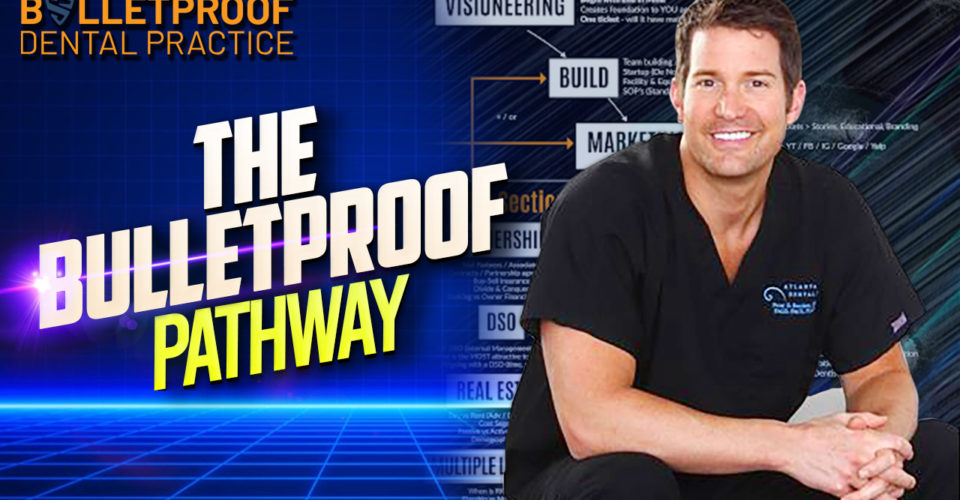






3 Biggest Bottlenecks of an Entrepreneurial Dentist: PART 2 with Perrin DesPortes of TUSK Partners