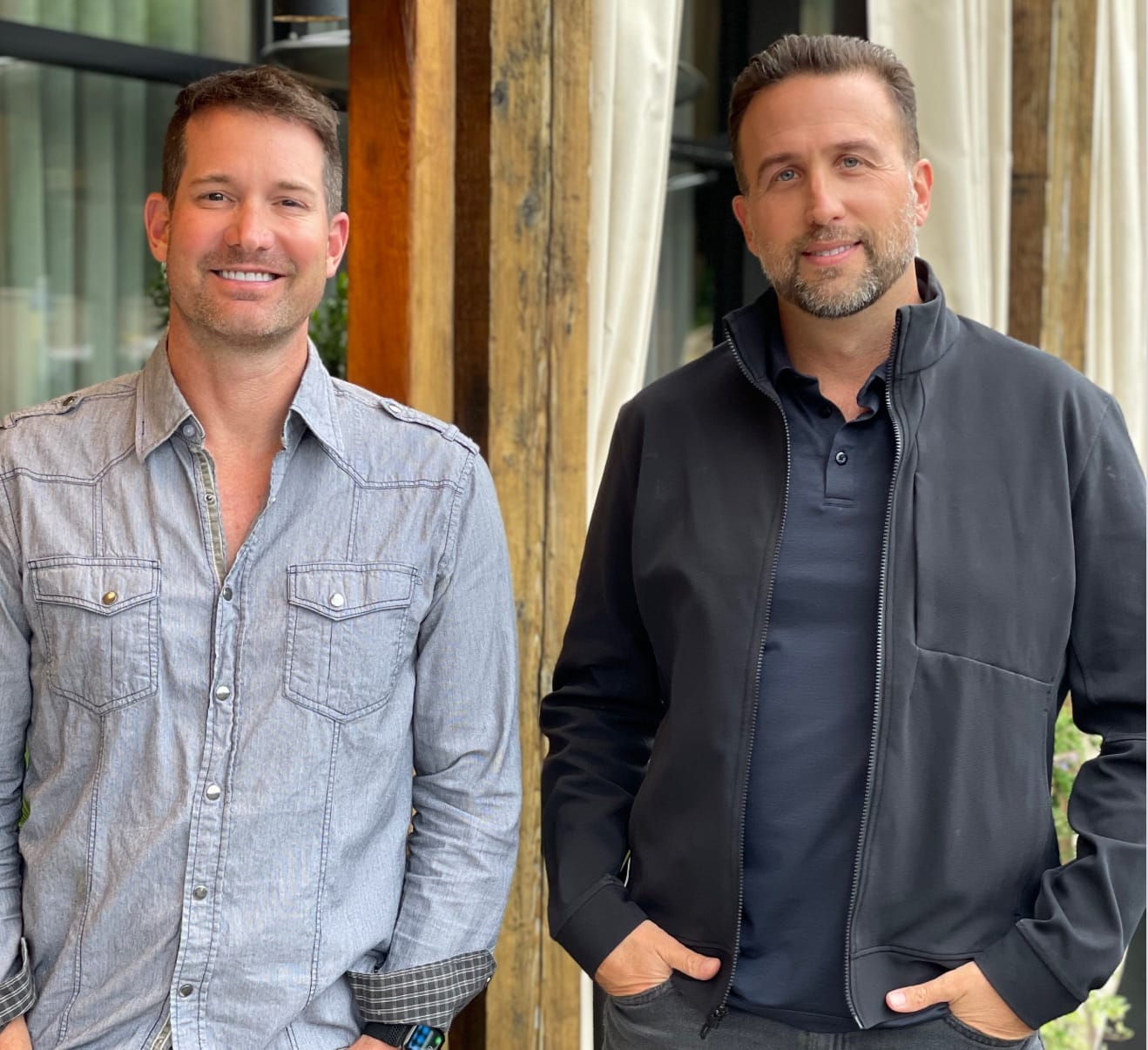
Leadership Development with Brittany Simon of Bulletproof Hygiene
Join our network at www.Bulletproof.Dental to stay in the know on all things Bulletproof!
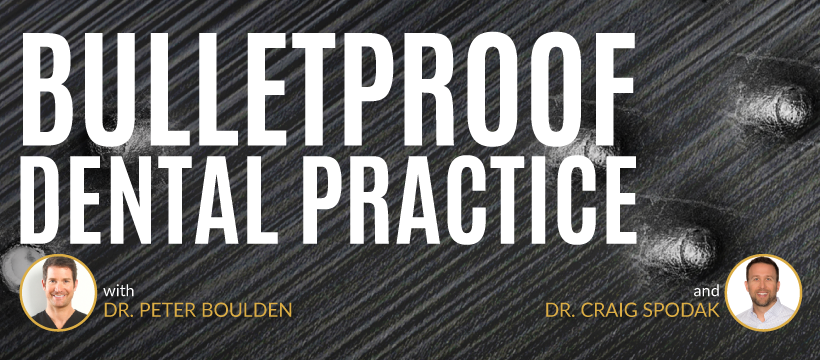
Bulletproof Dental Practice Podcast Episode 228
Hosts: Dr. Craig Spodak
Guest: Brittany Simon
Key Takeaways:
Introduction
2018 Transition
Trust And Autonomy
Resilience
References:
Mighty Networks: Bulletproof Hygiene
Mighty Networks: Bulletproof Dental Practice
Bulletproof Hygiene: The Guide For Finding Fulfillment Through Purposeful, Profitable Hygiene
Tweetables:
It’s when things are most scary that magic can happen, if you allow it. Dr. Craig Spodak
No one can do it all. Brittany Simon
The hygiene department is the lifeblood of the practice. Dr. Craig Spodak
Humans— we’re all capable. Brittany Simon
We try to overprocess people. Dr. Craig Spodak
It’s really important to create a culture that speaks for itself. Dr. Craig Spodak
All you really need in life are just micro-movements. Dr. Craig Spodak
Full Episode Transcript
Below is the complete transcript of this episode of the Bulletproof Dental Practice podcast. Prefer to listen? Find us on Apple Podcasts, Spotify, and YouTube.
Read the full transcript
The following transcription was from the Bulletproof Youtube channel. Here is the https://www.youtube.com/watch?v=yT1ivBFteiM
Craig Spodak
0:00:00
All right, everybody, and welcome back to another episode of the Bulletproof Dental Practice Podcast. This is an interesting one. This is an inaugural. An inaugural? An inaugural podcast because we have this really new fancy equipment which allows us to be in person.
Brittany Simon
0:00:31
Yes.
Craig Spodak
0:00:32
So, we have this equipment. We're in my office and thanks to Dr. Bart Santos, by the way, for telling us to buy all this wonderful equipment. It works really well. And it allows us to have an in-person podcast, which we've never really been able to do. It's always through Zoom and we have different microphones. We're in different spaces. So, this is really cool. So, it had to be Britney style. I'm very lucky to have Britney Simon, our hygienist, our hygiene lead and part of the Bulletproof hygiene team with me today. And in true Britney style, she bought this beautiful bottle of Cabernet, very, very expensive bottle of Cabernet. And I had to rush over and get these glasses here because patients.
Brittany Simon
0:01:11
Because patients.
Craig Spodak
0:01:12
Because patients.
Brittany Simon
0:01:13
That's why we drink.
Craig Spodak
0:01:14
Why do you drink? I don't know. Because patients are gone or because patients are beautiful.
Brittany Simon
0:01:17
Patients are beautiful.
Brittany Simon
0:01:18
They're wonderful. We love them. Yeah.
Craig Spodak
0:01:21
So we drink. So I have a bottle of scotch here and we're going to come to you today because we want to talk about leadership development. And also in true Brittany's fashion, it was about 3 o'clock today and she came over to me and she said, hey, what's the agenda for today? What are we going to talk about? I'm like, you know, we're just going to talk about us and how we've developed along and blah, blah, blah. I start talking and I see her typing away. I figure you're surfing, like looking at Instagram or something like that. And at 5 o'clock, literally 20 minutes ago, she's like, should I print the agenda? I'm like, agenda, Brit?
Craig Spodak
0:01:52
What agenda?
Brittany Simon
0:01:53
What agenda?
Craig Spodak
0:01:54
And sure enough, for those that are actually watching right now, there's a one-page, bold and indented, beautiful agenda. It's just a testament to who you are and how when a person like me and a person like you get together, it's amazing, magic can happen.
Brittany Simon
0:02:10
It's true, it's true. And you knew that I would bring an agenda.
Craig Spodak
0:02:13
I did not know that.
Brittany Simon
0:02:14
Are you surprised?
Craig Spodak
0:02:15
I am very surprised.
Craig Spodak
0:02:16
Are you?
Craig Spodak
0:02:17
I mean, I just, I don't know. I've not been on your podcast and I know what level of preparation goes into it.
Brittany Simon
0:02:22
Oh, it's usually like 10 pages.
Craig Spodak
0:02:24
Oh my God, that's amazing. But this is okay. Yeah, Peter and I never have this. So I just wanted to talk about, because I hear, you know, we had a guest today from Maryland coming in, a dentist from Maryland, he's part of our mastermind. And he said to me, he's like, you're so blessed, you're so lucky you have all these amazing people. And you're just really lucky. And we know, because magic is hard work, we know that it wasn't just luck, it was a lot of effort and time and energy that came into our relationship to make it as special as it is right now.
Craig Spodak
0:02:55
Right.
Craig Spodak
0:02:56
So, I wanted to talk to you about the life cycle of how we came to be.
Brittany Simon
0:03:00
Yeah. So, I think that one of the most important things to kind of reflect on is that a lot of good things for us in our practice came out of some really shitty situations and some really hard things that definitely at the time didn't feel like opportunities. It didn't feel good. It just felt like we were about to crash and burn. And I know for you were probably really scary moments as a dock owner. And I wouldn't have wanted to be like in your shoes at those times, but I am really thankful that you chose to grow and lead and kind of like, even though it was really scary time and a time when you could have like turned and run for the hills if you really wanted to, like you did it and you just kind of like stepped up and chose to learn and chose to like grow through it, you know. So kudos to you first and foremost. But I think that one of the major things or one of the major initiating points of our like our strong relationship in the way that it is now is like the 2018 exodus of our highest producing hygienist. Oh yeah. And it was a huge transition. There was a lot of, it wasn't a pretty transition.
Craig Spodak
0:04:02
No, it was very hectic.
Craig Spodak
0:04:03
Yeah.
Craig Spodak
0:04:04
And at that point, I mean, I'm happy that you thought about that, said that because it was in moments of sheer terror that, that, uh, you know, we, we, I couldn't see a way through it. I was super scared. And when, when a doctor, when the leader or the owner of the organization gets scared, they usually revert to control and they try to control the situation. This situation was uncontrollable. We had our highest producing hygienist, the one who literally did 60, 70% of more than anybody else, decided to leave very abruptly. She was the lead. I'm using air quotes for those who can't see. It was very scary. It wasn't really, we had no way through. We didn't know how it was going to work out. That's a great point to say that when people, when things are most scary, that's when the magic can happen if you allow it to.
Brittany Simon
0:04:55
It creates space for something else. Sometimes I think in the absence in a void, it can be filled with something worse. It can be filled with something better. If there's intention behind it or it's designed to make things better, then it can really go in the right direction. I think that to your point of docs and people who have a lot to lose in a situation like that. Like, obviously you have a ton to lose, right? Like not just did you lose the highest producing hygienist, but you lost our then leader in air quotes or not, like the person who was then leading the hygiene department. So then what did that leave? It left the void of leadership in the hygiene department. So you or someone else had to step into that and it left the production and collection void. So that's huge. That's a, that's a big deal. You know, it's a really big deal.
Craig Spodak
0:05:37
And the knee-jerk reaction is to micromanage.
Craig Spodak
0:05:39
Right.
Craig Spodak
0:05:40
So what we wanted to talk about today is that it takes the, you have to shift in your consciousness for the owner of the business, we'll call that the leader, and the team member. So there requires a shift on both ways. So when the shit hits the fan and everybody's freaking
Brittany Simon
0:05:54
out, the leader's going to come down and micromanage because you're scared.
Craig Spodak
0:05:57
Right.
Craig Spodak
0:05:57
And you're fearful. And when you micromanage, the team member's like, what the hell, this person doesn't trust me. So it's a death spiral if it doesn't get fixed. And I remember early on, like, some iterations of me trying to micromanage you, like, with the lip balm. And Brittany and I, for those of you who are familiar with culture index, it's something we use in our office to understand each other's emotional temperament and our strengths and weaknesses. And one of the things that Brittany and I have both in common is we're both very emotive, emotional people. We wear our hearts on our sleeve. Our feathers can get easily ruffled. We're not logical. We approach the world in how it feels. I would come into Brittany's room and be like, hey, the lip balm, get the lip balm. I was so scared and out of control that I thought with the leadership of the practice going away in the hygiene department, I've got to come in and sweep in and micromanage everybody. I don't trust her. And it's a bad cycle. And we just maneuvered through it because we had the type of relationship where you could actually come to me and say, hey, Dr. C, when you do that to me, it makes me feel like blah, blah, blah. And I could see how that could manifest as a problem, and we worked through that. And from that, I think it was like there was – there might have been a conversation, I can't even remember, but maybe there was a conversation where I actually kind of laid it all out. I don't know. How did you wind up taking the lead of hygiene?
Brittany Simon
0:07:18
I think that I just started doing some things. And then the hygiene team took a vote. And I was already doing some things. So they were just like, oh yeah, Britt's already doing it. She can just have it. Like, roll with that. Do your thing.
Brittany Simon
0:07:28
Yeah.
Brittany Simon
0:07:29
And that's often how it is.
Craig Spodak
0:07:30
It's never voted.
Brittany Simon
0:07:31
It's appointed.
Craig Spodak
0:07:32
It's chosen as a leader.
Craig Spodak
0:07:33
Yeah. So you start stepping up. You say, give me some freedom. I got this. I step back. I give you some space. You fill the space.
Brittany Simon
0:07:43
Not even that at first. I think at first there was, okay, you feel a loss of control and then you micromanage. And then we had to talk about the lip balm and you're very receptive. And I think that that's a key point is like you're fearful but still receptive to me saying like, hey, you're really crushing me here. Like I know I feel I feel that you don't trust me. I feel insulted. Of course, I'm putting lip balm on the patient. It's a small thing
Craig Spodak
0:08:03
It's looking back. It's really embarrassing by the way for me There's so much shit that goes on yeah, right like I'm picking on lip balm, right? I think you fucking kidding right like I'm running the whole department
Brittany Simon
0:08:12
Well the way of course that it makes anyone feel or me feel is like Okay, you put the lip balm on like it's like a doc when they come in and like check my perio chart or something or Like they come check for calculus or something like I was just scared that the experience would go away.
Craig Spodak
0:08:27
Of course, it was coming from a place of fear. The doctors that are out there were just scared. Yeah, we don't, you know, we go through four years of schooling. We know everything about how to cut a crown prep. We learn shit tons of medical stuff that we'll never use again. Like, you know, if your patient comes with a gunshot and their hand is like this, I'm a fricking dentist. When someone come in, they come with a gunshot. I'm sitting in the ER, but legit, that's what they talk to us in dental school. Wow. So, but they give us no business management, no other way of navigating, you know, teams and development. So it's just scary. And we don't know what we're doing. And that fear translates into, I don't trust, I'm scared. Right. And then the team's like, this doctor's crushing me. Right. What is he doing?
Craig Spodak
0:09:05
Or is she doing? Right.
Craig Spodak
0:09:05
And so I just am really proud of our relationship because that was a first shift. The first shift was like, okay, you're taking it. You, you made a decision for yourself. Like, shit, I'm here anyway. Let me just step up and start making things better. I know how to make it better. You knew it intuitively.
Craig Spodak
0:09:20
Yeah, I did.
Craig Spodak
0:09:21
So you gave yourself the permission somehow to say, I'm just gonna start doing this stuff. And I maybe was distracted or I'm like, this person has some growth opportunity or something like that. But then it started this inertia of you just getting shit done.
Brittany Simon
0:09:37
And then it was undeniable. Yeah. What you were doing. Yeah. And at first, honestly, for me, it was a little selfish because I felt like there was so much missing in our department and I didn't have room or space to express that or to start implementing any of my thoughts or ideas. And that was across the board, I think. I think that the leadership that we had before was very stifling and it was very, you know, one way and very minimizing of other people's ideas at times. And it was like, you know, the consensus of the hygiene team was very much that at the time. So I definitely felt that way. So when, you know, a person left, and I just saw that there was space for me to make things better for at least myself and in the ways that I saw could be better, you know, could benefit everyone across the board, I just started doing that. And one of the things was making actual agendas for our hygiene team meetings and kind of like, what's the old business, what's the new business, like what's the protocol for making sure we're following up on this stuff? Because we would have a lot of meetings, you know, prior to me kind of stepping into that leadership role, but I didn't feel that they were very fruitful. Like, it was kind of like, why are we spending two hours after work if we're all gonna be here and invest our time, like we're all willing to do that, but to what avail? You know, if it's to no avail, then it's not worth it for anyone, for us or the practice. So started just being a little more intentional about the running the meetings and scheduling the meetings and giving people notice to because people would always come to the meetings with the same complaints like, oh, there's no there's no food. We're hungry. You know, we didn't know this meeting was happening until yesterday. And we don't even know why we're here. Like it's just a gossip session or it's just a bit. Yeah. It didn't have a direction. You know, so that was one thing that, like, I think started really changing because that was like, what are our current challenges? What are our pain points kind of thing? And we started addressing those in our meetings, and then it kind of like spiraled and snowballed from there. And from there came the new SOP, from there came more calibration, from there came collaboration with the periodontist, from there came quarterly reviews and socials and all of the things, you know, because those were, those for me personally were missing. And this is a place where all of that is possible.
Craig Spodak
0:11:33
So it was- Right, what a shame, what a travesty.
Brittany Simon
0:11:35
Exactly.
Craig Spodak
0:11:36
So like, for me, that's what I want. Like if you gave me a magic wand, I'd want what you created. But I just don't know how to do it. And I'm so low detail. Like one thing about our different personalities, like I love moving ahead, I love winning, I love being with people, but I'm super fast-paced and super low detail. So even this agenda that came from this, it was like a five-minute brain dump. You're like, what are we gonna talk about? And I literally just talked. And you're typing away. And then this manifested from this amazing agenda, which we probably won't even follow.
Brittany Simon
0:12:07
Which we're currently not following.
Craig Spodak
0:12:08
We're currently not following,
Craig Spodak
0:12:09
but it's just amazing that the alignment from what I wanted for you guys and what you created are exactly alike. And it's just, what a relief to me as a leader of the organization that I don't have to be the guy that does it. And I don't want to be the guy that does it.
Brittany Simon
0:12:24
And you shouldn't have to be, and no one can do it all.
Craig Spodak
0:12:26
Right. And it's also just not, I'd rather you express your own vision for the hygiene department, which you have so beautifully. And we have such a high engagement, loving, amazing hygiene department. It's an amazing thing. If we really think about, you know, a dental practice, I know there's a lot of disparaging comments that are coming out on the Facebook chats and stuff like that, where people are hitting on their hygienist because, you know, all this stuff going on, whatever, there's like a big rift in dentistry. And I just want to push it forward that the hygiene department is the life of the practice, it's the lifeblood. And Peter and I always say that. So it runs so incredibly well, we have no shortage of hygienists that want to work here. I am not in charge of hiring them because we all know the last time I hired one, you know, that girl got, you know, arrested and all that stuff. So I just, I don't, I am not good at everything. I realized that I shouldn't be in everything, and it's such a beautiful feeling for me to allow people a space so that people like you can step up and fill in, and it's always what I wanted. But how interesting, the process was corrupted by my fear and insecurity. So it's like any other relationship. I mean I want to just draw the parallel, like when you're in a romantic relationship, for example. At first it's like, okay, can I trust this person? You know, what is this person gonna do? And then sometimes you can just self-sabotage, like, I don't know, for your own shit.
Craig Spodak
0:13:42
Right.
Craig Spodak
0:13:43
So it's the same thing in a work relationship, you know, like, I'm nervous about what you can do. I don't give you the space. I'm crushing you. And you get pissed off and you leave. Right. Or, like, we can talk this through and you can step through it. It's just really cool.
Craig Spodak
0:13:55
Yeah.
Craig Spodak
0:13:56
Okay, stop what you're doing. The Bulletproof Summit is coming at you June 3rd and 4th at the Grand Hyatt in Nashville. The Grand Hyatt is located in the Gulch, which as most of you know is the best area of NashVegas. So we'll be featuring new, never done before bulletproof tracks for doctors, team, and hygienists. There's going to be some VIP tickets available, but book by May 2nd and you can receive some group discounts for your team. tickets. Tickets are already half gone for this event and it will sell out like all previous years. This is the biggest no-brainer in dentistry. If you want to elevate yourself, your team, and your practice, check it out. Bulletproofsummit.com. I'll see you there.
Brittany Simon
0:14:39
One thing that I want to ask you is if you, you know, clearly you had a vision for the hygiene department, but if you thought, from your view and everyone's view, like it was going really well before our leader left. What did you, did you ever imagine our hygiene department looking like it does now and running like it does now? Like in your vision, is this what you saw or were you not sure what you wanted this to look like until you saw it happening?
Craig Spodak
0:15:07
So I am a visual person. I have like, I have really good visionary capability. So I can imagine the chocolate cake. I can imagine what it looks like and how it feels and what it's going to be like, but building the chocolate cake, how much eggs and sugar, I can't do that. I don't have the capability to do that. It drives me batty. So the funny thing, when I started realizing this is well beyond me, is when I go to you periodically and be like, hey, we should do this. You're like, what the hell? We've been doing that for like three years. And I started feeling like Dr. Evil, you know, he's throwing me a bone, I've been frozen for 30 years. And it would be like, hey, Brett, we should do this, but we have like a 20-page SOP on that, you wanna read it? I'm like, no, because I don't have the capability and the brain power and the patience to do that. But yes, the feeling of what our hygienists have, the camaraderie, the support network, the mutual lifting up and fellowship that the hygiene department has, it's exactly what I wanted. I just didn't know how to build it. But if I could describe the feeling, you could have met me 10 years ago, like even in my vision I would have said it's a group of mutually supportive people that are trying to grow each other and trying to bring out the very best that they can. So I knew I wanted that feeling, I just didn't know how much eggs and sugar it would take to make it.
Brittany Simon
0:16:20
Yeah. And I think that there's a couple of pieces that might be missing from a lot of practices and one of the pieces is like being able to see what's possible like and maybe seeing a practice running well and optimally and like thinking to themselves like oh I don't think that's possible that's in the realm of reality you know I knew it was possible yeah I
Craig Spodak
0:16:39
just knew it like in my heart because I'm like okay you go to the Apple store and people are engaged at Starbucks and people are engaged you go to these restaurants and people are engaged and the team really cares about it. We're changing lives. I mean, no, I'm not trying to, you know, throw shade on Starbucks or Apple store, but the Starbucks Frappuccino is not really a good thing for you per se. No offense, it's just high sugar. It's not gonna enrich your life. But like what we're doing is life changing. You're helping people become more healthy. We're taking people out of pain. We're doing transformational work. So why is it that they can create such high levels of engagement, but dentistry can't. So dentistry, I just saw dentistry was broken. So my whole mantra in 2008 when I started writing the visions down, my vision for the practice is we want to revolutionize the practice of dentistry. I said I'll revolutionize it in this box, but I always knew that it'll spill over and we'll be doing this type of stuff and we'll be on the airwaves and trying to revolutionize it for other people. I just knew that was going to happen. I just didn't know how to get there.
Craig Spodak
0:17:38
Yeah.
Brittany Simon
0:17:39
I could see all those wheels turning in your head at the same time. Yeah.
Craig Spodak
0:17:43
I can imagine that. Yeah. So yes, you created exactly what I thought could be done. Exactly. Yeah. Because we're so linked together, we work together every day, you know who I am and how we want to be and we share the same ideas for what dentistry can be. So it was great. You just built it all. You built it underneath that framework, which is so cool. Right. It's really possibly one of the most proud things that I've accomplished. Money comes and goes. Unfortunately, we're all doing really well. But when I walk around these halls, it just fills me with such joy. Dr. Mike was here today, the guy visiting from Maryland. He's like, you are so blessed. You are so blessed. I'm like, I know I am, but it was a very intentional thing, and the magic that we created is really hard work. I saw Janet Taylor walking out with a patient. She's like kind of touching her on the shoulder and they're giggling and they're looking at stuff. I'm like, I just love that shit. I love human connection. I love this little box that we created that's a social experiment for how to just all get along really well and just focus on doing good for people. What an experiment.
Brittany Simon
0:18:43
Such an experience.
Craig Spodak
0:18:44
A beautiful experiment. Yeah. It's the thing that I'm most proud of and that, you know, on the days that I'm not even working, you know, I want to be here. And I want to be here, you know, drinking scotch and wine and helping other people right now too.
Brittany Simon
0:18:54
Exactly.
Craig Spodak
0:18:55
We're combining all of our interests.
Brittany Simon
0:18:56
And you are, on your days, air quotes off.
Craig Spodak
0:18:59
Yeah.
Craig Spodak
0:19:00
So let's get back to the agenda, Brit, since we have this.
Craig Spodak
0:19:03
So I think here is a good point.
Brittany Simon
0:19:05
So people running their own lives at home and then coming to work and like asking permission to use the bathroom kind of thing. Yes, I love that idea.
Craig Spodak
0:19:12
I don't know.
Brittany Simon
0:19:13
I think, and I've seen in so many different workplaces, and not so much here, a little more when I was new, in the early years, like 14, 15, 16, when things were really ramping up and no one really knew what we were doing, because this is a whole experiment. It is. It's a multi-specialty giant experiment. Yeah, experiment box is a great term for it. But I think that it's so interesting how just in the workplace in general, you know, humans, as much as I think that a lot of people beg to differ with the statement, we're all capable. You know, we go home and we run our daily lives, like some a lot better and maybe a lot more functional and in a healthier way than others, you know, and depending on how you measure success, like maybe some more successfully than others, but we all go home, you know, we have kids, we pay bills, we keep our things in order, we make our daily lives work for us, right? And then we come to work and switch our brains off and let someone else tell us like, okay, what we should say and do and how we should say it and when we can use the bathroom and when I can take a lunch and when I can look at my phone to call my kid at work if they're sick or kid at work, kid at school and see if they're sick or whatever. And I just think that's so interesting how it's almost like there's this culturally, there's this cultural thing where like we're trained to come to work, switch our brains off, and let someone else do the thinking for us. From a boss standpoint and from an employee standpoint, everyone is okay with this. Whatever this process or this…
Craig Spodak
0:20:38
We all drink that Kool-Aid.
Brittany Simon
0:20:39
We all drink the Kool-Aid. I'm not sure how and when and why and the evolution of all of that and how far back that that goes. I think that a lot of it is just control-based. Humans like to have control. So, oh, this is the control person. This is the people under the control person, you know, controlling these other people and managing these other people and like whatever.
Craig Spodak
0:20:56
It's not working though. It's not. It's not working. So, it worked really well, I believe, in the Industrial Revolution when I was the boss and I paid you to put like a nut on a screw and screw it and then move to the next thing. Right. It was time on task. You were a factory worker. And if we really think about it, like education is based on like the factory worker as well. It's time task. You got to bail, you got to do this quiz. I mean, why are we memorizing the Crimean War when we have Google in our pocket? Why are we doing memorization? I'll have calculators right at our fingertips. So education's broken, and I don't want to get too tangential, but work is definitely broken. Work is saying, leave most of the human at home. Just bring the process, the robot. And people get really frustrated because they're like, why don't people just do what I tell them to do? You don't want people doing what you tell them to do. And I think in dentistry, we try to over process people. Like there's so many consulting companies out there. Like here's the five steps that your employees have to follow when making a new appointment. Like, you'll sound like a fricking robot. You know, like when you talk to like some customer support centers in foreign countries, like, hey, you know, they take you through a process. It's so annoying. And I really think that with what we do in dentistry, people can't perceive our qualities. We always talk about they can only perceive how we all, you know, the perception of how we all get along and how we're working together as a team and the human aspects of it. So when you turn that stuff on, I think you get a more successful practice, you get a more engaged team member, and frankly speaking, you have a more successful organization because I don't want to do the thinking for you. I don't know what to, I don't even know what the problems you're facing are.
Brittany Simon
0:22:25
Right, well, and you cannot physically do all that thinking. Like you can't be with all the hygienists all the time thinking for them and telling them what to do and how to talk to the patient and to put the lip on. You can't you can't physically do it. So at some point there's got to be trust in our economy. Yeah. At which point breaks is what happened.
Craig Spodak
0:22:40
Right. You have one hygienist and you have two and three and that just breaks.
Brittany Simon
0:22:43
Right. And on the you know, the employment or like the stakeholder side of things like it is not at all fulfilling to come to a workplace where I step through the door and turn my brain off and become a robot. Not at all fulfilling, not happy there. You know, this is like the mentality that like I can't wait to retire kind of thing like, oh God, retirement, that's going to be bliss. I can't wait to like be my own person and be outside of these walls and blah, blah, blah. And this feels like a cage kind of thing. Like when there is room to grow and evolve, when there's autonomy, when I can think for myself, when I can turn my brain on, when I walk through the door and get excited about what we're going to create today and I understand the purpose and where we're going as like collectively as a practice, it excites me and creates fulfillment and it creates like I want to do this. And also knowing that you, the practice owner, you are fully engaged and fully, you fully buy into where we're going. You know where we're going and you believe it a hundred percent and I can see that clearly like I'm ready to jump on board and then you give me the freedom in the space to do that like great all day long the paradox though
Craig Spodak
0:23:47
and I keep coming back to it and the unfortunate it's like a travesty is that dentists actually want that they want that with their teams but they're just scared shitless and they can't like let go of it so they control people they micromanage them then microprocess them. Like there doesn't need to be a process for every single thing. And I just love turning people's brains back on. So early on in development, like I'm working with Anne today, Anne hasn't worked clinically with me in a while, and I'm just like, Anne, I want you to think about everything. I want you to see the patient. I want you to give me your opinion as to what we think we should do with the patient. I don't really want a dental assistant. I want another dentist next to me. I love that. And I would love, like Michelle, like we love Michelle. Michelle just, you know, she really started thinking about like each patient. So she'd come to me and be like, we have a patient in room two. And I'm like, what's going on? And she would look at me at the beginning, like, I don't know, they're here for whatever. And I'm like, don't ever do that with me, like find out. And now she loves it. Right. She doesn't need to work. Right. You know, she had her baby and she, but she comes back to work because she's really into it. Now she's like, this person should have this and that. And they can actually, I'm using a bad word, but sell treatment because they believe in what they're doing. Right. She can see the bite, she can see the fremitus, she can see why it's all needed to be done. Or Janet Taylor or any of our people or you, I mean, we believe in what we're doing and even if it made us no money, the treatment we recommend would still be recommended.
Craig Spodak
0:25:06
Right.
Craig Spodak
0:25:07
And that's a really cool place. Right. And it's alignment and we all have, you know, different personalities, you know, we're a work personality or a home personality. And it's a beautiful thing when you can start consolidating all of your identities and have an integrity and be the same person at work that you are at home and you have the freedom to express who you really are. It's a really, I mean, I know we're getting all woo-woo here, but it's a really magical feeling.
Brittany Simon
0:25:29
Right.
Craig Spodak
0:25:29
It really is.
Brittany Simon
0:25:30
It's life happening at all times instead of like your work-life balance type of thing. Or. It's like, oh, you're just living.
Craig Spodak
0:25:37
Right.
Brittany Simon
0:25:37
You live at work and then you live at home and then you live at your kids recital. And then, you know, like you're living all the time.
Craig Spodak
0:25:43
Exactly. You're in the moment, you're present. And it's not that bullshit of like, oh, when I retire and that, and they think that's a big thing too, like you got to find meaning in work. And for those that have the ability to find meaning in work, you are so freaking blessed.
Brittany Simon
0:25:57
Yeah.
Craig Spodak
0:25:57
You're so blessed because when work is not treacherous and difficult, you don't really have to work.
Brittany Simon
0:26:03
Right.
Craig Spodak
0:26:03
You know, and then it's not that FML, it's Monday, you know, I can't believe I have to go to work, thank God it's Friday. I mean, granted, we all like Fridays, because work is hard, but it's just good to know that you put in the week and you had a good, you know, got a good time. But yeah, I agree with you.
Brittany Simon
0:26:16
I want to circle back to one thing that I think, I think there's a question maybe from docs about You can get your hygienist to think Differently or like, you know I first of all I want to say like I don't know if you can get anyone to do anything like you can't make anyone Do anything or like strong arm or force anyone in to do anything? But I think that one of the things that has helped me to turn my brain on and things like a practice owner the most Is you? giving me Even just information about where you are as a practice owner Like how the practice is doing what our numbers look like what the goals are and why. Like, I think that there's a disconnect with dentists and hygienists, because one, a lot of us are compensated and I don't wanna get into a whole compensation conversation but like hourly, like not thinking of like the value that we bring to the hour or what that looks like from your standpoint as a practice owner.
Craig Spodak
0:27:10
I think that's a big part of it.
Brittany Simon
0:27:11
There's a loss, there's a disconnect there. Like not understanding why the numbers matter or why they should look a certain way. And like when we start to understand things a little more globally, and maybe everyone doesn't need that level of detail or information, but like I definitely do. And I know that a lot of hygienists are detail oriented. Like that's why we get into things this small, like not everyone, but a lot of us are. But just knowing like what our practice stats are and like what my compensation model looks like and why and how that impacts the practice.
Craig Spodak
0:27:39
Like that makes me…
Craig Spodak
0:27:40
I think it's fundamental though. I mean, I know you said you don't want to get into a compensation conversation, but I think that's fundamental. Compensation drives behavior. Yeah. And not that to say people are money hungry, but it's a way of keeping score. Not everybody brings the same talent to every hour. Right. You know, like humans are wired for improvement. Right. You know, in the wild, we'll stockpile, you know, we will try to improve our surroundings. We'll do better. That's just what we do. We're wired for that. So to put a human being in a workplace where it doesn't matter what you bring to the hour, you get the same result every single time, that just goes against human nature. Human nature, we're wired for improvement. We want to just improve, always. I mean, that's why we paint the walls of the Sistine Chapel. It's the only, you know, we're just, we want to make our situation better. So I think when you talk about an hourly employee, it is actually going against the very fabric of what a human being is in its essence, is someone who wants to improve their surroundings. And there has to be some sort of meritocracy. So I think we need to jump into that. It was amazingly apparent to me that all of the hygienists should be on that compensation package that functions as a percentage of their collections. I did it wrong. I forced it on people. My prior self was just, I guess, full of piss and vinegar. I just wanted to jam it down everybody. Like, this is what you're gonna do. It's gonna be great, come on. And it actually pissed some people off. We lost Ashley. It was awesome. I loved Ashley, but it was just done improperly. And then also the boss going through that distinction of you're gonna go on compensation. It's like, okay, what's this all about? It's different when the hygienist is like, hey, this is what I make. This is what I do. And then Ashley started out here, you know, Kirstie started out here, this is what they're doing. Then they all want to do it. So I have a unique benefit in that I have an engaged team that does that conversation for me. Because when I think when the boss is saying, like, okay, the boss is trying to screw me over here.
Brittany Simon
0:29:31
What is it? Right, but then I come and advocate for what I've had over the last seven years. Like, you're not going to, no one's going to argue with me. Right, of course. I'm like every single month. I have made Significantly more than I would have on an hourly wage always
Craig Spodak
0:29:43
I'll be always on collections, but but you're you have a unique purview to say that and it just lands on them differently, right? So I think it's really important that you know You create a culture that could speak for itself because you know There's not a lot of trust to a new employee and that's why we also have Amazing hygienists and we never have a shortage of employees. You know, so like that's why you got Shay, Shay got Jenny, Jenny got Isadora, Isadora got, you know, it's like it's, it creates its own thing. We don't have all the challenges that everybody has in the, in the dental world are like, you know, hygienist want too much money and we can't get them to work for us. They don't appreciate anything. We don't have any of those problems, thank God. Yeah. Because of the culture and the leadership that you've built. Yeah.
Brittany Simon
0:30:22
So it's really, really cool. All of that is them versus us. All of that is that misunderstanding. And like, we're just hitting a wall on both sides. Like there's just like lack of information and lack of like empathy and lack of like I'm in your shoes and you're in mine kind of thing, you know, even sharing your struggles as a business owner, like your fears, you know, like what I want to it is honestly powerful to be transparent with your team and not in like a woe is me type of way, but in a way that's like, hey, this is the practice stats. I really want to keep the doors open here even, you know what I mean? Like this is something that will impact everyone, our patients, our practice, me, you, like, like, let's think about this a little bit more globally. Like you just being honest about like, uh, uh, Oh my God. Like the profit margin, like years back and being like, Hey, like, it's tight, like we got to change this.
Craig Spodak
0:31:06
Like we were this not for profit.
Brittany Simon
0:31:07
Something.
Brittany Simon
0:31:07
But now we're for profit.
Brittany Simon
0:31:08
So look at that.
Brittany Simon
0:31:09
Like you inform the right people and you want to get involved and make sure that it's all good.
Craig Spodak
0:31:16
It's so funny because when we were in the not-for-profit days my life was so stressful, not only just from the lack of profit, but also just in that I had no help. So it was really, part of me, it was really just a difficult time. And it's just, it's funny because you'll, things get easier and better at the same time. They get harder. Maybe that doesn't make sense. I hope it's, does that make sense to you what I'm saying? It got the function of what I did as a business owner became easier.
Brittany Simon
0:31:45
Like you delegated?
Craig Spodak
0:31:47
Yes, and our results got better.
Brittany Simon
0:31:49
Right, that makes sense.
Craig Spodak
0:31:50
So I was working four times harder, getting four times worse results.
Brittany Simon
0:31:54
Yeah, you did way more with less.
Craig Spodak
0:31:57
Way, way more.
Brittany Simon
0:31:58
Less of your own personal effort and energy.
Craig Spodak
0:32:00
You personally. Like for example, I became the only, one of the only Invisalign providers. We did like, you know, half the cases we did this past year in 2021. So now I've tapered my clinical hours to one day a week. And my fear was like, oh shit, if I only do one day a week, we're not going to do any Invisalign. We did double what we've ever done before. So it's just that space, you know, that, that analogy that we always talk about, like I would pull back, create some space. You'd fill the space or other people would fill the space. And I think there's that measuring moment where you pull back a little further and then you jump even further and then pull back even further and jump even further and I know you're looking, you know where I'm going. With the dread. You know where you're going with this. And I want to go there because here Brittany is completely dialed in our hygiene department. Everything's really going fantastically well. And I'm like, you got to share these secrets, you got to go on the Bulletproof, you got to jump in Bulletproof Hygiene. And that was me, like, literally, you know, I would always jump five feet back from you and you'd come into the five feet, jump five feet back. And I decided to just jump a quarter mile.
Craig Spodak
0:32:58
Come on, come on, do it.
Craig Spodak
0:32:59
Jump in the water.
Craig Spodak
0:33:00
It's great.
Brittany Simon
0:33:01
It's very rude and kind of you.
Craig Spodak
0:33:02
Yeah, so, but I could see it was for your betterment. And I remember it, you know, there was a whole, I think every version of every challenge that we have requires a new version of ourselves. So whether you're on Britney 5.0 or 6.0, I don't even know at this point, but you're meant to evolve. You're meant to do that. And if someone cares for you, they're meant to bring that out of you. And I just remember the conversation is here, in fact, you were sitting here, I was sitting there, but it was like, you know, fuck it, I don't even know if I want to do this. And you're upset and you're emotional about it. I'm like, you know, don't do it. Don't do it if you don't want to. I'm here because I see you capable of doing it. I know you have a valuable voice. Without getting too spiritual, I do believe it's your obligation. If you've struggled, you've worked, you've got to pay it forward and help your other people out. That's true purpose and fulfillment. We have these four walls. We have our social experiment. Whatever we learn, it's incumbent upon us to pay it forward because there's so many freaking people out there, hygienists and dentists alike, that are consulting.
Craig Spodak
0:34:00
They haven't done shit.
Craig Spodak
0:34:01
They haven't done anything.
Brittany Simon
0:34:03
So interesting.
Craig Spodak
0:34:04
It's really interesting. And they're telling you how to do it. And that just really rubs me wrong. Yeah. And I'm always in the podcast, like, calling people out. But it's like, listen, I recognize you don't have to be perfect to teach, but at least have some experience. You can talk about your failures. And I was so proud of you that you decided to, you know, reassemble, you know, to Britney 5.0 or whatever you were at that time and do it. Yeah. And you crushed it. Yeah. I mean, that first bulletproof hygiene summit, you know, right before the world shut down, COVID, like you rocked it. Yeah. Standing room only. And now, look, we got our summit coming up in June in Nashville.
Brittany Simon
0:34:39
And I mean, the hygiene tickets have been sold or like up with the up at the same level as the dentist. Right. Yeah. Yeah. It's incredible what it's become. But like again, that was like, you know, I'm looking from your perspective and like what an interesting view you had at that moment, like seeing me cry and have a meltdown and say, I don't know if I want to do this. And also, you know, for you, I think that you knew a little bit that it was an identity crisis for me too. And it was a little, it was very much about like, am I good enough? And am I this person? And can I, you know, be, can I step into these shoes? Can I fill the void? And can I, can I do this? Am I capable, you know, in a lot of different ways. It's the same exact iteration, same conversation that we've been talking about at the exact same time. So when we had the leadership crisis and Jessica left and blah, blah, blah, it's can I fill
Craig Spodak
0:35:21
these shoes? Can I do it? And then it's me too, like can I let go? Are we going to be okay? So someone has to believe. Someone has to believe. Like I have to believe in you and you have to believe in the process as well, but it's trust and it's all this other stuff.
Brittany Simon
0:35:35
It's a lot of trust. And I want to, I've thanked you for this personally many times but like thanks for giving me that space and the opportunity and then seeing me have a meltdown and still giving me more room. I'm thankful that you're an L of one and you speak that language so many times. Yeah, Peter would be done with you. Yeah, no, he'd be like bye. You're not the one. You're not the one.
Craig Spodak
0:35:54
You're not the one. You're not the one for this. But it is true. It's and I think part of it too was that actually when you had that mini breakdown, and I don't, breakdowns never bother me. No. You know, I always think of it like the vase cracks.
Brittany Simon
0:36:07
Yes, exactly.
Craig Spodak
0:36:08
But when the vase cracks, obviously water can leak out, but light can come in. Right. And it's the light that transform us, and all of us are cracking. And if you give it a moment, you know, there's future cracks for us, there's past cracks. We're all cracked. We're all flawed. Yeah. And as soon as you start realizing you have more grace for yourself and understanding for yourself and grace for other people, and then magic shows up. And I do believe at that moment when you were telling me, like, fuck, I don't know if I want to do this, blah, blah, blah. I actually was totally cool with your answer. I really, in past years, I would have challenged you, like, come on, what do you want to do with your life? I would have, like, stung you. I would have, like, punched you, like, jabbed you. And then this was like, you know what? You're awesome where you are. You're doing a great job here. And if you want to stay where you are, that's totally cool. I have no judgment. And it was true. I really meant it. Because if I was bullshitting you, you would have felt it.
Brittany Simon
0:36:57
I would have felt it.
Craig Spodak
0:36:58
And I wasn't. I didn't care. Wherever you were going to be was going to be fine.
Brittany Simon
0:37:01
No, and I know. And I felt supported and loved. And even in that moment, this is a me personally thing, but I think a lot of people may feel this way. Just like, I know in that moment of meltdown and turmoil and like, can I do this I already know? The answer and I already know that like I'm gonna be okay, and I already knew even then that it was yes It was just a moment like old like you've said before like old Brittany had to die and I'm like new Brittany like and it's True like no version so breakdowns before breakthroughs kind of thing the old version has to die all of the best things that have ever Happened in my life have come post-breakdown.
Craig Spodak
0:37:39
Yeah, me too.
Brittany Simon
0:37:40
All of the best things. Yeah. Whether it's like a breakup, a severing of this relationship, a loss of something, a resource, an asset, a COVID, something. It's all like part of the evolution process. And I think what our breakdowns individually look like are different, but if we allow them and see what are my fears here and address and step through and forward instead of like trying go around you know and avoid something there.
Craig Spodak
0:38:06
Or the shame of the breakdown.
Brittany Simon
0:38:07
Or the shame of the breakdown.
Craig Spodak
0:38:08
Because you're like why am I crashing?
Craig Spodak
0:38:09
Exactly. Look at Sally over there. She's kick-ass at everything. Yeah.
Brittany Simon
0:38:13
And why is it so easy for Dr. Jones?
Craig Spodak
0:38:14
Right. So I think that the suffering that we actually go through is cruel and unusual because we believe as human beings we're the only ones going through it.
Brittany Simon
0:38:22
I agree with that.
Craig Spodak
0:38:23
That's the shitty part. You're like why is it so hard for me? No, it's hard for everyone. It's hard for everyone. And at 50 years old, I have such a unique perspective because I have so many amazing, iconic friends. I have so many good people in my life and I get to share these conversations. Like even you, John, you're a freaking billionaire. What are you worried about? He's like, no, no, no, I have these moments. Yeah. I'm like, oh, damn, everybody has them. So I mean, if I can impart that to you early because, you know, you're 20 years behind me, it's just so cool that you can learn that stuff. What an amazing thing for you to know that no matter what pinnacle of success you reach, you're still gonna have your human failings. And that's cool, that's fine.
Brittany Simon
0:39:01
Becoming more and more okay with that. And I think you pointed out recently, like you're noticing a change in my resilience. You're noticing, bouncing back and like rubber band effect a little bit quicker and kind of like, ah, okay, meltdown, all right, let's move forward now.
Brittany Simon
0:39:14
All right, let's move on.
Brittany Simon
0:39:15
Bouncing back really quickly.
Craig Spodak
0:39:16
That's all you can hope for. You can't wish you don't have the breakdown. That's just ridiculous.
Brittany Simon
0:39:22
It's unrealistic.
Craig Spodak
0:39:23
It's gonna happen. Shit's gonna hit the fan. You're gonna turn into like, you're gonna get upset. But if you can start getting resiliency so you bounce back to your normal state quick, that's amazing. Like even Tony said that. Tony said that, like Tony Robbins would tell, oftentimes tell in his seminars, he doesn't have long, he won't suffer long. So he'll go, he knows it's human to suffer, but he'll go through it quickly. So maybe he'll have a 90 second breakdown, versus a 90 day breakdown, when we're inexperienced. Like you just gotta, you know, the emotional elasticity to go back to normal, that's all you can hope for in life. And I try to tell my kids that I'm like I lose my cool. You lose your cool. Just you know get it go through it and get back to normal quick because like the old versions of ourselves something shitty happens and it's two weeks of looking at the world in a shitty way. Yeah. And when you're in a shitty mental space when your mind is in a shitty space you're not resourceful. Yeah you'll you'll go. No you're not. You stay stuck. You're in the downward spiral for sure. And then everything supports that narrative. Yep. My life sucks sucks I can't believe I got a break out and then you make macro movements like, you know, screw this whole dental thing Yeah, I need to go do this. Yeah, I need macro movements when all you really need in life is just micro micro adjustments Yeah, I see people swinging left to right they go. I'm going to California go to New York like no I just kind of you just need to go to Vero. I just need to go like just a small pivot.
Craig Spodak
0:40:49
Yeah.
Craig Spodak
0:40:50
What are you going to title this podcast?
Craig Spodak
0:40:51
A lot of this is called the existential
Brittany Simon
0:40:53
podcast with Craig and Brittany. Yeah.
Craig Spodak
0:40:55
Melting down. I'm on the second glass. I don't know if I like drinking in the
Brittany Simon
0:40:59
podcast. I'm the opposite, by the way.
Craig Spodak
0:41:01
Yeah. Because I I I think people drink so they feel like I do normally. In other words, like I when I drink I get quiet. Oh, okay, okay But I can't have you drink alone. That would be really weird. Yeah, you have a problem You want a little Freud? No, I love my scotch and I'm enjoying the drink It's just the drink plus right the podcast is new for me. I did this once with Peter Yeah, I had one beer with him like I think I'm drunk What else do you have on the agenda?
Craig Spodak
0:41:39
As a leader, I was just talking about,
Brittany Simon
0:41:41
I mean, my perspective as a leader and making sure, like,
Brittany Simon
0:41:45
knowing that you have my best interest at heart,
Brittany Simon
0:41:47
knowing that you believe in me, knowing that you trust me, but we've kind of covered all of that stuff. And then another thing that we've talked about, so taking risk to give someone more space to try something new. And one thing, you know, we can talk about the Parry or Protect example of like you giving me some space to potentially crash and burn. Yeah. You know, that was a hard, that was a hard moment for you because I think you were meeting
Craig Spodak
0:42:06
with a lot of friction. And I didn't want to ease the friction. I wanted you to kind of go through it.
Craig Spodak
0:42:11
Right.
Craig Spodak
0:42:12
Because like you have to break that inertia. I remember you brought up to the doctors. Some people didn't even care and they want to hear about it. Yeah. Yes. And you made me get a consensus.
Brittany Simon
0:42:20
So for the people who didn't want to hear, they gave me no answer. And then the one person who didn't want to hear but didn't want to move forward gave me a lot of answers. Can you give me the initials of that person? No. Come on, why not? Afterwards.
Craig Spodak
0:42:33
It is, isn't it?
Brittany Simon
0:42:34
Yeah, of course.
Craig Spodak
0:42:35
She doesn't listen to us.
Brittany Simon
0:42:36
Okay, okay, okay.
Brittany Simon
0:42:37
Yeah, it was via email.
Craig Spodak
0:42:38
So your prerequisite.
Brittany Simon
0:42:39
Okay, so I went to visit Charissa, my hygiene counterpart, right? With Bulletproof hygiene, you and Bolden set us up on the blind date. I went and visited Teresa. I learned a lot of what she does and how she's so highly productive. And one of the major things that I learned was about carrier protect trays. And then I started really, really diving deep and digging into the research, like the actual research, not just funded, obviously by the company, but like the historic research longterm, whatever. So I did a lot of my own research. I fabricated, I fabricated actually the protocol for Periopertect at Spodak Dental Group and then I emailed that protocol to all of our doctors because I had gone to you initially and said, hey, what would it take for me to bring this to our team? This is, you know, this is what it is. This would be the cost. This would be the benefit. This is how it benefits patients. I went through kind of it with you in a nutshell because I know that you don't like all the details but I went through all of it in a nutshell with you. What would it take to get from this point where we have nothing no one even knows about Prairie Protect to this point when we're like enrolling all these patients in Prairie Protect and everyone agrees and everyone's on the same page. What are the steps in between and you said all the doctors have to agree and want this on board. Wow that was a lofty one. That was pretty lofty. Or like, oh, no, he said all of them, including cab, like including our specialists, like everyone had to agree consensus like that. This was a good thing. So then I had to there was no other way. Like I had to create the protocol. And this is one of the examples of like, wow, a lot of work behind the scenes happened in order for like something good to happen and be running really, really smoothly today at work every single day. You know, like I took a risk by saying like, hey, I'm gonna fabricate this whole protocol and see if anyone even bites, like potentially nothing happens after this. But I fabricated this whole thing, how we scan, the lab process, what the cost is to the practice, who things are posted to, how it benefits the patient, the link for all the research, a bunch of links.
Craig Spodak
0:44:44
You also posted the business sense as well. Yeah. Why is it a good idea for the practice?
Brittany Simon
0:44:49
I did, I did, all the costs.
Craig Spodak
0:44:50
Just like the last course you talked about. You didn't just say, like, hey, I've been here for eight years and I'd really like to have this course. It's going to cost this much money. It would be really nice for me. You like created a business, like a very short, here's what it is, here's why it would be a really good business idea. So I think that's a great piece of information for all those people that are looking for ways to make more money. You got to bring it to a business. It's a business idea. Yeah. And that's what, like, when two people in unrelated businesses get together, they don't say, hey, I'd really like you to pay me more money. Like, here's what I can do for your company. Here's why it's worth it for you to pay me 20% of what I'm going to do, because you're going to make a lot of money too. So kudos to you. But I also knew, like, bringing an idea to a bunch of non-aligned doctors is going to be so difficult for you. If you can get that shit done, you can probably get Paraprotect through. So it's like it's its own natural selection. You can actually do that. So I just know like you can't get that done. Yeah, it wouldn't have you know, so you had to have a certain amount of grit and tenacity to get it accepted. And that grit and tenacity create the momentum to actually implement and get it going. Right. So you're
Brittany Simon
0:45:53
like survival of the fittest. Okay, go. And I did. And then I did. And then I got a lot of some feedback and sometimes zero feedback. And I had to chase those doctors around the practice and tell them as they were walking down the hallway how perioperative protection is good for our practice.
Brittany Simon
0:46:07
And what is the practice?
Craig Spodak
0:46:08
You started doing slideshows. And you did like, you had a really good result before.
Brittany Simon
0:46:11
Oh, right, right.
Craig Spodak
0:46:12
In the huddle.
Craig Spodak
0:46:13
In the huddle, yeah. You're like, hey, this was before, and this was after. That's right. Does anybody see the tissue being healthy?
Brittany Simon
0:46:17
Yes, yes. And I answered, so, yeah, the person who had a lot of questions and a lot of pushback was like, are we gonna do follow-up salivary testing to make sure that it's working? And I'm like, no, because we don't do that after traditional therapy, which is NSPT. Like why would we do it for this therapy? We can see the clinical results. Like there's a period chart for a reason. There's bleeding points for a reason. Like those are the things that we measure. Like that's how we're going to, you know, you're right. Exactly. Well, they are subjective, I guess. Sorry.
Craig Spodak
0:46:39
I'm on my own freaking podcast.
Craig Spodak
0:46:40
The probe is a ruler, Dr. Craig.
Craig Spodak
0:46:41
It's very specific.
Brittany Simon
0:46:42
I know, but you can just push a little harder. You can just over-angulate. Yeah, I'm seeing that. Under-angulate, over-angulate, you can do many things. It is actually objective and subjective.
Craig Spodak
0:46:56
Okay.
Brittany Simon
0:46:57
Okay, so I'm wrong. Beside the point.
Brittany Simon
0:46:59
We digress.
Craig Spodak
0:47:00
Anyway, today, Perry Protect is onboarded.
Brittany Simon
0:47:01
It is. I know we're onboarding.
Craig Spodak
0:47:03
It's here. So, I'll be testing too.
Craig Spodak
0:47:05
Yes.
Brittany Simon
0:47:06
Well, that's already onboarded, actually. It's been onboarded, and the reason I sent the email and the reason I'm interested in taking the Bail Dungeon certification is so that I kind of understand a little bit more comprehensively how and why salivary testing will benefit our patients and how it will lead to higher treatment acceptance and how it will benefit our practice as a whole.
Craig Spodak
0:47:26
And it's also good evidence to show how the therapies that we're doing are effective.
Brittany Simon
0:47:30
A hundred percent.
Craig Spodak
0:47:31
Yeah, for sure. A hundred percent. Because it feels kind of frustrating for some patients who have recurring, you know, periodontal diseases recurring in nature, but not making any progress. Like, I feel like I'm not making any progress, you know, but now you're looking better. And then, oh, look at the bacterial count, look at the type of bacteria that was eradicated.
Brittany Simon
0:47:45
Speaking of objectivity, exactly. That is a very, very measurable way to say like, hey, this is the difference that we've been making. And even recommend specific treatment protocols and systemic antibiotics when that's indicated for like refractory cases and that sort of thing. So it can be a very helpful tool.
Craig Spodak
0:48:00
I mean, look at how much more metrics we're looking at with our bodies. Like, I have the aura ring and people have Fitbit, and at the gyms they have body fat analysis. You just, even if you're not seeing physical progress, at least seeing those numbers and showing that you are making good headway is very rewarding. It's like gamification. Yes. And patients often come in and they just feel like sometimes they're hopeless and not getting any, they can't analyze their own level of care and how they're progressing over time. They just rely upon what you guys are doing. But I do like the idea that like when we're talking like physical fitness and you know fitness tracking I think hygiene the hygienist is like a personal trainer because you know people are not going because they're sick so people are visiting their medical providers because they're sick they're trying to get un-sick and their hygienist relationship is just always focused on getting optimally healthy. So you're doing great you're healthy but there's another level for this healthier. So it's this very interesting, like, coaching relationship, and you kind of bring people along. I love it. I just love hygiene. I think it's a great profession for people to entertain. I think it's just so rewarding. It really is cool. It's very rewarding. And, unfortunately, the narrative is such that, like, you've got to get out of the operatory. I think that's unfortunate because there's so much fulfillment that can be within the walls of your treatment room and all the people you get to serve.
Craig Spodak
0:49:15
It can be.
Brittany Simon
0:49:16
And a lot of it depends on a lot of the things we talked about tonight.
Craig Spodak
0:49:19
The environment, correct.
Craig Spodak
0:49:20
The environment, yeah.
Craig Spodak
0:49:21
Yeah, it's true. It's amazing. We go to different dental offices. Each office is so freaking unique. It's like we're all in different industries.
Craig Spodak
0:49:28
It's amazing.
Craig Spodak
0:49:29
Yeah.
Craig Spodak
0:49:30
What's next on the agenda, Britt?
Brittany Simon
0:49:32
Nothing. We have reached the end. We reached the end. We didn't even drink that much. I think that more drinking is necessary. We're talking too much. Okay, well, we'll stop the recording and we'll pound the rest of it.
Brittany Simon
0:49:40
Exactly.
Craig Spodak
0:49:41
If you want to see what happened with the rest of this thing, comment below. Post-recording.
Craig Spodak
0:49:43
Yeah, post-recording.
Craig Spodak
0:49:44
Exactly. We'll put a picture on it. Hashtag Spodak Shitface.
Brittany Simon
0:49:47
Yeah, exactly.
Brittany Simon
0:49:48
Hashtag.
Craig Spodak
0:49:49
Are you working tomorrow?
Brittany Simon
0:49:50
Not until 10.
Craig Spodak
0:49:51
Okay, that's fine.
Brittany Simon
0:49:52
Yeah, so I've got space.
Craig Spodak
0:49:53
Give me space and autonomy, please.
Brittany Simon
0:49:54
Right, you have it.
Craig Spodak
0:49:55
You have it. Hey, well, Brittany, I really appreciate your being on this inaugural edition of the Headphone Podcast, the in-person headphone podcast. It's very different. I like it.
Brittany Simon
0:50:13
It is. I feel honored to be the first headphone podcaster here.
Craig Spodak
0:50:17
Yeah, and I just want you to know, and I know you know this, but I want to say it again publicly, this place is so much better because of you, and personally, I'm better because of you. And that's a really cool thing to be able to tell somebody. Work doesn't just have to be treachery. Work can be a source of your fulfillment. Work can be a source of your identity. Work can be the place that you serve other people. It can be your spiritual or whatever identity you have. It can be incorporated in that. And if we can create the framework and the space for people to understand that work can be totally different, then we're doing a good thing for dentistry and doing a good thing for people.
Brittany Simon
0:50:50
Thank you for the huge compliment. And I agree 100% with all the latter things that you said and the former things you said
Craig Spodak
0:50:55
actually.
Craig Spodak
0:50:56
Well, cheers Britt.
Brittany Simon
0:50:57
Cheers. Cheers.
Craig Spodak
0:50:58
And with that, we'll end.
Transcribed with Cockatoo
Blog



















1+1=3 The Power Of Alignment and Delegation For You and Your OM with Erika Pusillo
, October 31, 2024











, June 15, 2023
, June 8, 2023
, May 31, 2023




Look at These 3 Stats if You’re Thinking of Going Out of Network with Teresa Duncan
, January 11, 2023
, December 28, 2022

Knowing What You Don’t Want with Judy Kay Mausolf of Culture Camp and Erika Pusillo
, November 30, 2022

Cabo This Week, Immersion Learning, Biggest Breakthroughs, Your Personal KPI is Net Worth
, November 2, 2022
, October 19, 2022





Business is not Productivity, Productivity is not Profitability with Chris Salierno
, September 22, 2021










3 Biggest Bottlenecks of an Entrepreneurial Dentist: PART 2 with Perrin DesPortes of TUSK Partners