Crafting Your Practice with Dave Monahan of Kleer
Join our network at www.Bulletproof.Dental to stay in the know on all things Bulletproof!
Bulletproof Dental Practice Podcast Episode 227
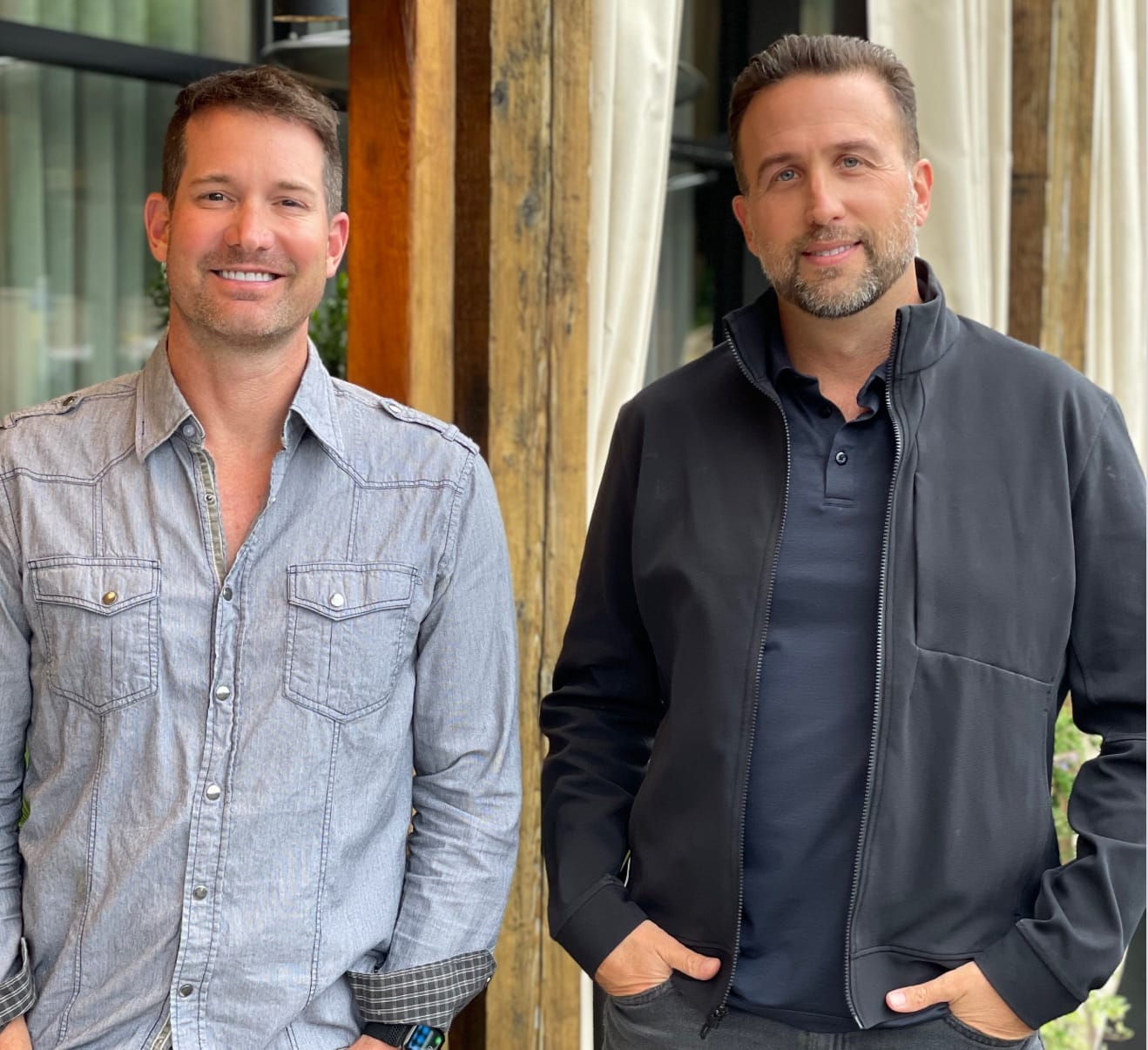
Hosts: Dr. Craig Spodak
Guest: Dave Monahan
Key Takeaways:
Introduction
PPO Performance During COVID
Dentist’s Two Distinct Needs
2 Top Reasons Why Patients Stay Away From Dentists
Trend Of Benefit Trimming
Kleer Versus Uninsured
Kleer Overview
References:
Mighty Networks: Bulletproof Dental Practice
Tweetables:
Know your numbers and know yourself. Dr. Craig Spodak
The positive of insurance is they have coverage and with coverage, they get more care. Dave Monahan
You have power, you’re not powerless. Dr. Craig Spodak
Patients exist in monthly economies. Dr. Craig Spodak
Full Episode Transcript
Below is the complete transcript of this episode of the Bulletproof Dental Practice podcast. Prefer to listen? Find us on Apple Podcasts, Spotify, and YouTube.
Read the full transcript
The following transcription was from the Bulletproof Youtube channel. Here is the https://www.youtube.com/watch?v=9kvEWIoj0qU
Craig Spodak
0:00:00
I know we will. We'll have a hard stop probably before that.
Craig Spodak
0:00:03
Great.
Craig Spodak
0:00:04
Okay, awesome.
Craig Spodak
0:00:04
I'm looking forward to this. I am too. Have you done many podcasts recently? I did an absolute ton during COVID
Dave Monahan
0:00:12
and then it trailed off over the last three or four months.
Craig Spodak
0:00:15
Did you get any good lift from it? We did.
Dave Monahan
0:00:18
During COVID, we were signing up practices like crazy. I bet. The practices I've done, on top of their hands, they also learned all the problems with the shorts at that point, right?
Dave Monahan
0:00:28
So, yeah.
Craig Spodak
0:00:29
Do we have an attribution or a mechanism for attribution for any of this? Are you guys sponsoring? Sorry, I don't know. Do you know?
Dave Monahan
0:00:35
I don't know. I'd have to ask Paige. We can do attribution if we need to. I just don't know if she's doing it for this.
Craig Spodak
0:00:42
Okay. That'd be cool to have a link that we can direct people towards for this.
Dave Monahan
0:00:47
Let me, I'll ask Paige to send something afterwards.
Craig Spodak
0:00:51
Okay, be cool. Okay, sounds good.
Craig Spodak
0:00:53
Okay, great, let's roll.
Craig Spodak
0:00:55
Cool. Hey everybody, and welcome back to another episode of the Bulletproof Dental Practice Podcast. I'm flying solo without my co-host today, but I've got a good friend here, someone I've known a very long time, Dave Monahan from Clear. Good to have you here. Thanks for having me, Craig. I appreciate it. We've known each other for quite some time. I was just reminiscing. I think our first contact, what'd you say, 2016 or so?
Dave Monahan
0:01:19
Yeah, it was. It was just when we were coming up with the idea of Clare. So it was even before we had launched.
Craig Spodak
0:01:24
Oh, that's awesome. Well, in full disclosure, I am a clear user, payer of your services. I do enjoy it. I think it's great. But today is a bigger conversation than just Clare. It's really a subject that I really like to discuss with dentists. It's about insurance and the participation of that, and that really we have freedom to kind of craft our own practices. There's a lot of dialogue, there's a narrative that supports that you're beholden to one type of practice, that you must participate with insurances, and that insurances predicate your future. And if we can leave the viewer with one message today, I would like it to be that you can craft the practice that you wish to have. You don't have to be beholden to any specifics. You can have the practice that you want and make it work for you. And I think CLIR provides a solution for that. But I do want to go into a couple of details if you don't mind. So let's talk about what's changed in the, you know, you're talking about some data that you had analyzing PPO practices. I wanna talk about what's going on in the PPO world. And if anything has sped up or contracted because of COVID, what was the net effect of that? So if you don't mind, speak to that, cause I know you have it.
Dave Monahan
0:02:38
Yeah, it's a great question. So, yeah, a lot of things happened during COVID and, you know, relative to PPO, PPO performance. So a few things, one is on the patient side. So I know, you know, now we're in a pretty good job market, but for a long time, the job market was pretty poor, right? And also jobs have changed, it's sort of been constructed. And so the net was about, prior to COVID, there were about a hundred million people not insured. Now it's anywhere between 120 and 130 million. So it's through all the shuffling of jobs and things like that, less people have access to dental coverage. And so you have more uninsured patients out there to service. And there's a lot we can get into coverage and why you want patients covered versus uninsured, but there's a bigger opportunity to talk to uninsured patients now because of COVID. Maybe more importantly though is obviously, I think everybody knows the cost of providing care has gone up for a variety of reasons, from material costs going up to spacing of patients, right, to COVID protocols and infection control and all that good stuff. And I've heard all kinds of different numbers about costs of running a practice and, you know, how much is going up 10%, 15%. I don't know exactly.
Craig Spodak
0:03:47
Oh, yeah.
Dave Monahan
0:03:47
Yeah. Maybe-
Craig Spodak
0:03:48
No one knows, but it's definitely a runaway train. Anytime you try to put your finger on it, it'll be elusive. It's moving fast.
Dave Monahan
0:03:54
And it's not getting any better, right? No. Obviously, a lot of practices lost some of their staff and now have to hire them, salaries are up, things like that. So that is gotten, you know, it's more costly to run a practice. And at the same time, and this isn't anything necessarily COVID related, but reimbursements continue to decline, right? When you think about it, is there any place where pricing hasn't gone up, right? Except for maybe insurance reimbursements, right? They continue to go down. And even worse than that, you know, people like, you know, insurers like Delta Vental are knocking practices off of Premier, right, and force them into PPO. And so, all these sort of pressures, right, of higher costs, lower reimbursements, and what's the net of all that is much more difficult to run a profitable practice moving forward. And what we're seeing, so you're asking about the data. So, we actually started doing some PPO analysis for our practices and looking at the profitability of those. Production is an interesting stat, but it really doesn't mean anything if you're not profitable, right? And so, yeah, we would stack rank the PPOs, the practices, and look at which ones are profitable and which ones aren't. And first thing, I mean, some stats, you know, it's sort of crazy if we started looking at them, but on average, practices are in network with about 15 PPOs.
Craig Spodak
0:05:15
So the average practice takes 15 different PPOs?
Dave Monahan
0:05:18
15.
Craig Spodak
0:05:19
Holy smokes, I would not have thought that. I would have thought a third of that if you had asked me.
Dave Monahan
0:05:24
Yeah, I was thinking maybe five.
Dave Monahan
0:05:27
Yeah, me too.
Dave Monahan
0:05:27
Five or 10.
Dave Monahan
0:05:28
And we've found some.
Craig Spodak
0:05:30
And that's the average, Dave, that's the average. Exactly. Holy smokes, okay, keep going.
Craig Spodak
0:05:34
I didn't mean to sidetrack you.
Dave Monahan
0:05:36
Yeah, and then what we also saw, not a surprise, but reimbursements are all over the map, right? So it's very difficult to track all that. And what was not, and maybe it shouldn't be surprising, but for me as more of a business oriented financial person, the misunderstanding of the practices had of their PPOs and trying to figure out where they're getting reimbursed from, where their fee schedules were for the PPO. We had to spend time to get them to track those things down.
Craig Spodak
0:06:05
Yeah, so I want you to put a pin in that just for a second. You were amazed the lack of business understanding that the dentists have about their own businesses. That is something that always amazes me as well. On top of that, when you're thinking about if a PPO fee is profitable, dentists don't oftentimes pay themselves their wages. So you'll hear a dentist say like, oh, I have a 50% overhead. So 50% overhead does not include the payment that they should be paying themselves. So you have to, when you're gonna accurately depict your P&L, you have to have a placeholder for your dentist wages. Because if you would be willing to work for free, everybody would wanna hire you. So you have to put in that 30, 32% that the dentist would actually pay. And then you can start to really see the entrepreneurial profit, the real business net revenue that's done. So what you touched on that you were amazed about, I'm not understanding that, it's even further than that. Because when you really boil it down, you could actually have people taking a PPO plan that they lose money on. And I think that's where you're going, right?
Dave Monahan
0:07:14
Yeah, that's exactly where I was going.
Craig Spodak
0:07:15
So go with it.
Dave Monahan
0:07:17
Yeah, what we would do, Craig, was we look at the percentage of their full fee that they were collecting, and stack rank the PPOs. I can make this into a quiz show. Do you know, I want to guess what the average discount off of their standard fee schedules were?
Craig Spodak
0:07:35
Forty-six percent.
Dave Monahan
0:07:36
It was 43.
Craig Spodak
0:07:38
Okay. Well, do I get a consolation
Dave Monahan
0:07:40
day that's pretty great. Absolutely, you're right there. And you know, I was expecting to be maybe 30, 33, something like that, but it's over 40. And so, and it would range from, I think the best case scenario we ever saw was about 20 percent, you know, collections relative to full fee. The worst case was over 50. They're taking a 55% discount. So, so then is, you know, obviously, how do you make money when you're accepting, you know, 60% of your fee, right? I mean, or even less, 55% of your fee. And so what we found was about half of the PPOs were unprofitable. So if I put that in other terms.
Craig Spodak
0:08:17
So the answer is, how do you make money doing that? You don't.
Dave Monahan
0:08:21
You don't.
Craig Spodak
0:08:22
You don't make money.
Dave Monahan
0:08:23
You're giving the insurer money, right?
Craig Spodak
0:08:24
Right, yeah, exactly. You'd be better off writing those patients a $50 check and say, I care about your dental health, go elsewhere.
Craig Spodak
0:08:31
Yeah, yeah.
Craig Spodak
0:08:32
Here's money, just go somewhere else.
Dave Monahan
0:08:34
Yeah, and then the resistance we get from some of the practices is always, well, it's such high production.
Craig Spodak
0:08:39
Right, right.
Dave Monahan
0:08:40
Yeah.
Craig Spodak
0:08:41
So here's something I want you to consider, Dave. And I've been around, you know, I've been in dentistry. I've owned a practice, you know, 24 years. One of the things I've realized after dealing with so many different dentists and just helping through Bulletproof and stuff like that, dentists will oftentimes have two distinct needs. One need is to make money, be productive. You know, we, you and I as business people understand that need and they have a separate need. That's, it has no relevance to money or productivity. It's to be busy, to be wanted, to be, to have a certain level of pace. So dentists will tell you with pride that they're booked up for three and six months and they think that's a good thing. Dave, if you wanted to fly to LA tonight, you could probably get there. You know, it's still early in the East Coast. You could probably get there. You're just gonna pay thousands of dollars more than you would have if you had decided to fly to LA back in September. So there's price elasticity in the airline industry. If I want to go to a dentist and I have plenty of money and I broke my front tooth, I'll go to these practices that are taking 15 and 20 dental insurance plans. I'll say, hey, I broke my front tooth, money's no object, I need to get a bonding. They'll tell me, no, we can't help you. We can't do it for you, we just can't. So they have pride that they're booked up so far in advance, but there's no ability to service different types of clients. So I would say PPO practices left unchecked will grow and overtake. It's like if you want to grow tomatoes, weeds are just going to show up and they're probably going to grow faster than the tomatoes. So the PPO practice is like a weed and if you don't curb it at all, it will overtake the practice. And eventually you'll have 15 or 20 PPOs and you could be having like, to your point, half of those not being profitable for you. But it suits the needs of the dentist, much to our dismay, you and I.
Dave Monahan
0:10:29
Yeah, it was, for me, it was shocking as a business person and a person who's run multiple companies, I was thinking if I was running a company like that, I don't know what my day would be like, but it would not be fun, right? It'd be a bit hellish. Well, they don't know,
Craig Spodak
0:10:43
unfortunately, the dentists don't really know. And at the end of the year, they find out that they've worked really, really hard and written off so much money and they don't know that there's a better way. They just don't know.
Dave Monahan
0:10:54
Yeah. To your point, if you can free up some chair time away from this unprofitable PPO patients and move it to a fee-for-service or a membership plan, whatever, somebody who's paying you directly, your life will get much better. You'll make a lot more money. Day to day, I assume you'll be happier over time. But it's that step. That first step, I think, is the most difficult to start to work your
Dave Monahan
0:11:15
way away from.
Craig Spodak
0:11:16
Yeah, and I think it's healthy to just talk about, you know, just the fundamental practices of business. I mean, I have this conversation very often with like, you know, cosmetic procedures like fillers, and you know, those types of things. A lot of dentists will dabble in that stuff. They love it, you know, doing the Botox and all this different things. And I've talked to some of my friends who are some of the largest Botox providers in the world, they're plastic surgeons. And they look at our business model in dentistry and they're so envious because we have a mechanism where people can actually pay through their cleanings to show up preventatively twice a year. We're actually making money there. We have an opportunity to revisit their treatment plans, to look and find things that are going on. Plastic surgery doesn't really have that. You talk to a patient about something and then maybe years go by until you talk to that patient again about the same procedure. But the fillers and all that creates that recurring revenue model so that they can show up. So the point I'm trying to make is that my plastic surgeon friends tell me that it makes no money. They know it makes no money. They say, but we need to do it because we don't have the dental cleaning to get them in. So when I talk to dentists about fillers and stuff like that, it's the same conversation as the PPO. Well, it only takes me five minutes and blah, blah, blah, blah, blah, and the Botox only costs X dollars per unit, I charge X dollars. I'm like, but where's the overhead fit in? Well, no, overhead doesn't count on that. I was like, well, how does it not count? I mean, if you own a store and you buy something for $5 and your overhead is 50%, you have to sell it for $5 plus 50% to break even. It's easier when insurance companies, because you can see, okay, they're gonna give me $40 for a cleaning or whatever. Okay, I pay my hygienist 45. You know, you can start to see some of the math doesn't make sense there. At least I hope that some of the listeners are sitting here and scratching their head like, okay, I'm starting to understand this. Dave, let's deeper dive into that. Cause you're a business guy. Start talking about those metrics and that understanding for our listener. Why that doesn't make sense. Yeah. Well, when you think about it, okay.
Dave Monahan
0:13:22
If I'm, you got to build up your cost structure, right. And understand your cost structure. So there's direct costs and then there's all your overhead costs. And you know, you got to figure out what that is because every time you turn those lights on and come into the office, you're spending a certain amount of dollars per hour, that's the way I think about it, to have that office open. That can be your rent, that can be your equipment, that can be the materials, it can be the front desk, hygienists, yeah, I mean, it adds up, and yeah, that'll be your number one, right, is your salary costs. But think about, the way I think about it is it's cost me some dollars per hour to open my practice, turn the lights on, right, and have people there. So if I'm not making more than that dollar per hour for all that, right? What am I doing? I'm giving somebody money, right? Not making money. And so what we've seen is when we start breaking this down for the dentists, they typically don't have all that information, you know, at their fingertips. So you got to try to sort of piece it together. You got to find out where their accountant is, right? You got to get their P&L. And you got to sort of construct it for them. And then once they understand it, I find, you know, this conversation goes really well. It's that step of really understanding, okay, when a PPO patient walks in the door, I am losing $20 an hour, right? You got to think about it in those types of terms, or $40 or $50 an hour. And once you start thinking in those terms, I think the reality hits that that's no way to run a business. I can't survive, right? If every patient was a PPO patient that I was spending money on, I no longer have a dental practice. I can't help people, right? I can't help improve oral care. I'm gonna be out of business, right? So for me, that's where I try to ground it when I'm talking to the dentists is, if you wanna provide care and help people, you have to make money. There's no other way, right? You're gonna go out of business if you don't figure that.
Craig Spodak
0:15:08
And also, a lot of people conflate their practices with their own personal needs. So I talked to a lot of dentists and they'll say like well you know I'm making enough money but your team might need a raise. You might want a new piece of equipment to help better serve your patients. So you can't conflate your business with your own personal needs. Your business has to, you're the custodian of your business. Your business is like a baby. You have to take care of it. It needs to grow. It needs to thrive. And I think that's a really important discussion to you know to really let it sink in, because without that, you'll wake up and you'll realize you have a problem. You won't know what your problem is, but this is like the steps one through six of the 10-step plan to failure, you know, is not knowing this stuff. And it's amazing, you'd be shocked, Dave, when I go through the P&L with the Bulletproof Masterminders and doctors that I get a chance to work with, I'll literally boil it all down for them. They'll think they're doing, you know, a certain amount of revenue per year. Once we put their salary in, the 30, 32%, oftentimes you get down to the bottom line and it's negative eight and negative 10%. So I'll ask them a question, do you love owning your own practice? Because I think it's a valuable question. I've made decisions in my life, many decisions, where I knew consciously I was gonna make less money, but I did it anyway, because it brought me fulfillment. But there's many that don't love owning their own practice, but they're under the pretense that it's more profitable. And I'll say to them, they live in Milwaukee or whatever else. I'm like, if you don't love it, you shouldn't do it because you could go work for another doctor and be, you know, actually make 8% more because any doctor would pay you at least, you know, X percentage as an associate. So it's, it's, I think the very first step, and I'm really happy we started here is know your numbers and know yourself. You know, it's really important because the first step to understanding why you may want to consider a plan like CLEAR is just getting a part of the pun but a clear understanding of your numbers.
Dave Monahan
0:17:05
Yeah. And just on that point, Craig, about know yourself and knowing sort of why you're doing what you're doing, we've analyzed the practice and one of the worst performing PPOs for this practice was TriCare. And so it was like negative 50%. And so we said, hey, look, that's probably one you should move away from. And what he said was, no, I want to get back to the troops.
Craig Spodak
0:17:28
We have the same one. And I think, yeah, we take the Delray. Yeah, sorry, go ahead.
Dave Monahan
0:17:33
I know I said that's awesome, but that's a conscious decision, right?
Craig Spodak
0:17:36
Right, right. I literally walk up to every Delray Beach police officer and say, do you go to my office? Say, well, no, I'm not sure if I did, you know, I'm not sure why I'm like, we take your crappy city insurance as a service to give back to you guys. So if you're not going to use it, let me know. I don't want to lose money on this stuff. But I tell them that we are always taking the city's insurance for the very same reasons, just knowing yourself, but not knowing and not doing is a problem.
Dave Monahan
0:18:03
Yeah, but giving money to Delta Dental, that might be something you want to think about a little bit, right? Or giving money to Aetna or whoever.
Craig Spodak
0:18:10
Well, the Aetna CEO is not, last time I checked, not that well paid. I think he's only paid like a million dollars a minute or something like that, right?
Dave Monahan
0:18:18
Hanging out at golf tournaments.
Craig Spodak
0:18:21
That'd be a fun fact, by the way. What is the Aetna CEO actually making? It'd probably be egregiously expensive.
Dave Monahan
0:18:27
I mean. I'm sure it's millions. It's gotta be millions.
Craig Spodak
0:18:30
I guarantee it's millions. No, I think it's hundreds of millions, by the way. But anyway, I digress. You know, one of the interesting things though, is that the consumer's been trained to think that they need insurance. I mean, how many times have I, I've got, I can't even recall the amount of times I've gotten to like CVS, found a prescription drug for one of my family members, and it's like, that's $600. The cashier will tell me at $600, I'm like, do you have my card? Like, let me run the card. And they'll run the card, the insurance card, like, oh, it's $4. So it's like this idea that like, if you don't have insurance, it's an insurmountable cost. There's a barrier to care. I've actually had patients tell me, I haven't gone to the dentist in three years because I don't have insurance. I'm like, you're driving a Mercedes. Your dental care could only be like $200, $300 a year. It could be less what you spend on your cell phone or your cable bill. And you're neglecting your mouth just because you don't have insurance. So there's, I think the public has been trained that they need some sort of third party assistance. They understand that.
Dave Monahan
0:19:31
Yeah, so absolutely. The two top reasons why patients stay away from the dentist are not having coverage and it's too expensive. And they're completely interrelated by the way. So we would interview consumers and ask them to break that down for us. And part of it is what exactly what you're talking about. They said, I know it's gonna be too expensive because I don't have coverage, right? That was sort of one response. And then we said, okay, tell us how much dentistry costs. So tell us how much, you know, a cleaning costs, an x-ray costs. Their answers were two to three times higher than they actually cost. So it's this misconception, right, of pricing. And it's this idea that I have to have coverage for somebody to help me get a better deal. That's totally related and intertwined. Now, the positive side, Craig, of coverage, what a good coverage, and obviously most of the coverage out there right now is insurance. It's changing, but it's insurance right now is that when you do have coverage, you come in a lot more often, right? And you take on or accept a lot more treatment. More coverage works, right? But why hand it to a third party? Why let somebody else provide the coverage, right? And take all the profit. So the key is, you know, coverage is really important, but you just got to get the right
Craig Spodak
0:20:44
type of coverage for your practice. Yeah, it's heavy lifting because the consumer, to your point in the data, they just don't understand it. And it's funny the way the industry speaks about it as well. I remember my daughter breaking her leg when she was a small child, she was three years old, and I wanted a washable cast, because I know enough that when you have the ability to have a waterproof cast, you don't have to put the, you know, you can actually take a shower, you can bathe properly, and it's, you know, six, eight weeks. So what is six, eight weeks of my three-year-old daughter's life to have a washable cast. In my mind, I'd pay like hundreds of dollars, or maybe even, who knows? It was a large number. And I remember being at the orthopedist's office and I was talking to the nurse. I said, I want a washable cast. They said, I'm really sorry, Craig, your insurance doesn't cover that. I said, so does that mean I don't have a right to have it? And it was a very confusing question for her, but it was a long-winded conversation, but ultimately I was able to get it. But it really confused everybody, all the administrative staff. And the funny, the wind-up of that conversation was, I finally got it. I said, I really don't care. I want to know how much it costs. And ultimately the cost, I think, was like $40. So it was like, we can't do it, we can't do it, it's out of network, you'll have to pay up front. I'm like, I'll pay up front. Do you accept credit cards? Yes, we do. At the end of it, it's $40. So for $40, I got to have my daughter for eight weeks have a proper shower and not have to bag her leg every time this child's in the bathtub. But we make the, it's incredible how we don't offer much like the analogy of the flight to LA. These offices are not giving the patient, the consumer in this case, an option to have more access to care. And I think that's why there's a lot of models like the MDVIP that are taking off, because they allow, they don't really, I mean, I don't wanna belittle their brand, but ultimately all it is is just allowing doctors to go more out of network, giving them a mechanism for patients to pay up front and allowing them to be successful, and the patients that want to stay in network and don't want to pay the money will leave and by and large those doctors do better and I think that there's a level of paralysis for most of dentists we just don't understand their choices. They're absolutely choices for us.
Dave Monahan
0:23:02
So Craig, along those same lines about getting access to care so I have an animal physical right you don't check everything checked out and make sure everything's okay. As part of that process they always kick off a blood test, you know, go to the lab, get your blood taken, all that good stuff. And I was just curious one time, I was like, you know what, because my dad had a heart attack eons ago, but it's always in the back of my mind, like I should keep an eye on my heart and all that stuff. And I exercise, I don't really worry about it too much, but it's like, hey, you know, I heard about this thing now, you can do a CAT scan, I don't know if you know about this, you can do a CAT scan of your heart now, and it'll give you an idea of whether you have any calcium buildup. And I was like, I'd like to do that. And he, his response to me, Craig was, well, your insurance doesn't cover it. And I said, this is my life. Like, you know, I don't care if the insurance covers it or not. And I was like, how much is it? And he goes, oh, it's $150. I was like, you were going to hold back?
Craig Spodak
0:23:54
Well, that's only, David, it's only because of you. The average person, you know, would have said, I'd love to do that. Your insurance doesn't cover it. Okay, that sucks and walked away. That's what's happening at practices all the time. You know, can you see me tomorrow? No, we're booked up for six months. Okay, I'll go somewhere else. So because patients aren't, you know, aren't resourceful enough, people aren't resourceful enough to say, well, how much is it? Well, what can I do? Can I do something else? And it's really, it's a problem. It's a real problem.
Dave Monahan
0:24:26
Yeah. Yeah. So, you know, the great news is consumers understand the value of oral health and they actually value it very, very highly. It's a matter of access. It's a matter of access, right? Understanding access, that's the important component.
Craig Spodak
0:24:40
So, yeah, it's remarkable how many times a patient will actually call me and say, is your practice accepting new patients? You know, like it's, you know, you know, for us, we successfully transitioned out of, you know, insurance as many times over. We're still a participating provider for many companies. But over time, we have a careful plan to orchestrate our exit from those. And by the way, I've gone back on, you know, different times and different doctors that come on board and different needs. I look at insurance like a faucet that's always there. But if you let it go full rip, it's gonna overfill the bathtub and you'll have no mechanism. So I think you should, you know, just like the insurance company can provide value for patients, it can provide value for dentists, depending on the life cycle that they're in their business.
Dave Monahan
0:25:26
Yeah, it's just understanding who you're in network with, right?
Dave Monahan
0:25:28
How do you get reimburse?
Dave Monahan
0:25:29
What's the profit coming from that? How's that compared to your fee for service? Like you got to do some analysis to understand exactly where you are and why you're there. And then what we always tell practices is if you find the ones that are really unprofitable, those are the ones that wean yourself off of, right? And you don't have to be one foul sweep. It could be over years, just working towards a better place over time.
Craig Spodak
0:25:49
One thing that's interesting, Dave, is that when you start up a practice, you're waiting for the phone to ring, there's nothing going on, you need butts in chairs, and it's a very scary place. You've taken out a lot of loans, you're just out of school. So it's literally, turn every faucet on that I possibly can. Is there, can I get on 30 PPO plans? Are there 40, are there 50? How many can I get on? I don't care if it's a $30 pro fee reimbursement. I just need butts in the chair. And that's actually not a bad, it's all hands on deck. But what winds up happening is the next decade goes by and you're not actually all hands on deck. You don't worry about butts in chairs. Now you have a six month waiting list and you don't change your plan. So you're using an outdated pain point and using outdated reasons and outdated mechanisms to fix a problem you don't have anymore. So it's like, you gotta wake up, you gotta see like, okay, this is the business I'm in now. And our biggest problem is blank, blank, blank. It's not what it used to be. So I think that's just an important evolution to talk to. Because some people may be listening to this right now and be like, I can't wait to have that problem. I got nobody in the chair. And you know what? You should be on every PPO right now. And clear and everything, throw everything. Get a guy to flip a billboard out on the street. You know, those guys are flipping those things around. But at a certain point-
Dave Monahan
0:27:04
That's a great perspective. Yeah, I agree 100%.
Craig Spodak
0:27:06
You know what I mean? And then there's other- But I think who we're really speaking to and who I'm focused on speaking to is the person that wears the, I am booked up six months in advance as a badge of honor. That's the person that needs, I think we're both talking to because it's a selective weeding out of those lower paying plans so that there is profit you can help. By the way, if you go at a network on those low paying plans and there's a patient that's been your patient for 15, 20 years, you can say, hey, Mrs. Jones, I'm out of network with you, but as a courtesy to you and your family and all that you've done for this practice, I'm going to hold my fees that way for you. You're a hero at that point. No one ever goes to your office and says, thank you for being a participating provider of Aetna. At least I've never heard that. But when you say, hey, I'm not in networking Aetna, but I'm going to hold the fee at 40% less for you, you're going to get a thank you. And by the way, speaking of Aetna, CEO Larry Mello makes only 23 million. That is 37% down from 2019. So I hope Larry's doing okay. I don't know how he makes it on $12,000 an hour. It's done now. That's for Larry to figure out.
Dave Monahan
0:28:21
So let's pivot.
Craig Spodak
0:28:23
Anything more about that?
Dave Monahan
0:28:28
Now, it's just the key for me though, as far as like the positive, let me go this way. The positive of insurance is that the patients have coverage, right? And by having coverage, they get more care. So if I can extract that, that's part of what we try to leverage at Clear is that coverage idea. Because you want patients to feel comfortable coming into your practice, right? Over and over again.
Craig Spodak
0:28:54
Yeah, I mean, speaking to the data that you showed and what our experiences in the medical field are, we don't know it's even possible. You know, people think cleanings could be, you know, thousands and thousands of dollars, who knows? So that idea that they have coverage, that's key for them because they won't pick up the phone to do it. Yeah. So obviously, amount of uninsured went from 100, what was it? I'm sorry. It went up 30.
Dave Monahan
0:29:16
130 million.
Craig Spodak
0:29:17
Yeah, so 30% since COVID. Do you see, because I know your purview into the insurance industry is a little bit deeper than mine. Do you see an overall trend of benefit trimming or do you think it's just a transitory COVID thing?
Dave Monahan
0:29:32
It's, the declining reimbursements are gonna continue. There's no doubt about that. Right. On the patient side and the employer side, premiums have gone up a bit, say 5-10%. So they are, you know, hitting the employer and the employee with a little higher fee. And then what we're also seeing is the annual maximums are coming down.
Craig Spodak
0:29:53
Wonderful.
Dave Monahan
0:29:54
Yeah, a lot of them with the 1500-2000. Now they seem to be settling at about 1000 or some are even going below that. So definitely see the reimbursements going down.
Craig Spodak
0:30:03
So who's making the money then? The dentist isn't being paid, the employer's paying more. Is it the insurance companies making the money then?
Dave Monahan
0:30:09
Oh, it's a great profit engine for the insurer. So there was a study done in California. California forced the insurers to actually submit the premiums that they were collecting and how much care they were paying for on an annual basis. And the numbers, again, I can make this a quiz. How much do you think they paid out of a dollar premium that came in? How much did they pay out?
Craig Spodak
0:30:33
32 cents.
Dave Monahan
0:30:35
No, it's about 40 or 50 cents.
Craig Spodak
0:30:37
Okay, yeah. I have a cynical view of the world, obviously, Dave. I just think that the big company's getting, but still, that's pretty bad.
Dave Monahan
0:30:45
So that would be illegal in medical, right? In medical, it has to be 80 cents on the dollar, or that money goes back to whoever paid the premium. So, the reasons coming back to your question, dental insurance is very profitable for the insurers. It's a very profitable business because there are no rules about how much of that premium needs to go to care. So, whatever they can do in order to hold back the cost of providing care, right, that's a positive for them. They get to keep it all. So why are reimbursements going down? Why are premiums going up? Why are annual maximums coming down? It just drives the profit. It's very, very simple. And they have controls. Here's the thing, Craig. They have controls of all three levers. There is nothing stopping them from pulling any lever. Nothing. They can do whatever, sort of whatever they want.
Craig Spodak
0:31:35
So. You know what's also great about their business model? Their business model is that when they have a participating provider, a contracted arrangement with the dentist, the dentist front office team is the vicarious representative of the insurance company. So the insurance is in the business of collecting the premium and not paying it out. So when the patient finds out that the crown wasn't covered or disallowed or whatever, who are they mad at? They're calling Becky, your front office member, your team member, and they're mad at them and they're spending the hours and toiling to try to comfort the patient. You know, you told me it was going to be this. Well, that was an estimate and they disallowed it. Well, it doesn't matter. So even their front line employees that don't have to deal with as much, the dental office is taking a lot of that. So look at, they have the levers for profit, plus they have the participating provider's office dealing with the upset patient and then taking the adjustment as well.
Craig Spodak
0:32:34
Yeah, you're their customer support.
Craig Spodak
0:32:36
You are. And I've not had many, and this is like how to, you know, 10 ways to shit on your dental insurance company this podcast, but I've not had many conversations with many insurance companies where I walked away like, wow, that was great. Whether it's a fender bender or a problem, insurance companies are incented to not pay. They need to make money. But I can't think of any other insurance, maybe life insurance that you, no, I'm sorry. I can't think of any insurance that you actually want to use. You don't buy life insurance and be like, oh, I get to cash in. But dentistry, dental, it's like you get insurance, like, okay, now I want to go get white fillings. Now I want to get whitening. Oh, they don't cover that. I want to Invisalign. So it's an interesting paradigm. When you look at dental insurance, it's one of the only insurances that you want to use. You don't want to use your auto insurance. You got in an accident, it's inconvenient. So it's, there's another problem with the model there too. I mean, for us, at least it's worked for, it works great for them, not for us.
Craig Spodak
0:33:34
Yeah.
Craig Spodak
0:33:34
And fundamentally, I mean, it's not insurance, right?
Dave Monahan
0:33:39
And I think everybody knows that. It's a discount program is basically all it is. And you got a third party managing a discount program and keeping the premiums that your customers are paying. Right?
Craig Spodak
0:33:50
Yeah, and how did they get away with that, by the way, Dave? Because insurance means a catastrophic, like if I crashed my car, God forbid, I'm gonna get a check for about the replacement cost of my car, right? If I, you know, break my teeth in an accident, how do, how can I only get $1,200 to fix all the teeth in my mouth? How does that, how is it still allowed to be called insurance? Can you help me understand that?
Dave Monahan
0:34:14
I can't. So it's a great mystery. I have no idea how they got the term insurance because insurance is all about covering for a large population, right? Some, whatever, low probability, high cost events. That's what insurance is.
Craig Spodak
0:34:29
And that's every insurance I own is for that, business interruption, cyber insurance, those are those infrequent, low probability, but high payout, like if you had a flood.
Dave Monahan
0:34:41
So you're just spreading risk across a large population where you know the population only 5% will have that issue, but 95% contribute to that 5%, right? That's insurance. When you think about dental insurance, it's the exact opposite. You get the standard care, the six month visits, right? Which is everybody, that's the whole population, right? That's not insurance risk. There's no risk in that, like everybody needs it. And then anytime you have catastrophic, you're capped, right? In multiple ways. One is you can only spend $1,000 a year. Number two is you can only do that, you know, procedure once every three years, right? Or there's some rule about you have to do it in a substandard way. Like it's not, it is the exact opposite of insurance. So to answer your question, I have no idea how they got the term insurance tied to whatever they're providing
Dave Monahan
0:35:28
because it's the exact opposite.
Craig Spodak
0:35:29
Yeah, it is exactly as you said. It contractually obligates your dentist to take a lower fee, which in my mind is a dental discount plan. Yeah, it's all it is at the end of the day. That's all it is So if you go at a network and you see Sally and she's been coming to your office for 20 years And you feel bad you can offer the same thing. So don't worry that we're not in network with that now your family I'll put a note in your chart will always accept yours, you know or for the foreseeable future We'll accept that same discount because I know that's the pain point, you know when they go out of network with something, they'll always say, oh, well, Sally and whoever. You know, in my experience, if you're providing exceptional care, which I think the listeners of this podcast are, because they're educating themselves and they're trying to be better, you're not going to lose them all. Well, look at it this way. If the average discount, you said it was what, 46%?
Dave Monahan
0:36:19
43.
Craig Spodak
0:36:20
43. You could afford to lose 30% of those patients or have them, or I'm sorry, keep X percentage of them at fee for service, a fraction of them and still break even, get to the same level you were before working less.
Craig Spodak
0:36:36
Right, am I?
Dave Monahan
0:36:37
43% of them and still you make more actually.
Craig Spodak
0:36:41
Right, you'd make more, right.
Dave Monahan
0:36:44
So yeah, you got a lot of margin for error. And it's not that you wouldn't say you don't accept the insurance anymore, you just say I'm gonna handle it in a different way, right? So the patient can still get reimbursed for the work they're doing at your practice, right? It might end up costing a little bit more because you're going to charge a difference between that fee and what your standard fee is. But you can always, to your point, you can always control that and say, I'm not going to charge you full fee. I'm going to give you a 10% discount off my full fee, right? So instead of giving a 40% discount, you're giving a 10% discount. And the patient at the end of the day is probably going to spend an extra, let's say 20%, right? But they still are getting the same care from you. And if they're really comfortable with you and they value the service you're providing, you're going to keep more than 40% of that.
Craig Spodak
0:37:24
Yeah, I mean, really, really boiling it down for people, because to your point with that data point, you said that the patients are over or assuming that it's three times or four times the amount that their dental care is going to actually cost them. So to be able to whittle it down and say like, we are no longer participating provided your insurance company, what that means to you is that you'll get a reimbursement check from your, from your insurance company, you'll pay us directly. But the average cost of your dental care will probably be less than like your cell phone bill. Because if someone's coming in, most of the people that I find that are most upset are the people that utilize their coverage. And those people that are utilizing their coverage typically have less neglect and their dental expenditures are probably like three or $400 a year. You know, two cleanings, a couple of x-rays, maybe once in a while, something. It wouldn't even cover what their insurance costs are, their monthly insurance costs are. If they put that in like a HSA or something like that, they'd actually do better. It's incredible.
Dave Monahan
0:38:23
Yeah, it is. And to your point, yeah, that's a recommendation we give practices is, talk to the patients, let them know what you're gonna do. If you'd like to narrow the gap a little, give them a little discount right off of your whole fee. And if you have been providing good care to them, this is healthcare we're talking about. They're not just gonna leave, right? It's just a little bit of an extra. What we've seen is a lot of the patients say, you're gonna lose some, but a lot of them say.
Craig Spodak
0:38:45
And by the way, the ones you lose, they may come back. So it's not all like that. But I do that with my doctors. So we're multi-doctor practice. And once one is getting really, really busy and he's booked up for a while, he or she's booked up for a while, we'll actually go add a network with them and then maybe leave another one in network and until they all get busy and then start selectively dropping them. Because we don't want to be fully booked up. Let's move into membership plans though, because I really love them. One of the things that I used to notice before, I remember there was some savvy dentists in my area, like 12 years ago, 15 years ago, started doing their own dental discount plans. And I remember having conversations with those patients. I'd meet them, like, oh, I don't go to your office because I have this membership plan with the doctor. I really don't like this doctor, but I just renewed for the year. And I heard that more than once and it stuck with me. I was like, who is it? I don't know, they're right by the Arby's. So you don't even know their person's name, you have that little value, but you're not gonna decide to change your dentist because you have a membership plan. And that was like an aha moment for me. So, you know, let's speak about the fact that, you know, once you have a membership plan, you're no longer shopping. Like what is the data or your understanding of that phenomena?
Dave Monahan
0:39:57
Yeah, so the, and this isn't just dentistry, this is all membership plans, subscription plans, think of Netflix, Costco, whatever you're a part of, right? Prime. So the average across all industries is, if a patient or a customer or whoever is buying a membership or subscription from you, they will buy twice as much goods or services, twice as much. And you're like, why, right? So let me, so, and the net is we modeled clear off of that model. And there's a book out there called The Membership Economy, if you want to read it, it'll explain it all to you across all the different industries that have subscription models out there. So we modeled exactly off of that. And the idea was, there's something called a membership club effect that happens when you buy into a subscription or a membership. And that is, all right, I'm now on the inside, right? I got a deal, I've committed, therefore I'm going to double down on my commitment to that company or service or whatever.
Craig Spodak
0:40:54
Like putting the door sales technique type of stuff.
Dave Monahan
0:40:57
It is. And when I put dollars down, I'm in. And so what ends up happening, so we do the analysis for our practices. We'll actually pull the practice management data and we'll compare their clear patients to their uninsured patients to their insured patients across things like visits, treatment acceptance, production, collections. And what was amazing to us, Craig, so we've done this across, I don't even know how many we're up to now, but there's a lot. And our average is the patients buy 2.1 times more treatment if they're on Clear than if they're not. And so-
Craig Spodak
0:41:33
That's saying Clear versus in-network PPO versus fee for service.
Dave Monahan
0:41:38
Oh, no, sorry, let me break it down. That is clear versus uninsured, so fee-for-service. So if I'm a clear patient, I'm gonna buy twice as much for my practice as if I'm uninsured or fee-for-service.
Craig Spodak
0:41:51
Well, there's also some variables that go into that, like the type of patient that would buy a membership plan really values their dental health. But regardless, it's great data. It's a great data point.
Dave Monahan
0:42:00
Yeah, so they come in over two times more. So this from an average perspective, uninsured come in on average once every two years. That's the average across all the practices we've analyzed. If they're a clear patient, they come in 1.5 times a year. Nobody ever achieves perfect two across all
Craig Spodak
0:42:17
their patients. Then you're making money on them, just like the gyms, like, you know, you're paying every month, but you're not going. Exactly. So you
Dave Monahan
0:42:25
got 20, whatever, 25% of your patients who are in your subscription model are gonna pay you and not come in, is a great way to put it. And you want them to come in, by the way, because they're gonna renew and they're gonna accept treatment. So the reason their treatment is so much higher and their production is so much higher per patient is where does treatment come from? It comes from hygiene visits, right?
Dave Monahan
0:42:43
Right.
Dave Monahan
0:42:44
Once they pay the subscription, they're coming in for their hygiene appointments two or three times more often than they would have. Now they're accepting treatment. And so that sort of all plays together and they get a little bit of a discount, right? As part of the membership plan. So they're more apt to commit to care because they feel like they're getting a deal. So that's called the membership club effect is sort of all that going on. And they stay with you for a long period of time. They come, like I said, they come in for their business and so on. So what amazed us though was how much it was just like every other industry that we had looked at. So that 2X is absolutely true in dentistry. And that is just as true as in entertainment or retail. It's the exact same model.
Craig Spodak
0:43:25
Yeah, I think it might just be anecdotal and you could probably speak to it more, especially since you've read so much about it. But it does feel to me that there's more recurring service bundles or subscription-based services than ever before. Like, I'm just recounting, I mean, I have Netflix and I have Prime and, you know, now Panera can do free coffee for the year for X dollars. It feels as though the consumer is being trained to live in that multi-economy and have a subscription service, you know.
Dave Monahan
0:43:54
That's the opportunity. So yeah, absolutely, consumers have been trained in a subscription economy. And so what's one of the big reasons we can get people moved away from insurance now? It's because of their use of subscription models. And what do they create subscription models to? Direct, simple, good support, right? I understand who I'm dealing with. Is there a third party in between all of this, right? So subscription actually means to the consumer better. And so typically when you think about all your subscriptions, they're really simple, right, and I can, you know, get in or out of it whenever I want, right? I know exactly what I'm getting.
Craig Spodak
0:44:28
It's not, you know, being-
Craig Spodak
0:44:28
Yeah, we've all been scarred for the Bally's Health Fitness that we all joined in the 90s when it was like, oh, you're not leaving us ever. You know, that 15-page document you never read, you signed, or you never read, but you signed. So yeah, no, it's easy. It's true, it's an easy, simplistic way. What, I know that you can customize the fee in Clear. What is the average pro-fee plan fee amongst all Clear providers per month?
Dave Monahan
0:44:53
It's, let me do the month, it's $345 a year is what the average is across the US. So that equates to $29 a month.
Craig Spodak
0:45:02
Okay, got it.
Dave Monahan
0:45:03
So, and that obviously varies a lot. We have practices that are $500, we have other practices that are $200. We customize that for the practice based on one, obviously you got to look at the local economics, right? Right. But just as important is, what are you trying to do as a practice, right? So what's your goal with the membership plan? So we have some practices who want everybody on the membership plan, they're willing to give it away for $200 a year. And their goal is to get as many people into the practice as possible. We, by the way, don't recommend that because you're on a treadmill. And typically, those patients that you are bringing into your practice are probably going to rotate out because they're just looking for a deal, right? So we have other practices will price them up towards $400 or $500, but a lot of times will add extra things like whitening service or something like that. And they'll make something really valuable VIP types of programs. And they get plenty of patients if they have the demographics for it. On average, typically, we actually end up pricing the subscription, you know, the dentist gets to decide what the final subscription price is. But we typically got them higher than they were thinking. Because what you want to do is get a good balance where it's profitable for your practice, it's a good deal for the patient. By the way, the deal isn't just the payment they're making on subscription, it's transparent, it's simple, I'm committing to care, I'm getting care I need. Like there's a lot of value propositions in the subscription, not just the price. And so typically what we end up doing is they would typically wanna be like $300, we'll move up to 350 or 375. And it works actually better at those price points than at the lower price points. And Craig, the other thing I'd like to point out from a subscription standpoint, so you're asking about subscriptions and sort of, you know, are they more prevalent? I got two things for you. So one was a personal thing where I just, we got a new HVA system for the house. And what did they sell me at the end of selling all that?
Craig Spodak
0:46:48
Monthly maintenance.
Dave Monahan
0:46:49
Yes. And you know what, Greg, I wasn't like worried. It's a brand new system. It's going to work. But I was like, you know what? It was like, I don't know, 20 hours a month. I was like, I don't have to think about it.
Dave Monahan
0:47:00
Right.
Craig Spodak
0:47:00
Yeah.
Dave Monahan
0:47:01
You're dumb.
Craig Spodak
0:47:01
If you don't like you're dumb, if you don't have a prime membership, like if you went out to a cocktail party and like, Oh, here's the Amazon. Like, Oh, I don't have a prime membership. Like, it's like what? $9, $10. Like, don't you're dumb. If you don't have a Prime membership. So I do.
Dave Monahan
0:47:16
I bought it for, I don't have to think, right? I don't think about it anymore, right? And then the other thing though, that they go into Prime for a second, is this gets back to a lot of times people try to equate subscription or, you know, even when they're designing a membership plan, I wanna make this, you know, inexpensive. I challenge anybody to go buy, go up in a Prime and go buy something, just buy whatever, something you typically buy. Then I want you to go out on the internet and I want you to just do a Google search on it and see what you can actually get it for outside of Prime. I guarantee you, you will find it cheaper outside of Prime.
Craig Spodak
0:47:51
Yeah.
Craig Spodak
0:47:52
Well, look at it this way. You know, there's certain shopping carts that I'll find something as I'm browsing or they target me on Instagram and all that stuff and there's something I really want. And it's, you know, maybe it's 20, 40, $50, I'm gonna buy it, I want it. I like it enough that I wanna buy it. And then I go to the shopping cart and I have to populate all of my information into it. And I say, you know what, screw this, I'm done. Versus other things where they have like that Shopify cart, you know, where it actually has all your, it texts you like a code and all of a sudden your entire, you know, mailing address and your credit card is all ready to go, like the easy button. I think that a lot of practices and a lot of businesses don't have a difficulty with their product to market fit. They have a problem with their ease of doing business, their user interface. So if you can just make things to your point of prime being not the most cost effective, but the easy way, if you can make the dental care easier in any fashion, I think you're gonna win. So I think we're talking about money, but I think it's also a user interface as well.
Dave Monahan
0:48:54
Agreed, 100%. So Craig, I always tell people, don't think of your membership plan as a transaction. Think of it as a relationship, right? So why do I go to Amazon? I know, I'm the one who just said, I know I can get a cheaper offer, right? Why do I go to Amazon? I buy everything on Prime. I mean, everything. And there's a few reasons. One is I don't have to go fill out my information anymore. Right, it's all there, it's easy. I hit the button and order it. But just as important is I know Amazon stands behind what they sell. And I don't know if you've done any of the return process. The return process is so easy. It is, and they stand behind it, right?
Craig Spodak
0:49:30
And plus the reviews. I'll be in like a Walmart buying something. I'll pull up my Amazon account to look at the reviews just to see, you know, Amazon to me is like a review thing. So even if it's something inexpensive, a $10 iPhone case, I'm gonna look, I just wanna go on Amazon, sure it's there for $12, but I just wanna see the reviews and then buy it. So it's so many value propositions, it's reviews, it's everything, which is an interesting.
Dave Monahan
0:49:56
So as a practice on a membership, don't just let the transaction happen to be done with it, right? Treat the patient special, thank them for being a member, tell them why it's important to you because now the middleman's out of the way, you could provide better care, it's direct, right? It's simple, you have access to my team, if anything comes up, don't hesitate to call, like bring them in, bring them in.
Craig Spodak
0:50:17
Yeah, of course, I love that, being part of the tribe. I wanna pivot just to one second because I know we're gonna be running short on time. Talk to me about your coverage that's direct to employers. That excites me. Let me tell you why it excites me. So when you have a patient that's already doing business with you, and this is just a scarcity mindset that I have to work in on my own, but they're about to sign up for a big treatment plan, you know, it's blank dollars and they see the clear thing like, oh, I'll join that. So they put their money down, $50 or what have you. And now suddenly they're entitled to a percentage off their future treatment because now they're a member. And that just always, like, I tend to focus on that a little bit. But whereas when you go to an employer, a group of people, it really starts to create that gym effect where people are paying and not showing up. Of course we want our patients to take advantage of it, but to the business owner, they think like, oh my God, everybody will use it. I mean, gyms, for God's sakes, used to be pay per visit and they transitioned to pay per month. And all the gym owners, I remember hearing this in some podcasts, like everybody thought like, oh my God, they're gonna be in every day working out. We'll never be able to handle those people. Or Panera with their free coffee. Imagine if all 5,000 of their members showed up on Monday at nine, it wouldn't work, it would break. So speak to me about the employer plan, what it's like. We're not using it yet in my practice. I wanna know all the ins and outs.
Dave Monahan
0:51:34
Yeah, so yeah, we recently released something called Clear Employee Care. What it does is you can basically create a another membership plan, but it's a benefit being offered to employers. So it can be exactly the same as we're offering to your consumers and patients, or it can be totally different. You can design it however you want. But what the system or platform allows you to do is, one is we provide all the marketing materials you need to go talk to local employers. And we say, focus on small businesses around your offices, because about 63% of those small businesses do not offer a dental benefit. That's why we tell them small business, small business, small business. And they want to. It's the third most requested benefit, just behind healthcare and 401k.
Craig Spodak
0:52:16
So- Wow, that's good to know. So 63% of small businesses don't offer and it's the third most requested benefit. Yeah. That's huge. So what are we, just so we understand, what are you defining by small business?
Dave Monahan
0:52:27
50 employees and less.
Craig Spodak
0:52:29
Okay, perfect, that's great. So all the local restaurants and the little, you know, mom and pop dry cleaners, all that stuff.
Dave Monahan
0:52:34
That's awesome. Exactly, yeah. It's all those people around you. You'd be amazed at how many there are. And so, so that is what we enable you to do is offer this to that local employer as a dental benefit. And the employer can decide how much they're gonna contribute to the employee subscription. So let's say you have a $350 subscription. The employer can say, I want to give $50, $100, $150 to every one of my employees. When they go and buy that from you, we take that off of the subscription. On the back end, you just get the payment from us coming from the employer and from the employee. But the net is the employee pays your subscription less whatever their employer contributed to it. Really simple. An employer can sign up in five minutes. An employee can sign up in a minute. There's, you know, no hassles. It's really, really simple to do it, but it's just another sort of module on top of our platform.
Craig Spodak
0:53:21
Okay, so let me understand that. Let me make sure I have this correct. I'm sorry if I didn't get this right. So let me take a stab at it. Employer says, let's just use round numbers. It's $20 a month for the employee to pay. Employer says, I'm going to contribute $10 of that per month. So the, once the employee decides to buy it, that's when the employee, employer contribution will go in. They don't pay. Okay, got it. Okay, got it. That makes sense.
Dave Monahan
0:53:45
Yeah, it goes exactly the same time. We just net out the subscription from the employer's contribution and charge the employee that difference. Wonderful.
Craig Spodak
0:53:52
What a way to show that you care. I mean, it's great. Exactly, yeah.
Dave Monahan
0:53:55
And employers love it. They're just like, they didn't think it would be so simple. And it's not a network of dentists. It's your dental practice, that's it. If your dental practice is offering this to a local employer as a benefit, it's that simple. They're not gonna go anywhere else, it's only your practice.
Craig Spodak
0:54:09
But it's wonderful, it's just saying, hey, most of us are using this, so this is my dentist, you wanna use it, if you do, I'll subsidize it. If you wanna use your own thing, go for it. But I love that idea, I love that.
Dave Monahan
0:54:19
The average employer, so we did a lot of market research, the average employer is planning on giving $200 a year to their employees, so it's a significant-
Craig Spodak
0:54:26
Per employee?
Dave Monahan
0:54:27
Yeah.
Craig Spodak
0:54:28
Oh, that's great. Yeah. That's huge. So that would take, you know, on the numbers we're talking about, it's like two thirds of the expenditure.
Dave Monahan
0:54:35
Exactly.
Craig Spodak
0:54:36
That's great. So 300 bucks, it's huge. That's awesome. I love it. And when did that come about?
Dave Monahan
0:54:42
That was just released in October.
Craig Spodak
0:54:44
I think we talked about that a million years ago when you and I were talking all the time.
Dave Monahan
0:54:47
Yeah, I always wanted to do it. We just never got the bandwidth until October is when we finally got it out the door.
Craig Spodak
0:54:54
Got it. Tell me some of the other unique propositions that Clear has. I'm selfishly asking because I want to utilize all of it. Anything else that you're doing, anything that you're currently doing that you think would be valuable or anything that you're planning on doing?
Dave Monahan
0:55:06
So just at a high level, just what we currently do, you know these things, but just for people who don't know Clear, I mean, we provide everything, right? From a consult to price the plan, design the plan, make sure it's right for your practice, for your patients, all that stuff to the portal that enables your practice to manage it, understand, see if payment's coming through, renewals, market materials that a patient have an experience where they can sign on for their phone, they have a portal they can go to, they can see their benefits. We do automated renewals, right? I mean, it's just a long list, right? We do compliance. I have a question.
Craig Spodak
0:55:36
I have a wish list. Does it sync with any of the major dental practice management softwares?
Dave Monahan
0:55:42
That's where I was about to go, Craig. We're currently working on that.
Craig Spodak
0:55:48
Okay.
Dave Monahan
0:55:49
The integration is coming probably May. We don't have a release date on it yet, but that's what I want.
Craig Spodak
0:55:54
Is that May of 2037 or May of 2022?
Dave Monahan
0:55:59
May coming up, 2022.
Craig Spodak
0:56:00
Because I know when I talked, I put you in a software, because you're a software guy. So he's like, yeah, that's gonna be Q4. I'm like, Q4, 2050? No, that would be awesome, because I think one of the headaches for all of us is like, okay, how many cleanings did they actually have? What's the benefit schedule? If that could be programmed or downloaded to the computer, that would be pretty badass.
Dave Monahan
0:56:18
Yeah, there's lots, we have probably 30 features that are tied to that integration that all the practice has been asking for over the last couple years.
Craig Spodak
0:56:26
That's awesome. Good stuff, very good stuff. Yeah, I love this idea, I love the conversation. I love the idea that we started off with like, just know your business and that you don't have to practice to some obscure metric, to your point, with the guy that was taking that insurance to give back to the troops or what we do with the police force here in Delray Beach. But at least know what you're doing, just know. Because when you're educated, you tend to make better decisions. You don't feel so powerless. There's such a narrative going on in social media about insurance companies, and I can't believe this is going on, and blah, blah, blah. You have power. You're not powerless. I have a harsh idea about insurance, unfortunately, but I do believe it's just an expensive form of advertising. At the very basic level, what a dental insurance company is for a dentist is a great kickstart, but long term, you know, depending on your area, it's just a very expensive form of marketing. Because rather than pay for a one time acquisition cost to bring that patient to your environment, you're paying every time you see that patient to perpetuity. And I think, I think if you told people that, hey, would you be willing to pay $500 per lead? They may say, ooh, that's a lot, or $1,000 per lead, that's a lot. But if you took a patient over a 10 or 15 year period and said, would you be willing to take this patient for 15 or 20 years and take this amount of money? It would be mind boggling to them, right? I mean, because if it's 43 or 50% less reimbursement over 15 years, you know what the true cost of dental insurance is to that relationship? It would be astronomical.
Dave Monahan
0:58:05
Oh yeah, you'd never do it, right?
Craig Spodak
0:58:06
You'd never do it. Same way though, if you said to someone like, hey, do you like Hulu? Do you like all these different things? Okay, well cable's gonna be $24,000. You'd be like, what the hell are you talking about? Well, it's a 10-year package. But 120 months of cable at $200 a month, provided it never goes up, your cable's $24,000. So I just think people tend to look at short-term and not ever consider the long-term. And I think it's really healthy to remember that over the long-term, that's the true cost. And we're segwaying into a micro topic and I'll put a pin in it and I'll close it real quick. But patients don't exist, you know, patients exist in monthly economies. I don't readily know the list price of like a two-door Honda Accord or a Volkswagen Jetta. I don't know what the list price is. But I know for about $250 a month, because you're in the back of the sports section, that's what they cost. So when you're describing, you know, clear aligner therapy to a patient at $6,000, that'll shock the crap out of them. But if they have an ability to say it's, you know, two, $300 a month, interest free, payments as low as 77, they're never gonna say that's expensive. So I think it ties into the clear idea because people need that monthly economy. Everybody's based on that. And I think we're doing a disservice to patients when we don't give them the option to consider an entrance to our practices in a monthly economy.
Dave Monahan
0:59:23
It's a great point. So would you rather pay $200 for each visit or 30 hours a month, right? It's a no brainer. 30 hours a month is easy. I can do that, right? I can commit to that. And by the way, that makes the patient feel better, right? It feels better, right? It's not as expensive, right? And it's something that you're helping me pay with, pay through monthly, which I can do. So you're helping the patient in a lot of ways. And mentally, it's a much better position for a patient.
Craig Spodak
0:59:49
Yeah, we know the average American can't come up with a discretionary four or $500 expense. People are struggling. And although it might be the same amount over the year, that monthly mechanism helps them budget, live their life accordingly. So I think it's a very fair point that you're bringing up Dave, that's cool.
Dave Monahan
1:00:04
Yeah.
Craig Spodak
1:00:06
Well, as always, I really enjoyed talking to you. It shouldn't be, we should talk more frequently. It shouldn't be once every seven years, but I think we covered a lot of ground. I really appreciate your viewpoint. And I also appreciate your commitment to design clear to be even better than it currently is and that you're committed to doing bigger things with it. I think it helps everybody.
Dave Monahan
1:00:24
Absolutely, and we're always gonna be moving it forward. And yeah, I appreciate you having me on, Craig. I really enjoyed it.
Craig Spodak
1:00:30
Okay, likewise, Dave. Thanks, everybody. Thanks, everybody. We'll see you next time.
Transcribed with Cockatoo
Blog














1+1=3 The Power Of Alignment and Delegation For You and Your OM with Erika Pusillo
, October 31, 2024







, June 15, 2023
, June 8, 2023

, May 31, 2023




Look at These 3 Stats if You’re Thinking of Going Out of Network with Teresa Duncan
, January 11, 2023
, December 28, 2022
Knowing What You Don’t Want with Judy Kay Mausolf of Culture Camp and Erika Pusillo
, November 30, 2022

Cabo This Week, Immersion Learning, Biggest Breakthroughs, Your Personal KPI is Net Worth
, November 2, 2022
, October 19, 2022








Business is not Productivity, Productivity is not Profitability with Chris Salierno
, September 22, 2021








3 Biggest Bottlenecks of an Entrepreneurial Dentist: PART 2 with Perrin DesPortes of TUSK Partners
, June 25, 2020
3 Biggest Bottlenecks of Being an Entrepreneurial Dentist: Part 1 with Perrin DesPortes