Look at These 3 Stats if You’re Thinking of Going Out of Network with Teresa Duncan
Bulletproof Dental Practice Podcast Episode 280
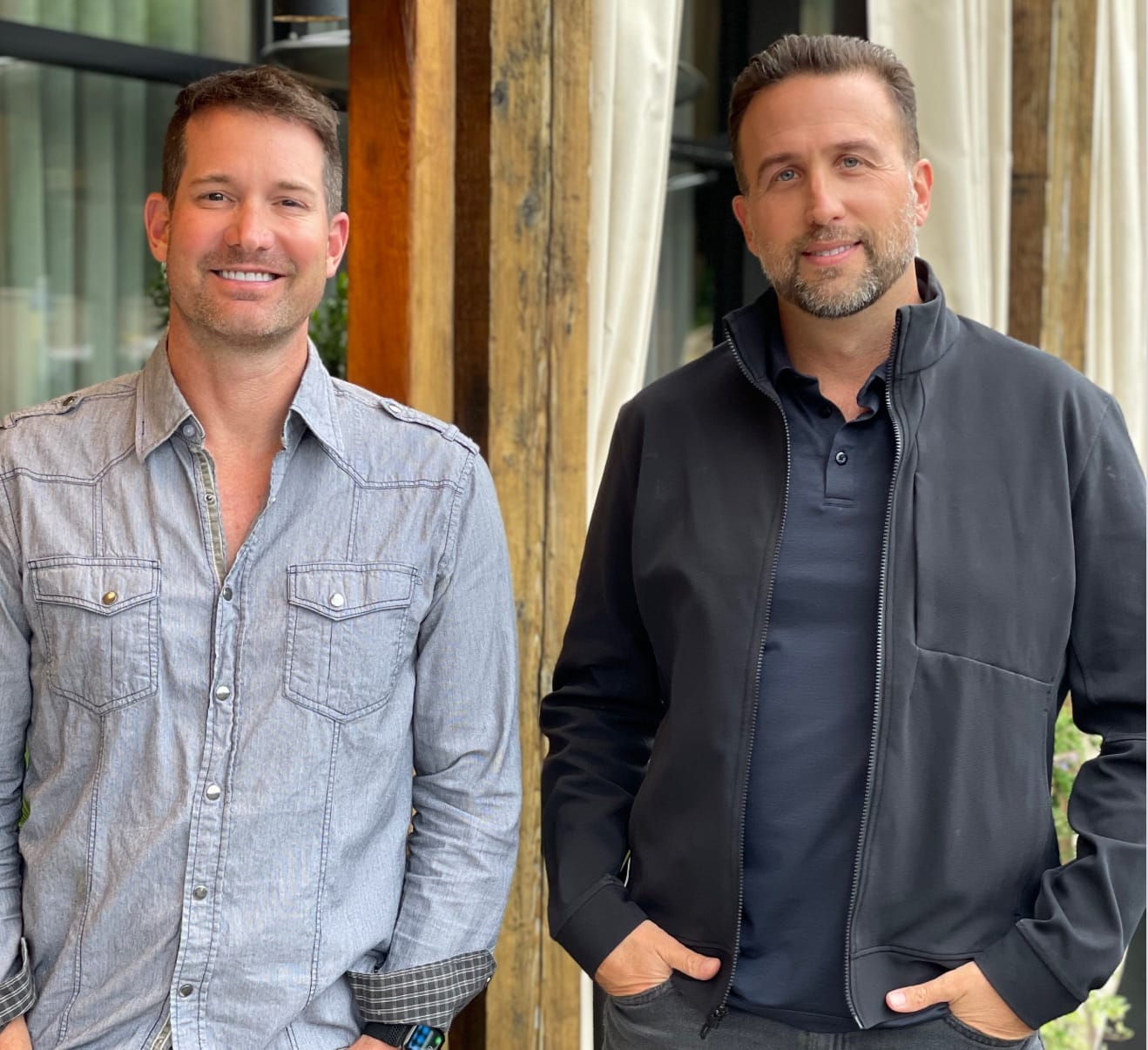
Hosts: Dr. Peter Boulden & Dr. Craig Spodak
Guest: Teresa Duncan
Key Takeaways:
Introduction
Helping People With Obscure Goals
3 Stats You Need To Look At To Know You’re Ready To Go Out Of Network
Dentistry 2023-2024
MLR
Behind The Scenes Of Dentistry
Self-Insured Vs. Fully-Insured
Economic Relationship Between Dental Insurance Companies And The ADA
References:
Bulletproof Mastermind
Bulletproof Summit
Mighty Networks: Bulletproof Dental Practice
Bulletproof ERC
Who Moved My Cheese?
Odyssey Management, Inc.
Tweetables:
No one is going to be immune with the disruption. -Dr. Peter Boulden
You have to choose your state. -Dr. Craig Spodak
More doctors are getting into networks than ever before. -Teresa Duncan
People come in if they have coverage. -Teresa Duncan
Full Episode Transcript
Below is the complete transcript of this episode of the Bulletproof Dental Practice podcast. Prefer to listen? Find us on Apple Podcasts, Spotify, and YouTube.
Read the full transcript
The following transcription was from the Bulletproof Youtube channel. Here is the https://www.youtube.com/watch?v=__1sC5CVe3c
Craig Spodak
0:00:00
Take it up and pop that cork. We got Teresa Duncan on the podcast today, and we were starting off pretty fast, so good to have you here.
Teresa Duncan
0:00:17
It's a pleasure to be on here. You guys are like podcast pioneer icons. That's great. I'm so, I'm actually, I'm pretty honored to get on here.
Craig Spodak
0:00:25
Thank you. We're honored to have you. So you were brought to us through Erica and Erica is the Energizer Bonnie and she gets everybody that has something good to say and she said that we'd love to talk to you. So there was a question you were about to ask when I corked it because you said you were talking about helping people that have like obscure and nebulous
Teresa Duncan
0:00:44
goals as you were saying. So Erica is awesome, let me just say that. So hi, Erica. And I was asking you because we were talking about the different goals that practices come to your summit with. You know, doctors are like, hey, I just want to make a million dollars. And like, fine, it's got to be better than that. But it spurred a question. It spurred not better than a million, but you know, like there's got to be different goals.
Craig Spodak
0:01:07
But it's compelling, I think. Money is a good goal, but it shouldn't be the only goal. But I was saying to you, like, hey, at least that clarity would make me happy. Some people are like, I want to increase my profit from blank to blank, and I'm realizing that they actually don't make what they think because they don't pay themselves, and they don't actually have a business. I think even a clarity of a goal like a million dollars a year is better than what we usually
Peter Boulden
0:01:26
see.
Craig Spodak
0:01:27
Sorry, go on.
Teresa Duncan
0:01:28
No, no, it's fine. I was talking to somebody who's ready to sell his chain of practices, and he said to me, did you know that if you have a legacy software that's a Dendrix and Eaglesoft and server-based and it's not cloud-based, it actually is better for your valuation. If you have a cloud-based software, it actually is not good for your valuation. It's actually like a basis, like taking a coin off a multiple. And I thought-
Peter Boulden
0:01:57
You mean a turn?
Peter Boulden
0:01:58
Wait, a turn?
Teresa Duncan
0:01:59
I'm sorry?
Craig Spodak
0:02:00
A turn, like a multiple, like instead of a nine multiple and eight multiple. Yes, exactly
Teresa Duncan
0:02:03
Costly and I thought that's yeah, that's what I thought. I thought that's a little bit Told you this
Craig Spodak
0:02:09
It's wrong
Teresa Duncan
0:02:11
I'm calling a little bit of BS on me. Well, he was being told by his broker by somebody he's working with Yeah, you know what? Cloud software like that would be so much easier to calibrate across practices. So I'm not quite sure where that's coming from.
Craig Spodak
0:02:29
I call BS on that one because, listen, let's just say that you're being acquired by a DSO who has cloud. Imagine how much easier it is for them. So there is, we know, Peter and I know DSOs that have 150 locations and actually in different geographies they use different softwares in each one. So software can be managed and merged and I think it could be, it just depends on who the buyer is. It could actually be a plus for you or a negative. But if you're compelling enough to be bought, I don't think they'd give you any less or a discount. There's bigger discounts for things like, you know, if you're closing location or if you're expanding or one of your key people got injured, things like that. But I mean, software, it has a mitigation strategy.
Craig Spodak
0:03:12
It can be fixed.
Teresa Duncan
0:03:14
It did sound just a little bit off, and so I put out my feelers. I put out feelers to different software companies and a broker or two, and they came back with the same thing. So I think I'm ready to put a pin in all that and like…
Craig Spodak
0:03:25
Work that one.
Teresa Duncan
0:03:26
Yeah, right. Like, that's done. I'm not going to bring that up anymore, and if anybody brings it up, I'll say, I don't know, I checked with a bunch of experts.
Craig Spodak
0:03:32
Well, you have to really check with experts then. You can't just say you spoke to us.
Teresa Duncan
0:03:36
No, no. I mean, I did. I talked to transition people and the software and the software Oh gosh, the two software companies that are cloud-based were like we have studies and we have this and we'll send them to you I don't want I don't want the studies. I just want to know is this right or wrong?
Craig Spodak
0:03:49
Well, I can confirm Teresa and all my talkings with people have never heard that so I'm not saying it's not true But I can say without that. I have I have never heard that so right, but it's just it's a very unique fit. There could be a DSO out there that's acquiring practices that does not, has a really problem, a big problem with cloud-based and they don't find, I mean, we have Dentrix in our practice now. I think Dentrix is made for like X amount of plugins per office. We have three times the amount that's allowed to be used for Dentrix. So we have an untenable situation with Dentrix and our environment is just too big and not stable. So we have to make a switch. I've been pushing it off as long as possible. But now our database is like five terabytes and we have to do it.
Craig Spodak
0:04:32
So we'll be moving to cloud based personally.
Teresa Duncan
0:04:35
Well, I'll watch and see where you go to because it's it's definitely where it's going. And I love it. I mean, I really do, especially monitoring offices. Just being able to log in, seeing what they're doing is great.
Craig Spodak
0:04:47
And then the open source ones are even cooler because then you can just fix things with certain different types of plugins that you could build
Teresa Duncan
0:04:53
Well, and and it's really nice if you're looking to outsource or have somebody work from home Securely, let me just say that work from home securely There's now these a AI these bots that are being built by these companies that can go in and post payments for you and everything
Craig Spodak
0:05:08
Well, that's it we were on a last podcast Peter and I and Peter is like a tech, he's just a tech, he's a big tech, a nerd, I should call you, in a loving way, Peter, you're a tech nerd. He brings a lot of interesting things way ahead of the curve to me. And we were live on a podcast and he was talking about this thing called Chat GPT 3, right? just live, he's like, hey, to the bot, write us a press release for our upcoming 2023 summit at the Wynn in Las Vegas, August 11th. We're actually, tickets are going live for that event and they're gonna sell out. And the bot wrote so fast, it would have made me feel a lot more comfortable. You ever seen those videos of the Boston Dynamics robots that are dancing better than humans can dance? That doesn't make me feel comfortable because I realize they're better than us. Chat GPT is faster than any person I've ever seen. And it wrote an amazing press release that we would actually use. And then just for fun, we wrote to the bot, write it as if a 12-year-old wrote it. And it just came all down. And it was amazing with exclamation points. Peter, I mean, I did not, that changed my life seeing that.
Peter Boulden
0:06:21
And I told you, you'd have to pick up your pieces of your brain after I showed you all
Craig Spodak
0:06:25
that. It's not, doesn't make me feel good. I'd rather if it slowed down, because it's so fast and so much better than any human I know that it's unnerving.
Peter Boulden
0:06:34
I'll tell you offline what I've been doing with it today, because I don't want to, I'm not ready to kind of talk about it publicly, but it's insanity.
Craig Spodak
0:06:41
It's insanity. It's not, it doesn't make me feel good necessarily,
Peter Boulden
0:06:45
actually. Why?
Teresa Duncan
0:06:47
I understand, I understand that.
Craig Spodak
0:06:48
Well, they're better, they're better, like, they're better than we are. We are not doing well as a species of human beings. We're starting ridiculous wars, we're involved in a lot of nefarious dealings, and we're divisive and we're violent. We're a violent, I mean, as Nibal Ravikant says, you know, you're just an ape with a plan. And I feel that human beings, I'm not overly optimistic about our species, and then I see this bot that speaks better than we do, it's like,
Craig Spodak
0:07:16
damn.
Teresa Duncan
0:07:17
Well, maybe you can use it for like, you know, transcripts that the White House uses, like that could put out a really good like transcript.
Craig Spodak
0:07:26
Hey, it would be better than the ones we're getting right now.
Teresa Duncan
0:07:28
That's what I'm thinking.
Craig Spodak
0:07:29
So everything that is said has to be redacted. So I'm sure GPT would be a better head of state than what we have already. It's all vote for.
Craig Spodak
0:07:38
I'll vote for a bot.
Teresa Duncan
0:07:40
It's pretty cool the GPT thing. My second podcast co-host, Kevin Henry, put in his storyline into chat, GPT put in, what's an insurance coordinator? Talking about an insurance coordinator, a boss that doesn't support her, and then all this stuff, other criteria. And he printed out this. It spit out this story of an insurance coordinator that is so stressed out or mental health is in trouble and she's being haunted by the ghost of dental billing practices and fraud. And I was like, what?
Teresa Duncan
0:08:10
Yeah.
Craig Spodak
0:08:11
I mean, imagine if you're like a kid in English class right now and you have to write a term paper on like, you know, the Iliad, Homer's Iliad. I'm like, hey, chat GPT, like why did it have an 11 year old? And it'll come up different every time. Like is English going to go away? Like for I mean, like we had Cliff Notes, thank God.
Teresa Duncan
0:08:31
Right, right. You know, well, we could write the next Harry Potter. I mean, honestly, like we could put in like Dragon with, you know, a limp that can spit fire, you know, just a little bit.
Craig Spodak
0:08:42
Frustrated dentist.
Teresa Duncan
0:08:43
Yeah.
Craig Spodak
0:08:43
And it'll be the number one best selling. By the way, Teresa, if I see the Dragon Dentist and it goes on Amazon, this has been recorded. Lisa Duncan tells a fiery dental dragon, I'm watching you.
Teresa Duncan
0:08:59
But just a little bitty fire, just a little fire. Enough to fire that porcelain up.
Craig Spodak
0:09:05
Exactly.
Craig Spodak
0:09:06
He puts your Emax in and, okay, we're getting too far.
Teresa Duncan
0:09:10
See, we're nerding out.
Craig Spodak
0:09:12
Peter, please bring us something here. Bring some content, Peter.
Craig Spodak
0:09:15
Can't just be all out there.
Peter Boulden
0:09:16
What do you mean?
Peter Boulden
0:09:17
We can't just sit around and talk about AI and dragons?
Teresa Duncan
0:09:21
Oh, that is what we were talking about before, the AI. So can I bring it back to dental? Yes, please.
Peter Boulden
0:09:26
Just make it knowledgeable for the listener.
Craig Spodak
0:09:27
So Peter, it is shocking to me how many people, one, have not actually heard about ERC and two, have gotten the wrong information. And you and Trey being two of them, I mean, I consider you to be an epic business person. And when I talked about the employee retention credit to you, you were really dismissive of me. Like, no, I went through that, I got it, you know, it was great, I got it, it was done. And even Trey just now, we were just talking to him on the last pod, he's like, yeah, I already, you know, my accounting firm, they got it very little, they only got like five or 10 grand. So we know this is totally misunderstood.
Peter Boulden
0:10:01
I was told I didn't qualify until I went to a specialist and they're like you absolutely qualify and here's the number and it almost startled me like my jaw was off on the ground. Yeah you don't actually you don't believe it. You don't believe it. But don't ask your CPA, ask someone who specializes which is why we actually have this awesome arrangement and we created a link and the company is Bulletproof ERC to help kind of implement this because from this pot of money that Congress has allocated, we want the people listening for Bulletproof to take advantage of it. So this is why this announcement is going on because it's, like I said, don't ask your CPA, ask the people who this is the only thing they do all day every day.
Craig Spodak
0:10:41
That's why we had to do this because initially of telling everybody, telling you, telling everybody, like, oh, we don't qualify. So like, oh, this is not going the way it's supposed to. You have to go to the people that do it. So I'm really proud of that. My buddy Norm works for the company. Norm, as you know, is the nicest guy in the world. He's literally like Ned Flanders. He's like, how do you do? He'll fill out your form, he'll walk you through the process, he'll do the Zoom call with you. It's literally white glove service that you don't have to do anything. And this is what they do. And it's an unbelievable program. You have two ways to pay for it. You can either pay up front or they can just take a percentage when they give you the money. And it is awesome. You did one, I did the other. We won't tell which one, who did what, but it's a government program. It's going to run out. Do not delay. It's amazing how many people are like, I'll handle a couple months. I don't have time. You don't need any time. Like this is like crazy. First come, first serve, right? First come, first serve. And I mean, I know the government's treated you well through the CARES Act, and you're thinking to yourself, well maybe I don't need this. It is your money to have.
Peter Boulden
0:11:41
This is part of the CARES Act.
Craig Spodak
0:11:42
Right, it is part of the CARES Act, but I mean, even when I thought about it, I'm like, nah, I'm good, I don't wanna take more money, but this is a program that's allocated for people like you who have kept your employees, kept your businesses open. Do not take it for granted. If your accountant told you, your friend who's a lawyer told you, do not leave that stone unturned. Go to bulletprooferc.com, spend five minutes. It's worth the due diligence. Do not assume anything. And even if you filled it out, you got something, but it wasn't what you think is commensurate for your size business, go ahead and reopen the process. You can amend these things for different years. So do yourself a favor, take the five or 10 minutes, have a Zoom call. You may be leaving hundreds of thousands of dollars on the table, which is not prudent for you, your business, and the families that your business supports. Do it for them.
Teresa Duncan
0:12:35
So two different companies that I have been really taking a good interest in have been – they have the logins through Dentrix, right? You create a login, and they go in, and they do their thing. So it's not me posting payments. It's Lassie is the company I demoed. I was like stunned how fast. He posted like a whole day's worth of payments in like, I want to say five minutes. And all I have to do is just check. And it was amazing. I was like, can I invest? Like today, can I write you a check today? It's crazy.
Teresa Duncan
0:13:06
It's all open.
Teresa Duncan
0:13:07
Yeah, like it's crazy. Like that's what I want. The problem I have with insurance, teaching it, is it's really hard to pick up if you don't know anything about dentistry, period. And so the payments piece takes all day. I can't teach them insurance if all they're doing is just making sure that their checks just get entered in. So I'm very excited about where things are going. But yeah, I don't know if I want them replacing me, but it's going to happen eventually. Wild, isn't it yeah
Craig Spodak
0:13:40
wild yep it is that's a crazy time to be alive we're witnessing this stuff right
Peter Boulden
0:13:45
now Peter looks like he's thinking well I'm thinking about like look no one's gonna be immune to a somewhat of a disruption it's gonna be those people who find out how to optimize it who are gonna benefit the ones who just stay static or like oh no oh no you know and play the victim we're honestly gonna get replaced, but you know, even dentists are not immune I don't feel even doctors lawyers like no, you know, like there's so many people We're talking about last time Peter that tech is going to displace a little bit, but it's not going to make them It's not gonna make us obsolete, right? It's just gonna make those who utilize the tech better faster easier
Craig Spodak
0:14:20
Help me out with something Peter were we recording or is that a side? Conversation where you were asking me like the top three things that a dentist does. Was that recorded? Remember you like to still down the actual work? Okay good. Yeah so I mean you know what is the actual like. I was on that same pod. Yeah so GPT is a more empathetic doctor than most of our of us as doctors. So people like put in there like hey how do you you know dentistry is so scary like Empathetic bot was like if we recognize it's a scary thing, but we're happy to investing in your oral care And we'll use note. We'll use all the proper numbing agents and walk you through each step. I'm like damn. Let me hire that bot Most of dentists will be like come on just deal with it. Well, you're the one who neglected yourself, you know I'm not talking about entertaining you.
Peter Boulden
0:15:10
We suck.
Craig Spodak
0:15:11
Wow, yeah, no, they need to teach that because coming out of school, the dentists, the new
Teresa Duncan
0:15:15
dentists don't have that. They don't have that yet. So holy cow.
Craig Spodak
0:15:19
And the problem is you could be a wonderful clinician, you know, have hands of like GV Black, the most amazing clinical skill, but if you lack that ability to connect with people and be empathetic, you're not going to be a successful dentist. So Peter asked a very intuitive question, and I don't want to relay that whole podcast, you can go check it out, but it was basically like distill down what the unique attributes of a successful dentist are. And it was alarming and funny, humorous, to see that a lot of it could be disrupted right now. Like just wheel the guy in at that point.
Teresa Duncan
0:15:54
So it's not even like the picking up the drill or anything like that?
Craig Spodak
0:15:57
No, no, but no, picking up the drill at this point still needs that, but if this bot was able to manage my consult and talk to my patient and then wheel a guy in that just like nods, basically pull a Stephen Hawking, like put the voice machine, like, today we'll be working on you, and then just shut up and do the whole
Craig Spodak
0:16:18
thing. Oh my lord.
Craig Spodak
0:16:20
I mean, like, get the voice machine.
Teresa Duncan
0:16:23
Well, I'm just thinking, gosh, I presented so much treatment plans and financial plans. If I were a bot, would the patients argue with me as much? Would they negotiate with me as much?
Craig Spodak
0:16:34
Well, no. The bot will exhaust you. Tell me more how you feel.
Teresa Duncan
0:16:37
Tell me more how you feel.
Teresa Duncan
0:16:38
That's amazing.
Teresa Duncan
0:16:39
That's great.
Teresa Duncan
0:16:40
I'm so sorry. Yeah, that's great. There are certain patients that I will absolutely roll that bot in for. Are you kidding me? I can think of three right now that I just hated going in there.
Craig Spodak
0:16:49
You can just walk into the patient. Did you want a lot of detail or do you have a time constraint? No, I actually really want to get to know you better. No problem. Wheel in the iTero and have that thing talk to the face.
Teresa Duncan
0:17:00
You can walk into the room, and you flip down your visor, because you're going into battle. That's the kind of patient I need this for. This is great.
Craig Spodak
0:17:06
All right, so we covered AI last podcast. So let's go to something new and exciting.
Craig Spodak
0:17:11
Talk to us.
Peter Boulden
0:17:12
I've got a question.
Craig Spodak
0:17:13
Yeah, please.
Peter Boulden
0:17:14
All right, so Teresa, you're obviously the insurance guru in the industry. Huge following, people come to you for the answers in this. What would you say would be the, we have a lot of people in our mastermind who are in network, possibly considering going out of network with some providers. Can you say like, what are the three stats you need to look at before determining if you're ready to go out of network?
Teresa Duncan
0:17:39
Yeah, so production by carrier, obviously, net production by carrier. I also want you to look at the adjustments by carrier. And then I want you to look at referrals by carrier. So referrals by carrier and the adjustments by carrier are usually never paid attention to. Production by carrier, yeah, you can look at that, and it's fun. And you kind of look at it, and you're like, oh, well, at least I made it. Usually, production by carrier is used as a rationale to stay in network. Like, oh, well, it's not that bad. Look at that. It's a good amount.
Teresa Duncan
0:18:07
It's more than I thought.
Teresa Duncan
0:18:08
So, here, I don't mean to be so dismissive. I shouldn't be like that. So, then the adjustment by carrier. So, this is different. This is not the difference between the full fee and the PPO fee. This is the adjustments over and above your difference in fee schedule. So, these are the appeals that you've lost, that you're writing off. These are the disallows that you're writing off. These are the patient arguments that you've had and you're like, screw it, I don't want to deal with it. You write it off. So you have to have a MetLife adjustment, a Cigna adjustment. You have to have one for each carrier. But if you don't have that starting off, then it's hard to measure that. So starting in January, if anybody has not heard of this or thought to do this, set that up so that you have adjustments for each carrier. Same thing with referrals. So if your carrier is sending you a lot of patients, that's something you need to factor in when you're looking at getting out. But a lot of times we don't track that. We just have insurance as a referral. But we need to – for everyone that you're networked with, put that in there. And then at the end of the year, when you run your insurance – or when you run your referral report, this is where we have real come to Jesus talks with doctors. Because this is hard for me to tell doctors, but they need to hear it. So we'll run the referral report, and the top 10, sometimes even top 20, is nothing but insurance referrals. There's no patients, maybe one or two patients, maybe the mom or dad is on there, the neighbor, nothing that says this patient, this office is sustaining itself, you know, it's growing organically, nothing like that. It's all nothing but insurance referrals. So if I'm looking at your top 10 and at least half are patients, I know that you're in a good place. It means that you remember that marketing is still a thing.
Craig Spodak
0:19:58
So, by the way, insurance is marketing. Yes, absolutely. It's a different form of marketing. So if you want to turn off all marketing engines, but you want to leave the insurance on, then that will work for some people. And I think we make a lot of presumptions to get to the point that we're talking in this decision tree. Some dentists have this vision to scale and grow 50 practices, and others are just single providers and only have two hands. You're booked up six months in advance and you're not making money, that's a different scenario for both of those providers. So I think it's a very individual question, but I love where you're going, so please keep
Teresa Duncan
0:20:34
going with the marketing as insurance is marketing. Well, you know, and let's take it even a step further to say that this is contract law, and it, let's look at it from a contract point of view. So when you sign on to an insurance carrier, there's that consideration, right? You give up something, they give up something. So you give up your fees, they give up that they promised to send you new patients. So if you are in network and you're giving up these ridiculous fees, they're not sending you any new patients and you only know that because you're running this report the way we just talked about. If they're not sending you any new patients, you have like maybe 5 or 10 patients from Dunkin' Carrier, so let's just say that. I'm not sending you anybody. So you're thinking, well, so this is, you go two ways. One, I would want you to get out of the network because I'll get into that in a second, but number two, a lot of people will say, well, it's just a couple of patients and I'm not going to go through the process of getting out of network. So it's not a big deal. But the problem is it's a liability. So it's an open liability. If you have this connection out there and all of a sudden Duncan insurance carrier wakes up and says, hey, I'm going to lease out my whole network. I didn't do that before, but now I can because somebody approached me. This little tiny insurance company you never worried about now all of a sudden is leasing you out to everybody you just tried to get out of the network with. So it's a liability, and I want to get rid of that. But back to the contract thing, if you look at that and they're not sending you new patients, you're the only one who's delivering on this contract and so that should really put it into perspective for you.
Craig Spodak
0:22:06
Well, you're reminding me of a book, the book Who Moved My Cheese. I'm sure we've all read that one, but a great book. Like, you know, in business we do the same thing. We go to the same spot expecting the same result. And it's a precarious position. It's a liability as you speak to because if the carrier decides to do something and 80% of your practice, I've heard so many people tell me like the story like I had this business and it was great because we service the IBM factory that was right there and then IBM closed and we were out of business So it's our job as business owners to just look at you know swaps strength weakness of opportunities and now Look at competitive analysis And if you have exposure like that, even if you choose not to do anything about it at least know that you're gonna do that
Teresa Duncan
0:22:46
Well, and so in my workshops what I teach is that you have to keep an eye on what's going on in your neighborhood, even if it's going to the Chamber of Commerce meetings, being involved in the county, or at least just reading the news, you know, and seeing what's going on in the area. But once a year, it could be going up or down. Absolutely. And once a year, I go to the county website, go to the city website, because they all have stats. They're all trying to attract new businesses. You'll see the new businesses coming in. You'll see the, you're not going to see the businesses that are getting out, but hopefully you're looking at the news and you're listening to your patients. But like Pepsi just laid off, I think it was Pepsi, just laid off a whole bunch of people and those areas, you know, there's a whole little cities built up around these factories.
Craig Spodak
0:23:30
I mean, you all know that.
Craig Spodak
0:23:31
Well, look at what happened with the car industry. Of course. Look at how the wealthiest areas were Detroit and the whole like automotive belt like the people that built the stereos in Ohio and the automotive industry Took a tank the entire communities and cities were destroyed Yeah, so it's it is incumbent upon you to be aware of it And I know people are busy, and they don't want to think about stuff like that But you need to if you're gonna be a business owner you need this is important
Teresa Duncan
0:23:56
Yeah, I was gonna say it's tough if you don't want to and your business owner Then you need to think about having somebody else do that for you, but you can't just ignore it. I mean, I feel bad. I have some offices that I've talked to a lot in Chicago and they have like a double punch going on. So they've got some big companies moving out, but they also got hit with COVID as did most of the Metro cities. I mean, as you know, being where you all are, what happened, I definitely saw this in New York City, definitely seeing this in Chicago, all these doctors who had built their practices around people who work every day, that could just go downstairs and get their dental work done, it just dried up, disappeared. And so who's coming?
Craig Spodak
0:24:34
It's a liability, in fact, if you're in like this professional building in downtown New York or Chicago, and you were just like, I don't need to advertise, I don't need to do anything because this building is 46 floors, and I'm the only dentist. Like they have to walk by me every day, and all of a sudden, like from one month to the next that occupancy of that building went down by 80%. It's a ghost town. Now it's a negative because now you're inside this building, you can't even see people.
Teresa Duncan
0:24:58
Well, who's going to buy this? Who's going to buy it from you?
Peter Boulden
0:25:01
Right, right.
Craig Spodak
0:25:02
Yeah, I was in New York City for a meeting last week and it was like a ghost town. It was, I mean, in this particular office building, I saw these beautiful offices all with curved monitors and great furniture that was electronic that lifts up and down for standing and sitting desks, and it was just all empty was so weird I know it's rebounding, but you know you have to choose your state too because certain states had different lockdown policies I mean I was fortunate in Florida You know we we seem to have gotten it right because we everything was back to normal like really quickly really quickly We I mean summer of 2020 it was business as usual Here, and we have other we have friends in the mastermind that were in California that were like really, it was really hard on small business.
Teresa Duncan
0:25:43
Yeah.
Teresa Duncan
0:25:44
Well, you know, during the lockdown was interesting. So I don't do very much in office consulting anymore, but I do strategy calls. So what I was getting was a lot of strategy calls because finally doctors were looking at the numbers and they wanted to know, okay, well, should I get off of PPO? So tying it back to the topic. So should I get off of PPO? Now I'm looking at these numbers. I can do the work and all this now I'm getting the same calls the same people calling because they went out of network and For whatever reason many of them I said don't even do it. You're not ready They did it and now they're looking at going back in network because this practice is suffering a lot
Craig Spodak
0:26:19
Well, that's the beautiful thing about insurance though. There's no fatal mistake. You can go back in and out. I've done it several times. I did it without much regard to a process because I was young and didn't realize what I was doing, an experience I should say. But there is an art form to doing it and selective enrollment and stuff like that and even having certain doctors if you're a multi-doctor, having some on and some off. There's ways to kind of hybridize the PPO model.
Teresa Duncan
0:26:46
Yes, that's true. What I was worried about with these doctors is that they left, they already had good fee schedules because they had negotiated early on. When they left and want to come back in, they're not getting those old fee schedules. That's what hurts.
Peter Boulden
0:26:59
That's what really hurts.
Peter Boulden
0:27:00
They start back at zero, huh?
Craig Spodak
0:27:02
Yeah.
Peter Boulden
0:27:02
Or ground floor.
Teresa Duncan
0:27:04
Yeah, yeah. And I mean, their costs went up, obviously. And what do you mean they cut reimbursement?
Teresa Duncan
0:27:09
Oh, no.
Craig Spodak
0:27:10
Well, I think that's true, Teresa. Look, we just came off of a cycle of a lot of pent-up demand. So one thing is when the market goes well, everybody thinks they're a genius. So for those who have dabbled in real estate or had a dental practice in a good area, you feel like you're the Elon Musk of dentistry. You're like, oh my God, I'm so good. I should open up four more offices. But now a cycle cools or goes through a recession. And now everybody faces the music. So what this exposes when good times cover up a lot of sloppy business people, I'm included in that. I'm not pointing my finger. I've thought at certain times I was God's gift to dental business ownership and I got my butt kicked many times through different cycles. So what would you say to those people now? What's your crystal ball saying about dentistry 2023, 2024? Because you have to have some level of opinion on that to advise people. So take me through your thought process 2023-2024. What happens to dentistry?
Teresa Duncan
0:28:11
So just to give background on why I think the way I do, I do work with the ADA on projects but I also work with the carriers on projects. So you know I have a chapter in the Coding Companion so I'm very in there with the ADA. I talk to them a lot often. The carriers, I'm on many different committees and so I get the two back and forth and I try, both of them know that I try to stay in Switzerland because that's the only way I can do this communication and you know give it back to the industry. And they're all good with it actually. So I don't know if dentistry is in a really good place for the next two years compared to the carriers. I just don't. There's actually been a net gain in PPO, dentists being PPO providers. You'll go on Facebook and you'll see, and this is why Facebook groups kind of drive me crazy, you'll see them all go, everybody has gotten out of network and you can do it too and we got out and it's the best thing ever.
Craig Spodak
0:29:08
By the way, we fired our hygienist, we're doing our own cleanings, it was the best move
Craig Spodak
0:29:12
they ever did.
Craig Spodak
0:29:13
Yeah, right.
Craig Spodak
0:29:14
We just bring the donnas, won all this money. Oh, so good. Yeah, me too. Holy hell.
Teresa Duncan
0:29:17
I'm like, oh my God, dumpster fire. So that's why I was getting all these calls like, okay, well walk me through the process. Well, okay, let's talk about this. And then you get down to the nitty gritty and they're not in any way, shape or form ready to go out and network. But because everybody else is doing it, it's like this lemmings off a cliff thing, right? So, but the real lemming action is that more doctors are going in network than ever before.
Craig Spodak
0:29:39
That's the truth.
Craig Spodak
0:29:40
The truth is net enrollment of participating providers is up.
Teresa Duncan
0:29:45
Well, and if you look at it, it makes sense. Some of you are like, oh, that's, nah, she's wrong. That's not what I read on Facebook.
Craig Spodak
0:29:51
No.
Teresa Duncan
0:29:52
So here's what I want you to think about. All of the group practices and DSOs, every one of those, those are, they're participating. All of them are participating.
Craig Spodak
0:30:02
And in fact, the reason you bring up, I just want to cut you for one second. I want to add another axis to this conversation. So net dollars being spent in dentistry going significantly higher. So more dollars going into dentistry, dentist salary going down. Keep going. Another axis to talk about. I want you to throw those variables into this dialogue that you're talking about.
Teresa Duncan
0:30:23
Sure, sure. So you have more, more dentists joining into groups. They're all getting credentialed. Not only that, they're all getting credentialed. So if you have one location and you have, I'm sorry, if they're at one office but you have 10 locations, that doctor is getting credentialed at all 10 locations just in case he or she can go work that day. What ends up happening then is that you go out of network or maybe you go to a different office and you try to get credentialed at this where you're actually going to be, your fee schedule now could be constricted because you accepted a lower one over here. Or there's a, you know, the, what is that called? Restricted covenant. What is that when you have the radius that you can't?
Peter Boulden
0:31:05
Yeah.
Teresa Duncan
0:31:06
Restricted covenant. Yeah. Okay. So, so you have that that you have to contend with. And so as a result, you start signing up for plans just because you want to get going and then you're like, oh, I'll get off of those plans later. I'll go back to that. It doesn't happen. And then you realize that you're now caught and it's truly a spider web because to find out what is the origin of your participation, you've got to go back like five insurance companies because you've been leased out so many times. And this is a big reason why I don't do negotiations. I don't even, I don't know who's contracted with who. And next month it'll be somebody different. So I was laughing, somebody asked in a Facebook group, you know, does anybody have a list of who participates with who and who networks to who? And I was like, yeah, I have one. It'll be out of date tomorrow. Like, come on.
Craig Spodak
0:31:49
Well, your ELB is out of date like the minute you get it back. Like we're going to pay this amount of money. I mean, listen, insurance has got a beautiful business. the outcome but they use you as a vicarious agent of the insurance company so when that someone is pissed they're pissed at you as the dentist and the treatment coordinator so yes we'll pay you this but it's an estimate yeah so you relay that information to our detriment to the patient this is Jones good news
Teresa Duncan
0:32:36
insurance estimates will pay this you
Craig Spodak
0:32:26
Teresa, why did you do this? You know I couldn't afford that. And now, so they have a brilliant model in that, you know, you're the one that has to be their extension of their customer support.
Teresa Duncan
0:32:37
Yeah, and that's when I go to chat GPT and say, why did I do that? Chat GPT would always say to this patient.
Craig Spodak
0:32:43
What a great model. What a great model for the insurance company.
Teresa Duncan
0:32:46
It actually is. And if you think about it, I mean, not just dental insurance, I mean, property insurance, all of it. Insurance is a great business model.
Craig Spodak
0:32:55
But insurance, the dental insurance is an outlier in that it's the only insurance product I'm aware of that people are excited to use. I don't want to use my insurance. I don't want to get in a car accident. I don't want to use life insurance. I don't want to use my health insurance. Dental insurance, like, people think, like, oh, I would like whiter teeth. You know, let me use my dental insurance. So, by that virtue, it's not really an insurance plan. It doesn't cover catastrophic loss. I mean, if we wreck our car, you get a check for something that's suitable to a replacement of your car. If you, God forbid, fell over, tripped, and broke 10 of your teeth, insurance is like $1,500, good luck. That's not insurance.
Teresa Duncan
0:33:33
Well, and we do need, but we need to start calling it something else. And I think many of us have. We've done this whole switch from calling it insurance to calling it benefits or the allowable amounts or not allowable amounts, benefits provided by your employer. I've got a couple of verbal tricks.
Craig Spodak
0:33:49
Well, there's a disconnect there, though, Teresa. We want to call it that. But the dental insurance companies don't want to call it that. Because if it was just a benefit plan, wait, I'm paying $500 a year for $1,500 a benefit?
Craig Spodak
0:34:03
That doesn't sound good.
Teresa Duncan
0:34:04
Well, we got to start somewhere, though. I mean, where does the conversation start? It's got to start with us. So I'm training offices now. You don't say, hey, we can't do this because of your plan. We can't do this. And the fact is, you can do whatever you want to. The benefits are going to pay whatever the benefits are. So I'd rather, if something comes back denied, I need to have some verbiage in place, like it looks like your employer selected a plan that does not cover. It looks like your employer is not allowing for benefits to be paid on that procedure. We deal with plans all the time that cover this.
Craig Spodak
0:34:34
Why don't you just tell them, it looks like your employer doesn't really care about you.
Teresa Duncan
0:34:37
Well because I'm, I can't do that. I'm just joking. I'm just joking.
Craig Spodak
0:34:40
I'm like, you're saying it in a nice way.
Teresa Duncan
0:34:43
I tried to, I had to be nice. Now I've got competition with my chat thing. I got competition now.
Craig Spodak
0:34:48
I was joking with you.
Teresa Duncan
0:34:50
I was joking. That's funny.
Craig Spodak
0:34:52
How long have you been working there? Oh, 12 years?
Craig Spodak
0:34:54
You know, your employer doesn't, didn't get you benefits that really matter.
Teresa Duncan
0:34:57
I'm so surprised. These benefits suck compared to what just came in. Because really, you do want to say that, like, oh, it's a really crappy plan. And there's definitely some patients you can say that to. I mean, I definitely have said things like that, but you have to really know.
Craig Spodak
0:35:10
I see some of the things. I'm like, listen, dental interns should pay for that, but they don't.
Craig Spodak
0:35:15
And it's a shame and they really should.
Teresa Duncan
0:35:17
Yeah.
Craig Spodak
0:35:17
But listen, how is this minimum, you know, M, I'm going to butcher this, you know, the word, the acronym, medical loss ratio, MLR.
Teresa Duncan
0:35:24
Yeah, yeah.
Craig Spodak
0:35:25
Go there for me.
Teresa Duncan
0:35:26
So I'm not popular when I talk about this because I love that we're getting more regulatory. We're paying attention to the things, the avenues that are available to us to make changes. I love that. I love that the ADA united behind something. Finally. I don't want to say I work with them. Don't throw shit on the ADA.
Craig Spodak
0:35:50
They've been negotiating for discounted car rental rates for me for years. Oh. So with that, yeah, I've been able to get like 5% off at Hertz just by being an ADA member.
Teresa Duncan
0:36:01
Yeah, but I'm not an ADA member, so it doesn't affect me. No, I'm just kidding.
Craig Spodak
0:36:05
Yeah, but I'm just saying you could enjoy $5 off your next car rental.
Teresa Duncan
0:36:08
They won't take my money. Did you know that? Why is that? They will not let you join as a team member, which is just one of the… I can't tell you how many conversations I've had with this up in the ADA headquarters about this. Here's a revenue stream.
Craig Spodak
0:36:21
So, I've been an ADA member for 23 years, and guess what this year is going to be? My first year non-ADA and flying solo, people.
Teresa Duncan
0:36:32
Why? What was the final straw?
Craig Spodak
0:36:34
Because I was able to use Alamo rental car and they're going to give me the 5% off, so I don't need the rental car discount anymore. No, I mean, honestly, this will be an unpopular opinion, but I have watched the group that's supposed to protect us as dentists, you know, from the at home or there's been companies, I'll remain nameless because I don't want to get a cease and desist here, but companies that have actually interfered with the sanctity of the dentist-patient relationship. those companies not only go unchecked by the ADA, but actually take sponsors, the ADA is taking sponsorship money from such companies. And I think the profession needs a larger voice to protect itself from corporate interests that are not always in the best interest of the practitioner and the patient. And they failed. I think we've been failed and I want, I don't know if it means something but I just at a principle alone I feel like I have to make a stand and I feel that way very strongly and I'm sad about it because if they would have asked me, you can pay double your dues but we'll do X, Y, and Z, I would feel better about it. And I am really proud of the ADA for the minimum via whatever that is. And just so people understand, let me, Teresa, just take one, like a 30 second,
Teresa Duncan
0:38:06
what is that exactly so people understand? Sure. So basically it's the amount of the premium that's actually spent on direct patient care. So on the medical side, you're looking at usually about 85%, you know, that's mandated to be spent on patient care. Now, so that means 15 cents of every dollar would go towards administrative, marketing, all that kind of stuff. In dentistry, there is no requirement except for I think one or two states and there's a guideline in another state. But now we have Massachusetts that was able to get it passed. What's really kind of cool about the Massachusetts situation is that they tried to get it passed through the legislature twice and it went nowhere because of lobbying efforts. So they went directly to the ballot, which is, that's what makes it unusual. So now it's templated out. It's probably, it's going to go to all the other states. I've already read an article that, you know, I think Connecticut and one of them, when
Peter Boulden
0:39:01
they're ready to go.
Peter Boulden
0:39:02
It'll be a quick domino to fall for sure.
Craig Spodak
0:39:03
So why are you unpopular then? So I want to get to that.
Teresa Duncan
0:39:08
Yeah. And I also, I just want to say real quick, cause I do work with the ADA. I do like what they do, but I just wish they did some things differently. I just wish they weren't so glacial. Everything is very slow there. I don't think I'm going to upset anybody by saying that. Let's just leave it at that.
Craig Spodak
0:39:24
Yeah, I would agree.
Teresa Duncan
0:39:25
I have a lot of comments about ADA and what they do and what they don't do. Going to the MLR, my issue with this is that, and I do think it's great that it passed because at least what it did is it educated the population about the behind the scenes on dentistry that there you know there should be some some more being paid towards it but I don't know if it was so as egregious as it was made out to be it's not like insurance companies were paying you know 50 cents on the dollar I mean they were already up at around 83%
Teresa Duncan
0:39:57
when you look at the numbers. Oh really? That's not what I heard. I've not heard that.
Peter Boulden
0:40:01
No, about 83.
Teresa Duncan
0:40:02
No, it was about 83.
Craig Spodak
0:40:03
No, the story was making the 20s to me.
Teresa Duncan
0:40:05
No, oh no, no, no, no, no. So I have…
Craig Spodak
0:40:09
I think it was on the Facebook chat you were talking about. But no, we were told by… So Delta, like let me try to… I was told that Delta Dental of Massachusetts was in the 20-something cents on the dollar.
Teresa Duncan
0:40:19
I can send you the Tufts policy paper that kind of…
Peter Boulden
0:40:23
Why the urgency then to… Why the urgency to mandate something if it's already there?
Teresa Duncan
0:40:28
I am understanding that there is one particular person that really was funding it and pushing it through, and it was a cause. And good for him. He was able to get it pushed through, and he's the one who kind of led the cause. I mean, you go through two lobbying sessions, and you get it on the ballot, you're going to keep pushing it. That being said I I can definitely provide you the resources. I'll send you the the policy papers But going back to other times when this has been implemented Well, there's another thing that that we should think about too is that the MLR is calculated in medical in such a way that It doesn't necessarily take into account things like marketing. Okay, so on the dental side because it's different It's a totally different business model, it really is. So the 83, the 85%, let's just say it's 85% on the medical side, that doesn't include marketing actually. So they're paying, they have to have some calculation where they can take the marketing out and then this is way above my pay grade, this is like accountant stuff. On the dental side, they haven't gotten that sophisticated to define it because they haven't had to. And so when you calculate their DLR, I guess you could call it, it includes things like marketing and broker.
Craig Spodak
0:41:46
It shouldn't though in my opinion.
Teresa Duncan
0:41:47
No, I agree. I agree. But this hasn't been put on that industry. Now in California, you have to do reporting guidelines and so I think they're getting better at that and I think Utah is the same way. So let me go to the reason why I worry that it may not have the intended effect. And I hope it does have the intended effect, but what's going to happen to me is that you're going to see a lot of the smaller insurers that are going to not be able to comply with this and make a profit. And so you may see insurers leaving the market. And that happens all the time in the insurance industry. If you're not making a mark, I mean, you're in Florida, you see how many, you know, insurance.
Craig Spodak
0:42:26
Oh my God, homeowners insurance?
Craig Spodak
0:42:27
Yeah, you see how it is.
Teresa Duncan
0:42:28
Everybody's out of business.
Craig Spodak
0:42:29
Like, really good.
Peter Boulden
0:42:30
It's for everything.
Teresa Duncan
0:42:31
And the real thing is, we have, and I'm going to get geeky.
Craig Spodak
0:42:36
Is that a bad thing?
Teresa Duncan
0:42:37
Yeah, it is. Let me get geeky here for a second. Self-insured and fully insured. So, you know, self-insured plans are the big boys, the Boeings, Walmarts, whatever. They can afford to fund their own carriers, or fund their own claims. It's just that the carrier administers it. So that's self-administered. Fully funded is what the state actually can look at. Self-funded is a government thing. So the government is what is taking care of that. That's the ERISA plans. And I can slow down and re-explain this if it goes too fast, but the fully funded plans are the only ones who are going to be held to this standard because it's state. Just like a non-covered service law in your state, it doesn't apply to the self-insured plans. It only applies to fully funded plans. A lot of people don't realize that. So just because in Virginia we have a non-covered services law, well, that's great. It only applies to half the plans in the state, because half the plans are fully funded, half the plans are self-funded, right? So if the fully funded plans whose target market is small employers like us, like me. I'm the perfect person for that, right? If they can't make money, who are they gonna raise the premiums on? They're gonna raise the premiums on me. I'm gonna be like, ugh, forget it, you know?
Craig Spodak
0:43:50
So let me just cut you just for one second.
Teresa Duncan
0:43:52
Yeah, yeah.
Craig Spodak
0:43:53
I need to ask you a question, you're gonna know the answer just by right off the top of your head. What is the average annual premium for a PPO plan? If you had to, I know you're not going to give me an exact, but
Craig Spodak
0:44:04
roughly what to the to the employer? Annual premium, it's roughly, it's I don't
Teresa Duncan
0:44:11
want to be exact on this, but I would say probably about $400. That's what I was thinking, $30, $40 a month, right? Yeah, I would say about $40. I would go $40.
Craig Spodak
0:44:21
Okay, and what is the average maximum allowable benefit.
Teresa Duncan
0:44:26
So people are surprised it's actually about between $1,500 and $2,000.
Craig Spodak
0:44:31
Okay, right. So it's been the same since I was practicing dentistry and I'm a dinosaur of 24 years in practice. It's been the exact same.
Craig Spodak
0:44:39
So that $1,500 over 24 years as the time value of money has drastically decreased.
Teresa Duncan
0:44:47
Yes.
Craig Spodak
0:44:48
So let me…
Craig Spodak
0:44:49
So premiums have gone up.
Teresa Duncan
0:44:51
Yes.
Craig Spodak
0:44:52
So, the delta, pardon for the pun, between what you pay and what you receive has narrowed so significantly that is it a bad thing that the dental insurance goes away? Because in the same spirit, people can do their own in-office plans.
Craig Spodak
0:45:08
Peter and I do that.
Teresa Duncan
0:45:09
Sure, yes, absolutely.
Craig Spodak
0:45:10
You know, and full disclosure, we're sponsored by Clear. We love Clear. They work well for us. We're paying customers of it and for that same $2830 a month I can provide my patients with all that stuff and there's no middleman So how is that not better for the answer?
Teresa Duncan
0:45:24
This is great because with this back and I'm gonna play devil's advocate But we do yeah people need to realize like this is not really what I'm advocating for so I'm just gonna play devil's advocate No, I'm just that here. You'll be here's up and take me out of context by the way.
Craig Spodak
0:45:39
Look at Teresa.
Teresa Duncan
0:45:40
Crying out loud. So if the big plans that are in place like the Walmarts and the Boeings, if they're unaffected by this and the only plans who are affected are the ones that are going to leave, the big administrators for those plans, the Deltas, the Cignas, they're not going anywhere. So when you take away the plans who can compete and potentially chip away at market share, you get a monopoly situation again. And so premiums rise. So premiums will rise.
Craig Spodak
0:46:12
Yes. But my question to you is, will there be a commensurate rise for the first time ever in recorded history of maximum allowables?
Craig Spodak
0:46:20
No.
Teresa Duncan
0:46:21
Therefore, it would go away. No, and I'll tell you why it won't be.
Craig Spodak
0:46:24
I'll tell you why there won't be there, but no, no, no need to no need to tell us that because I know because it's been $1,500 since like 1985.
Teresa Duncan
0:46:30
No, but that has that's not even it. The actuaries do these things for a reason. The issue is only like 3% 3 to 5% of the population that have dental benefits use their maximum. Most people don't even touch the maximum.
Craig Spodak
0:46:45
So if you're a small employer, but listen to everything gets disrupted. You know, people had to buy million dollar medallions to drive taxi cabs in New York City.
Teresa Duncan
0:46:54
Can you believe that? That's insane.
Craig Spodak
0:46:56
And Uber comes along and brings the power to the people. There's power, you know, we bring the voice, we dismantle things. That's why, and so where there's a rub and there's friction because insurance was known to be efficient and a good thing, as premiums rise and there's no commensurate rise of maximum allowable, it does reach a point where people are like, oh, this is not dental insurance. Oh, this is not what I thought it was. Even if I'm paying $900 a year for $1,500 of benefit, it's a discount plan.
Teresa Duncan
0:47:25
Do you see the benefit, though? The benefit conversation, we have to have that somewhere along the way. And so it is our offices that have to do it. I mean, unless somebody comes up with a public service announcement campaign, that's not going to happen, you know.
Craig Spodak
0:47:38
Well, we're doing it right now. This is the PSA for that because I see it being a good thing because, well, you actually said, I don't know if it's a good thing because premiums will rise. Well, listen, if dental insurance completely went away and then it was just, there was free market enterprise, there will be people that will still do $600 crowns. They will be mandated to do them, but they'll do them.
Teresa Duncan
0:48:00
But keep in mind it's a frog in the boiling water situation because as premiums go up, you have the way those premiums are paid, meaning your employees will actually start to share in more and more of the cost, which a lot of them do already. A lot of them pay almost all of the premium now. They just don't realize it. So there has to be an awareness of, hey, did you know that you're paying $40 a month for your – bring in your pay stuff. Bring in your benefits information. We'll take a look at that. That's when you can have that conversation about the membership plan so that you're comparing apples to apples as far as price goes, right? But when you were asking me about 2023 and 2024, going even further than that, I don't see that standalone dental is around, honestly, in about 10 years. I just don't. What does standalone dental mean? Stand-alone dental means that's the only product that the carrier has, Delta Dental.
Peter Boulden
0:48:54
Oh, I understand.
Teresa Duncan
0:48:55
They have dental. So they're already starting to diversify. They're already starting to diversify. Delta Dental just started offering vision in some markets, too. They started doing partnerships.
Craig Spodak
0:49:04
I heard of a very large DSO solicited my friend who's a medical doctor. It's a very prominent DSO, and they said, hey, we're bringing medical into our locations.
Teresa Duncan
0:49:14
Can we bring you in?
Teresa Duncan
0:49:15
And why not? Why wouldn't they do that? I mean, Wal-Mart tried to do dental and medical and you kind of laugh at Wal-Mart dental, but quite frankly, I think it would be awesome. And the other thing too about dental coverage is that it actually gets people in the door. So you know, we kind of like rail at them and all that, and I know I've had my issues with them, but the studies are not done by the insurance carriers. The studies are all over the place. It definitely shows people come in when they have coverage. And if they don't have coverage, they put it off.
Craig Spodak
0:49:48
What's the economic relationship? I'm sorry, this is like rapid fire, but I know we have to wrap, so this is like lightning round. What's the economic relationship that you're aware of between dental insurance companies
Craig Spodak
0:49:58
and the ADA?
Teresa Duncan
0:50:00
The CDT code revenue.
Craig Spodak
0:50:04
And do you have any idea or approximation of what you believe that to be?
Teresa Duncan
0:50:08
No, no. In fact, it's funny because I guess I could. I mean, many ADA members have access to the numbers and the financials, so you could probably – it's probably a line item. I have to pay any time I use the codes in my presentations because I teach coding, so they get a 10% off.
Craig Spodak
0:50:23
So I guess my question to you is do you believe that there is an economic incentivization for the ADA to ensure that dental insurance exists?
Teresa Duncan
0:50:36
I don't think as much as it used to be. I think actually we're into a new area. I think there are issues going on at the ADA that I think they're seeing the bigger picture and that we're going to get wrapped up into single payer or we're going to be working closely with Medicare.
Craig Spodak
0:50:53
So in other words, it's not an altruistic endeavor. It's just a musical stop, and they're just
Craig Spodak
0:50:57
trying to stay abreast of it.
Teresa Duncan
0:50:58
Yep, exactly.
Craig Spodak
0:51:00
That just bothers me, by the way, right? I know we all have to work together.
Teresa Duncan
0:51:06
Yeah, that's why I think it's good. The ADA serves a good purpose, because there's no other large lobbying body for us. Right now there isn't. And if there were, maybe there would be some competition and you'd see some different behavior from the ADA. But as it stands right now, that's what are they doing? They're not getting prompted for anything. And I've had this conversation with them. The transition group they just started, they're doing this.
Craig Spodak
0:51:32
Yeah, ADA practice transitions.
Teresa Duncan
0:51:33
I mean, I get it. And I interviewed, the doctor was on my podcast. She's a wonderful person. I get it. But when I talk to doctors, they're not concerned with access to care They're not concerned with transitions getting a deal from the ADA. They're concerned with reimbursement. They're concerned
Craig Spodak
0:51:46
Right, right. It seems like all these ancillary like Trent like literally I'm on the 80s website I don't want this to be about the ADA But it's like travel benefits save on your next trip with discounts and rental cars cruises and hotels What are you Expedia like? Hello like we have major stuff here. It's like, it's like people are drowning, like, here, here's a washer. Like, that's not going to help me. I'm drowning. Like, it just, it's tone deaf. It just bothers me. And listen, this is a cry, you know, if the ADA wants to enlist people that are helpful, like reach out to us. I would love, I'm not here to say the ADA needs to be disbanded. I just, I'm just calling for a better ADA. That's what I'm calling for. So I mean, let this be an open invite. Like, I'd help the ADA. I know you're helping them. Peter, I'll volunteer you. Peter's looking extremely optimistic to help the ADA. But we need lobbyists. We need people to help us. But you're losing, I think you're losing a lot of our fight by bundling in travel benefits at the same time. Like, I don't think anybody needs that.
Teresa Duncan
0:52:50
It's not, I don't know, that never appeals to me for any membership organization really. You know, just as an aside, I want to see what you guys think of this. This is interesting. I listened to a former president of the Massachusetts Dental Society. He was speaking to a whole group of insurance executives, and what he said stuck with me. He said, as a voting bloc, dentists do it to themselves. So basically, lawyers, they go with what the lobbying, the ABA, whatever, the big organizations, they say, vote for this candidate, and they don't really care what your personal beliefs are. Vote for this candidate because this will preserve your way of life and your job. And he said, dentists don't do that. If you told dentists to vote for this because it will preserve dentistry, they're like, whatever.
Craig Spodak
0:53:38
Yeah, you know what, Carissa, you know what Peter says? Peter says, you know what the
Craig Spodak
0:53:42
dental firing squad looks like?
Teresa Duncan
0:53:45
Other dentists?
Peter Boulden
0:53:45
It's a circle.
Craig Spodak
0:53:47
I mean, at the end of the day, you're calling a spade what it is. We are our own worst enemy. We don't play well with each other, and it's no wonder why we have a less effective ADA, because we can't even agree on occlusion. Put 10 dentists at a cocktail bar at the end of the symposium. People can't even agree on what's the right treatment plan. So yeah, I hear you. But listen, my hope is that at least we spurred some conversations and that we let people really know at the end of the day you're not beholden to any insurance company. You have the freedom to create the practice that you wish.
Craig Spodak
0:54:25
Right.
Craig Spodak
0:54:25
But you need to look under the hood and you need to get really familiar with what you're doing.
Teresa Duncan
0:54:29
Absolutely, yeah. And I hope everybody wasn't like, oh, Teresa's full of doom and gloom. I think there's a lot of good stuff coming in dentistry. I mean, I'm excited about some of the technology that's coming, not just the chat. But I really, I love the fact that we do what we do. And I just want to make a push that we need to really be out there talking to people about how awesome our industry is because we need to attract new people and nobody wakes up goes to school and says I want to be a dental assistant they just don't they don't and we need to make that more attractive so I'm just gonna put a challenge out to your listeners to take a look at the high school take a look at having some campaigns about how cool it is to be in dentistry I know it sounds kind of nerdy but we're suffering right now with lack of workforce we lost a lot of institutional knowledge with all these retirements.
Peter Boulden
0:55:14
So, it's tough.
Craig Spodak
0:55:15
Yeah, no, and it's a great profession. It's great for, you know, assistance to rise and be trained. I mean, you know, there's so many, there's these great stories like Erica starting off in sterilization and Wendia being the entire operations for the entire practice. I love the profession. It's small business at its core. It's family run. It's good people. It's noble. We help people. We get paid to help people. So, I agree with you. We got to be banging on that drum more. But listen Teresa, we got to wrap because of time but that was freaking awesome. So let's plug where can people find you? What's the deal? Like how do we get in
Teresa Duncan
0:55:49
touch with you? So my website is OdysseyMGMT because somebody took management all spelled out so OdysseyMGMT.com and I have a newsletter that goes out pretty regularly, some online courses that are getting actually revamped for the first of the year, but it's all about insurance. And two podcasts, Nobody Told Me That and Chew on This, and feel free to listen to those in between your episodes, right? Yeah, you'll listen. More
Craig Spodak
0:56:30
information is better. Yeah, and then I have a book called Moving Your Patients to
Teresa Duncan
0:56:38
Yes, Easy Insurance Conversations. You
Teresa Duncan
0:56:42
can find that on my website. And yeah, just so if it has to do with coding,
Teresa Duncan
0:56:26
So come find me at a meeting and come say hi.
Craig Spodak
0:56:30
That's awesome, Teresa. Well, thank you for doing what you do for dentistry. We're pretty aligned here. It's good to talk to people that are fighting the same battle.
Craig Spodak
0:56:37
Yeah.
Teresa Duncan
0:56:38
Really appreciate it.
Teresa Duncan
0:56:39
Appreciate it, thank you.
Peter Boulden
0:56:40
Thanks, Teresa.
Teresa Duncan
0:56:40
♪ This time baby I'll be playing through ♪ ♪ This time baby I'll be playing through ♪ ♪ This time baby ♪
Transcribed with Cockatoo
Blog
















1+1=3 The Power Of Alignment and Delegation For You and Your OM with Erika Pusillo
, October 31, 2024








, June 15, 2023
, June 8, 2023
, May 31, 2023

Look at These 3 Stats if You’re Thinking of Going Out of Network with Teresa Duncan
, January 11, 2023
, December 28, 2022
Knowing What You Don’t Want with Judy Kay Mausolf of Culture Camp and Erika Pusillo
, November 30, 2022

Cabo This Week, Immersion Learning, Biggest Breakthroughs, Your Personal KPI is Net Worth
, November 2, 2022
, October 19, 2022



Business is not Productivity, Productivity is not Profitability with Chris Salierno
, September 22, 2021





3 Biggest Bottlenecks of an Entrepreneurial Dentist: PART 2 with Perrin DesPortes of TUSK Partners