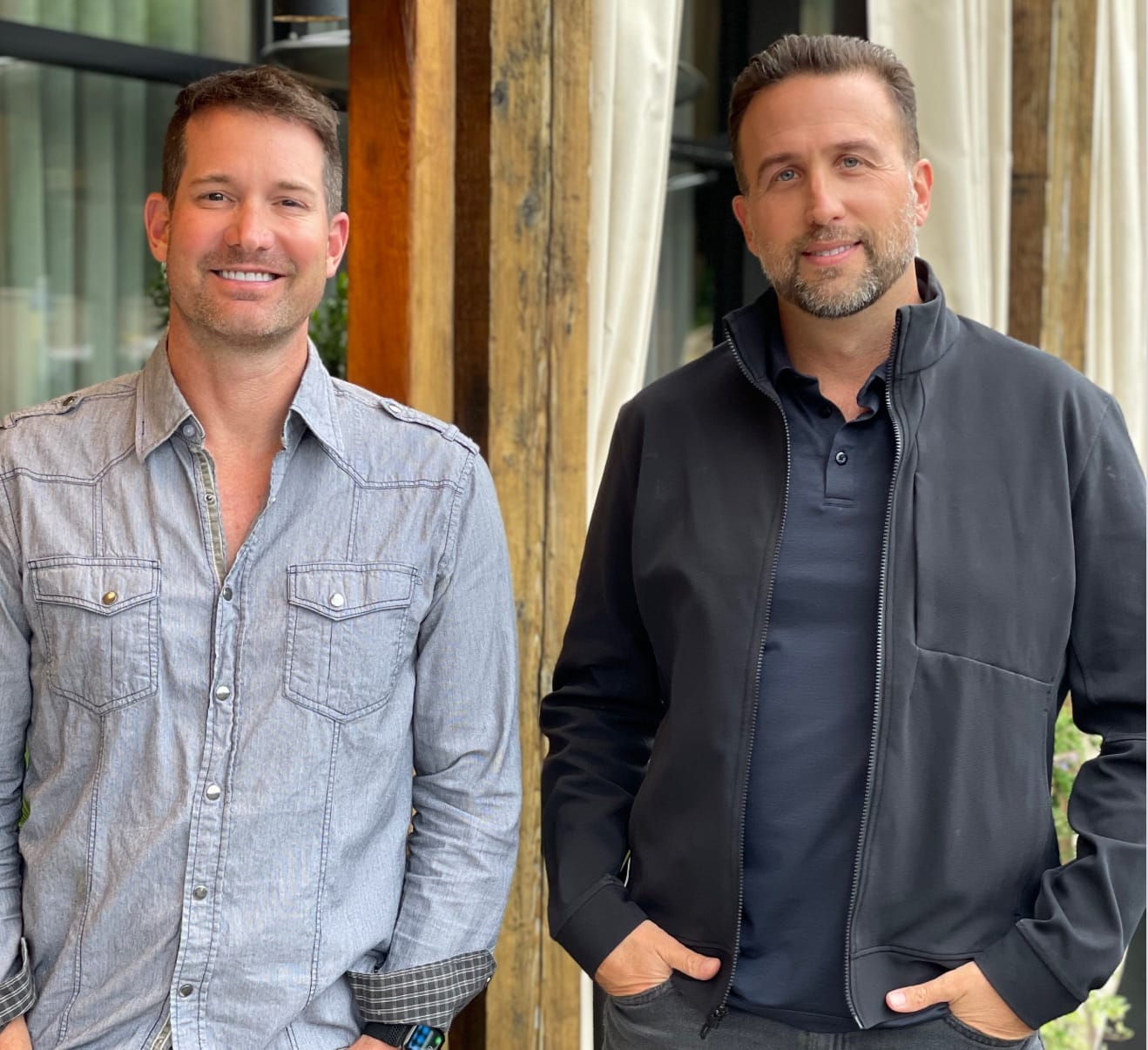
Building a Thriving Dental Practice: Things We Wish We Knew, Reducing Vertical Integration, New Marketing Hacks
Bulletproof Dental Practice Podcast Episode 301
Host: Dr. Peter Boulden & Dr. Craig Spodak
Guests: Dr. Trey Tippit & Dr. Dwight Peccora
Key Takeaways:
Developing a Dental Practice
Key Considerations for Establishing a Dental Practice
Establishing an In-House Dental Lab
Investing in a Cutting-edge Dental Lab
Recruitment of Skilled Ceramists and Designers for Dental Labs
Effective Marketing Strategy
Addressing Challenges with Automated Review Processes
Optimizing Vertical Integration to Enhance Efficiency
Renowned Speakers at the Bulletproof Summit 2023
References:
Mighty Networks: Bulletproof Dental Practice
Tweetables:
There are a lot of ways to grow, and it is not always bigger, better, faster. It’s not always revenue and it is not always profit, there are more other ways to grow. – Dr. Trey Tippit
Full Episode Transcript
Below is the complete transcript of this episode of the Bulletproof Dental Practice podcast. Prefer to listen? Find us on Apple Podcasts, Spotify, and YouTube.
Read the full transcript
The following transcription was from the Bulletproof Youtube channel. Here is the https://www.youtube.com/watch?v=QjnX_qDcXuM&t=3s
Dwight Peccora
0:00:00
For the listener, let me say this. I think if you're starting a practice, you've got extra time on your hands. You have more time than money. You should absolutely be doing what Peter's saying until you get hundreds and hundreds and hundreds of positive reviews. And then you're like, hey, I want this to continue to go forth and I want to go build my next one or I want to expand. And I've gotten to the point where I want the energies of my team on more important things and that's fine. And then it's a scalable model. But I love the idea that we're talking about this because at different times and yes life cycle is different
Peter Boulden
0:00:30
Craig did start this. It was one of my childhood ambitions, Dwight. I'm not going to lie to you.
Peter Boulden
0:00:35
I always told my 10-year-old self, I grew up on a postage stamp.
Peter Boulden
0:00:38
So it was one of my, you know, you try and check the boxes to make your 10-year-old self happy. I think – I feel like that's all that life really is. That's what I'll say.
Peter Boulden
0:00:45
And so, you know, land was something, especially when I saw Craig and the enjoyment he got and the quality of time he was having with his family and stuff like that, that it was very – it was very cool. So it was kind of like it reminded me, A, to do it, and B, I pulled a trigger, even though it's a non-income producing asset that I have now, but it's been cool. So now you're right, Dwight, I'm looking at tractors and shit like that.
Dwight Peccora
0:01:25
I love it.
Peter Boulden
0:01:26
But you know, it could be good therapy. They always say that there's good therapy when you can isolate yourself. Trey and Craig may be the only two of us that can have experience with this, meaning good therapy time behind a wheel where no one can reach you and shit like that. And you're just you and you. And the noise, you can't take a call on a trip either. Right. It's even better. You're in the country where your cell phone doesn't work very
Trey Tippit
0:01:49
well. It's the best feeling.
Craig Spodak
0:01:51
Yeah, that's pretty cool.
Peter Boulden
0:01:52
I think so. So I have to leave. I have to go to a place where there's no reception like that. Yeah. So 0% interest in the John Deere. That's fricking bad.
Craig Spodak
0:02:00
We'll see. We'll see. I haven't told my wife yet.
Peter Boulden
0:02:04
So guys, no brainer. You can leave that out. No brainer. No brainer. Yeah. If you're listening to this, for a John Deere, use code Bulletproof and get…
Trey Tippit
0:02:16
Oh,
Peter Boulden
0:02:18
don't get Dwight started. Don't get him started. Hey, Dwight, I want to say, like, give us some updates. Talking about building, give us some updates. You are in, you are building something quite, I have some questions for you since, so you're building something quite impressive.
Peter Boulden
0:02:32
Again.
Dwight Peccora
0:02:33
I'm in full mode actually, this morning actually.
Peter Boulden
0:02:36
Yeah?
Dwight Peccora
0:02:37
A little meeting, it was a fun little, yeah, it's good catch up. I mean, this thing is flying up. In two weeks, I've got a dry building with drywall in it already. No, well.
Peter Boulden
0:02:46
Well, you had a steel building, right?
Craig Spodak
0:02:48
Uh-huh.
Peter Boulden
0:02:49
So really, it's an erector insert joke here, but erecting the steel building is pretty, pretty quick. Do you have an erection going on? I was going to say, cue Craig. Cue Craig. Yeah, thank you. I appreciate that. You got to do that trick because I could miss the softball. Yeah, I don't want you to miss the lob. Don't miss it. Don't miss it. So seriously, it's a tilt wall construction that's going up right now? Is that what it is? No, we have a
Dwight Peccora
0:03:11
steel building, so prefabricated 10,000 square foot building. Let's see, what was that? Week Thursday, so a week ago and the week before that. So now it's been two weeks and it arrived on trucks two weeks ago, we've laid the slab down. And now the building's fully up, steel structure's fully up, and now they're just wrapping it in exterior walls, stucco, and then they're gonna, by the 21st, so that's what, two more weeks. So it's a total of month, it'll be dried in and drywalled in a month.
Peter Boulden
0:03:42
So can I ask, let me ask a couple things. So is there something, you've obviously built a number of, I guess this is your kind of second big, big, big,
Peter Boulden
0:03:49
big build, right?
Dwight Peccora
0:03:50
Yeah, yeah.
Peter Boulden
0:03:51
So is there things, I'm building right now too, Dwight, an interior model, nothing as expansive as what you're doing. Invariably, just when I think I get the hang of something, you know, this is my now 10th build. I think I've got it figured out and then there's always something I'm like, my God, it's like a snowflake, right? They're all a little different. Where do you, where, have you had any like, oh shit moments yet? Or I mean, you maybe a little more.
Craig Spodak
0:04:17
Yeah, done.
Peter Boulden
0:04:18
Huh? Interiors were the, interiors typically were the oh shit moments.
Trey Tippit
0:04:22
I mean.
Peter Boulden
0:04:22
Well, okay.
Dwight Peccora
0:04:23
Yeah, yes and no. Building these buildings, what has been surprising to me is different than the other types. I've used steel in buildings for large expansive spaces, but the rest of it was all wood build and just custom everything and all that drama. These are so nice because you order them in essentially 10,000 square feet batches, and then there's nothing on the interior. There's no load bearing in the middle. So you can do whatever you want, right? The clear span buildings, right? Exactly, and I think that initially I was like, well, it's just giving me a rectangle, but then they now allow for so much variability
Dwight Peccora
0:05:02
in the look of the building.
Dwight Peccora
0:05:03
You can insert, you can choose that the front, because there's just giant lip of a freeway right in front of it. So we decided to raise the front of the building.
Peter Boulden
0:05:11
Oh, you pitched it, huh?
Dwight Peccora
0:05:12
So I pitched it just to make it look even bigger than the buildings around it. And so all of a sudden, all these little things that you're like, wow, that's actually pretty easy and you just kind of put it on order. It's amazing how practical that is. I do think that even walking through it today, it just has a lot more, I was walking with part of my team through it, it just has a lot more presence than you would have thought and it's just less complex. Because we walked in and we said, actually we want to make this room a little bigger and kind of make some changes. And it's just a lot easier because it's not a rectangle.
Peter Boulden
0:05:43
Because it's not a support or anything.
Trey Tippit
0:05:45
Yeah.
Peter Boulden
0:05:45
So I think Craig is right in that I think more of the oh shit moments come from, man, this outlet should have been 12 inches over here, and why is it above counter? For example, I just caught something down here, and they were drawing a water line down to my cafe area. And I was like, I never had that on the plans. You know, they're like, yeah, you did. There's an ice maker. I was like, there's no ice maker. We don't have an ice maker, you know? So stuff like that, where I think, so I think Craig is right.
Trey Tippit
0:06:12
I think it's really good.
Dwight Peccora
0:06:13
The interior, yes. The plumbing right now, I did find some plumbing that was like, they started right on par at one side of the building and they kept measuring and you know, they're taping down the walls or they're slapping down the walls of where they're supposed to be. By the time they got to the other end of the building, it's like slightly off, and there's some plumbing outside of walls now. So now they gotta go adjust it.
Peter Boulden
0:06:32
Yeah, that's easy. That PVC's an easy fix.
Dwight Peccora
0:06:35
Did you listen to the mastermind call from last Friday? Some of it, I got to the-
Peter Boulden
0:06:39
I actually talked about that.
Dwight Peccora
0:06:41
We went over a segment called like, the things, you know, like six things of which I had known kind of thing, and I led that, and plumbing was in there, right? Meaning every office I've ever built, the plumber had gone in and put 90 degree, and Trey, you were saying, they had put 90 degree bends in the HVAC, I'm sorry, in the vacuum, not HVAC, in the vacuum lines. And really, from a Bernoulli's principle, it crushes the suction power. Craig, insert another joke there. But, and so, in every single project, Dwight, I had to go in and be like, what are you guys doing? At minimum, use 245s, and at best, use a sweep line, not a 90 degree. So I'm glad you're on site is where I'm going with this. So many of us.
Peter Boulden
0:07:28
Trey, you've had an experience where you actually had to rip up the concrete, right? This episode with the Bulletproof boys. That would be me.
Trey Tippit
0:07:33
I've dealt with that, though.
Peter Boulden
0:07:34
What, Craig? This episode, plumbing with the Bulletproof boys.
Peter Boulden
0:07:38
Oh, God, shut up.
Peter Boulden
0:07:41
You know what, the minute something gets technical or like, or plumbing, I'm out. I just want to do Kumbaya shit.
Dwight Peccora
0:07:50
I love that you brought up the 245s and here's the thing. I've got my plumbing guys out there, I've got my construction guys, and then I've got on top of that my supplier, you know, they're like, oh, my dental supply guy's going out there, Burkhart Patterson, whoever the hell you use They're going out to inspect it. So it's on them, right? It's on them, right? I still go check the 245 and no matter what and I check because I don't know it's not an obsessive thing It's because every time I find something stupid, you know, it's a smart thing
Peter Boulden
0:08:17
Yeah, it's a very smart thing, right?
Peter Boulden
0:08:19
And that's a that is a micro fix in the on the front end and a catastrophic fix on the back end, right, Trent?
Trey Tippit
0:08:25
That's right.
Craig Spodak
0:08:26
Yeah.
Peter Boulden
0:08:27
So, anyway, that's cool. So, there was a bunch of other examples. We won't go into there for fear of Craig saying, like, the minutiae. He's going to crush me on the minutiae here. So, let's go into feelings. Let's go into feelings.
Trey Tippit
0:08:43
Feelings.
Peter Boulden
0:08:44
He just popped up.
Trey Tippit
0:08:45
Look at the energy in his face. I love feelings. So that's really guys when I do a plumbing job or a drywall job
Peter Boulden
0:08:53
I always make sure that you have a good breather and a good amount of drywall mud
Dwight Peccora
0:08:58
Don't give you that shit breather. You know no no no the breather Oh, you had us there, but the mud not so much, but it's standard
Peter Boulden
0:09:05
So you so you lay pipe and then blow mud feet death? That's not good, man. That's not good Oh my god straight. That was the laying pipe. I got hosed tray. You could have bought my f-250 for a steal. Well, apparently I still can right now. Well, I know, but what's up with you? You know, you're a Texan, and I put all this work into the truck. You could have just picked that up so easily. It's true.
Dwight Peccora
0:09:28
I got it.
Trey Tippit
0:09:29
It's true.
Dwight Peccora
0:09:30
Do you all care to explain for the people who are not a…
Peter Boulden
0:09:31
Yes. Well, anyway, sometimes you got to go too far in life to know when is the right amount. And I went too far with my lifted F250. Peter, you're partly to blame because you said, man, you got me into the Raptor and then you know what the real flex is? I'm like, what? You sent me that Roush F250. And once you sent that to me, I was a blinded thinker.
Peter Boulden
0:09:55
Yeah.
Dwight Peccora
0:09:55
Fuck in your head.
Peter Boulden
0:09:57
But yeah, but one thing for the listener-
Peter Boulden
0:09:58
That car was too alpha for you.
Dwight Peccora
0:09:59
It wasn't even those three Alphas. It's just that I'm very comfortable in my pre-SV.
Peter Boulden
0:10:07
No, but it's for those that are contemplating, F250 is a hard daily driver.
Craig Spodak
0:10:13
That's all I'm asking.
Peter Boulden
0:10:14
Yeah, yeah, yeah.
Craig Spodak
0:10:15
But now you're happy.
Peter Boulden
0:10:16
All right.
Trey Tippit
0:10:17
I'm happy.
Dwight Peccora
0:10:18
All right. It's like 80% of the trucks on the road here in Houston, so why is it a hard daily driver? Well, you got that highway balance, man.
Peter Boulden
0:10:25
Yeah, so if you're hauling a 16,000 pound trailer or a cattle trailer once a week, you're gonna have to eat some shit sandwiches and drive it. But if you take a trailer once every quarter, you don't wanna have your fillings rattled out of your head. And it's a six by eight that he's dragging?
Trey Tippit
0:10:41
Yeah.
Craig Spodak
0:10:41
I'm so amazed when he's covering.
Peter Boulden
0:10:43
No, Tregg actually has a legit farm,
Peter Boulden
0:10:46
like with legit farm equipment.
Trey Tippit
0:10:48
Real chickens.
Peter Boulden
0:10:49
Real shit, so I can't poke fun at that anymore. Trey, talk to us about your builds. What's going on builds acquiring building metaphorically speaking. So a first we opened our startup build is done. Nice. And they tell me, yeah, let's pack. Let's unpack this. May 1st was opening. Okay. May 1st was opening nightmare to get through it all. And we went into, uh, I think we went into eight and a half months from the day I signed. I finished Sunday, I opened Monday. It was about always a bit work. No anything, just opened and ran with it. And that's been a rough gig from the standpoint of it was difficult to market, it was difficult to handle anything because we were still buried in trying to get it done.
Trey Tippit
0:11:33
But yeah, it opened up, we got month one out of the way.
Peter Boulden
0:11:37
Ideally, what do you think is a time? I think this is a good fodder, right? If you're opening an office, Dwight, how long do you give yourself a soft opening for?
Dwight Peccora
0:11:46
Soft opening? I do a full week of friends and family is where I'm going with this. No, we don't even do that.
Peter Boulden
0:11:53
I do. I'm just telling what I do because I can't afford.
Dwight Peccora
0:11:56
I'm thinking about the last few. It was no more than three days.
Peter Boulden
0:11:59
Okay.
Trey Tippit
0:12:00
Okay.
Trey Tippit
0:12:01
Well, that's important.
Peter Boulden
0:12:01
We do eight or two to three days, if all is appropriate. Everything goes according to plan.
Peter Boulden
0:12:06
So Trey, yeah, that is pretty ballsy to get in there and be like, all right, let's see how shit works
Dwight Peccora
0:12:10
with live patients, right?
Peter Boulden
0:12:11
It was a rough first day. You know, the saving grace is we, you're not, we didn't have a that packed schedule because we weren't sure when we were gonna finish. So it was hard to market to pick a schedule. So we had a handful of patients day one, we had plenty of space, and it was just explained, hey, this is what might happen. And we give people breaks on cost if it runs into issues during their appointment.
Dwight Peccora
0:12:34
Can I tell you why it took me a while to think about that answer? You know, it's interesting while you're saying that because every time it's been less and less over time, it's kind of like, because right now this next one, we're opening this 10,000, the building for that practice. So you've got, we've got like four to five, if I'm correct, four or five people that are being added to that team that are currently hired and trained at central location, which we used to not do. Right. So I think that's maybe part of the reason why we wouldn't, we probably won't even do a soft opening in the next year. It wasn't so much for the people, Dwight, as it was just, yeah, exactly. Exactly. That's true. Yeah. It's more just like shit just goes, you have to have some dry runs and sometimes things don't manifest until a couple cycles in is where I'm going with that. So it's not the people at all, I hear you. In that 10,000, Dwight, you're not doing 10,000 dental though, right?
Peter Boulden
0:13:27
You're doing about half dental.
Trey Tippit
0:13:28
Yeah, about half.
Peter Boulden
0:13:29
Yeah, and then you're leasing.
Dwight Peccora
0:13:30
Is it already pre-leased or is it just ready to go? I've got two people fighting over it and I haven't decided yet or gone with it. There's only one other tenant? Well, there's one that only wants half of it. The other one wants the whole thing. And then the one who wants the smaller half of it has another tenant that could want the other half. So it's kind of like, I like a secured one because I like a single tenant to take on both spots. And more importantly, they're kind of a less of a car traffic type. So I'm trying to figure out some of those dynamics.
Peter Boulden
0:14:03
And honestly, Dwight, I think the signage will look clunky if you start getting a bunch of 1000-foot, you know what I mean? Like it make it look cleaner, distracts from yours. So we were talking about signage on the mastermind a bunch and there was someone who was like, hey, how big should I go on the signage? And Craig and Trey were like, Dwight, you too, I think even, you weren't there, but you would have said this, you know, it was like, how big will they allow you to, you know, from the county perspective? And he's like, but that could be like $50,000 in Craig and Trey, like, yeah, it'll be over the lifespan of the building,
Dwight Peccora
0:14:36
the best money you could have ever thought about spending.
Trey Tippit
0:14:39
I actually told them, I'll buy the sign for you. And you can run it off me.
Peter Boulden
0:14:44
But I mean, listen, if you think about your new building expense and you categorize the signage into a marketing expense, just for your own mental math. Because some people that are listening to this may be contemplating a new build and, you know, looking at the numbers, you know, 10, 20, whatever, $30,000 a month, whatever the daunting level of expenditure is. You could actually think, okay, if I have two signs or one large sign, how much does a local billboard cost? A local billboard costs 6,000, 7,000. You can categorize some of your building expenses, marketing, just for your own mental math to make you feel better about it because it's, it's massive. I mean, your new buildings, the building that Trey has or Dwight, or we all have the biggest portion of his curb appeal. And for all the thousands of people that drive by, if you're in a busy main and well, that was like the other example, we were kind of analyzing on behalf of someone was like looking at buying something inside of an office park or an office building, and we basically were like, whatever, you're gonna spend 10X over the course of marketing to get patients in the door in this building as you would have just kind of a standalone build. Yes, building is $350 per square foot. Yes, it's gonna be more expensive. And we've kind of ran through, it was pretty neat. We've kind of ran through all the math and it was like, then it was like, oh, wow.
Trey Tippit
0:15:53
But the way-
Peter Boulden
0:15:54
And on more efficient expenditure too, guys. So the marketing expense is you literally save the dollars you spent. But with a building, you know, with the way the tax laws are and, you know, bonus depreciation, cost segregation, stuff like that, each dollar you spend in the building is so much more efficient.
Dwight Peccora
0:16:11
And also, Craig, to your point, recouping that in a sale if one day there's a sale, right? No different than like renovating your kitchen at your house. You're probably going to recoup that at the sale.
Peter Boulden
0:16:21
Why not live in your money?
Peter Boulden
0:16:22
Right.
Peter Boulden
0:16:23
Right.
Peter Boulden
0:16:24
But you're never going to recoup the marketing expense.
Peter Boulden
0:16:26
No, definitely not.
Craig Spodak
0:16:27
It's completely gone.
Trey Tippit
0:16:28
Right, completely gone.
Peter Boulden
0:16:29
There's a recurring, I guess you could argue, because as a guy who used to spend $30,000 for television advertising, we stopped it 10 years ago. We still get patients.
Peter Boulden
0:16:37
Okay.
Peter Boulden
0:16:38
All right. Well, for argument's sake, let's just say that when it's gone, it's gone.
Peter Boulden
0:16:43
Right?
Dwight Peccora
0:16:44
The signage always gets bigger on every new bill they make.
Peter Boulden
0:16:46
Oh, for sure. It's funny. The local ordinance, though, there's always a battle with trying to fight it. I think that's why we were like, how big will they let you? Because typically, the tendency is for communities to kind of push smaller and smaller kind of thing, right? As it detracts from an architectural standpoint. Dwight, how many ops are you putting in? And then Trey, I'm going to ask the same question to you, per square foot. So 5,000, you're putting in 10. So that's 500 square feet per op. This is going to be pretty spacious.
Dwight Peccora
0:17:13
Correct.
Peter Boulden
0:17:14
Good, Trey, same.
Trey Tippit
0:17:16
I have five ops and 2,000 square feet.
Dwight Peccora
0:17:19
So 400.
Peter Boulden
0:17:20
400. Craig, if you had to do your math on yours,
Peter Boulden
0:17:23
just to give some context, your building. 13,000 square feet, 18 ops currently. Okay, so even like eight, yeah, okay. And then, Craig, where are you on your build,
Peter Boulden
0:17:35
your expansion right now?
Peter Boulden
0:17:37
So we're still in plans. There's a lot of moving parts because we have to stay operational the whole time. So we're going to be adding, I think like only like 3000 new square feet or 2500 new square feet additional, but we'll be putting five operatories. You pulled trigger though, right? I know that you were kind of. Okay. No, I'm doing it. I'm doing it. I'm reluctantly doing it though, guys. I feel like, you know, business, I would think of that. Well, because dentistry is really retail, right? That at its core, I'm sorry to offend the listeners that take offense to that, but retail establishments need to stay fresh and relevant. And also either, you know, to quote Peter from prior podcasts, you're either growing or dying and innovation. This is, this is done with a different spirit. It used to be like, I've got to do this. I want to do it. Not that I got to do it, but I want to do it. It's going to be so exciting. This is I'm doing it because I have to do it. Like I feel like if I don't, I'm gonna start coasting and coasting to the beginning of dying.
Peter Boulden
0:18:32
Is that a strong enough gravitational pull, Craig?
Peter Boulden
0:18:35
It has to be, it's fine. There's a lot of things I do that I have to do. But it will be badass, I'm gonna redo the entire interior. It's gonna be a really. No, it is top tier. You guys, like, I look at the level, Trey, you wanted your camera went out and so, but it's, I look at Craig's like the plans, you know, and the organizational and the architectural things that are set up. And it's crazy. It's crazy how much, how high level, high brow your contractors and such are. Yeah, I'm going to go full, full, like full out. Like it's going to really blow this away. And every piece of material that we're having in this place is going to be gone. This place is 12 years old, Pete. Yeah, well, yes.
Peter Boulden
0:19:14
Yeah, it looks great though still. I can say that is
Peter Boulden
0:19:16
someone up years old. I'm sorry. I'm just there so I can say that it looks still great. Um, one thing you said, Craig, that thinks really important to touch on is in retail. You need to have a refresher. That's important. Even if it's nothing but a paint job every four or five years, but that makes a big difference. Trade just came back with his Lumina camera on. Look at that.
Trey Tippit
0:19:37
I didn't do anything else.
Peter Boulden
0:19:38
I just opened it and I popped up close up.
Trey Tippit
0:19:40
Look at his pants.
Trey Tippit
0:19:41
Look at that.
Trey Tippit
0:19:42
They look great.
Peter Boulden
0:19:43
Wow.
Trey Tippit
0:19:44
Look at that beard. Look at that beard.
Peter Boulden
0:19:46
Look at that grain. For those of you not able to watch of all the ones where Trey was just a little speck
Dwight Peccora
0:19:49
on the screen, now he is full face and glorious on your screen.
Craig Spodak
0:19:54
He's glorious.
Peter Boulden
0:19:55
It is. Individual fibers of your beard.
32
0:19:57
I mean, really.
Trey Tippit
0:19:58
Yeah, it's pretty solid.
Peter Boulden
0:19:59
Curly Qs going in every direction. For those people who can't grow a beard that beard hurts people's feelings. Yeah, your beard is your beard is toxic masculinity tray He told you so recently. Yeah. Well, my wife said that is unacceptable She's Persian so like you person before she basically has a beard yeah Don't play this don't play this you don't have an editor brother. Yes. Are you good? It goes live. It's okay.
Trey Tippit
0:20:27
It's too late.
Dwight Peccora
0:20:29
I think that's the more common word for a Persian, though, so you're good.
Dwight Peccora
0:20:33
That's right. That's right.
Dwight Peccora
0:20:35
So one thing that we're doing, I told you kind of like about the build, but also I think I mentioned this, you know, sometimes I confuse the context of where we had conversations. But anyway, we're building out a giant lab. I determined, and I think I told you guys, but did we have this discussion on a podcast? I think on office hours.
Peter Boulden
0:20:54
OK, so we spend about two million dollars a year in labs in my in my aggregate ecosystem. OK, so and I've always been hesitant to open up an in-house lab, mainly because I saw it my first associateship in 2001 or two or whatever it was, I saw a practice that did it and it was such a shit show. And it went from a degradation of quality, right? And so maybe, and Craig, you've always kind of pushed me to kind of like look at that, so to speak, whether it's in-house mailing or whatever. Again, it wasn't until recently that I was like, look, our spend justifies this A. I think that's a big inflection point where there's a big cost savings or efficiencies that could happen, a speed to delivery, these kind of things. And I think the tech is finally there. So anyway, making a pretty sizable investment actually right next door. And I gotta say, I'm pretty excited. I'm pretty excited about it. A, these are giant pieces of equipment. So they're all, I know we've all seen like the tabletop things, but we got a lab. Like these are the printers, 3D printers are the size of refrigerators. The milling, zirconium miller is, no bud, no.
Craig Spodak
0:22:05
You won't talk about it, I forget.
Dwight Peccora
0:22:06
Go on, go on, go on.
Peter Boulden
0:22:07
I'll tell you, but they're giant and they're automated and they're made for high level of production lab. So anyway, I just updating as I'm asking you guys updating and I'm answering, I'm asking myself the question, what's new with you Pete,
Peter Boulden
0:22:21
since none of you jackasses will ask me.
Peter Boulden
0:22:23
Well, I'll tell you my, I'll give you my opinion on the lab because I think we talked about this. I hopefully wasn't on a pod. If it was, comment below that we're getting old and senile. But, you know, a lab is not in itself a cost savings thing. I contend that it's not, but I think it's a massive patient benefit. You know, I've got a buddy of mine who drove an hour and a half because he can have a same day crown. It's just in my mouth, if I broke a tooth or when I break a tooth, I am going to do everything in my power to make sure I can get it done the same day. This is better. I don't want to get knocked twice. I don't want to deal with it all. So I think even if you didn't lower your lab costs by a single dollar, Pete, it's going to be a net positive to your practice. And there are two ways to make money, either save more or earn more. So let's just say it actually costs you 10% more, but it helps you generate 30% more business, win. Who cares? So I think you're on the wrong, I like where you're going, but once you see it, because you don't know the myriad of benefits of same day and immediate results and stuff like that, differentiation factor alone. The cool thing is, Bud, is like, kind of going back to the benefits of partnership is that I am least educated in this realm of dentistry than all of the dentists in my organism, ecosystem, especially my partners. There's some guys that are just absolute wizards in the whole digital workflow, and they are going to absolutely discover things that are gonna be transformative, I think, for dentistry. I am looking for ceramists and digital designers at this point, so if you're hearing this and know someone or you're a ceramic, I reach out to you, because we are actively looking, we've got some good people.
Dwight Peccora
0:24:00
Let me, hey.
Craig Spodak
0:24:01
What are you laughing at?
Dwight Peccora
0:24:03
He's laughing at Trey's screen because it looks so good and it keeps going back and
Trey Tippit
0:24:07
forth.
Trey Tippit
0:24:08
I'm looking at Trey looking at the globe.
Peter Boulden
0:24:09
Is he following me around?
Trey Tippit
0:24:10
Yeah.
Peter Boulden
0:24:11
So it's looking at Trey by himself as I move.
Peter Boulden
0:24:12
What are you laughing at?
Peter Boulden
0:24:13
The look of pleasure and then watch, slow down, stop. Watch what it does.
Dwight Peccora
0:24:19
Watch what it does to him.
Peter Boulden
0:24:20
It really zooms in like a thing. Don't move. It just zooms in on him. And I'm just watching him looking at himself, admiring his beard. Look, he's gone from his 500K webcam to a 4K camera. You went from Commodore 2000 to like better than Peter's. Okay, go ahead, Dwight.
Dwight Peccora
0:24:39
I think the biggest issue with what you're talking about as far as the transition of a lab from being able to get things done quickly, you can get, blah, blah, blah, to then taking it to this level of massive quality and expectation, blah, blah, blah, blah, blah. I think the biggest difference, I know it was for me, and I know that, Craig, you scaled up your lab also because of this. It's when you had a pioneer doctor or a doctor who's known to kind of spearhead the project that was fully bought in, but now just keep amping it up. Because one thing is- She's in Ramy….Ramys, and that capability to do that, and it's awesome. You can do all kinds of things. When you've got a doctor who's going to double down on making sure that it doesn't just look beautiful, because the ceramics will make it look beautiful and give you a bulky buckle cusp that locks in the bite, jacks you up and can rip out even an implant. But the truth is, when it's all held in there, it's all brought into accountability and you start merging that, guess what? Your quality of patient care also increases with the development of the lab. And so I think that, you know, I believe Dr. Gandhi is the one that's really kind of. And I mean, a brilliant human being like him, who not only has a passion for what he does, but has a passion who's going to make an impact across the board, like that makes a big difference. Bart does a lot of that for you.
31
0:25:55
Like there's, there's an impact.
Peter Boulden
0:25:56
Yeah, Bart's coming in as an owner in the lab too, by the way, I didn't tell you guys
Trey Tippit
0:25:59
that.
Trey Tippit
0:26:00
Oh, that's great.
Dwight Peccora
0:26:01
Yeah. And even at a smaller scale, even if you're just bringing in Sarek, if you've got your doctors buying in on that and holding accountable to each other and new associates come in and they're looking at the associates' preps together, even in a doctor's lounge, something to that degree, the lab makes everything go up. Right. And so I'm just adding that to Craig, adding values. The values are sometimes different than like, is it going to rain money? No, but the value ROI to the practice and to the individual doctors and then more so to the patient, it blows it all out of the water.
Peter Boulden
0:26:34
I'm hearing a similar thing in Peter too. It's like, are you really excited about this personally? Probably not, but it's something important to your organization and it's important to the doctor that's going to spearhead it and it's really good. But I got, I am excited, Craig. I'm excited because I think it's like you said, growth or contraction, but you got to pick one. And I think there's many ways to do it beyond the scope of just building more things. And I think it's, so I do think I am excited. I feel a little ignorant, quite honestly, in the tech, but I just don't have the bandwidth to stay current with it. You don't want to be the guy spearheading it. I was that guy. I was buying off with the fancy equipment and they turned into code hangers because no one gave a crap about it. So you gotta find someone who actually cares and then back that person. Your skill is I've got marketing and dollars to spend, but you guys all have to love it and promise you're gonna use it. Right, and that was a conversation. I think, Dwight, you actually said that it was like, look, this is an all or nothing. If all of us don't agree that this is gonna become like pushing in, then like it makes no sense. It makes no sense.
Peter Boulden
0:27:33
So, awesome, awesome.
Peter Boulden
0:27:35
Did any of you guys put down a, oh, actually I have an update. Update, I know I'm moving all over the place,
Peter Boulden
0:27:40
unless anyone has anything else on that lab thing.
Trey Tippit
0:27:42
What is it?
Trey Tippit
0:27:43
Let me say one thing on the lab thing. You mentioned growth and how it is, you know, you're building, there's a lot of growth, you're growing or dying, you want to be moving in that direction. There's a lot of ways to grow. And it is not always bigger, better, faster. It's not always revenue, it's not always profit. There are other more creative ways to grow that will also lend itself to those things. And a lab's a really good example of that. Cause we use a lab for training. Yeah. Now I can, now I can from a distance have someone else put eyes on preps from anybody sending to us. And we use an eye to limit chair time because I don't want to do same day treatment, but I want to have decreased time and temporaries and I want to have decreased adjustments.
Peter Boulden
0:28:22
That's exactly it. Trey, you hit it. Craig, here's why I'm excited. And Trey, Trey, you nailed it for me. It's a vertical integration that reduces my vulnerability on me having to beg and call every lamb. They can't please have this in three weeks.
Trey Tippit
0:28:35
No, sorry, we're six weeks out.
Trey Tippit
0:28:37
Fuck, really?
Dwight Peccora
0:28:38
I got to keep this person in temps for, you know, so, and that couldn't have happened, I guess is the bonus of that is I couldn't happen until this inflection point of having to me an aggregate level of revenues where I'm like, okay, I justify it. And I actually asked a number of people who were who were very wise in the field of starting a lab. And I said, what's the what levels of production or collections do you think that an office should be looking at doing bringing it in-house? Take a gander. What do you think that the levels full full stage? So not just a printing, but full stage milling, pressing out of full time. Two and a half. Okay. Okay. What would your guess be? I would have thought closer to five. I just, I think with the inherent cost of technology.
Trey Tippit
0:29:24
I would lean more towards Greg.
Peter Boulden
0:29:26
Two and a half million, you can justify it. Yeah, so the consensus in the room of people who kind of had been there, done that, I guess you could say, was around right at about four million was the thing. They said that's where, so everyone's, yeah, you guys are kind of split the meat yes we're kind of consulting all the business models too if you're just a solo doc I know this guy an Aspen he's he's been in our podcast before Andrew he is one doctor one set of hands a couple patients a day he has a lab he pays his lab tech really good money and it's a massive benefit to his practice yeah it's not a one size fits all trade.
Peter Boulden
0:30:04
I understand, Craig.
Craig Spodak
0:30:05
I understand.
Craig Spodak
0:30:06
I think one thing that I'm really excited for you, Peter, is I bet after you go through the process and it's a year in your rear view mirror, you're going to say, shit, I would have done this a long freaking time ago. Yeah. Like, Trey, there's going to be some ass, there's some sweet ass ass kicking coming up for me and us in the next, between now and Thanksgiving, for sure. I'm going to be in the mud. You know, I always talk about dirt and clouds and like, this is going to be some dirt coming up, but, but some, it makes the clouds a lot
Dwight Peccora
0:30:33
sweeter when you get back out of them.
Craig Spodak
0:30:35
Yeah.
Peter Boulden
0:30:35
I don't know how we would practice and do what we do without a lab. I'm so cool.
Peter Boulden
0:30:38
I'm fired up.
Peter Boulden
0:30:39
Well, thanks guys.
Peter Boulden
0:30:40
That's good.
Trey Tippit
0:30:40
That's good.
Peter Boulden
0:30:40
Uh, that's good. Okay. So I update on my end. I'm a pivot real quick, just kind of. Uh, automation and things that I've noticed and things that as I switch to an automated platform for my reviews, I can now have data points. As you guys remember, my review aggregation protocol, if you will, was having people independently reach out. So a year ago, we were sending kind of curated messages
Dwight Peccora
0:31:06
asking for reviews. As of recently, we had a software that was like, don't worry about this, we got this now.
Trey Tippit
0:31:14
I have some data.
Peter Boulden
0:31:14
Does anyone want to guess the difference?
Craig Spodak
0:31:16
Oh yeah.
Peter Boulden
0:31:17
Can I guess please? Your software is 25% as good as your old process. So four times more reviews with your process. I'm going to go double in the other direction. You're going to guess that, that my reviews have gone up with the software. I'm just aging by your your prowess right that's what I like to tell you you know how right and how good I am if it was
Trey Tippit
0:31:43
Is not to get what I'm saying at all
Dwight Peccora
0:31:45
No, the second I bring any kind of value to like and I do the research and I bring the conversation You just want to crush trust my crush. I love you Peter. So I know good. All right, Dwight. What's your guess?
Peter Boulden
0:31:55
my guess is
Dwight Peccora
0:31:57
Exactly. I'm reading the same situation where I'm sure that the person who did interact with them at the front desk or on the team and asked for a personal review is more likely to get the review than the piece of software.
Peter Boulden
0:32:11
Yeah. Okay. So you say Peter's process is better than the software.
Peter Boulden
0:32:15
I'm not saying better.
Peter Boulden
0:32:16
Look. No, I know.
Peter Boulden
0:32:18
I just know.
Dwight Peccora
0:32:19
I'm not saying better.
Peter Boulden
0:32:20
Hear me out.
Dwight Peccora
0:32:21
Hear me out. I'm not saying better, Craig. I'm saying, what I'm saying is one is easy button automated takes zero human effort right right the other one takes so there is some value to that meaning I would pick the zero human effort button even if it's only 25% as effective it's 43 43% 43%
Peter Boulden
0:32:42
I thought so I was 25 I was the closest one because when you automate software and add that, you do not replace the human touch. You automate the software, you do that, and you still say, hey, we're gonna send you a-
Peter Boulden
0:32:58
No, no, no, no, no, no.
Peter Boulden
0:32:59
I hear you on asking for it, but like, you can't, I'm saying from a digital means, the outreach was sending a curated text message versus a stamped template of what it sends out to everyone. That was what I'm saying. Can we go off topic just for one sec? I'm proud of myself that I know you so well, Peter. Because, but you can ask the question. I honestly, listen, if Trey asked that question, I would say software's winning. But I think, and again, this might be a bias, and I do love you very much, Peter, I'll say it again, I do think this is a way for Peter Boll to say, I've got an amazing process.
Peter Boulden
0:33:34
Look at me.
Peter Boulden
0:33:35
Look at me, that's why I said it.
Dwight Peccora
0:33:38
Actually, okay, fair enough. Maybe I don't even know my own blind spots, but like what I was trying to say was, in this instance, the old school way is superior to tech. And I think that goes back to Trey's comment, the human touch.
Trey Tippit
0:33:52
Human touch wins.
Peter Boulden
0:33:54
All right, I'll tell you what.
Peter Boulden
0:33:56
Here's what you have to think of. Tech is not a replacement of it. It should be used in supplement too. Yeah, but tray.
Trey Tippit
0:34:03
No, but you don't do a tray.
Peter Boulden
0:34:04
You don't send via bombardment spam. We have tons of people do that, and we constantly talk it from people saying, hey, we're going to send you something. No, I understand that, but do you – Peter's process was generating an outbound piece of communication. Do you do that?
Trey Tippit
0:34:19
No, I standardize that.
Peter Boulden
0:34:20
That doesn't do anything.
Peter Boulden
0:34:21
All right, let me come to the consensus of what – I mean, I'm sorry, conclusion of what I was trying to say. And this goes in treatment presentation and all the things, in my opinion. Greg, you smiling?
Peter Boulden
0:34:31
I just have so many rips and I just, I'm gonna leave you with me people. I'm just gonna keep, I'm gonna be quiet. You know what? I'm just gonna be the guest listener.
Peter Boulden
0:34:40
You guys go ahead.
Peter Boulden
0:34:41
No, no, I just, I have to hear your program. But keep hearing your program.
Dwight Peccora
0:34:45
All right, so in dentistry, I think when you can create, it's so easy for me when I get automated text to ignore them, no one will know that I'm doing, right? It's zero accountability between the human and the human. Even though, Trey, you said, hey, we're going to send you something. If I, Peter Bolden, am in your office, you're like, we're going to send you something. I'm like, cool. And then I get the obviously templated text verbiage from it. I'm like, they'll never know that I'm not going to do this, delete versus versus versus saying, Hey, I might, I might send you, I Sally, or you know, I hygienist might send you something and I'll send you something later today.
Peter Boulden
0:35:22
If you have time, it'd be awesome. If you could, you could do this. Yes, I will. No, I won't.
Dwight Peccora
0:35:26
And then it's actually received on a personal level, right?
Trey Tippit
0:35:29
How is that not templated? You make a unique one every single time. Yes.
Peter Boulden
0:35:35
How do you do that? Like through the message, through the SMS app protocol of the software. No, but what's the content of it to make it unique for every single.
Peter Boulden
0:35:44
Hey, enjoyed our visit today, Sally.
Trey Tippit
0:35:46
I can't wait.
Peter Boulden
0:35:47
No, I let me finish. Let me finish. I'm listening.
Craig Spodak
0:35:51
Hey, enjoyed our time together, Sally.
Peter Boulden
0:35:52
I hope you really enjoyed Disney World. If you have some time today, I know I talked about the review. Please take 30 seconds and put up some stars for us. Can't wait to see you when you get back.
Trey Tippit
0:36:05
Good on you.
Trey Tippit
0:36:06
That's a good idea.
Peter Boulden
0:36:08
So I would say I would argue you would have done this too, would claim that it's better and you would still template it. You still would not have that deep of a deal. I just said that is correct. I called it. I said you would not be willing to do what Peter's doing.
Trey Tippit
0:36:25
Peter, that's a so.
Trey Tippit
0:36:26
I mean, that's it. That's not true either, but that the idea though is making sure you go to that level to do it. Otherwise it's not worth doing.
Peter Boulden
0:36:33
Right, I'm not willing to do it.
Peter Boulden
0:36:35
No, me neither.
Dwight Peccora
0:36:36
Well, I'm not doing it either guys. I'm saying like, no, no, I'm not willing to do it. I'm not willing to have, I'm not willing to implement that type of a template, lacks scalability. It's not a template, but okay, I hear you. It lacks scalability, therefore the human touch.
Peter Boulden
0:36:54
So let's look at numbers.
Peter Boulden
0:36:56
Am I the only one actually?
Peter Boulden
0:36:57
In your office, how many reviews do you have?
Dwight Peccora
0:37:00
I don't know. I think I'm the only one of us though that is strictly fee-for-service.
Peter Boulden
0:37:03
Dwight, are you strictly fee-for-service? Yeah. So maybe my mandate is that I have to do that. I don't know.
Trey Tippit
0:37:09
It's a good idea.
Trey Tippit
0:37:10
It's a good idea.
Dwight Peccora
0:37:12
For the listener, let me say this. I think if you're starting a practice, you've got extra time on your hands.
Peter Boulden
0:37:17
You've got more time than money.
Dwight Peccora
0:37:18
You should absolutely be doing what Peter's saying until you get hundreds and hundreds and hundreds of positive reviews, and then you're like, hey, I want this to continue to go forth, and I want to go build my next one, or I want to expand, and I've gotten to the point where I want the energies of my team on more important things, and that's fine, and then it's a scalable model. But I love the idea that we're talking about this because at different times and different
Peter Boulden
0:37:41
practices, we can be doing different things.
Peter Boulden
0:37:42
Yes.
Peter Boulden
0:37:43
Life cycle is different.
Trey Tippit
0:37:44
That's right.
Peter Boulden
0:37:45
I think we have about, I think, aggregate probably 2,500 reviews.
Peter Boulden
0:37:46
And I think probably the biggest one- Single office. 1,100.
Peter Boulden
0:37:48
Okay.
Peter Boulden
0:37:49
So, my bet is that all of us are going to be somewhere in that 1,000 range. Yeah. In that, from every single different deal. And granted, yes, for fee-for-service, there's that. There's different size patient bases, there's different areas from a geographic standpoint. But the argument that I would make, although I fully agree with yours because I think a personal touch is always better and will always get more, but the end result is going to be ballpark the same. Hey, Pete, what office has, what did you say, 1,100? Which one has 1,100?
Dwight Peccora
0:38:22
Missouri City for us is 953.
Peter Boulden
0:38:26
Which one now?
Dwight Peccora
0:38:27
Buckhead.
Peter Boulden
0:38:28
Buckhead.
Dwight Peccora
0:38:29
Let's see it.
Trey Tippit
0:38:30
I would think it would be Buckhead.
Peter Boulden
0:38:31
So, Trey, I agree. I agree. All right. Well, that's good stuff.
Peter Boulden
0:38:35
So, the point I'm making is if you do a unique test of, hey, we did this, now we did this, which one's better, that's academic masturbation. Because which one's better is going to be, yeah, maybe, but it's easier to do it in the
Peter Boulden
0:38:49
life cycle.
Dwight Peccora
0:38:50
Well, which one's more effective to the net? So, so Trey, we, I track this.
Peter Boulden
0:38:54
So this is interesting. I'm glad you're bringing it up.
Dwight Peccora
0:38:56
Which one's better.
Peter Boulden
0:38:57
Do they both get the job done?
Craig Spodak
0:38:58
Yes.
Dwight Peccora
0:38:58
But I actually report, I have reporting back on the number of reviews per location per month, because I want to make sure that that cadence stays consistent because we've all seen where an office or an operator will say, Hey, we haven't had a review in six months. What the hell are y'all doing?
Peter Boulden
0:39:16
And all of a sudden you have a burst in reviews at your office. Sure. And then it goes back to being a ghost town. Guess who does not guess who sees that data and, and doesn't like it. And it's not the consumer Google, right? Because you're obviously doing just what I told you to do. And they kind of know that. So the cadence is really important to me as is the volume of that cadence. So that's.
Trey Tippit
0:39:39
But here's the. So I agree with that. But I do the exact same thing on a totally different story. My point being they both work and generate the exact same life cycle of practice factors in all those other things. Do it. The idea becomes, or I guess my argument would be both would be best. Make it, but also.
Dwight Peccora
0:39:56
I want to talk.
Peter Boulden
0:39:57
You can't have too many touch points though. You can't, you can't ask someone too many times is where I'm going.
Dwight Peccora
0:40:01
And if so, it can't be, you know, redundant asks. One
Peter Boulden
0:40:05
from a software, one from a human, one from a desk. I agree with that. I just want to say one other point to this as well is the human capital that it requires to do this. And Peter, I take my hat off to you because it's a lot, but so many things that our people have to do, and there's so many things I want them to do, you know, it has to be extremely different to me to allocate the human capital to do that. And again, it's just a different way of looking at it. What if it was one person? Well, it depends on what other hats that one person wears. Okay. I mean, I'm going to bring something like Peter has, you know, some of his key people or many of his key people write out like a description of what they've done, right? On a daily, you have a couple of people that do that.
Craig Spodak
0:40:51
Yeah.
Peter Boulden
0:40:52
So I think that's an incredibly valuable thing in its understanding of what they do. In my culture and for my specific thing, and I cannot say this is right or wrong, so there's no judgment in this, I would not do that, you know.
Dwight Peccora
0:41:07
Yeah, but Craig, but one of my, okay, the main reason I do that isn't just so I can see how much you're doing, it's A, are we aligned? And honestly, one of my superpowers, and I said this to you guys all the time, there's not many, but I see things like three steps before most people, right? And so I'm like, I want to make sure
Peter Boulden
0:41:23
they're working on the right thing, directionally.
Peter Boulden
0:41:26
Daily though, Pete?
Dwight Peccora
0:41:28
But daily, sometimes it helps course correct. So the daily direction doesn't turn into a 30 day waste of time. So I'm interested in the longevity of the data. So because the problem for me, the reason I claim it's scalable, and I don't want people to just be like, well, multiple locations, you have to think only about scalability. I think consistency in human work, whether there's turnover, whether there's some people you've gotten onto them, therefore they're doing the reviews pretty obsessively and doing what they need to do. If we were to say, I don't know, like you just asked, so you've got Tippett's, Main Office, you've got 825 Reviews, Spodek, I know you went through a big drop, you're at 945 again, you were in the whatever, thousand, whatever. And then Atlanta Dental Spa, Buckhead, 721, you might have lost some reviews too, I don't know. Or Bendental Shore, 953. We're all within that same category. I'm interested in knowing how many years we've been asking for that. Because I think that for me, since the beginning, I slapped a podium or whatever and automated this stuff from the very beginning, which is why I have my results. And I have reason to believe that I might've been doing this for less years than some of us have. And therefore I have to think back and I have to say, well, maybe asking for it is a humanistic activity, which means it's not consistent. And maybe over time, consistency might be software. That's my thought.
Trey Tippit
0:42:50
I'm curious.
Peter Boulden
0:42:51
I mean, now you're valuing consistency over, over…
Dwight Peccora
0:42:55
Years and years and years.
Trey Tippit
0:42:56
Well, yeah, correct. And that's what adds up.
Peter Boulden
0:42:58
Small baby steps leading to big results. This is just another illustration of why I think dentistry is the most beautiful profession.
Trey Tippit
0:43:05
I agree.
Trey Tippit
0:43:06
I agree.
Peter Boulden
0:43:07
It's a great example.
Dwight Peccora
0:43:08
We just, we have different, we have different approaches, different psychologies about why and how we should do it. And we all, like Dwight's saying, we all end up around the same point.
Peter Boulden
0:43:18
I can't even remember how many I had. Do you all remember how many I had? It was a lot, like 1,200 maybe.
Dwight Peccora
0:43:23
You were at 1,200, you're at like 945.
Peter Boulden
0:43:26
No, but like before I got them all removed, it was like 1,300. I remember it went down to 800, I was mortified when it went down to 800. I didn't know it was going down to 800.
Peter Boulden
0:43:35
Oh dude, you were like, I'm gonna, I remember you calling me like,
23
0:43:38
I'm gonna sue, I'm gonna sue Google.
Trey Tippit
0:43:41
Well, it makes you gonna lose.
Peter Boulden
0:43:42
Yeah, I mean, it was crazy. We went all, we went from being the highest rated dentist in like Florida to the worst rated dentist in my entire county. They only left bad ones, which is wild to me because we never literally, I would even tell team members beforehand, like, well, I want to write a review. I'm like, have you become a patient yet? You know, don't you? So it's wild, but yeah, it's, I do believe Google, like Yelp, and again, this is just my speculation, they are in the advertising business. And if you have a dentist in a small community, like a Fort Bend Dental, that's got a thousand reviews, and the second closest rated dentist is 45 reviews on Yelp or whatever, they're going to take you down. They have to, or else how would anybody want to participate in their spend?
Dwight Peccora
0:44:26
I think it's incredibly important to have these conversations, because if what happened to Craig happens to me in six months, I might have normally freaked out, and I'm going to be like, hey, Craig, it was me too, because it's the reality of it. But I mean, you do freak out, because they can do that to you.
Peter Boulden
0:44:41
But the same way a sitting president of the United States could be de-platformed if, I mean, I'm not making it political, but if you can be a president and be kicked off of Twitter, what's going to stop Google from kicking off measly Dwight and Fort Vandenberg?
Trey Tippit
0:44:59
Good luck with that.
Dwight Peccora
0:45:00
Yeah, exactly.
Peter Boulden
0:45:01
A thousand percent. Yeah. It's like social, it's like redistribution of social credit. You can't be too big.
Trey Tippit
0:45:07
Yeah.
Peter Boulden
0:45:08
And granted, if I was in Atlanta Metro, maybe, you know, there'd be other sizable competition. You know, there's other dentists that have ratings that are in the magnitude of your number, Peter, maybe not your quality of all five stars, but you have other dentists and butt kids. Sure, for sure. We are not the Lone Ranger, that's for sure. You are absolutely right. You're highest rated, but your numbers are not that remarkable. Completely, completely. Yeah, I wasn't claiming that at all. I know, I'm just saying that that's the reason why I think. Yeah, that's the reason why it's foot on the gas always, right? Yeah, so that's all I got. I was kind of just to make a moral lesson to that guys to bring it back to feelings because that's what I love to do. So when that happened to me, I figured like, holy shit, I am completely fucked. Like the phones will stop ringing. We're going out of business. I am certain. It was a massive economic impact to that potentially in the millions of dollars. Um, but what, what's great about, you know, being in practice and a business owner, essentially being bulletproof is your resilience. So for those that are listening, that are facing something that is like, Holy shit, this is going to completely demolish this. The first step of all the dominoes falling of my entire life and my business, I can tell you it's not. Your, your business is resilient. Your people are resilient, and if it's a flood or a fire or a Google, it's just par for the course and you will get through it and it'll actually make you happier. What makes people happy is resilience, being able to survive the insult. It's not that the insult should or shouldn't happen because I thought that was super unfair. Why me? Why me? And then I'm like, you know, I don't have cancer. Shut the fuck up. It's Google. Who cares?
Trey Tippit
0:46:47
You know what I mean?
Peter Boulden
0:46:48
Like, be thankful. And I think if you don't get that message and you wallow in the why me, God or the universe, whatever you believe in, will turn up the volume and crush your bones even harder. So whatever you're going through,
Craig Spodak
0:47:02
you know, thank you.
Peter Boulden
0:47:03
I completely agree with that, Greg. The context is super important of like, the woe is me.
Peter Boulden
0:47:09
And, and, uh,
Peter Boulden
0:47:10
We all do it.
Peter Boulden
0:47:11
I, I gotta tell you though, I have started going, I have actually started, I think I mentioned this, master my call is that I really review, whenever I'm feeling like how am I doing, how's things doing, vulnerable or whatever, I actually review the pathway just to audit, to make sure that things are being done along the way, right, the reviews and all this thing. I really look at like how strong are we in all these things and if I can say like really strong, then guess what? Like it actually makes me feel better. Maybe that's, Greg, you're gonna say, well that's your own cooking, of course you're gonna feel that way and all that stuff. But like I think having whatever it is, your own process, your own pathway, Dwight, I'm sure you have your own, you know, I always give the example of pilots. My dad flew pilots through planes for 30,000 hours. You know, he didn't need a checklist on his last flight, but he walked around, did it with one? Yeah. You know, I think having processes and something you can say, okay, the plane is safe to fly. Okay, the practice is as bulletproof as it can be. Right. I think it's just nice to have that as opposed to, oh, I hope things are doing okay right now. I don't know.
Peter Boulden
0:48:16
You know? And diversification too, Peter. You know, one thing that's super important, I was talking to Dennis yesterday, he's like, no, I definitely don't want to own my own practice. So he said to me, so business ownership is not for me. I'm like, hold it, hold it, hold it. I understand that you don't want to own a practice. Totally cool. Dentistry is going to be your checking account, but your savings account is going to be ownership of other businesses, whether that's ownership of Amazon stock or commercial real estate or whatever. For those that don't wish to open a dental or own a dental practice. Totally cool. Awesome. But you must be a business owner to create wealth. Because if you're having a linear exchange of time and money, you'll never get rich. And Naval Ravikant says, if you need a degree to do it, it will never make you truly wealthy. So for those that are not dental business owners, totally cool, 100%. I think it's really cool to decouple your earnings and your retirement account. Like for all of us, if our practice is imploded, our retirement, our earnings, everything goes down together, at least the majority of it. So for those who are saying, I don't want to own a dental practice, fine, but don't say that you do not want to be a business owner because you need to do one of the, you need to do a business ownership of some sort. I think it's important. And I look at you, Dwight, with the controlling interest in the real estate that you're going, being an incidental percentage to your total net worth. Do you see that Dwight or not really?
Craig Spodak
0:49:45
Yeah, yeah.
Peter Boulden
0:49:45
Yeah.
Dwight Peccora
0:49:46
I, I am like your buddy, Randy. I keep an eye on my net worth development as much as I do my balance sheets on my businesses, and I think it's really important to watch that. That was something I was taught early on by my father and keep an eye on some of those things and diversify where that's coming from. But I think it is important to know that your business is going to output a lot of other businesses, to say the least.
Peter Boulden
0:50:11
It's the cash that you use for business. But if your pace continues, Dwight, I don't imagine, and again, I might be getting too personal here, I don't imagine you owning larger and larger and larger percentages of Fort Bend Dental. You're going to probably own the percentage that you own, then the organization will grow, but not as fast as your real estate empire will grow. Well, they're coupled though, Gregg. They are. They're not coupled from an ownership interest. No, no, no, no, no, but you're right. But the value of one is predicated on the other and vice versa. Right. Well, wind up happening at a certain point, especially with the Fort Bend Organizational appetite for expansion, he's really the business you're in and the business you're becoming. Dwight is slowly but very steadily becoming a real estate professional.
Dwight Peccora
0:50:58
And Dwight is experiencing like we had on the call. The arbitrage situation presented himself to him and he said, I'll take that because I can build this building for two and immediately with a 10-year long-term lease in there, it's worth four and a half million. So it's immediate arbitrage.
Peter Boulden
0:51:16
And that's why we-
Peter Boulden
0:51:17
The tax efficiency of it, his dental income is heavily taxed.
Dwight Peccora
0:51:20
I mean-
Peter Boulden
0:51:21
Heavily taxed. We got to remember that. Everybody needs to hear the number one expense in your life and your practice is not your salaries, it's taxes. Number one expense for all of us. Right, so that four and a half million gets eventually, or I guess 80% of it now in 2023 from a bonus depreciation standpoint, gets abated from the AGI, gross income, over years, and that's a carry forward deduction.
Peter Boulden
0:51:41
It's crazy, right?
Dwight Peccora
0:51:42
So these are the things, I can't wait for Randy. Randy's teaching at some of this. I know he was on the pod. Craig, I know you've mentioned him so much, and Randy's gonna be at Summit kinda talking about that. Dwight, I think there's so much power to what you said. I'm gonna go back to that. Monthly, you visited on a monthly increment. You look at the net worth, your net worth, right. My wife and I, we sit down, we know exactly what our personal balance sheet is, what our net worth growth is, where it's scaling, where it's directed. And the truth is, is it's just as important, if not more important, because it gives you freedom of direction in deciding where you're going and where you're investing in alongside your businesses, whether just dentistry, whether just your practices, and then taking those steps. And I remember that that was a big portion of the rationale of how I was able to make that decision on that first one. None of the partners wanted to build when I built my first building, right? And even I had to sit back and say, do I want to build this four and a half million dollar building? Do I have the cash? So I was like, you know, I'd been in business before. I was trying to kind of recruit that cash, put it aside. Now Amanda and I have been together most of my life. I mean, when she, when we got out of college, we bought our first car cash. Like we were, we were those types of people who knew what we had, what we wanted to avoid spending on, what we wanted to invest into, those types of things. And, and that's not easy, but it was a hard decision to say, hey, let's, let's do it. But we had a lot of clarity because we were watching those numbers. We were watching where that was going and we understood some of the other components. Now, it was through mentorship, as I was sending you all the video of the first time I was standing on that land and it was like, here we go. There's that first one. And it was mentorship that then you got to take advantage of the other benefits that I wasn't necessarily knew about. I mean, extremes. I knew of some cost segs, but not to the level that now I've pushed it at, right? Tax savings, development plans, how you take the aggregate value of one building than has aggregating increased its appraised value, and then you can throw it over to another building. You keep augmenting things of that nature. That's all coming from collaboration amongst colleagues, friends, mentorship. And I think that that's a big deal for me, but it has to be aligned with the fact that I actually know where I stand today and where I want to go.
Craig Spodak
0:53:57
It's so good.
Peter Boulden
0:53:58
I love that, I mean, you just said. So, I mean, some of these laws, guys, we hear about like, you know, Atkins law or Pearson's law or whatever. Pearson's law is something I see really being the truth in that and what you're just saying that, you know, what we give attention to usually grows essentially is the nuts of it. And and, you know, when you are that consistent with your review, you know what worked, what didn't. How do we pivot, right? You know, how do we course correct if we're not tracking or going the way we want? Because there will be mistakes along the way, right? But if you're just kind of like, oh, I hope everything works out, you know, what do they say, like planning to fail? Failing to plan is planning to fail. Right, yeah.
Dwight Peccora
0:54:43
So I think that's great.
Peter Boulden
0:54:44
Really, you know, right when Randy said that he did that every month and I was, you know, that was obviously doing it too.
Dwight Peccora
0:54:49
And I was like, I like this guy.
Trey Tippit
0:54:52
Yeah.
Dwight Peccora
0:54:52
Yeah.
Dwight Peccora
0:54:52
Well, it makes you feel good because in some ways you feel a little obsessive, or you feel a little focused on the wrong thing, or it's like, am I too money hungry? Or, or it's like, it is the method by which you should know. These decisions we can make, especially within our business, or when you're buying some personal stuff, that's a large ask or an asset of whatever type. Like, how do you not know what's going on? Like you can find yourself in pretty deep doo-doo just trying to be like,
Peter Boulden
0:55:19
Hey, I'm going to.
Trey Tippit
0:55:20
Yeah.
Peter Boulden
0:55:20
Are you over extended is a thing. And sometimes banks will catch that and say, we're can't approve your loan because they don't want to say you're overextended, but you're overextended.
Trey Tippit
0:55:28
That's right.
Peter Boulden
0:55:28
Um, you having the knowledge of just saying, Hey, I see your dinky little PFS statement that you just sent me for me to fill out in pen, but here's a spreadsheet.
Dwight Peccora
0:55:37
Here's mine.
Peter Boulden
0:55:38
Beat it, troll. Right?
Dwight Peccora
0:55:39
I need it updated every month. It can be automated. I mean, that's the gameplay. And I think we put a lot of that effort into building our business, or at least at some point in time, we get mature enough in our business where we automate that to give us that data by the seventh day.
Peter Boulden
0:55:52
I don't think you automate.
Dwight Peccora
0:55:53
Right.
Peter Boulden
0:55:53
I don't think you can.
Dwight Peccora
0:55:54
I don't think that is something you want to automate. I think that is something that needs your human eyes on.
Trey Tippit
0:55:59
Yep.
Peter Boulden
0:56:00
When you data enter that spreadsheet, you become very familiar with it. Yeah, it's like remember writing shit in your own handwriting when you were in school? You learned a lot quicker, right? And just then taking someone else's notes, which I think I did too often. Can I borrow your notes? It didn't work so well. Can I borrow your vision? Can I get a copy of your notes? Take a copy of your vision. I like your vision. Yeah.
Craig Spodak
0:56:24
That's awesome.
Peter Boulden
0:56:26
All right, as we are right at an hour, unless any of you guys got any closing things?
Dwight Peccora
0:56:33
Hey, quick one, Summit.
Peter Boulden
0:56:35
We still got a little bit of tickets left, still some rooms blocked, but we got Kyle Stanley, who I'm super pumped about. He's gonna be speaking on the main stage along with Uchi Odyatu. Uchi Odyatu. Uchi Odyatu. But yeah, Kyle's a rock star. Kyle's doing really good work, guys, on fulfillment and burnout. I mean, never mind that he has Pearl AI, which is badass, I've heard, but he's doing a lot of heavy, heavy lifting on burnout. There's a major, major crisis going on, a mental health crisis going on in dentistry. What is he speaking at Summit on? On that, on his fulfillment, on his beating dental burnout thing. That's a very pertinent and great topic. It is.
Peter Boulden
0:57:19
Why do you say that, Trey?
Peter Boulden
0:57:20
I think that dentistry in and of itself is a stressful profession and it's a lonely profession like we've talked about. The joke I always make, although I love dentistry, but the joke I've always made is that the next career I have I'm selling something that people want, which basically means drugs, sex, rock and roll, fifth booze. But Alright, it's a very different world that we live in where we're selling two-inch needles in your face. And although we all like to pretty it up and say we're selling a smile and all that stuff, which we are, but you got to overcome the two-inch needle too for 1500 bucks or whatever the deal is. So it's not a, you have the stress of people are not your biggest fan, plus you live in what Greg always touches on, you live in micro millimeters.
Craig Spodak
0:58:08
Right.
Peter Boulden
0:58:09
Success in millions, right?
Peter Boulden
0:58:11
Yeah. And then couple that with the fact that we're not kind to each other, but repetition over a 30 year period burns anybody out. And what we do is attention to detail. So it puts us at the forefront of that burnout, that burnout train.
Trey Tippit
0:58:24
You got to be really-
Peter Boulden
0:58:25
Some of this dental, you think some of this, I don't know the name of it anymore, guys, but like this dental porn shit on Instagram, you think that's adding to it or not?
Trey Tippit
0:58:33
Absolutely.
Craig Spodak
0:58:33
Yeah?
Trey Tippit
0:58:34
Absolutely. That's garbage.
Peter Boulden
0:58:35
I mean, I know this, but I'm just saying, do you think that that's contributing? Wow, my cases don't look like that. I must be a failure kind of thing. And we didn't see all their 10 shitty cases before that one magical one, right? So do you think that, Craig? For sure. I think the biggest thing, the common thing that unnerves and settles most human beings that I've had the pleasure of working with is a typical story goes along like, hey, I think you could really help me. Okay, why? Because you have all your life figured out and I see what you're doing. I'm like, hey, buddy, I don't have my life figured out. It's really, really hard to be me sometimes and I struggle. Really? It's hard? Yes, it's really fucking hard for me. And there's days that I feel like I'm doing it all wrong. There's days I feel like I have imposter syndrome. There's days, there's moments before Summit where we get on, like, am I really fit to teach these people? So it's a human phenomenon that we all believe that we suffer alone. And when you realize that all the people suffer, the greats and the not so great, it's this permission to be like, okay, it's normal. So I think the trajectory is that people in the dental porn or whatever you want to call it, just think that the other people don't have it tough. And it reminds me of quote, people get rewarded in public for what they intensely practice for in private. It is meant to be hard. No, I'm not sorry. You're going through a hard time because we've all gone through it. And what happens in life is as we get older, things get harder. And then we go backwards in life and we look back at like last week or last month, when it was not that hard because something really hard showed up. Like this week, you're upset about your Google reviews. Next week, you're upset because a loved one is sick. And I think that's the beauty of life is the constant context that we get delivered by God or I believe in God. And sometimes I think you get older, Craig, you probably, I know you've said this, but you kind of are more proud of the adversity that you went through, right? The pain in the ass, the ass kicking, the tragedy you're going through was the actual reward as you look back and reflect.
Dwight Peccora
1:00:34
Yeah.
Craig Spodak
1:00:35
Yeah.
Peter Boulden
1:00:35
I mean, I know I'm stating the obvious for you. It's not the obvious for the average listener. So when Gavin was trying out for the All-Star game, baseball game, and in the middle of the game, you know, the coaches are taking notes, looking around the field. Gavin's got talent. He's the heaviest hitter in the league because he's a big boy. He's tall and he's strong, so he can knock that ball. He goes into the dugout. It's a hot day in Florida. He lies on the bench, lying down. The coaches are looking at him, and they're writing notes. I go over to Gavin. I'm like, Gavin, what the hell are you doing, buddy? He's like, Dad, leave me alone. I'm like, listen, I don't want to be here, bud. I want to go home. I want to go to the ranch. What are we doing here? If you don't want to take this game seriously, let's just bounce out like I don't need to be here This is your game because dad you're just jealous because you never were an all-star player I'm like listen, I was never a baseball player But talent is overrated and the problem for you son is you got talent because yeah, I do dad watch this He goes up he gets up there. He bounces the ball off the fences 200 and whatever the hell feet and Everybody's cheering MVP and guess what this motherfucker didn't get called for the baseball team. He didn't make the all-star team because talent is overrated. You know, I would rather someone be hungry and vested in their winnings and their failings than be apathetic and talented.
Craig Spodak
1:01:53
That's right.
Peter Boulden
1:01:54
It becomes a rudder if you're not careful.
Peter Boulden
1:01:56
Right, so. You have to get out of the mud. And I think that coming full circle to why there's so much unfulfillment in dentistry and unhappiness is because people are suffering alone in silence. And us as men, not to say that the girls don't have it particularly difficult too, men tend to suffer alone and cork it. And when you cork that, that becomes really
Peter Boulden
1:02:33
problematic. And the ladies, they
Trey Tippit
1:02:36
have their own set of unique
Peter Boulden
1:02:39
challenges between balancing all the other stuff they have to balance with. I
Dwight Peccora
1:02:27
Yeah.
Peter Boulden
1:02:28
That causes extreme desperation in our, in our profession.
Peter Boulden
1:02:31
That's good stuff. All right. Y'all talk about AI. I'm just kidding. Oh my God. Let's talk about AI. So anyway,
Peter Boulden
1:02:38
that's healing shit. Sounds weird. But anyway, back to robot stuff. Exactly. Anyway, gentlemen, great seeing you all. Great work. Thanks for listening. Thanks for working on this camera.
Dwight Peccora
1:02:55
If you like it, it's up comment.
Peter Boulden
1:02:57
We love a comment. We read every single
Dwight Peccora
1:02:59
comment.
Peter Boulden
1:02:59
Actually, you're right. And that's what, you know, I've noticed that other pods have been asking. I hear I hear more about people saying like, hey, watch the pod on YouTube, like even the big guys, because there's the ability to leave comments. Right. And like that is the oxygen for what I'm finding. Everybody, you know, because you want to see like, are we directionally going, making people happy,
Peter Boulden
1:03:19
creating value?
Peter Boulden
1:03:20
We're just talking to ourselves.
Dwight Peccora
1:03:21
Yeah. We need a piece of software to ask for comments.
Trey Tippit
1:03:25
No, but like, you know.
Peter Boulden
1:03:27
A generic template gets some, gets some results. No, but instead of calling me, I'm like, do you read all the comments, guys? I do.
Peter Boulden
1:03:32
I do, for sure.
Craig Spodak
1:03:34
Yeah, it's good.
Dwight Peccora
1:03:35
It's fun. It's fun to hear, you know, even if it's like an ass-kicking comment, where it's like, you guys are… Oh, yeah. You know, that's still fun. And when we get bad reviews, we are going to say… We get bad things said, we're going to publicly say the good… I'm just kidding. Publicly bring them up. Like the all-in bit.
Peter Boulden
1:03:50
Yeah, I was about to say, maybe that'll be our next check.
Dwight Peccora
1:03:53
No, because I don't want to incentivize people to talk shit. By the way, I need to say something about All In.
Dwight Peccora
1:04:02
Uh oh.
Peter Boulden
1:04:03
I haven't really been liking it lately. Oh, I love it! Nah, it's been super snooze fest for me. Just gonna say.
Dwight Peccora
1:04:11
Oh my god, I love it. Because they were getting political.
Peter Boulden
1:04:13
I like it when there was like actual teachings as opposed to like this grandstand. I don't know.
Peter Boulden
1:04:20
I love it.
Peter Boulden
1:04:21
Anyway, but we'll tell you my favorite one right now. Oh yeah. First millions or whatever.
Peter Boulden
1:04:26
First million. Yeah.
Dwight Peccora
1:04:27
That's a great pod. Which, which one should I check out first?
Peter Boulden
1:04:30
I mean there's, I'll send you one bud, but I think it's a really good one.
Dwight Peccora
1:04:33
I try out so many guys. I really do try a lot of pods out. And, and I, yeah, I don't find any that are really sticky and I hope, you know, I think I look at them to try and say like, well, what, why is this one sticky and this one's not, and let's not do what the not one is because you know, you want to make it as entertaining
Craig Spodak
1:04:53
as possible.
Dwight Peccora
1:04:54
And you know, even inside the world of dentistry,
Peter Boulden
1:04:57
which is, which is tough.
Peter Boulden
1:04:58
It is tough.
Peter Boulden
1:04:59
All right.
Peter Boulden
1:05:00
Thanks guys.
Peter Boulden
1:05:01
Good to see you.
Peter Boulden
1:05:02
Thanks guys.
Trey Tippit
1:05:03
See y'all.
Craig Spodak
1:05:03
See you later.
Trey Tippit
1:05:04
Bye bye.
Peter Boulden
1:05:05
It's what you'll be, what you'll be.
Trey Tippit
1:05:09
We're not gonna read.
Craig Spodak
1:05:11
Okay. Okay. Bye bye.
Transcribed with Cockatoo
Blog


















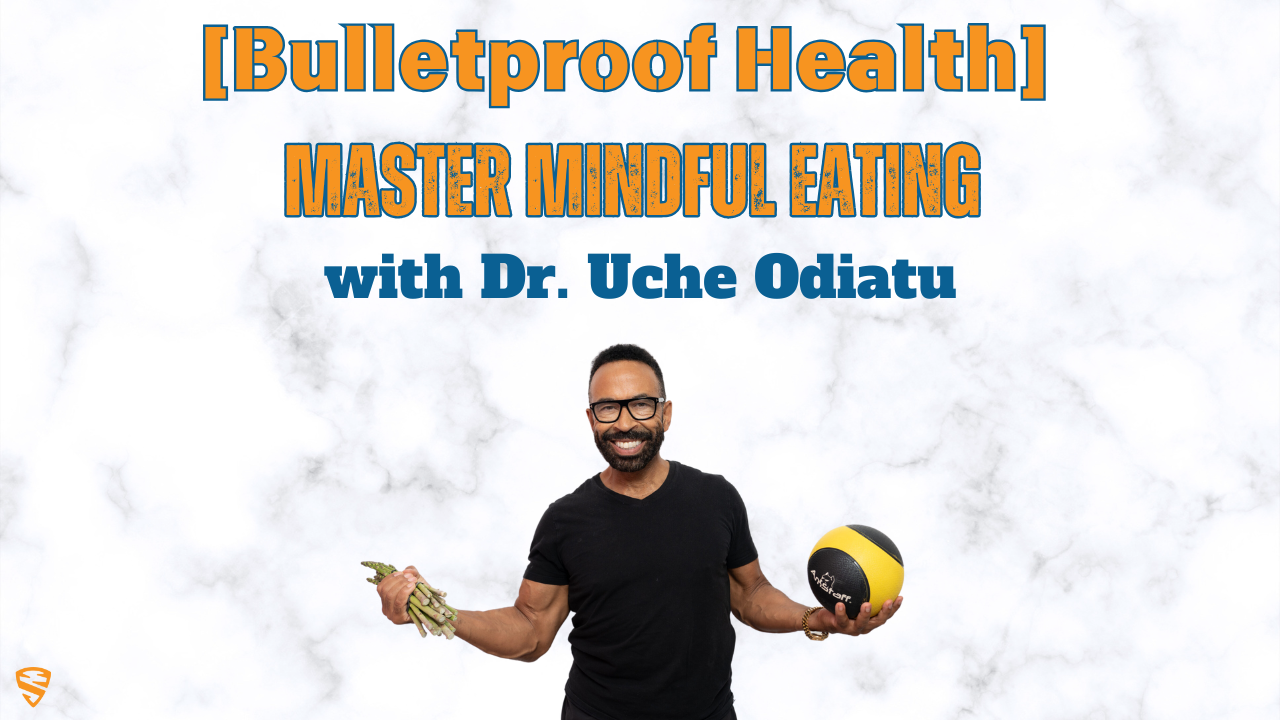


1+1=3 The Power Of Alignment and Delegation For You and Your OM with Erika Pusillo
, October 31, 2024















, June 15, 2023
, June 8, 2023
, May 31, 2023




Look at These 3 Stats if You’re Thinking of Going Out of Network with Teresa Duncan
, January 11, 2023
, December 28, 2022


Knowing What You Don’t Want with Judy Kay Mausolf of Culture Camp and Erika Pusillo
, November 30, 2022

Cabo This Week, Immersion Learning, Biggest Breakthroughs, Your Personal KPI is Net Worth
, November 2, 2022
, October 19, 2022






Business is not Productivity, Productivity is not Profitability with Chris Salierno
, September 22, 2021




















3 Biggest Bottlenecks of an Entrepreneurial Dentist: PART 2 with Perrin DesPortes of TUSK Partners