Reduce the friction when it comes to payments – Jay Letwat, VP Sunbit
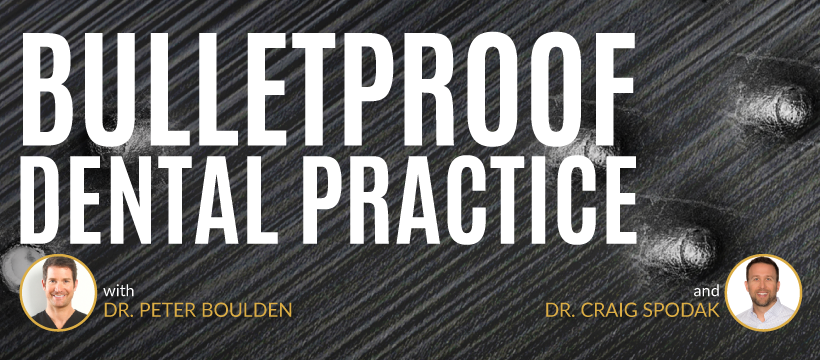
The Bulletproof Dental Practice Podcast Episode 316
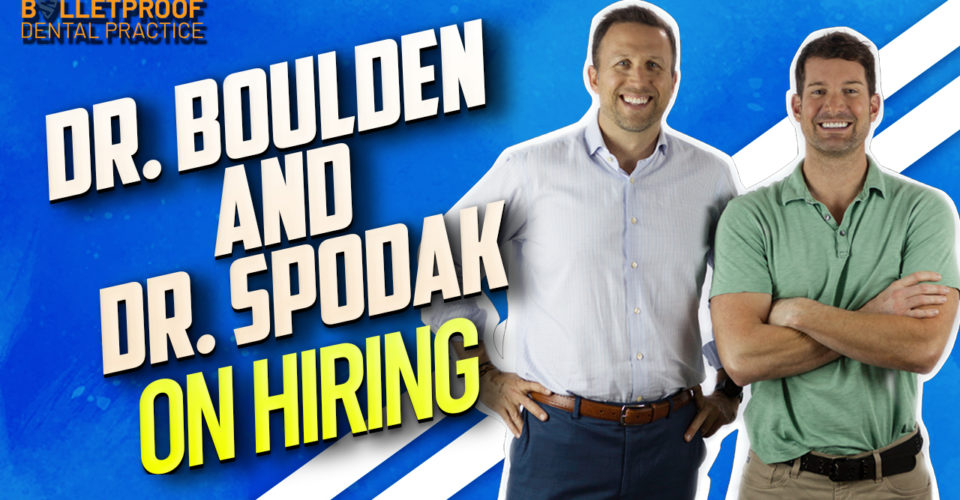
Hosts: Dr. Peter Boulden & Dr. Craig Spodak
Guest: Jay Letwat
KEY TAKEAWAYS:
- Introduction
- Sunbit
- Group Practice vs solo practitioners
- No one ever thinks of dentistry as an industry
- Better Technology Adoption
- Observing Office
- Dental Fees
- Digestible monthly payments
- Location for DSO
- Recourse on your loans
- Different than whether it’s recourse or non -recourse
- Associate patient financing
- Credit Card Score
REFERENCES:
Mighty Networks: Bulletproof Dental Practice
Full Episode Transcript
Below is the complete transcript of this episode of the Bulletproof Dental Practice podcast. Prefer to listen? Find us on Apple Podcasts, Spotify, and YouTube.
Read the full transcript
The following transcription was from the Bulletproof Youtube channel. Here is the https://www.youtube.com/watch?v=561kQfz-XC0
Craig Spodak
0:00:00
Can you believe this picture is of Gavin?
Peter Boulden
0:00:03
What a freaking maniac.
Peter Boulden
0:00:05
What a hunk.
Peter Boulden
0:00:07
You've got a hunter on your hands.
Peter Boulden
0:00:08
Okay.
Peter Boulden
0:00:09
Five, four, three, two, one.
Peter Boulden
0:00:17
Hey, everybody.
Peter Boulden
0:00:19
Welcome back to another episode of the Bulletproof Dental Practice Podcast. It's just Craig and myself. Craig, how's my audio? Your audio is wonderful. Oh.
Craig Spodak
0:00:28
Rich and luxurious, Peter.
Peter Boulden
0:00:29
I'm not gonna lie, I'm not gonna lie. I'm not gonna lie. I'm not gonna lie. I'm not gonna lie.
Peter Boulden
0:00:33
I'm not gonna lie.
Craig Spodak
0:00:34
I'm not gonna lie.
Peter Boulden
0:00:35
I'm not gonna lie.
Peter Boulden
0:00:36
I'm not gonna lie.
Craig Spodak
0:00:36
I'm not gonna lie.
Peter Boulden
0:00:37
I'm not gonna lie.
Peter Boulden
0:00:38
I'm not gonna lie. I'm not gonna lie.
Peter Boulden
0:00:40
I'm not gonna lie.
Peter Boulden
0:00:41
I'm not gonna lie.
Craig Spodak
0:00:41
I'm not gonna lie.
Peter Boulden
0:00:42
I'm not gonna lie. I'm not gonna lie.
Peter Boulden
0:00:44
I'm not gonna lie.
Peter Boulden
0:00:45
I'm not gonna lie. I'm not gonna lie. I'm not gonna lie.
Peter Boulden
0:00:47
I'm not gonna lie.
Craig Spodak
0:00:48
I'm not gonna lie. I'm not gonna lie.
Peter Boulden
0:00:50
I'm not gonna lie.
Peter Boulden
0:00:51
I'm not gonna lie.
Craig Spodak
0:00:51
I'm not gonna lie.
Peter Boulden
0:00:52
I'm not gonna lie.
Craig Spodak
0:00:53
I'm not gonna lie.
Craig Spodak
0:00:54
I'm not gonna lie.
Peter Boulden
0:00:55
I'm not gonna lie.
Peter Boulden
0:00:56
I'm not gonna lie.
Peter Boulden
0:00:56
I'm not gonna lie.
Peter Boulden
0:00:57
I'm not gonna lie. And yeah, I had it handled. So. And it's the Hinman. Yeah. Okay. That was terrible. I'm kidding. I was joking. You know, it was a good showing. I mean, my gosh. Like I forgot, the last time I went to Hinman, honestly, was, usually I went to go shopping for equipment, you know, because there's tons of equipment providers there, right? So the floor is just, you know, it's honestly, the big shows, they come, it's on that same floor.
Craig Spodak
0:01:19
And that's probably.
Peter Boulden
0:01:20
Oh, in Atlanta? Yeah, in Isabel Connors.
Craig Spodak
0:01:21
Yeah, I think of the Henman and the New York and the Chicago, those are like the big, big boys of mine. I've never been, I've been in a New York one once a long time ago. But you told me it was a big showing,
Peter Boulden
0:01:32
they're like, what, what do you say, a thousand?
Peter Boulden
0:01:33
Yeah, it's about 17,000, 17,000.
Craig Spodak
0:01:33
That's a huge showing, don't you think?
Peter Boulden
0:01:36
Yeah, I mean, look, I found out more about it. It's really it's a not-for-profit scenario They they do it wrote more as a there's a lot of good that comes from the Hinman to what I found out You know the guys are not are not cost prohibitive It's mainly as a CE aggregator to have people come in and like we heard with rich Constantine who was there really good guy in person I hope that came through on the airways, but I think he was so oversubscribed in the people that wanted to see him. Yeah, look, because it's interesting. It's contemporary content. I mean, everyone wants to know about marketing and what his experience was and how he's rolled this in because I think it's, you know, It's also relatable to the audience. Yeah, it's relatable to the audience. I mean, I think it's, you know,
Craig Spodak
0:02:29
it's also relatable too. One of those dentists that listens
Peter Boulden
0:02:31
could be doing some viral video and wind up on like. Yeah, we had some good discussions even offline after that. Like he was digging into the Bulletproof hygiene gals, asking them all sorts of questions and they were giving him feedback and it was great. It was great. It's great.
Peter Boulden
0:02:44
Nice guy.
Peter Boulden
0:02:45
So like I was telling before we hit record, I went down there on Saturday, and I started I was like you know I didn't see anyone that I knew that I was comfortable enough pulling in and saying hey Let's do a podcast so I attempted to fly solo on a topic that I wanted to do you don't know what that topic is But we're gonna do it today because I feel like it's better with you. It'll be better. Thank you bud. Yeah, we should that first of course so the topic Craig is going to be in the topic, bear with me, is reducing the friction in dentistry. Okay, can you unpack that a little bit for me? Yes, I'm going to, I'm going to. So where I go with this is I think that how hard are you making potential patients.
Craig Spodak
0:03:30
Oh yeah, like barriers to entry.
Peter Boulden
0:03:32
Exactly, yeah, like how, right, how hard is it for potential business, potential patients to do business with you. So I have five areas in which I feel that people really need to be kind of looking at in terms of auditing their systems and making sure that they've reduced friction as much as possible within their own ecosystem.
Craig Spodak
0:03:51
And I think that you look, I think that is gonna be
Peter Boulden
0:03:53
one of the great differentiators. You know, as we know that Amazon, look, the one touch buying or that one click buying, they found that the sales went up, if someone could just hit the button once versus having to do three buttons, that sales went up 42%.
Craig Spodak
0:04:09
Like at Shopify, where it populates your information right away. Like at Tesla, going to a mall, you have to go to some cheesy car dealership and there's no haggling. Like everybody pays different prices for cars, it's so upsetting. You have to be like skilled to go get a car.
Peter Boulden
0:04:25
So success is leaving clues, right? And these monster billion, almost trillion dollar, trillion businesses, trillion dollar businesses are leaving clues that say, hey, this is the way people are gonna function. And like I always say in the summits, Craig, that these big businesses are the ones that are indoctrinating our patients because they're using them every day on the way things should be. So it is incumbent upon us to try and do as much as we can. Granted, we're in a service industry, we're in a business that is location-based. It's not an Uber, it's not Amazon where things get delivered to you, but it still is the same thing. I think it behooves us to look at how we can kind of be more like them. Granted, it's not a direct analog, but it's a worthy exercise, right?
Craig Spodak
0:05:09
I like what you're saying. You're saying that people are being trained. Like, we never needed our stuff there overnight until FedEx came around and could do it. I was saying like, wait, I got this thing in a day. Why did I wait two weeks for snail mail? It becomes intolerable.
Peter Boulden
0:05:24
It's crazy. All right, so the first thing I think it starts with is where people need to be reducing friction is getting the information they want. Are they getting the answers they want? And this starts online. And I truly think it's where videos and comprehensive stuff on your website can help you get answers. Because it goes back to the law of reciprocity, Craig, and it gets more exciting from here, just so bear with me on this. But I think it really starts online where people are seeking something. They're pressed for time. They know they want to check off, I want to find a new dentist off their to-do list. And they're, but they have seeking answers. So, and to find those answers, can they get it all on the website? Meaning what's this procedure like? They accept my insurance if there's any, where's this located? Am I going to meet the doctor? All these things. Can they check off the boxes on your website? If they can't and they have to pick up the phone to find out answers, that could be inefficient for their day.
Craig Spodak
0:06:27
Correct. Of course.
Peter Boulden
0:06:28
Yeah. So that's where I think even bots can play a role, although people know their computers and bots, but at least you can you and I have them on our website and they're good for just, you know, routine answers of finding out information for people. So I think it starts online. And I think that is the greatest advantage is if you can educate and give people what they want, the law of reciprocity goes in and they say, wow, I got all my needs met. How can I give back? It's just how humans do. How can I give back? Well, how they can give back is by scheduling, which brings me to the next topic.
Craig Spodak
0:07:07
Well, I got one more thing on that too. getting your needs met, but it's also the, you know, we all know that the fundamental instinct of humans is to conserve calories, conserve energy. And if you have a brand that, you know, you're called Dr. Jones Family Dental, but then you go online and it's Boulder Family Cosmetic Dental Center, and you can't find the information out, you don't wanna work to figure out who you're dealing business with. You want to see the doctor. It would be great if you had a video, photos, real photos. You don't want to have to work or think about it too much. So I think you could have all the information that's readily available, but you're making it difficult for the new patient to understand who you are. Wait, I thought there were Boulder Family Dentistry. Why, who's Dr. Jones Dentistry?
Peter Boulden
0:07:57
If you confuse, you will lose.
Craig Spodak
0:07:59
Exactly, so that's the other part of it too.
Peter Boulden
0:08:01
It's just like making confusion.
Peter Boulden
0:08:02
And also, Craig, would you agree
Peter Boulden
0:08:03
that dentistry is kind of a scary place? People are looking for reasons to not go. And so the more you can break down those reasons of like, there's the doctor, there's the name, I heard him talk. He doesn't look like, he doesn't look crazy. He doesn't look like he's gonna hurt me. He has a dog. He does friendly injections.
Peter Boulden
0:08:19
Yeah.
Craig Spodak
0:08:20
But it's true, when you look at some of our masterminders, we've had, we looked at their websites, we've gone through it on our calls and during the mastermind and seeing like, I remember like pulling up a website with one of our doctors and I'm like, is this your website? Yeah. And then I went around the internet and I found like some Google photos. I'm like, is this the inside of your office? And I'm like, yeah, I'm like, who the hell designed this? This is amazing. He's like, oh, it was a German architect. I'm like, well, how is that not on your website? Like, if I see that, I see this beautiful office with beautiful floor to ceiling glass and amazing equipment. Why are you not highlighting that? So some of us stock photos, right? Some of us have beautiful environments and beautiful team and great content. We just choose not to put it on because acne dental website company that you went to uses that, you know, stock images and they put a picture of some generic doctor.
Peter Boulden
0:09:17
I'd rather- And I was probably too, Craig, by the end of, look, you and I have done several website redesigns, but almost by the time you get to designing a website, even regardless of the level that you went to in your production quality, right? By the time you get to the end, you have a lot of fatigue that goes along with the back and forth. So you're like, this is good enough, right?
Craig Spodak
0:09:40
And so you stop with the stock photos. At the end of the day, you're just like, just fricking put any tile you want in there.
Peter Boulden
0:09:46
I just wanna go back to work. I just wanna go back to work and not have conversations with this guy where I'm pixel pushing him around.
Craig Spodak
0:09:52
Right.
Peter Boulden
0:09:52
Say, no, no, no, move this text down.
Craig Spodak
0:09:54
No, no, no, move this picture.
Peter Boulden
0:09:55
I love the pixel pushing.
Craig Spodak
0:09:56
Pixel pushing. But the friction of just understanding the brand. I don't know if you're going to say that too.
Peter Boulden
0:10:02
Well, friction of not being comfortable, right? Like I said, I think people are looking for ways of, like dentistry is a scary place. They're looking. I think fear is a friction point. And if you, whatever you can do to reduce the fear and unknowns by presenting that online, you need to do so. 100%.
22
0:10:20
Full stop.
Peter Boulden
0:10:21
Okay.
22
0:10:22
So.
Craig Spodak
0:10:23
Full stop. Pencils down. Full stop.
Peter Boulden
0:10:26
Go ahead.
Craig Spodak
0:10:27
All right.
Peter Boulden
0:10:28
So next thing I think that reduces friction is the ability for have online consultations. And this was obviously important in the birth of COVID and everyone went fleeing to online consultations because what else could we do? I still think it has a place. You know, there's several places online that do it. I'm sorry, online or software that do it, but I think it's one of those things that it allows people the ability to
Peter Boulden
0:10:54
connect with you
Peter Boulden
0:10:55
So they don't have to get in the car call an appointment all these things the downfall Craig is that if you offer this service and Then you don't actually reciprocate to them, sometimes it can actually work against you. Meaning that there's people after three to five days say, well I haven't heard a response. Now they're mad. So it's one of those things. If you have extra bandwidth in your day doc and you want to push in and give to doing online consultations, awesome. That's a great way to reduce friction and get an at-bat where there might not be any at-bats. But if you don't, if you're already overwhelmed, do not open this Pandora's box, in my opinion. Yeah.
Craig Spodak
0:11:46
Agreed?
Peter Boulden
0:11:47
Same thing with social media, by the way.
Peter Boulden
0:11:48
Like if you have, if you don't, if you're just pushing stuff out, but no one's watching it, people will comment, like, I want to come in for that procedure, or on your YouTube videos. I want to come in, I want to get that no one responds. It could be looked at as bad on you as well. Well, you're right, it defeats the purpose, right? It's a ghost town if it's it that becomes a unilateral way of communication not by letter which Okay. So the next thing I'm glad you're saying this is actually communication do you have the ability to communicate with patients via text messaging a Patients prefer it everyone. I mean Craig even our generation. I would say we prefer that would prefer that over picking up and calling You mean your general my mother's generation, you know, the baby my generation
Craig Spodak
0:12:33
And your mom's over. Are you a baby? I am. Yeah, what is that?
Peter Boulden
0:12:37
Maybe not officially would prefer that method, but I think they are, you know, look my mom text me all the time So I think I think that generation is getting more and more conducive to doing
Craig Spodak
0:12:46
Hey, mom
Peter Boulden
0:12:48
Hey mom, what's up?
Craig Spodak
0:12:50
I just had an insult for you, it was so funny in my head.
Peter Boulden
0:12:53
No, no, I think it's just a shout out.
Craig Spodak
0:12:56
I know, you said my mom texts me all the time, like your mom texts me all the time too, bro. Oh, I didn't hear that part. No, no, you didn't, I had it in my head, it's just typical boy talk, boy, that's silly, I'm sorry. Zinger.
Peter Boulden
0:13:08
I'm sorry, I digress.
Craig Spodak
0:13:09
Zinger.
Peter Boulden
0:13:10
I love Zinger. So the cool thing is with these text communication platforms, obviously a lot of softwares now, they're integrated in. I'm not going to give any specifics as to which one because, you know, that makes it a little preferential. They all have them as bolt-ons now. A lot of them have them as bolt-ons. And if you don't, if you're not using a software, there are actually third-party apps, even like, you know, we've used ZipWhip in the past, things like that, where you can just pay as a service and actually use your landline. I think it's really important to be able to be able to text or call the same number from a marketing standpoint and actually put it in your text. So using your landline as the text number is pretty cool. And I will say, Craig, that I think my team prefers it as well. And here's why. They can be having, when you're on the phone, obviously you can only be having one conversation. When people are texting, they can sometimes manage, because it sets up as text threads. Just like you can be texting three or four people at the same time, where bubbles are going on kind of thing in your phone, and you don't get confused. They can do the same thing. So I think it makes us, A, the patient thinks it's really cool that they can text their new dentist office.
Craig Spodak
0:14:14
Plus, there's certain things you can tell people.
Peter Boulden
0:14:17
So I'm sorry, A, go ahead, B, I don't know. And then B, yeah, and then B, look, I think the constraint, the constraint in almost every dental practice, it's the phones, or the business team. 100%, 100%, it's the bottleneck. We can find ways to reduce that constraint and friction, but also make it as a patient-benefited service.
Craig Spodak
0:14:37
Yeah, we need to do better as a profession doing that because listen, we all know when we call JetBlue to make a flight, like cheaper fares exist online. And by the way, you're just gonna talk to somebody who's actually just online for you. Look at the exact same screen that you are.
Peter Boulden
0:14:53
I did, I'm doing that right now, like literally with Delta right now.
Craig Spodak
0:14:56
And by the way, I wanna bring something else up that I was thinking right when you were talking. It was, there's certain things that you can text people, but you can't tell them. So if somebody calls your office and says, hey, I really wanna know where you're located, you can't say, hey, go to Google. You can find it there. I'm not your Google, dumbass. You can't say that.
Peter Boulden
0:15:18
I can Google that for you.
Craig Spodak
0:15:19
Yeah, let me go, yeah, yeah. I'm like, there's a thing. So, but you can text that, here's a link. Because someone will say like, are you right in the corner, are you at John's Creek office?
Peter Boulden
0:15:28
Is that near the Baskin Robbins? Here's a link.
Craig Spodak
0:15:32
Here's a link. I know, I know, but when you're at the mall and you're looking at Nordstrom's, would you go to the left or the right? Just stop this conversation. You can't have them.
Peter Boulden
0:15:42
Well, you bring up a good point, right? So from that, we actually have built-in verbiage sheets that people can cut and paste into for the routine questions that you get. Notoriously, you're gonna get the same, 80% of the same questions on the phone or on text. It doesn't matter the platform. And so it almost makes it so much faster because you can cut and paste a long paragraph of scripted verbiage much faster than you can say it.
Peter Boulden
0:16:07
Of course.
Peter Boulden
0:16:08
So, that's a good thing. And like I said, teams can manage three or four patients at once through text portal. So it makes us more efficient at the same time. The third way, I think, to reduce friction is having the ability to allow people to online schedule. There are pros and cons to everything Craig and we're going to talk about that.
Peter Boulden
0:16:29
Everything in life.
Peter Boulden
0:16:30
What's that?
Craig Spodak
0:16:31
Everything in life is a pro and a con.
Peter Boulden
0:16:34
Well look, the positive is that you look like you're on the bleeding edge of technology and it looks like you're allowing patients to choose for them. The problem is a lot of these softwares, software, software, yeah, software, will basically just look at your schedule and open up everything that looks open, which I think can be catastrophic, especially if you are pre-blocking your schedule, which you probably should be. And if you're not, that's a whole different topic. Now, the ones that will allow you to open up certain blocks for certain procedures, right, and not just like open up your entire schedule, that's where you wanna go, or else it'll introduce chaos and your front business team will hate it, in my opinion. The other caveat to that, Craig, and I think you'll agree with this, which you've experimented with it as well, is that there's no accountability with people when they book completely online. So the no-show rate or the failure rate is on magnitude higher than if someone schedules it via the phone. Because when they schedule it on the phone, obviously they have a relationship with Christine, right? And now they know Christine, and she's at the front desk and she's asked for these things. And it creates this relationship. Now there's accountability to a human. When there's only been accountability to a computer or computer screen, they say, oh, if I skip it, no big deal, no big deal.
Craig Spodak
0:17:54
Until you enter your credit card because we all have accountability.
Peter Boulden
0:17:56
I was just about to say there are services, but people really, you know, there's pushback on that. You know, and I think that introduced while you're reducing friction in one area, you're introducing it in another.
Peter Boulden
0:18:07
Yeah. Okay.
Peter Boulden
0:18:09
So, but I do think it's worthy to look at. I don't, we don't deal with it in our platform mainly because I can't, Craig, because we use it as a reference of Eaglesoft where it doesn't, it's not integrated.
Craig Spodak
0:18:20
It just wasn't working for me.
Craig Spodak
0:18:21
And again, listen, this is very independent and individual. Certain people may have a no-show rate of 1 or 2%, and others may have a no-show rate of 15%. So what's intolerable for you as a dentist? Meaning, you start using one of these online scheduling platforms, you get a 9% no-show rate. It still could be better than your 15% you're normally getting, but to me, in our practice,
Peter Boulden
0:18:43
that would be intolerable. Now, people will say, well, look, we book them, and then we call back to confirm. We actually use a live person just to confirm. And that's fine. But that is mainly just a confirmation call with no relationship and still no accountability. It may increase it a couple percentage points, but I still think it's there. So to your point, Greg, in some practices, this may be a win. In some practices, this may be more trouble than it's worth. And I think you and I both illustrated that it's more trouble than it's worth. We allow it for, we allowed it, and we tried it in beta, for just certain procedures at certain times of the day and just went and saw and see what we saw. But it wasn't enough for us to then make it make a sweeping change. Are you gonna talk about hours? Nope, but we can add that to the list. Yeah, because that's a fresh point. Hey, let's put a pin in that. Okay. In that one. We'll add it to the last. Okay. Next thing is online. Pin inserted. The next thing is online paperwork and new patient paperwork. You'd be surprised how many practices will in today's day and age will still have them get there, have the patient get there and then hand them a clipboard through the sliding glass window and make them sit down and fill it out. With a brick tied to it.
Craig Spodak
0:19:57
With a what?
Peter Boulden
0:19:57
With a pen tied to the top. A pen or a brick. Which is, A, how efficient. There's so much wrong with that scenario, I can't comment, but the biggest thing I think is, A, if you ever had a patient that shows up that hasn't filled out their paperwork preemptively, it can potentially really screw your schedule up. Meaning that Mrs. Jones, you ever heard your team be like, she's been out there for 45 minutes filling out paperwork. Yeah. And then she showed up on time for her two o'clock appointment. And now it's 2 45 and you can't not see her. So it's almost like she was on time. It's just your paperwork got her in trouble. Yeah. Your paperwork. And it was really confusing and long. So you gave her an iPad and she's never used an iPad. And she had canceled. She's on page seven of nine and it was all gone. She has to start over. It's so true. If it wasn't real, like, I mean, all these things, I was real. So make sure you have ability to do online paperwork. Make sure you're getting it probably two days in advance and make sure someone's reviewing it before, as you kind of verify the schedule going forward, in my opinion. And, you know, unfortunately, and I would also make sure that there's platforms now that allow you to integrate. And where I'm going with this, Craig, is that if you have a third party, we used to have a third party where you fill out a Web form and then it would basically PDF it to our office. But then we still had to input that data directly into our software. There are there is direct integrations now and we will go over that. But that will save your team lots of time over the course of the year, like hundreds of hours, not a little amount of time, hundreds of hours. And if you think about the cost of that, hundreds of hours, it's massive. So find a way to find direct integration.
Peter Boulden
0:21:41
Agree?
Craig Spodak
0:21:42
I agree.
Peter Boulden
0:21:42
Okay, the last one, and then we will go to two hours, is reduce the friction on how people can pay you. Yeah.
Peter Boulden
0:21:51
Here's where I mean by this.
Peter Boulden
0:21:53
For so long, we sent out statements for $9, $24, $67. And guess what we found, Craig? It wasn't that people were unwilling to pay, it's that no one has stamps anymore. No one has envelopes. No one wants to have checks.
Craig Spodak
0:22:13
I don't know how to write a check these days very easily
Craig Spodak
0:22:15
for my bank.
Craig Spodak
0:22:16
And so as soon as we made a text ability to pay on our portal, lo and behold, the problem went away for the most part. Yeah, I want to give a shout out to Abella for helping with that, by the way. I told, I was with, you know, Abella is helping me a lot. I think you used them as well, but it's just like, I told Bruce Baird, I'm like, people don't have a payment problem, they have a process problem around paying. I mean, the day of Apple Pay, you walk in Starbucks, you don't have to touch anything. Now I have to go, write a check and send it. If you're doing that, give them a better way. There's so many ways to do it. You can do PayPal business, I mean, think of how many different ways you can pay.
Peter Boulden
0:22:57
Yeah, I mean, think about in your personal life, like if someone's like, hey, I got dinner, can you run by and bring me a check? You'd be like, no, no, let me just Venmo you. Let me just PayPal you. It's unacceptable to have to make someone pay via check. And so, yeah, it's just remarkable. That's a great list for a lot of businesses. People are just not unwilling to pay. They just need an easy button for that. That's it.
Peter Boulden
0:23:20
We've done direct integration.
Peter Boulden
0:23:22
Our bank actually gave us a portal, Craig, which was, Abela has helped us, and I think we do use them, but obviously from our merchant processing, we wanted to get a direct integration there, and they've helped us there. So there's ways to do it. You just gotta dig in. Yeah, there's tons of ways. There's Venmo for business,
Craig Spodak
0:23:37
and there's PayPal for business, there's Zelle.
Peter Boulden
0:23:41
It's shocking how many people send out statements. Like when I say send out statements, I mean the 32 cent, how much is a stamp these days? I don't even know. I have no idea. I think 32, 34? Anyway, it's remarkable. So it takes time for people to put it in.
Craig Spodak
0:23:59
Oh my God, you know what it is?
Peter Boulden
0:24:00
What?
Peter Boulden
0:24:01
58 cents. No way.
Craig Spodak
0:24:04
Yeah, you know what we sound like right now, those old guys like, I remember when a sandwich was only-
Peter Boulden
0:24:07
No, well, I do remember. Like, well, maybe I'm thinking of like-
Craig Spodak
0:24:10
58 cents.
Peter Boulden
0:24:11
There's no way one stamp is 58 cents. Yes, but just Google it, Google's never wrong. Let me Google that for you. Cost of the stamp, cost of the first class mail,
Craig Spodak
0:24:20
one ounce US Post-it stamp, 58 cents,
Peter Boulden
0:24:23
according to January- That must have gone up recently. Yeah. And if that's the case, Craig, then yes, number five.
Craig Spodak
0:24:27
January 9, 2022. And the post office is still losing billions of dollars.
Peter Boulden
0:24:33
Yeah, that needs to go private.
16
0:24:34
Very political of you.
Craig Spodak
0:24:36
But yeah, so point number five
Peter Boulden
0:24:37
about how to reduce friction in your business
Peter Boulden
0:24:39
makes it even more applicable because having to send out a 58 cent statement for potentially something that is $9, and then you're having to send it four or five times, and then collections? No, you can't do that. Which gets automated, by the way. Yeah. 100%.
Peter Boulden
0:24:55
I think we beat this one up.
Peter Boulden
0:24:55
Okay, and the last thing is hours, number six. I've done this before. Have you ever done Saturday Hours, Peter?
Craig Spodak
0:25:03
We have.
Peter Boulden
0:25:03
We have too.
Craig Spodak
0:25:04
It was a colossal failure. It was a colossal failure for me too.
Peter Boulden
0:25:06
Why was it such a failure for you? Because of the we the only way it's ever worked is in a hundred percent prepay scenario. Yeah agreed. Okay so if we didn't do that and we've done it for certain cases but those were cases that we were actually doing a patient benefit. Yeah I'm not talking I'm talking about just staying up for cleanings. Yeah here's the thing Saturdays are people's free time it's what they live for. If it's a sunny day and something better comes up, guess what happens? The dentist can, the dentist, who cares about them? I don't, I'll just reschedule with them. There's probably even no penalty and they probably have availability next week. So screw them. I'm going to the beach today. Saturdays are dangerous in my opinion, unless you're emergency or unless you, unless you're doing a prepaid scenario now, I think what's better Craig then then Saturday Would be extended hours and I don't mean extended hours really long An hour earlier hour later. Yeah. Yeah, especially those those premiums. Well, what about now that daylight savings time? This would be pump pump. Oh, not a lot of 20 23. No way the sunshine act. Yeah Oh, I don't know still 22. Yeah, let's go. Hey, let me Google that for you. Google the Sunshine Act. I don't think it goes in. Sunshine Act, I like that. No, it's the Sunshine Protection Act. Ooh, that sounds even better. Yeah, the Sunshine Act. Sunshine Act, this is something different. Now Congress is protecting sunshine. That's awesome. Did I get it right?
Craig Spodak
0:26:45
No, I'm seeing Sunshine Act is your organization's compliance and you open payment.
Peter Boulden
0:26:50
All right, so Google daylight savings,
Craig Spodak
0:26:51
just so I save face.
16
0:26:52
Exactly.
Peter Boulden
0:26:53
Just so I save face here.
Craig Spodak
0:26:54
What am I, like your Jamie?
Peter Boulden
0:26:56
Yeah, you are. Jamie, Jamie, you keep Googling, Jamie.
Peter Boulden
0:26:58
Jamie, look this up.
Peter Boulden
0:26:59
Jamie, show me the Sunshine Act.
Craig Spodak
0:27:00
U.S. Senate approves bill to make daylight savings time. I don't know if it's called Sunshine Act.
Peter Boulden
0:27:04
Come on, it's like protection.
Craig Spodak
0:27:06
No, there's no, yeah, there's no protection
Peter Boulden
0:27:08
of any sort, I see. Craig, you're just doing this to me.
Craig Spodak
0:27:11
No, I'm not, I wanna support you. I wanna support you.
Peter Boulden
0:27:14
I'm doing that all by myself.
Craig Spodak
0:27:15
Yeah, this is all you, man. Do we have five seconds?
Peter Boulden
0:27:20
Yeah.
Craig Spodak
0:27:21
I've got to make a public correction for myself. I said something in the podcast and people called me out on it.
Peter Boulden
0:27:26
Oh, when?
Craig Spodak
0:27:27
So I had said, just the other day on Mighty Network, I had said that Howard Foran has not done a larger format office. And someone told me that in his 30 day dental MBA course, he says he owned a four doctor, 2 million plus office in the late nineties and has done startups over the years. We later sold to the associates. So I was not aware of that. Howard, you're a bad ass. I always, I always like Howard and uh, and I have good when people give comments to correct any of us. Um, if you like what we're saying, comment, if you don't like what we're saying, comment.
Craig Spodak
0:28:03
It's an interactive form.
Peter Boulden
0:28:04
And look, it's never actually to throw shade. Although sometimes I guess you're throwing a little shade. I was throwing a little shade. But definitely not Howard.
Peter Boulden
0:28:11
No, no.
Peter Boulden
0:28:12
But that's cool that you got, that you took this opportunity to kind of correct yourself.
Peter Boulden
0:28:17
Well look, it was in the 90s too Peter.
Craig Spodak
0:28:18
So it was in the 90s, so $2 million in the 90s. That's like, that's a lot now.
Peter Boulden
0:28:23
25 million now.
Craig Spodak
0:28:24
That's like 475 million, yep. When stamps were four cents.
Peter Boulden
0:28:28
Yeah, stamps were literally 18 cents. So here's what it's called, the Sunshine Protection Act of 2022.
Craig Spodak
0:28:37
I believe it.
Peter Boulden
0:28:38
So just want to make sure. I knew I wasn't going.
Craig Spodak
0:28:40
Well, listen, now we don't have to go correct it in a future podcast. Sunshine Protection Act. Look, how efficient were we just now? Yeah, look at that. So Congress is going to do it. And when is it happening? 2023? Yeah. I'm going to extend my hours when that goes down.
Peter Boulden
0:28:55
Yeah. So, well, here's the thing is that it's sometimes in certain areas of the country, it's not going to be, the sun will not come up until about 9 30 AM. Yeah. That's in the Northern portions of the country. And so obviously, more people are going to move to Florida, Georgia. You know, they're doing it.
Craig Spodak
0:29:15
If you live in Wisconsin, get out now.
Peter Boulden
0:29:17
Get out now. That doesn't bother me.
Peter Boulden
0:29:19
I'd much rather have daylight in the afternoon for longer than, like, summer is just so awesome for that in that it, like, you just get more light. It's depressing leaving the office at 430 and, like, going home and it's dark. It's like, you just sun for the whole day. In the converse, in the reverse of that, you actually feel very efficient by getting up before the sun.
Craig Spodak
0:29:40
Yeah, it's true. You feel like a badass.
Peter Boulden
0:29:42
You feel like you're a jack of all trades. Look at me. I'm like a modern day farmer. I'm like a farmer who gets up and plows the field.
Craig Spodak
0:29:48
You're like the rock working out at like four in the morning but you're really working out
Peter Boulden
0:29:51
at nine.
Craig Spodak
0:29:52
Nine o'clock.
Peter Boulden
0:29:53
It's just really dark. I kind of like this.
Craig Spodak
0:29:55
I'm actually going to vote for it.
Craig Spodak
0:29:56
Yeah, I'm going to vote.
Peter Boulden
0:29:57
Well, that doesn't matter.
Peter Boulden
0:29:58
I think it passed, right? Well, I don't know if it's passed or not, but.
Craig Spodak
0:30:02
Yeah, Senate passes bill five days ago.
Craig Spodak
0:30:04
Okay, perfect.
Craig Spodak
0:30:05
I'm glad we're talking about this, by the way.
Peter Boulden
0:30:06
Yeah, this is important stuff, Craig.
Craig Spodak
0:30:08
It really is.
Peter Boulden
0:30:09
Well, it is important in terms of modifying your hours. You're right, you're right.
Peter Boulden
0:30:12
Okay.
Peter Boulden
0:30:13
I got a funny text, by the way.
Craig Spodak
0:30:15
One funny text just came through from a buddy of mine. Yo, are these valuations for practice sales getting tempting yet for you? So what do you think I write?
Peter Boulden
0:30:24
Wait, wait, are these?
Craig Spodak
0:30:28
Are these valuations for practice sales?
Craig Spodak
0:30:30
Is this a non-dentist texting you?
Craig Spodak
0:30:31
This is a dentist texting me.
Peter Boulden
0:30:33
Okay.
Peter Boulden
0:30:33
Yo, are these getting tempting? Meaning, are these offers you're getting getting tempting?
Craig Spodak
0:30:38
Yeah, I said, nope, I like my life. And then he writes, my buddy probably taking $10 million on his $2.8 million gross solo practice. Zero chance. I go, I know that. He's probably getting. I go, what's the EBITDA? 1.1 full year, but last six months are turning towards 1.3. So he's basically getting like a 10 on forward revenue. By the way, oh by the way Peter, I just saw your shirt, I have the same exact shirt.
Peter Boulden
0:31:09
I have the same exact water shirt, yeah.
Craig Spodak
0:31:10
But anyway, this is the problem. Everybody's getting the same flyer. It's happening at my house, by the way.
Craig Spodak
0:31:16
People are cold.
Craig Spodak
0:31:17
Yeah, they're getting flyers in the mail. People are cold calling me, saying like, they wanna buy my house for ridiculous sums of money. But when you have your own, and I don't wanna hijack this because this is the close of this podcast, when you have, you're the sole producer in your practice. You don't have a business. It's okay. We talk about this all the time because LeBron has a bit, doesn't have a business either. I'm sorry.
Peter Boulden
0:31:40
You're selling a job.
Craig Spodak
0:31:41
You're selling your job. And what that means is if you really want to get out quick, you're not going to be able to get that money. They're going to pay you with your money. It's basically like a paycheck advance, which is fine, but just call it what it is. And he's probably not going to get that. I will follow up with the story.
Peter Boulden
0:31:56
Well, the interesting thing, like we've said, and we have to wrap here in a second, but the interesting thing is it's the bait and switch. This is a true bait and switch, meaning here comes the postcard in the mail that says, Doc, you can get 200% of top line revenue. In this case, they're saying 300%. No, five. He did 2.3. He's getting 10. Oh, okay. So five. Five times top line. Okay. So here's what all they're doing, is they're going to get you all hot and bothered. No, 2.8, 10. So yeah, so it's like three and a half times gross. All right. So here's what happened. This is perfect psychology. This is human psychology. You get people all hot and bothered with the idea of the romantic amount of money.
Peter Boulden
0:32:32
Okay.
Peter Boulden
0:32:33
You have a couple of discussions about this, right? And the doctor now.
Craig Spodak
0:32:36
Sounds like you've been, sounds like just a familiar.
Peter Boulden
0:32:39
Hold on doc.
Peter Boulden
0:32:40
Hold on.
Craig Spodak
0:32:41
And they hire, what firm do they hire? Hold on.
Craig Spodak
0:32:43
Let me go through the damn process.
Peter Boulden
0:32:44
Asshole.
Peter Boulden
0:32:45
God, you keep interrupting me. Go.
Peter Boulden
0:32:47
All right.
Craig Spodak
0:32:48
And you know what? Go ahead. Go ahead.
Peter Boulden
0:32:54
All right. So here we have the postcards. Now, we've got now like, man, that's a good offer. You pick up the phone and you talk. Now, it's a couple discussions. The doctor sees this as being very viable based on the limited amount of information they've given. Now, when it goes into this place of validating the profitability, the company is now going to start scorching you in terms of reverse engineering exactly what they want to pay for your practice. But guess what? You've psychologically already spent the money and bought the beach house in your head for $10 million. And so now you're thinking, oh my gosh, but you've committed to almost selling in your head. So this is the mind beep that goes on and, you know, whatever.
Craig Spodak
0:33:36
I just love the probably getting, come on guys.
Peter Boulden
0:33:40
Probably getting, I told you about the conversation I had at a cocktail party essentially, where the woman, I met a woman and she said, hey, well, you know, she said this, I'm sick of practicing, I was like, why don't you sell me your practice? She's like, will you pay this? I'm like, do you do this? Meaning, she's like, will you pay five million? I was like, do you do, like, close to five million? Like, no, I do one, 1.2 or something. I was like, walk me through this. She's like, well, I got a postcard in the mail. Literally, I got a postcard in the mail. I know what it's worth. And literally, if heads could explode, my head would have just exploded. And I tried to be like nice about it, but I was like, wow. The knowledge in this space is just startling.
Craig Spodak
0:34:21
I know. Oh well.
Peter Boulden
0:34:23
Been there, done that. Been there, done that. All right, Craig, we gotta wrap. We got another pod. We are going on someone else's pod here in about five minutes. So we will hopefully syndicate that. But I'm not gonna reveal which one in case we don't.
Peter Boulden
0:34:39
Sure.
Peter Boulden
0:34:40
Okay, did you enjoy the oceans lapping behind me, by the way, the ocean? Yes, it's incredibly nice.
Craig Spodak
0:34:44
I love your new beach house. I actually went to, I actually went to Etsy.
Peter Boulden
0:34:48
I went to Etsy and paid a dollar for that. Is that property you own in the metaverse though?
Craig Spodak
0:34:54
Yes, yes.
Peter Boulden
0:34:56
That's nice.
Craig Spodak
0:34:56
I figured you'd be a metaverse guy, Peter.
Peter Boulden
0:34:59
Who's not a metaverse guy? I've actually staked it now, Craig. So if you get on my property, you owe me some tokens. Okay, I think I sat here for at least 40 minutes.
Craig Spodak
0:35:07
So I'm gonna owe you shit. Snoop is down the way, down the rock,
Peter Boulden
0:35:10
the bluff there a little bit. He's got property down the way. This is in the decentralized. Yeah, exactly. I'll pay you in the first of never worry.
Peter Boulden
0:35:19
Never.
Craig Spodak
0:35:20
All right, buddy. Nice to talk to you.
Peter Boulden
0:35:22
We'll see you guys next time on the Bulletproof Dental Practice Pod. And get your tickets for the summit. We're almost out.
Craig Spodak
0:35:29
The hotel's almost fully gone.
Peter Boulden
0:35:32
You know that, right?
Peter Boulden
0:35:32
Is it brutal?
Peter Boulden
0:35:33
I didn't know that the hotel was out, but not gonna be hot, but it's about to be out It's gonna be hot don't delay because in June in Nashville is gonna be just perfect weather perfect time June 3rd and 4th Yep, 3rd 4th check it out bulletproof summit.com. That's it everybody. We'll see you next time Yep, 3rd 4th check it out bulletproof summit.com. That's it everybody. We'll see you next time Thanks, sir
Transcribed with Cockatoo
Blog
1+1=3 The Power Of Alignment and Delegation For You and Your OM with Erika Pusillo
, October 31, 2024
Look at These 3 Stats if You’re Thinking of Going Out of Network with Teresa Duncan
, January 11, 2023
Knowing What You Don’t Want with Judy Kay Mausolf of Culture Camp and Erika Pusillo
, November 30, 2022
Cabo This Week, Immersion Learning, Biggest Breakthroughs, Your Personal KPI is Net Worth
, November 2, 2022
Business is not Productivity, Productivity is not Profitability with Chris Salierno
, September 22, 2021
3 Biggest Bottlenecks of an Entrepreneurial Dentist: PART 2 with Perrin DesPortes of TUSK Partners