All Things Real Estate – Part 1
Join our network at www.Bulletproof.Dental to stay in the know on all things Bulletproof!
Bulletproof Dental Practice Podcast Episode 220
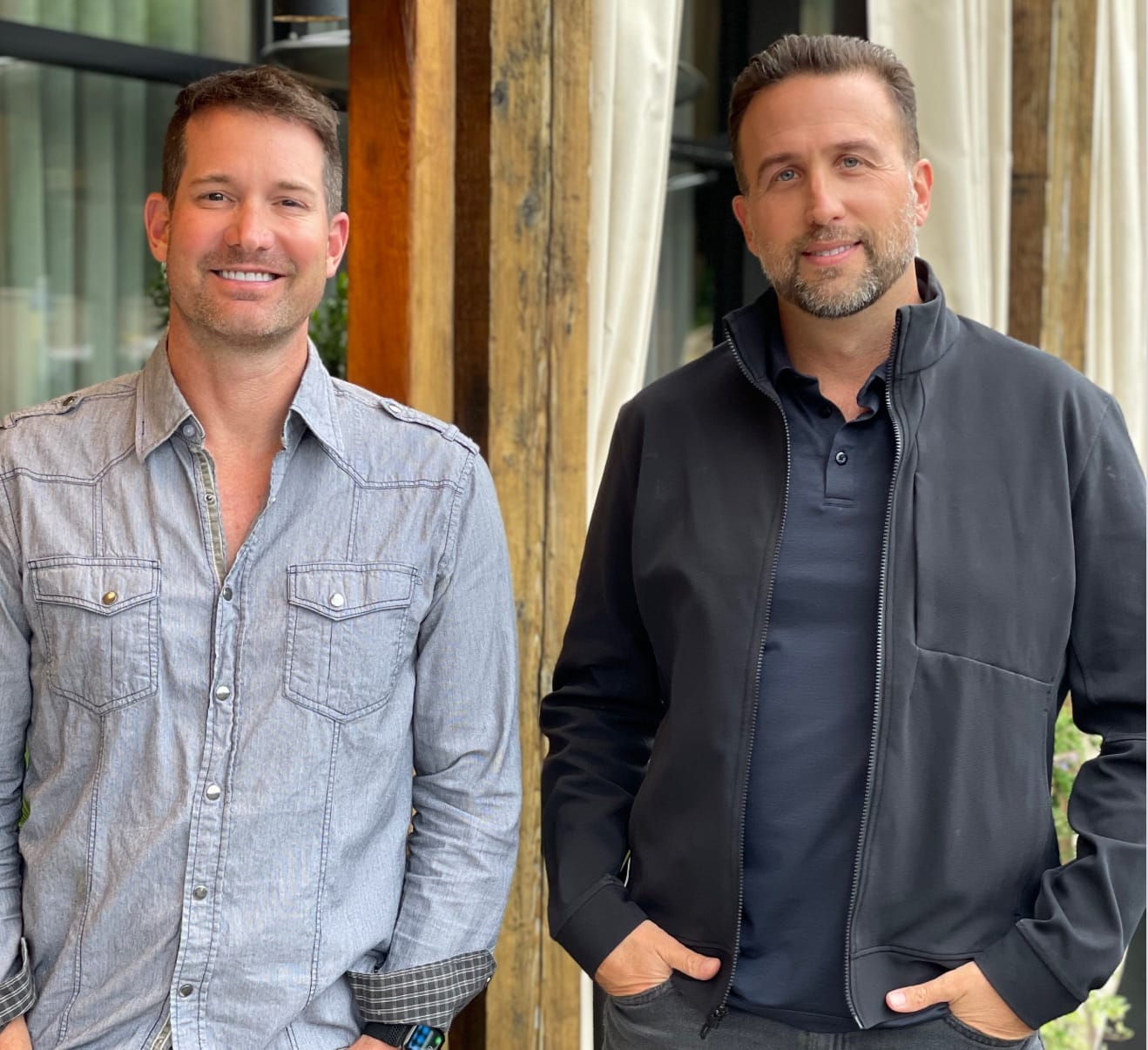
Hosts: Dr. Peter Boulden & Dr. Craig Spodak
Key Takeaways:
Introduction
Property Investment
Owner Occupied
Interest Rate
Long Term Trends
Leverage
Loan To Value
Cash On Cash Return
Cost Segregation
Bonus Depreciation
Relevering Up
References:
Mighty network: Bulletproof Dental Practice
Tweetables:
Your interest rate is subject to your tax rate. -Dr. Craig Spodak
The root of the problem: we use outdated reason and outdated thought for current day problems. -Dr. Craig Spodak
Real Estate is not a perfect market. -Dr. Craig Spodak
We track our net worth over time. -Dr. Peter Boulden
Find your wealthy friends and go to lunch with them. – Dr. Craig Spodak
Full Episode Transcript
Below is the complete transcript of this episode of the Bulletproof Dental Practice podcast. Prefer to listen? Find us on Apple Podcasts, Spotify, and YouTube.
Read the full transcript
The following transcription was from the Bulletproof Youtube channel. Here is the https://www.youtube.com/watch?v=HbFgucelDOw
Peter Boulden
0:00:00
Hey everybody, welcome back to another episode of the Bulletproof Dental Practice Podcast.
Craig Spodak
0:00:08
I'm Peter Bolden. And I'm Craig Spodak. Dentistry can sometimes feel lonely. Having over 45 years of combined experience and the chops to run eight successful practices, our mission is simple. Pay it forward and share what we've learned.
Peter Boulden
0:00:23
That's why we developed the Bulletproof Pathway, to help you navigate your way to ultimate success in dentistry.
Craig Spodak
0:00:28
And don't forget to join our community's conversation over at Bulletproof.Dental. Now, let's get to it.
Peter Boulden
0:00:34
Hey, everybody, welcome back to another episode of the Bulletproof Dental Practice Podcast.
Peter Boulden
0:00:39
Craig and I are going to be talking about all things real estate
Craig Spodak
0:00:52
or a lot of things real estate.
Peter Boulden
0:00:54
We do this a lot. We actually posted this in the Mighty Networks asking for commentary. Craig, you should pull that up while I'm chatting. And also we talked about just bringing your questions surrounding that because there's a lot of things to, gosh, there's a lot of things in real estate, whether it's an owner occupied, whether it's an investment, leases versus buying, cost segregation, I mean, not arbitrage, leverage, using debt as a good instrument, all these things. I mean, there's so much that surrounds that, cost segregation, bonus depreciation, all the things. And so we'll try and cover a lot of it, but obviously it could be, you know, we could probably hold a summit on just real estate, maybe not us specifically, Craig, but that there is enough fodder and content and I think it's one of the best investment silos for dentists that it should actually be spoken about more.
Craig Spodak
0:01:50
You know, doesn't Dave Phelps,
Peter Boulden
0:01:51
doesn't he pretty much just focus on this for dentistry?
Craig Spodak
0:01:54
Yeah, I think it's residential stuff, but I mean, there's, listen, whether it's Gary Kiyosaki from Rich Dad Poor Dad or Grant Cardone I mean, there's there's there's no shortage of people that love the Real estate play and as a way to increase wealth and as a tax efficient strategy as well I mean, let's we're just talking before we hit record inflation. I know there's no inflation. I know what there's not well No, no, they've conceded there's inflation, but it's trend. But yeah, it's going to be around for just like what, between 12 and 134 years, like somewhere like saying like we raise the prices, but we promise we're going to pull them back later. Yeah, because it always happens. Yeah, right. Always happens. Yes. Starbucks lattes are getting cheaper over time.
Peter Boulden
0:02:40
You look at it. All kidding aside, Craig. So you bring up inflation in the context of this.
Craig Spodak
0:02:45
Why?
Craig Spodak
0:02:46
Well, because we have a moment in time right now, a very interesting moment in time where interest rates are still low, meaning that you can borrow for a hard assets like real estate or your office or investment properties and prices are going to the moon and inflation's happening. So if you can borrow at 3.5%, 3%, 4% and you have inflation that's being reported at 5.6, that means that inflation is going to drive those costs of assets higher and you'll be able to make that arbitrage. You'll be able to make the spread between the price increase and the amount that you're borrowing. And I think one thing too, and I don't want to go too granular, I'll just, I'll circle back, I'll let you circle back. One thing that we have to recognize when we're talking about interest rates for our businesses or for businesses that we own real estate in, you've got to remember your interest rate is subject to your tax rate. So make it real simple. If you are borrowing at 3% and your tax rate is 38%, you are actually only paying a 62% of that interest rate. So your real cost of money is 1.86%. And I'll leave a pin in that right now. Cause we went really granular. That's what you did. You went quick, quick into that and that escalated quickly. A level two, level two, a 201 class you just went to,
Peter Boulden
0:04:03
but let's, let's, let's, let's zoom out for a second.
Craig Spodak
0:04:08
Sure.
Peter Boulden
0:04:09
So there's, there's essentially kind of two types of real estate for what, for all intents and purposes of what we're talking about here. There's owner occupied real estate and there's an investment real estate. Owner occupied is what most dentists who own their building are in. Obviously they're, they're, they're the business, their own business practice is occupying the building. Typically that's more favorably looked at by banks because they know that you can get a better percentage rate of borrowing your money, your cost of capital is cheaper.
Craig Spodak
0:04:39
It's less risky for them.
Peter Boulden
0:04:40
Less risky, right? Especially with dentistry. And then so the other one is more of an investment only where you have no future intent to occupy that building and you're simply buying it, analyzing the risk from an investment standpoint, like you said, Craig, barring the money at let's say three or four, and then taking advantage of the cap rate or capitalization rate that's going on on the investment of just the money. Okay, so you have, you just, let's just talk personally for a second. You are getting into your first piece. So you had your giant building right now has been your owner occupied building in your dental practice, correct? And you're just now getting into the space. This year, you got into the space of investment thesis, investment property only, correct?
Craig Spodak
0:05:29
Well, it's correct.
Craig Spodak
0:05:30
It's just not just this year, but yeah. So this- Well, you had a partnership.
Peter Boulden
0:05:33
You've been involved in REITs and partnerships, but this year was the one where you kind of took it.
Craig Spodak
0:05:39
You're going solo on some of your real estate. Yeah, so I've had some partners on some real estate that I've done, and this one is my first complete solo shopping center, like my own commercial center.
Peter Boulden
0:05:52
So what encouraged you, if I'm gonna push in on you, actually, what encouraged you? What was your reasoning behind, like, you know what, I need to go buy a shopping center. It's not even in your town. So what was the thing, I need to go buy a shopping center.
Craig Spodak
0:06:04
Well, it's a couple.
Craig Spodak
0:06:05
So what happens is you get old enough, you know, and I'm 50, you start to see these long-term trends and you start to get some confirmation bias of like, damn, I knew this was gonna be a good idea, but I didn't pull the trigger. And you really just trying to analyze, you know, as part of a longer term investment strategy, like what's the best way to do things and tax advantages and stuff like that, I happen to have a bunch of friends, really good friends that are, that they're in commercial real estate for their occupation. So I've watched them from afar and I've watched their playbook and I've just learned from them and they've advised me and helped me along and I've gone and deals with them. But this one particularly was a good area. I like the area. I've seen what can be done. I've kind of learned it as much as I, you know, the barriers to entry, I've learned that. I formed relationships with banks and I'm looking at the tax advantages of it. So as people that are, you know, more mature in their practices and cash flow is not a parent of a problem, there's good earnings, you're going to get hammered on income taxes. Well, let me interject while you did it too.
Peter Boulden
0:07:16
Yeah.
Craig Spodak
0:07:17
Well then why'd you ask me? You should just tell me why.
Peter Boulden
0:07:18
No, because I wanted to hear what you were saying. I'm having fun with you.
Craig Spodak
0:07:22
I'm going to add to that.
Peter Boulden
0:07:22
You are a very good steward of your money, Craig. You are a very good saver, as I've noticed. And you were getting to a point where the cash on your personal balance sheet was becoming a liability, right? Meaning a liability in that it was a liability. It was vulnerable to what you just mentioned, the inflation, which isn't transitory, and it's probably not 5.6 is being reported. When they reported it at 5.6, it's probably means in a couple of years, we're gonna look, the look back is we're gonna look back and say, man, it was really probably nine or 10.
Craig Spodak
0:07:51
Oh, easy, Pete, easy.
Peter Boulden
0:07:53
And so you have what's called, if anyone follows Bitcoin and Michael Saylor and stuff, he talks about cash being something called the melting ice cube. So you have this ice cube, you know, and it's cash and it's great. And it, but, but eventually it starts, it starts eroding faster than what, uh, it's eroding faster than what the, if you don't have it in assets, you can't, you can't keep pace. You're actually losing money every year based on inflation. If you're sitting with cash in your mattress, so to speak. So in order you, so cash, you've heard that even, even some of the best investors really have said cash is trash. What they mean by that is it needs to be deployed into certain avenues. You've just decided that real estate is something that really works well for you versus putting it in the S&P or stocks and bonds or gold or Bitcoin or whatever. You decided that you like the thesis of real estate because it does capture. It is an asset that if we do get massive inflation here, the asset itself will track para pursu with what the inflation is going on. Meaning if we have a 10% inflation.
Craig Spodak
0:08:52
Well, it's also leveraged too, Peter.
Peter Boulden
0:08:54
It's leveraged. Well, let's get into, hold on, let's get into that in a second.
Craig Spodak
0:08:58
I'm happy you said that, yeah. What I was thinking of, I was beyond that presumption that I don't want to have cash not performing. I was thinking specifically why real estate versus other asset classes. But yes, you're 100% right.
Peter Boulden
0:09:10
Well, the only reason I bring that up, Craig, is because it used to be, we used to be in this, I mean, even I remember the era, I mean, it used to be this thing. It's like the game is to just aggregate zeros and ones in your checking account, savings account. And, and, you know, that was your retirement. And now, unfortunately, because of this inflationary environment, it really can't be the case. You have to, you have to diversify, deploy and find assets that can, that can capture that as opposed to just sitting there with that melting ice cube.
Craig Spodak
0:09:37
So. Yeah, I mean that bag of money that you have is becoming less valuable. It literally is melting ice. So with a five, if we can agree it's 10%, you're losing 10% of your purchasing power. And I think that you brought up a good point too, Peter, that in the beginning, you just wanna have money in your bank account. And I think the reason why we get in most of them in a trouble is we use outdated reasons and outdated thought for a current day problem. So your original problem is, damn, I have no money that was a great statement by the way and then repeat that I can't but you know what I'm saying we were fixing problems that don't exist anymore right so you're 28 you listen this podcast like oh great Peter must be nice to have freaking cash great and all sudden fast forward now he's 45 that guy that corrupt and he's got hundreds of thousands of dollars saved in cash right and it's literally a bad thing for him so I think it's just you always have to revisit your problems and over life that'll be. And also there's a big psychology part to this too.
Peter Boulden
0:10:34
Well, there's psychology too. I actually did some research on this. And Craig, back in the day, when this was kind of becoming fundamental to where we're going, our psychology of saving, savings account used to offer eight, 9%. So it was actually a good idea to save in a savings account. Now the best savings accounts are what? I mean, what's your bank offering?
Craig Spodak
0:10:54
My bank, nothing.
Peter Boulden
0:10:55
Almost, it's, yeah, it's almost.
Craig Spodak
0:10:57
It's a rounding error, it's nothing. Yeah, but that's a testament to the exact time we're in. So you can take those rates and deploy them to borrow money because when you borrow money and invest money, you can make real money or you can put in the bank and literally just wanting to keep up with inflation. So it's important to think about both. So let's go, let's keep going with the, with the, you were talking about leverage
Peter Boulden
0:11:23
for a second, right? Because I think this is important and this is why.
Craig Spodak
0:11:28
There's two things I want to say. And the first thing is real estate is not a perfect market means that the price, like Amazon, the access to the market makes it more perfect. What I'm trying to say is that if you're trying to buy a brand new Honda Accord, you're probably not going to find a brand new one for a complete steal. Meaning the information that you have about the Honda Accord, everybody has that. Everybody knows exactly what the MSRP is. Everybody knows exactly. I mean, yeah, you'll get a dealer special or whatever, but if it's a 2022 Honda Accord and you wanna buy that, you're gonna pay what the market is asking. Real estate is not a perfect market. What does that mean? That means you may have specific knowledge. Your aunt may live in that city. She may be telling you things, you may be driving over, you may have seen it over the last 15 years. You may know a friend that wants to rent in the building. So you can actually get a deal in real estate. You can find something, you can use specific knowledge. You know, in my area, in my hometown, I knew there was this crazy hotel going up, where you're actually staying when you come down and see me, Peter. It's a beautiful hotel. But I knew about it because I was like listening and reading and I bought a small restaurant right down the block from it. I knew a person that was looking to rent a restaurant, so the existing restaurateur was leaving. I knew my friend Suzanne wanted to put her restaurant in that and I knew a hotel was going.
Peter Boulden
0:12:55
Inside baseball, man.
Craig Spodak
0:12:57
So it's inside baseball. So we paid blank dollars for it. I invested with a couple of friends. Suzanne moved a restaurant in there. The hotel went up and now I'm like a genius. But it was just because we had specific knowledge. And the other thing about real estate that's so great is leverage, like you said. So when you invest money into the stock market, you're going to get the return on the cash invested typically. But when you have leverage, when you actually only put 30 or 40% down payment and a 50, 60% LTV or even higher loan to value, your return, I'm just going to unpack this for a second. You're going fast. I did. I'm going to slow it down. You buy a $100,000 piece of real estate. And let's put-
Peter Boulden
0:13:42
Let's keep it simple. Let's say you're buying a million dollar piece of real estate
Peter Boulden
0:13:44
is how many hundred you have.
Craig Spodak
0:13:45
Right, you put down, so your loan to value is how much money the bank will give you according to the value. So it's appraised for a million, you paid a million. Perfect market.
Peter Boulden
0:13:55
And so pause right there. So typically, if it's owner occupied, it can be as low as 10 to 15%. It could be zero, Peter, with the SOP. Or if it's not a pspm sorry it's an investment only it could be anywhere from 20 to 30 to 25 percent or 30 it could be for I just got a 60% on TV okay 40% and so what you try to do is not become over levered so you want to have some skin in the game probably the bank was you have some skin in the game but it's always better to use their money if possible. Right? So the higher LTV you can get, the better. So two of the buildings I'm closing on before the end of the year, Craig, I mentioned to you before we hit record, one is an owner occupied at 15% LTV. I mean, I'm sorry, I'm at 15% down, 85%. And the other is likely going to end up in the 75% LTV, right, which is going to require much bigger down payment versus, you know, the cost of the building.
Craig Spodak
0:14:52
Okay, let me tell you why this makes the most, this is where the math gets really cool. Okay. So another premise is what's called cash on cash return. And what does that mean? That means if you invested, you bought a million dollar building and you had to put down $200,000 and the building goes from 1 million to 1.5 million in X period of time, you have not just made $500,000 on your million dollar building. You've made $500,000 on the $200,000 invested cash on cash return.
Peter Boulden
0:15:27
Well, that's actually not how you calculate. You're talking about appreciation in cash on cash.
Craig Spodak
0:15:33
So I'm just saying if you sold it, I'm just trying to dumb it down.
Peter Boulden
0:15:36
Sure, sure. But look at it from an investment only, Craig. Let's just say you're never going to sell it. So let's say you take a million dollar building, and then you get, let's say you take a 20 year amortization schedule and you have to put $300,000 down. But the cap rate on the property, and you borrowed at 4%, but the cap rate on the property is going to be, I don't know, we're going to have to use round.
Craig Spodak
0:16:04
Call it six.
Peter Boulden
0:16:05
Yeah, okay, let's call it six. So what you're calculating is you get the full advantage, you get the delta of what you borrow money and your cap rate, which the difference would be, you said call it six,
Craig Spodak
0:16:15
so you get that 2% on the entire amount, which then, but you only put in 300,000, so you're getting the full benefit of the million dollars that you put in 300,000, so that's cash on cash. What is your return on the entire building of that million dollars, even though you only have your $300,000? And that's how you brought it in to be the similarity between the stock market, right? You only put in the stock market was actually your money, right? Meaning you had three, no one says, Hey, we'll give you a million dollars, put in the stock market. Just put $200,000, put $200,000 in, we'll give you a million, right? And if it goes bad, it'll be fine. Right. So that's where it's important to look at not only the cap rate, but the cash on cash return. And by the way, I like the stock market over long periods of time. The reason why the stock market gets people in trouble is it's a perfect market. You can literally log in and hit the sell button with one click of the mouse. So as the great financial advisors that we've had on before have said, it is not timing the market, it is time in the market. Put it there, put it in an index fund and forget it. You will kick ass over a long period of time. Real estate, it's hard to check the value on a daily basis. If you could see a report sent to you that your dental building went down 30 percent yesterday, you might sell it, but you can't. By the time you want to get it sold, the fad or the problem would recover. So by virtue of the of the class of asset It is illiquid and difficult to transact out of thereby making the holder invest and hold longer So it's not that it's a better class over one thing over another It's just harder to hit the panic button and sell it and by the way We just went down a pretty decent amount of information
Peter Boulden
0:17:59
You know, but that's okay Like if they don't understand something, someone listening, I mean, we're giving the terms to kind of dig in and research some of this. And they're like, I don't really understand when they're talking about cash on cash. There's plenty of resources that go over, like what is cash on cash? What is cap rate?
Craig Spodak
0:18:11
How do you evaluate it?
Craig Spodak
0:18:12
And by the way, we're talking about commercial. We're not talking about residential. What I like, and Peter, we've not talked about this before. What I like about commercial over, and again, I don't have much residential experience outside of my own houses, tenant laws, like occupancy laws, eviction laws, and stuff like that, are very favorable towards the tenant of a residential piece of real estate. If your leases are done correctly, they're very favorable for the owner of the building. They're not very tenant friendly, so I think it protects the investor. Number two is that the bank is going to do a deeper dive on the analysis of its cash flow. So a bank, in order to give you, in order for the bank to give you a commercial loan, they're gonna do, you know, an underwriting process where they're gonna make you aware. Did you know that the restaurant in the corner only has two more years left? They're gonna, because they're kind of equally yoked to you in making sure that they want that investment. Granted, it has a higher barrier to entry. And look, I'm 50 years old, taking down my first piece on my own. So if you have the advantage of having friends that are in this segment or you have people that you trust, you know, I think the best time to do it, you know, I was asking a question on the Mighty Network, what's one thing you would wish you started early in your journey? A lot of people said financial education, financial understanding. That is huge. Teachers, unfortunately, are not paid well, you know, whether it's university or high school. And those are the people that are teaching us about money. They're not wealthy people. You're learning money from people who are not wealthy. And it's amazing how little understanding people have of money. So what do dentists do? They accumulate and they spend. The worst asset, the worst asset you could possibly buy is going to be better than the best spend you could ever make.
Peter Boulden
0:20:02
The best consumption?
Craig Spodak
0:20:03
Best consumption, yes.
Peter Boulden
0:20:04
You know what I mean?
Craig Spodak
0:20:05
Yeah. If you make a terrible investment, you lose all of it, at least you get to deduct it from your taxes. Yeah, that's true. What if you buy that beach condo fractional thing, or you buy some crazy pair of backpack or jeans or some consumable piece of clothing or a brand new BMW. The minute you drive it off the lot, the value is gone. So, and what do you do with that? You can't like write that off. Like, I lost all that money. So go on, we're going all over the place.
Peter Boulden
0:20:37
No, it's okay. But look, but that is the subject of real estate. Unfortunately, it's all over the place.
Craig Spodak
0:20:42
Hey everyone, newsflash, save this date. Our 2022 summit will be taking place on June 2nd through 5th in Nash, Vegas, Tennessee. Sign up to receive Summit updates at BulletproofSummit.com or stay connected with all things Bulletproof by joining our network at Bulletproof.Dental.
Peter Boulden
0:21:05
The next topic I want to talk about is something called cost segregation. And by now, I feel like I've beat that drum enough on Summit.
Craig Spodak
0:21:12
I guarantee this is news for people.
Peter Boulden
0:21:14
But the cost segregation is a very powerful way to fully maximize your deductions. So let me explain. So typically when you buy a building, it is your accountant will say, okay, great, you bought a building. It's depreciated over 39 years. And that is in commercial properties. And that's super boring. And it's only what, 13%, I mean, it'd only be what, a couple percent a year that you get to deduct. But the thing is with a cost segregation, what you do, you have to get a cost segregation study done. And typically it costs about $5,000, $10,000 maybe. But if it's a big enough building, it actually becomes worth it. Because what they do in a cost seg is they go in and they look at things are depreciated differently over time, meaning windows and doors wear out, landscaping, cat five, they pull out every component of the building as opposed to this.
Craig Spodak
0:21:58
They literally segregate the cost.
Peter Boulden
0:22:00
They segregate the cost of everything. They depreciate on a different schedule. So you can accelerate your depreciation.
Craig Spodak
0:22:08
And what does that matter? That means that instead of taking the tax savings over the long haul, you can upfront bonus depreciate that early on. So for the first couple of years of your new investment, you could abate much, if not all of your income from that property by doing that.
Peter Boulden
0:22:28
Yeah, not only that, you could actually go, you could actually abate some of your income taxes, not related to just that property, but your income taxes overall, right? Yeah, of course. Because you get the advantage of, going back to where we were talking about the cap rate, you don't get the advantage of just putting in the $300,000. You get to take advantage of the million dollar deduction over time, right? So it's almost like, you know, like Dennis, who will buy a split lip, for instance, like a CEREC right before the year ends, right? Because they know that they get the hundred and whatever section right off, the write off right before the end of the year. And you have to write it off, even though you didn't pay for it in cash, you financed it through Patterson or whoever, but you get the write up. It's kind of the same thing. And then the government gives you, the government gives you some bonus points for actually stimulating the economy.
Craig Spodak
0:23:16
Yeah, and we're talking the way the rules are written right now, but of course it's important. If there's something that you could buy that will make you do your job better, faster, easier, it is far better to do that, buy that, than actually pay taxes on the earned income. For those of you who have accountants that you're not meeting with, like this Q3, Q4 time of year we actually still have time to buy something that you might need for the practice. Get an emergency meeting with your accountant. Because often like my earlier times of my career, I was surprised by my tax bill. It was too late. So it was like December 25th and like, oh, we're doing your estimated taxes. I'm like, oh, cool, what do I owe?
Craig Spodak
0:23:58
I owe that?
Craig Spodak
0:24:00
Well, shit, I wanted to buy that. I tell you, tell me in June. Why don't you tell me? Well, you didn't ask. Yeah, you didn't ask. You know, so if you haven't done that, if you know, these are things you should be looking at. We segued again, but I think that's no, I don't feel like we're segwaying. So at this point, you know, real estate is sexy enough. But now we're going to talk about something called bonus depreciation, which, depending upon the president at the time, printing upon the administration. I haven't looked into that actually, but I don't think Biden has directly proposed
Peter Boulden
0:24:30
to eliminate or reduce bonus depreciation.
Craig Spodak
0:24:33
Not yet, no.
Peter Boulden
0:24:33
So bonus depreciation is just fascinating. Okay, so what it allows you to do is to write everything off under one 15-year light, one term, and so it changes. So under the current law, 100% first-year deduction for the adjusted basis is allowed for qualified properties to be written off. And then potentially it's phased down through each year. Like from 2026, it's going to be dropping, right? So this bill is going to be expiring after 2026. Yeah. Okay. So, I mean, you can, so if you take advantage of this, you can literally get away with paying close to nothing in taxes depending upon the size of the real estate that you're taking down. This is all legal. This isn't tax evasion.
Craig Spodak
0:25:21
This is the way the code is written.
Peter Boulden
0:25:23
This is the way the code is written. It's funny.
Craig Spodak
0:25:27
It's funny that the IRS, it's almost like, hey, I'm going to play a game with you, Mr. Taxpayer. I'm going to write the rules. I know the number you should pay. You tell me what you think you need to pay. And we have to come up with our own, basically, we and our accountants have to guess what we need to pay in taxes, according to the rules. So the game, the rules are written such that we interpret them. And again, listen, when you take property and you wind up completely depreciating it over a lifetime, and then there's a recapture cost. There's a day of reckoning coming.
Peter Boulden
0:26:06
When you sell the property.
Craig Spodak
0:26:07
When you sell the property. But there's also a 1031 exchange, which we'll put a pin in for now.
Craig Spodak
0:26:11
Yeah.
Craig Spodak
0:26:12
So it gets, go ahead with this, with the taxation and bonus depreciation and whatnot.
Craig Spodak
0:26:17
Then we'll talk about the 1031.
Peter Boulden
0:26:19
Again, let's take our same example. A million dollar purchase, putting 30% down, right? You put in 300K as your chip on the table. But that $300,000 is 100% of your $300,000 investment. Right? Right, that's all you did. Okay. But now you get to take advantage of them. You get to write off the million dollar purchase. So this leverage has now amplified your deduction. Not only has the leverage-
Craig Spodak
0:26:45
You can't write it all off, but you can write off with the cost, like you can get pretty aggressive.
Peter Boulden
0:26:50
Potentially you could, depending upon how it works, right? Yeah. So the leverage, not only has the leverage created a scenario, Craig, where you actually had positive cashflow potentially, but now you've created a situation
Craig Spodak
0:27:04
where the leverage amplified your deduction.
Craig Spodak
0:27:06
Right? 100%.
Peter Boulden
0:27:07
It's almost like, whoa. And so this is why, you know, like I've been a massive advocate of real estate since my professional career. I almost acquired buildings, that was my collectibles thing. And so this was like my ninth and 10th building that I'm buying. Yeah, good for you.
Craig Spodak
0:27:26
Well, I don't mean it as a humble flex,
Peter Boulden
0:27:28
it's just like, I think I've actually said this publicly, when I acquire or accrue money based on work efforts, I get nervous and I deploy it. I look for opportunities in real estate because I'm not a good investor of the stock market. I'm a shitty picker of stocks.
Craig Spodak
0:27:43
And you might not,
Craig Spodak
0:27:44
I think you said something about discipline too. I mean, listen, you're always gonna make your mortgage payment. It is forced savings. 100%. And we all know, at least financial planners will tell you, oh, you have to say, make sure you save this much per year. Like, that's hard to do. You will not ignore a mortgage payment. It will happen. Totally.
Peter Boulden
0:28:04
It's for savings, like you said, it's for savings. And it's for, you know, going back to Pearson's law and I don't want to put a pin in that, but you and I talk about tracking. We track our net worth over time as opposed to like, well, how much do I have in savings like that? We don't track that because we don't care. The big master game is tracking your net worth over time. And so it's interesting to see like, man, I didn't really make much. But then you look at what you actually, you abated on the principle of what you owe on the building over time, and you forget, like, wow, every month I'm actually increasing that on just this property $4,000 a month, right?
Craig Spodak
0:28:37
Right. So if we're talking to you now, let's just say you're a dentist that works for yourself and you own your own building, and you tell yourself, oh, I make 150 grand a year, because that's what your practice pays you. It's not being true. So at the end of the year, you have to say, I made 150 grand for being a dentist, and I paid blank dollars in principal off on my asset, so whatever that is, you have to add that. And then if your practice increased in value because you're killing it and you're doing better, you have to add that. So I think we tend, we start off as employees or working for ourselves, and we don't have any assets. The only thing we're counting is how many, basically you're a sheepherder. How many sheep do I have? I have four last year, I have six this year. But you know what, if you're acquiring assets along the way, you have to add that as well. We had one of our masterminders say, I'm only making blank dollars and I have a blank dollar payment on my building. And I'm like, well, every month, 50, 60% of that is your principal reduction. So you have to add that to, you know, it's forced savings. You put it from right pocket to left. You didn't spend it.
Peter Boulden
0:29:47
Yeah, you get it one day, right? It's just to lay your savings, it's your own savings account. I like how you say that.
Craig Spodak
0:29:52
And the funny thing is, Peter, you and I are getting to the age where it's like 15, 20 years have gone by. It matters. And it's like, oh shit, like that thing is paid off? Like that huge number is paid down to what? Like, because at first it's like you're chipping away, but you know, it's like the law of compounding interest can work for you or against you, the compounding effect. Talk to 1031 real quick, just because you mentioned that. Yeah, so essentially, you know, the taxes that you've saved have to be recaptured at a certain point. But there's, at this current time, there's what's called the 1031 exchange, which means in very simple terms, again, Peter and I are not tax professionals, but we understand the concepts and these are concepts you need to at least get yourself familiar with, is that when you sell your property, you can redeploy in a zero tax environment, redeploy that money to another piece of real
Peter Boulden
0:30:49
estate. So you can even take your gains into meaning. So if you bought the building for a million dollars 10 years ago, and now it's worth two, you can, and you sell the building, now you can take that two million
Craig Spodak
0:30:59
and deploy it into a building, maybe three or four, right? Right, there are rules for it, but Peter's essentially right with that. So you have to deploy 100% of the profit back into the new building, is what I'm saying. And you might be able to, if you can't find an asset that's larger, if you can combine them for 1031. So if you have a million dollars of profit, you could in theory buy a couple smaller buildings or something like that. But basically what you're doing now is you're taking a legal tax abated loan from the government. You owe that money, you'll owe it. Either you or your heirs will owe it to the government. But between now and then, you have the ability to use that money.
Peter Boulden
0:31:39
Here's why it's a great strategy, especially if you're good with risk and you're a good… So let me give you this scenario, Craig. As you know, I almost sold a building this year.
Craig Spodak
0:31:50
So the guy who was helping me-
Craig Spodak
0:31:51
Who was the guy that wanted to buy it?
Peter Boulden
0:31:52
That's crazy. You were one of them. I'm just joking. So ultimately I decided not to, but it was gonna be an attempt 31 exchange. And here's the interesting thing, because the building was being sold for around $2 million, okay? And was owed on it as about 800. He was actually talking to a scenario, my other guy who I was talking to, he's like, look, you can take this and lever back up. So I levered the first time and I could re-lever it. Now I could get into a $5 and $6 million piece of property by re-levering up on this. So this is how, you know, you hear people with, talk about, find a wealthy person, ask them how they created their wealth. It's a lot of times they had their own business, it's software, it's tech, it's something, or it's real estate. It's a very, it's a very, I mean, how many, Craig,
Craig Spodak
0:32:37
how many people have felt- It's not typically, it's not typically healthcare providers or people who exchange time and money, leading to true wealth, unless you're a really sophisticated saver or investor. But it's true, I mean, it is, at least anecdotally in my world, it is usually real estate in my world. Yeah, especially in South Florida. You hear that a lot, right? Yeah, well, Atlanta too. So, you know, real estate is a theme you'll see in people who have taken advantage of the tax code, taken advantage of leverage, and have taken advantage of inside, you know, opportunities like you see and re-levering. So it's like rich dad, poor dad, which is just always should be re-read. And I tell my kids this stuff too. It's like we work for money but assets are really the thing that you want. You want to have assets. Absolutely want to have assets. And by the way, the inflation that we're talking about helps the rich and crushes the poor. So this printing of money and redistributing money is actually going to hurt the poorest people because they do not, they spend money, they don't invest money. That's what sucks. Inflation is just taxation, full stop. It is, it is. That is the unfortunate part. It's the insidious form of taxation that affects the poorest. And people who know that assets, unfortunately, like you said, get assets, either equity or hard assets, unfortunately get, you know, and I'm- They get demolished.
Peter Boulden
0:34:04
This isn't me saying this, this is, you know, everyone in the world says this.
Craig Spodak
0:34:07
And this is just important to penalize. We got to wake up, because Peter and I, you know, listen, I'm 50, I did not have this understanding at 28, 30, or 35. And I'm hoping there's people that are listening that are that age and understand what we're trying to say here. You don't understand money unless you get taught it. And be careful who you listen to. So your father or mother could be a blue collar, you know, person who's just working for money and that's who your financial mentor is. Like, oh, don't have debt, you don't want debt. Like, make sure you pay everything off and put the money under your mattress. That's actually not a good idea. It might be a good idea for them at their point in their life. But even my father, my father is a post-depression era baby who was born in the 40s. He's not the type of person that's a savvy investor. He doesn't believe in investing, he just wants to accumulate. And that's cool too, but I think it's important who you ask. And I always tell people, find your wealthy friends and go to lunch with them. It'll be the best lunch you could ever do. Take someone that's a patient of yours and say, I'd love to just take you to lunch. Sorry, you're on mute. You're on mute, Peter. I could read your lips. Can't hear anything you're saying.
Peter Boulden
0:35:19
Oh, sorry, I was thinking, taking the lead to be like, hey, how did you do this? Like, I don't want to reiterate the wheel. Can you just show me your plan? Like, was it real estate? Was it stocks? Was it for, you know, who knows? I think this is a good, look, we went down the investment portal, which is not too dissimilar to the Owner Occupy, which we started in the beginning of the podcast. Owner Occupy, I see even better. Like I said, it gives you can have a higher, you can put down less money in terms of a loan to value. And because the bank obviously has a little bit more security and you being the one who occupies that lease, right? You, the practice occupies that lease. So they're like, hey, we're pretty comfortable with this. Typically that you already have your operating account with that bank, you know, or they will probably mandate that you do have it with that bank, just so they can see kind of the cash flows that are going on, but you will typically get good rates. And the same principles we talked about still apply, meaning cost segregation still applies, bonus depreciation still applies. Obviously the leverage of the money still applies, all of it still applies, even in 1031 exchange, meaning one of my buildings we talked about that I would give you that example was an owner occupied. It was gonna be an owner occupied 1031 exchange, which I was gonna probably go from an owner occupied scenario to an investment scenario, right? So all the things we've talked about-
Craig Spodak
0:36:41
And while you're talking, I just wanna bring up a small thing I know we're just giving like little tidbits here all over, but I wanna make sure that when you own your building, if you're thinking about owning a building or one for your practice, make sure they're in separate corporations. It's really important. You don't want your building being owned by your dental practice and your dental practice under the building. It's just for many reasons, you want to separate those out. Yeah. It's its own tax return. It's its own company. And the biggest reason, Craig, I think you would probably agree that it's from a division of assets, meaning that it's a veil of protection from possible,
Craig Spodak
0:37:18
possible someone who could be wanting it,
Peter Boulden
0:37:20
whether it's, well, I was gonna say, it's really just for a variety of reasons.
Craig Spodak
0:37:24
Yeah, for a variety of reasons you wanna do that. But for those that are not in a situation, I gotta bring up one funny story and I don't wanna call on any names, but a friend of Peter's and I, we were talking to him. He was actually one of our masterminders, a great guy, really smart guy. He was doing an expansion to his practice and he was renting his building. He was renting like two of the bays in his building. There was five bays. He was gonna expand to take on four bays of the building. So he was gonna be like 90% or 80% of the entire space. And I'm like, well, before you sign the contract, ask to buy the building. It was like, it's too late. They gave me a really good deal. And I told my friend who's a commercial real estate broker, a commercial real estate developer. I'm like, Hey, Michael, this guy did this. He's like, do me a favor. Don't tell your dentist the secret. It's like, what do you mean? He's like, cause that's how I make my money. So essentially when I talked to this dentist, he's like, well, I didn't really want, I don't want to buy the building. I'm like, well, look at what you're paying, you sign a 10-year lease. Take what you're paying towards 120 months, you're actually buying the building just not for you, you're buying it for him. Because at the end of it, you would-
Peter Boulden
0:38:36
And then some.
Craig Spodak
0:38:37
And then some, yeah. You would literally have bought the building for yourself. So people are like, ah, I'm not sure what the future is. It doesn't matter. It doesn't matter, you gotta really think about those types of things.
Peter Boulden
0:38:48
But, you know, I think it does matter. So I like that you brought this up because we talk about it like it's this bulletproof investment thesis and like, look, I know a lot of people who've also gotten wrecked in real estate and it's not the owner occupied scenarios typically unless the business goes belly up, right? You typically, your owner occupied is gonna be okay. Hence why the bank says, you can put 0% down almost, okay? But I know people who have gotten, you know, pigs get fat and hogs get slaughtered. I know people who've been hogs in real estate and taken so much leverage out. And then you have a 2009 scenario, right? Where the world seems like it's flipped upside down and it's ending and people go bankrupt because that leverage can turn
Craig Spodak
0:39:27
into your worst freaking enemy, ultimately. And you get a capital call.
Craig Spodak
0:39:31
Yeah.
Craig Spodak
0:39:32
And especially when your assets are cross-collateralized, they may actually tell you, oh, no big deal. Like you want to buy the shopping center. Great, Dr. Jones. We're going to, we just want to use your, your dental building as collateral. And one of the things I realized it's not for failure of payment. You can, when you're cross collateralized and you have what's called minimum coverage ratios and stuff like that, they can call your note for any reason. And your, everything can kind of be sunk like a, like a house card.
Peter Boulden
0:39:58
Yeah. If you violate kind of some of the provisions in which they borrowed the money and they find out about it. You could say if you cross collateralize and you're not forthcoming, then they could call the debt and then you'd have to either pay it or forfeit the asset, which is no bueno. You don't want that to happen.
Craig Spodak
0:40:17
Yeah, I think we, you know, what I'd really like to impart upon the people is obviously there's a game to be learned with this. There's rules, but you know, everything is free now. The education, this podcast is free. It's there's so many tools available to you. And I just think it's something that as risk averse people, dentists were risk averse and we're highly compensated as wage earners, but we don't typically get wealthy and we don't typically have an ability to retire on time. The difference is, is through our assets and our investments.
Peter Boulden
0:40:48
Well, you know, like look at, you know, Peter Malouf even gave that statistic from our summit, right, like the independence, dentist's inability to retire financially independent is startling, you know, unfortunately. And that's why they've kind of gotten that arm called, you know, Dental Financial Freedom that really helps, he really wants to help dentists like fix this problem in our industry, because it's pretty pervasive, right, having this, I think you have the statistics, Craig.
Craig Spodak
0:41:15
It's startling. Yeah, it's startling. Naval talks about it too. It's always wage, it's high wage earners. The most dangerous thing you could be, the most addicting thing is your salary. So, you know, we've talked about that, you know, Galloway never made more than $150,000, $200,000 a year. So, you know, you wind up, entrepreneurs wind up living lean because they never get to high wages. They just build businesses and flip them. And those are events. And when you get an event, you get a large amount of money. You typically don't go off and buy yourself a Ferrari. You see it as a precious event. You deploy that asset and try to get yield on it. So we're in a particularly dangerous situation. We don't have assets as Dennis, but we're high wage earners.
Craig Spodak
0:41:54
Yep, yep.
Peter Boulden
0:41:55
So it's like a double whammy in the wrong way. So Craig, I think we've covered, I mean, look, obviously we could go real deep into a lot of these and it can be, it could be instructional in itself. And, but like you said, we're not lawyers, we're not tax advisors, all these things, but it's good to just kind of bring the awareness. So we covered today was investment, property investment, owner occupied, and just investment. What I'd like to do is continue this topic, talking about real estate, because we always seem to get a lot of questions regarding like a ground up buildings, right? How do you build up your own dental practice ground up? Do you use dental contractors? So this is still in the umbrella of all things real estate. I'd like to kind of talk about, you know, cause I'm looking at some of the questions we've gotten even from past summits, like what architects do you recommend to use when it's dental specific? You know, do you use a construction company?
Craig Spodak
0:42:46
What are the pros and cons of owning the real estate where you practice? There you go, there you go.
Peter Boulden
0:42:49
There's a lot here. Right, so things like that. So we'll go into down that tributary, if you will, of real estate in the next episode. And then if anyone else has any suggestions of something that we want to cover, even beyond this one and the one I just mentioned, get Almighty Networks, let us know. I think, Craig, you actually, or I proposed, I posed the question to people, didn't I? About if you've got something related to this, is there any questions quickly on that as you look at it?
Craig Spodak
0:43:22
Hang on one second, let me pull it up.
Craig Spodak
0:43:23
I didn't see it jump.
Peter Boulden
0:43:24
So if you've got questions, that's a good place to drive, like, hey, I sure wish these Bulletproof Yahoos would talk about this. That's a good place. That's a good place to crowdsource your suggestion and get some thumbs up on that. And more than likely, we'll do a pod on it. And if it's not us who is the expert, then we luckily have good proximity to people
Craig Spodak
0:43:47
who can be the experts on what you seek. Yeah, there's so many questions I've seen on other forums. I just don't want to touch them because like you said, the crowd potting will be pulled down into that. But the Mighty Networks is a safe place. It's for broad thinking people, it's for abundant thinkers. So there's no wrong question, but please ask away. Peter, I didn't see your comment, but you know, for the real estate thing, but please comment under that, and let's get more dialogue going on it. There's a lot of different questions about it. I think it was the best thing that I've ever done. I mean, it easily put me in a new category, having my building, and from an asset standpoint, and from a marketing standpoint too, because your real estate is your marketing.
Peter Boulden
0:44:27
Well, that's not even, yeah, I mean, that's a whole different animal to talk about, is like, you look, yes, it was an expense for you, but it truly was a marketing expense, my camera's on the fritz again. It's okay.
Craig Spodak
0:44:38
No, it's true, if you think about, like, if you're gonna be putting your building or your dental office on a main road, just a fun fact is call the billboard that's closest to your building, and call the number on the bottom and say, hey, in the corner of Main and Cove Avenue, you know, where my office is, how much is the building per month? Like six grand, five grand. Okay, well put that into your mortgage payment then. Like think of your mortgage payment as having $5,000 cut away from it, the billboard that you did.
Peter Boulden
0:45:05
So. And it's the true. I mean, it's the true, that's the true cost. All right, well, I actually can't find it either, Craig. I hope it posts, but if it hasn't, we'll get it locked and loaded for the next series on this. Anything else, buddy, in closing? I enjoyed that.
Craig Spodak
0:45:21
Get on those summit tickets. Get on them. We're excited to see you all and keep going onto the Mighty Network. Ask your questions. There's no dumb question. I'm sure if you have some burning question about practice or challenges that you're going through, I guarantee we're all going through the same thing. It's good to have that camaraderie and network. So please use it.
Peter Boulden
0:45:42
I get to see you in a few days, buddy. I'm headed down to Miami for one of our in-person masterminders, mind events.
Craig Spodak
0:45:49
And yeah, I'm seeing you this weekend. Gonna be cool. Coming in on Thursday night.
Peter Boulden
0:45:53
Yeah, so actually I did find the thread finally and Tommy Dooley actually said how much, yeah, so some of these questions we actually talked about, but I'll get to his question. All right, buddy, have a great day.
Craig Spodak
0:46:07
Yeah, thanks for listening, everybody. Yeah, thanks for listening, everybody.
3
0:46:08
We'll see you soon.
Transcribed with Cockatoo
Blog























1+1=3 The Power Of Alignment and Delegation For You and Your OM with Erika Pusillo
, October 31, 2024

















, June 15, 2023
, June 8, 2023
, May 31, 2023






Look at These 3 Stats if You’re Thinking of Going Out of Network with Teresa Duncan
, January 11, 2023

, December 28, 2022

Knowing What You Don’t Want with Judy Kay Mausolf of Culture Camp and Erika Pusillo
, November 30, 2022



Cabo This Week, Immersion Learning, Biggest Breakthroughs, Your Personal KPI is Net Worth
, November 2, 2022
, October 19, 2022







Business is not Productivity, Productivity is not Profitability with Chris Salierno
, September 22, 2021





















3 Biggest Bottlenecks of an Entrepreneurial Dentist: PART 2 with Perrin DesPortes of TUSK Partners