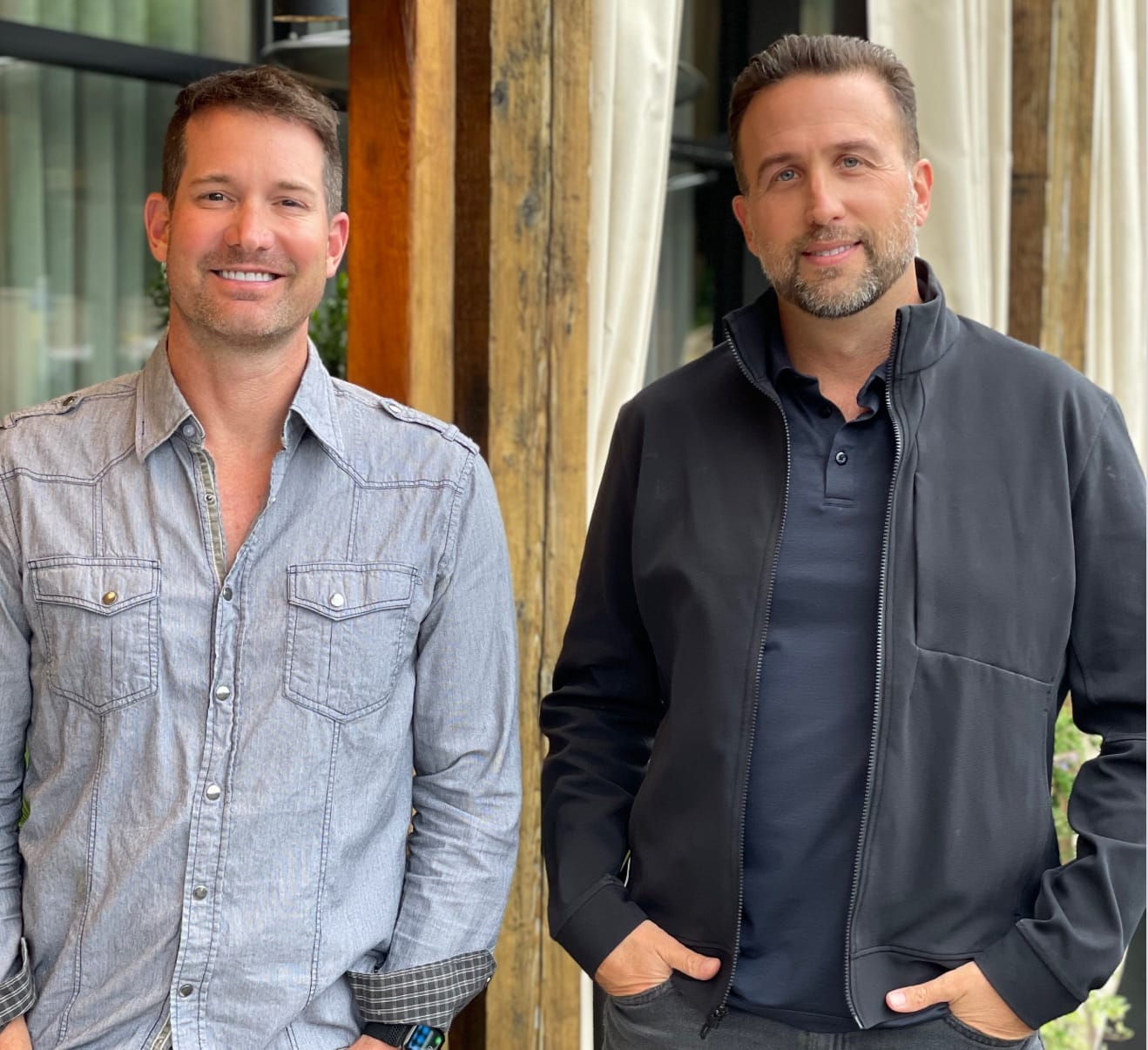
The Problem is Really YOU with Dr. Paul Etchison
Bulletproof Dental Practice Podcast Episode 281
Host: Dr. Craig Spodak
Guest: Dr. Paul Etchison
Key Takeaways:
Introduction
Considering Growth And Expansion Of Your Practice
Pivoting In Your Practice
2 Innate Fears
References:
Bulletproof Mastermind
Bulletproof Summit
Mighty Networks: Bulletproof Dental Practice
Bulletproof ERC
From Strength to Strength: Finding Success, Happiness, and Deep Purpose in the Second Half of Life
The Space Within: Finding Your Way Back Home
Dental Practice Heroes
Tweetables:
People have a tendency to feel what you believe. – Dr. Craig Spodak
Dentistry is more recession-proof than other sectors. -Dr. Craig Spodak
Stressed-out people are not themselves. – Dr. Craig Spodak
Stop tracking what you earn and do a proper net worth analysis. – Dr. Craig Spodak
Not all people know their numbers. -Dr. Craig Spodak
Some people have very toxic relationships with money. -Dr. Craig Spodak
Money just fixes money problems. -Dr. Craig Spodak
The suffering is part of it. -Dr. Paul Etchison
Full Episode Transcript
Below is the complete transcript of this episode of the Bulletproof Dental Practice podcast. Prefer to listen? Find us on Apple Podcasts, Spotify, and YouTube.
Read the full transcript
The following transcription was from the Bulletproof Youtube channel. Here is the https://www.youtube.com/watch?v=q2AJJ_6345c
Paul Etchison
0:00:00
You and I met, let's rewind, all the way back in Texas, right? Right.
Paul Etchison
0:00:15
It was Dallas.
Craig Spodak
0:00:16
And what year was that? Do you remember?
Paul Etchison
0:00:18
That was maybe 2016?
Craig Spodak
0:00:20
Yeah, that was a long time ago. All I remember is you came up to me, and you probably don't even remember this, but you said, hey buddy, I've got a much smaller practice than yours with much less patient visits, but I have like four times your Google reviews.
Craig Spodak
0:00:35
Do you remember that?
Paul Etchison
0:00:36
Yeah, yeah, yeah.
Paul Etchison
0:00:37
It was such a taunt, it was great. Oh, I didn't, I don't think I said it like that, yeah.
Craig Spodak
0:00:41
No, I know, that's how you received it, but it was good because I was happy because you put me into a service that wound up giving me a lot more. But you know what's funny, Paul, I don't know if I ever told you this, you probably knew it, but Google took down all my Google reviews.
Paul Etchison
0:00:51
I remember that, yeah.
Craig Spodak
0:00:52
Woof, that was such a kick in the crotch, man.
Paul Etchison
0:00:55
I think you went from 13 or 1400 to like 10 or something like that.
Craig Spodak
0:00:59
Yeah, I went to like 12, and they only kept the bad ones. I was the worst rated dentist in all of the state.
Paul Etchison
0:01:06
Yeah, you went from like five to like two.
Craig Spodak
0:01:08
Five, yeah, to exactly, thank you. Yeah. And guess what happens when Google does that? You have no recourse.
Paul Etchison
0:01:15
Yeah, and you didn't get any recourse. You just had to start over, right?
Craig Spodak
0:01:18
Nothing, yeah.
Craig Spodak
0:01:19
You just had to rebuild.
Craig Spodak
0:01:19
I didn't do anything. I mean, we never incentivized people or, you know, it's wild, but what are you gonna do? Such is life.
Paul Etchison
0:01:27
Yeah, I remember that.
Craig Spodak
0:01:28
Did we speak about it?
Paul Etchison
0:01:29
We did because I was doing a presentation and I was talking about the power of Google reviews. I Googled you and I said, oh my God, what happened? And then I called you and I was just like dude like that's a crusher like I remember what I said Do you remember no no it was something along the lines that don't dude. How are you gonna? How are you coping with that? I'm like what I'm gonna. Do like like moves on. I'm healthy. I'm able. I'll just keep moving on I Was mad I was upset. I was all that trust me. I was too that was after dealing and trying to yeah, there's no recourse It's basically like if Twitter deep platforms, and you're not you're not yeah, you're not going to the Twitter police.
Craig Spodak
0:02:04
I guess maybe now it's different with Elon.
Paul Etchison
0:02:06
But see, I was so worried for myself just because I was like, we use the same platform. And I'm like, is this about to happen to me? This is like the lifeblood of my new practice, or new patient system. Well, clearly it wasn't the lifeblood because we went from an amazing review dental office to the worst possible.
Craig Spodak
0:02:23
We're still here. So I didn't think this completely. But we're slowly building back. Yeah, I never got any reason why that happened But uh, so we're you know, I had patients telling me they're like, hey I wrote a review and it says this we're not able. I'm not able to review your business. It's really interesting, right? I guess
Paul Etchison
0:02:40
Maybe Sergei Brin came into my practice and we like did a filling it a chipped or something, right? You know or so someone and who did you piss off? You must have someone important buddy Yeah, and you see some important people. I do, man. I do. But I guess there's a price to pay with all that. We have a lot to catch up on, man. So I want to give the Paul Hutchinson story.
Craig Spodak
0:02:59
Oh, what are you showing me? You're living? I like that. For those watching, we're getting a tour of Paul's living room.
Paul Etchison
0:03:05
It's my basement.
Craig Spodak
0:03:06
Oh, is it really?
Craig Spodak
0:03:07
I'm tucked down in the basement. I like that little neon stripe there.
Paul Etchison
0:03:11
It feels very disco-like. Yeah. This is our disco tech. I just come down here and I breakdance. It's great.
Craig Spodak
0:03:18
Oh, really? Can you zoom out?
Paul Etchison
0:03:19
Let me see a little move.
Craig Spodak
0:03:20
You got some poppin' and lockin' for me?
Craig Spodak
0:03:22
No poppin'.
Craig Spodak
0:03:23
Got a cardboard box you can disassemble real quick.
Craig Spodak
0:03:25
Just me and my box.
Paul Etchison
0:03:26
Just me and my box just enjoying ourselves.
Craig Spodak
0:03:29
So let's go through the Paul Etzinsen story. This is my recollection of the story. I'm gonna hear your story as well. So we meet in Texas. You call me a couple months or years later. I don't remember the time. It goes so fast. But it's like, man, I want to do what you have. I want to build what you have. I want multiple doctors and blah, blah, blah, blah, blah.
Craig Spodak
0:03:49
And I'm like, well, why?
Craig Spodak
0:03:50
You're like, well, you know, I want to make money when I'm not there. Okay. Well, how much do you make in? I make blank. Holy shit, Paul, you make that? Yeah. Well, how many weeks are you working? Like three. I'm like, man, you're rich as hell. You're making a lot of money on three days a week. You're like LeBron James of dentistry. Yeah, I know, but I kind of want to build more people, get it bigger. And then you do that.
Paul Etchison
0:04:16
And then I get another call like, hey, you know, I'm not sure I really like everything that's going on. And again, this is just my hallucination. I want to hear the actual reporting of the story, but this is how it happened in my mind. And then next call, a couple years later, hey, I affiliated with a really cool DSO and you know, I just wanted my freedom. Now this call, super happy. Yeah, I found it. It worked. So what really happened? Like, give me the whole timeline. Was that at all accurate or not? It's fairly accurate. I know what you're talking about because it's like, I remember calling you, I'm like, dude, I just gotta, I need your advice here. Because I was, I had the opportunity to take the space next door to me, our practice is in a strip mall, and I had the opportunity to take the space next door to me, double in size, get a bigger practice, and I wanted to talk to somebody who has a big practice, hey man, was it worth it, in retrospect, would you do it again? And that's kind of the answer I wanted from you, but your answer was more turning it back on me. Well, why do you want it? What do you want this for? And I decided against it and I didn't do it. And then that opportunity came up again about two, two and a half years later and then I did it. But it was for, I think I went into it that second time with some different goals. With the first time it was just
Craig Spodak
0:05:51
like, well, next logical step. I mean just keep growing, better keep doing it. Bigger,
Paul Etchison
0:05:37
And then when I went through it the second time, it was like, I want to back myself out of clinical practice. I want to have a more associate-driven model, and I want to have a little bit more time off and just step up above the noise and be more CEO level than being a director.
Craig Spodak
0:05:51
Okay, but then you achieved all that and still wound up being a little unhappy, so I'm going
Paul Etchison
0:05:55
to put a stop to that.
Paul Etchison
0:05:56
Oh, yeah.
Craig Spodak
0:05:57
So what happened there?
Craig Spodak
0:05:58
So I remember, like, hey, the big compelling reason was like, I wanna make more money when I'm not there. Well, hey bro, you make a shit, I mean, I remember the number, I'm not gonna say it, but it was a lot of money. It was more than I was making at the time, and you were only doing three days a week. So you go through, you build an associate-driven model, and then I do remember a time where I was like, not so happy with that. What was going on?
Paul Etchison
0:06:19
Yeah, I mean, it's just like, I think anyone is a business owner, we get really drawn down by all the situations and everything that's going on in the practice. And I think for me, I had a gift and a curse. Every gift is a curse at the same time. It's just like there's that yin-yang kind of sort of thing. And my gift was that I had very happy employees, that I was very good at keeping people happy. I was very attentive to their needs. I was constantly focusing on, hey, what are you happy? What's bothering you? What frustrates you? Let's address it. Let's do it. And I went a really long time. I went almost nine years without losing a single employee, which was insane. And I had a big team. And people couldn't believe it. Now, we eventually lost some employees. And in this past year with the labor market, we lost quite a few employees. As a percentage, do you know what you lost? As a percentage? Like what percentage of your team? Like if you lost… Probably 10%. We lost a lot. I just figured out. We lost a lot. We had 13 people. I have a larger team. I was just having a yearly recap with my team. I didn't realize we had that. But go ahead. I didn't mean to cut your story. I was putting a lot of weight, an emotional weight on myself that everybody was happy. Anytime somebody was unhappy, it wasn't just like I personally needed them to be happy and all in and a stakeholder in the practice and so passionate about it like me and Then I kind of changed a little bit of my thought process and said, you know, I just need content people I need people that are content because I was putting so much burden on myself to keep everybody 100% happy That I was attaching so much of my happiness to their happiness. It was just it was a losing battle. So it became this thing of me kind of shutting people out and people being scared to ask me things, people that even bother me because I was just so like, just overwhelmed and burnt out by everything I was doing. And I had a leadership structure at the office, I had leads, but I really wasn't leaning into them and 100% trusting them. At the time I thought I was, I really did think I was, but I wasn't, I was still like, since I was 100% older at that time, I was still invested in, you know, someone would tell me something, I'd be like, oh my gosh, what's going on? Tell me about it. Okay, I gotta go talk to this other person now. Okay, I gotta talk to this other, and my leads would be like, you want me to handle this? And I'm like, no, I got this, this is big, this is big. So is it fair to assume that you were just scared shitless?
Paul Etchison
0:08:43
Yeah, yeah.
Craig Spodak
0:08:43
Because if you're walking around scared,
Paul Etchison
0:08:46
it's hard to trust people when you're scared.
Paul Etchison
0:08:48
Yeah.
Craig Spodak
0:08:49
And it's funny because I think, I know where we're going with us But I want to keep going with it because Like I always say like what's the predominant thought that you have as you're walking around your practice because people have a tendency to be Able to feel what you believe. Yeah, so for me when when I was at my worst The predominant thought I had was no one gives a shit except for me Yeah, if you want something done you have to do it yourself or no one cares or people suck Whatever it is that that thought it's just broadcasting and then people like actually become less engaged and hate hate the job and hate you and no matter what you say And no matter how you coax your words if you really believe that they'll actually feel that tip You know, yes, they were generally what 20 30 percent
Paul Etchison
0:09:27
That's true. And that was me. It was like the fear of people leaving and then it was me becoming more disenchanted more burnt out on it So right in result I'm backing away and I'm trying to put up my walls and keep the practice all the stuff going to practice away from me because I just don't want to know about more issues and then in the back of my mind It's like you know what people are starting to see that I'm not as engaged people are starting to see my failures shifts in leadership that I'm failing the team in Me internalizing that I'm failing the team. I'm not as engaged as I used to be And the practice is falling apart and the world's going to shit and everything is…
Craig Spodak
0:10:02
What year is this at this point?
Paul Etchison
0:10:04
I want to get some time. I would say this is…
Craig Spodak
0:10:06
Pre or post COVID?
Paul Etchison
0:10:07
It's post COVID. This is pre, no, this is pre. This is pre COVID. And this is probably about 2019, I'd say. Yeah, 2019, like we just, we expanded in 2018 to from a five year 11 month. I feel like we spoke around this time.
Craig Spodak
0:10:20
We spoke around this time.
Paul Etchison
0:10:21
Yeah, I think so. And it was just, and I didn't know what the solutions were at the time. I didn't know what the problem was, but it's just like hindsight is 20-20, you figure it out.
Craig Spodak
0:10:29
So is it safe to assume the problem was really you?
Craig Spodak
0:10:32
Absolutely.
Craig Spodak
0:10:33
Yeah, in my experience, the problem was me.
Paul Etchison
0:10:35
Yeah, it's always been.
Craig Spodak
0:10:37
Isn't it funny though? I hope we're reaching some young female or male, some young dentist out there. I don't even wanna say female or male, but if it's a young lady or a young guy, but I hope we're reaching some young dentist to realize, Paul, how old are you?
Paul Etchison
0:10:52
I'm 41.
Craig Spodak
0:10:53
Okay, so you're young. I'm 51, I got 10 years on you. And my hope for everybody is that people can just have accelerated learning and not have to go through what we went through. Because when you can stop, you know, when you point the finger out, there's always those three fingers, point at yourself. And when you can live in the domain of changing your own perspective, if you can get into the space where you trust your people and you're happy and you have trust, then your team can flourish. If you can't, you might have to make more drastic moves. But the biggest thing is just getting out of your own way. It's so cliche and I hate saying it, but man, it's the conversation that goes on inside, it's what you whisper to yourself, what you're telling yourself daily, that predicates your outcome.
Paul Etchison
0:11:32
Yeah, no, it's so true. And it was, the big solution for me, and just to kind of come back, and how did I get myself out of this funk and what did I do? I mean, it's a lot of things happened. One of them being me selling a lot of equity in my practice, kind of spawned this whole thing of like, hey, you need to detach from the practice. You need to stop caring so much. But what ended up happening is I didn't stop caring so much, but I just started letting my leads run with things a little bit. Well, you got unscared. I got unscared. Yeah, I trust him.
Craig Spodak
0:12:03
You know, when you have everything riding on you, it's so scary. So I think it's part of some of that equity is diversifying your risk. And then when you're not so freaking scared, you can actually behave normally. If someone pulled a gun on you and said, dial your wife's number, you can't do it. So even the most mundane tasks, if you're scared, you can't accomplish them. So I think it's de-risking. So the funny thing is, I have a lot of friends who have sold their businesses, and I don't want to steal your thunder, but for the moment that they sell their businesses, I have my buddy Randy sold his business for big dollars. He saw the money get wired in, it hit his bank account, it was amazing for a couple days to see it, and then they realized, oh shit, I always had all this money anyway. It was just being put to work. And if you're a listener to the podcast, I don't know if you are or not, but I always say what my friends tell me, you never exit business. So what you did is I presume you got a liquidity of that, correct?
Paul Etchison
0:12:58
Yep.
Craig Spodak
0:12:59
Where is that money now?
Paul Etchison
0:13:00
It's deployed, correct? Now it's deployed, but yeah.
Craig Spodak
0:13:02
Right. So it's in business. It's just not your business.
Craig Spodak
0:13:05
Right.
Craig Spodak
0:13:06
Exactly. So you didn't exit business. You just exited your business. And I'm not saying anything wrong or right, but it's just an interesting thing to consider. Money was in the business working, you got it, you paid long-term capital gains, you lost some of that due to government taxation, and then you met an advisor and met smart people or did some research and now it's deployed in other people's business. OPB, not OPP. And now you're kind of like, you're letting it ride, but you have no control over it.
Paul Etchison
0:13:33
Well, yeah, more or less. You have no control over that. No control over it, yeah. Most of mine is in real estate, so it's with some different operators. That's not a domain that you know as well as dentistry. No, absolutely not.
Craig Spodak
0:13:47
No. So, like, you know, if the market, Tom, you don't have as many tools to, like in your dental practice, you could pivot and do all sorts of things, and you knew how to do dentistry super well. You spent decades doing it, and now you're a beginner real estate investor.
Craig Spodak
0:14:03
At best.
Craig Spodak
0:14:04
You're an expert. I just think it's funny. And I'm not poking fun, I'm just saying it's just an interesting realization. You've had the money the whole time.
Paul Etchison
0:14:12
Yeah, it was always there. And when it went into the checking account, it was cool, you're right, it was cool for like a week. And then it was scary. And then it was like, you're looking at FDIC, like what are the insurance, because you haven't had those on the account. Oh, insurance for 200 grand.
Craig Spodak
0:14:24
What does that mean exactly?
Paul Etchison
0:14:25
That means everything besides 200 grand can go away. Yeah, right, exactly. So then you start freaking out and then your paycheck is like minimal because… There's no way to have to… And then your wife is like, you want to go on vacation? I'm like, no.
Craig Spodak
0:14:37
That's my nest egg. We can't afford it.
Paul Etchison
0:14:39
I can't believe that. We can't afford that. She's like, I thought we were rich. I'm like, you can't spend that. No, that money's not for us.
Craig Spodak
0:14:44
That money is not for us.
Craig Spodak
0:14:45
That's the statement.
Craig Spodak
0:14:46
Yeah, it's not for us. So you go into capital preservation mode. Yeah. Because like, and it's a whole different set of stresses.
Paul Etchison
0:14:53
So I'm so happy we're talking about this. I want to add something to it.
Craig Spodak
0:14:57
Yeah, please.
Paul Etchison
0:14:57
I was just saying, you know what I want to add on that too is that, cause I was working with a life coach specifically for six, seven months. This was a big decision to. Yeah, I told you you should have had me as your life coach. Well, you are my life coach. You're my B squad, you know.
Craig Spodak
0:15:11
I'm like your C squad. You only call me after it's been done. This is our fourth session in over seven years. We're not doing well.
Paul Etchison
0:15:19
Well, I'm not paying you well, so I don't blame you.
Craig Spodak
0:15:21
You get what you pay for.
Paul Etchison
0:15:24
One thing that she said to me is that she said, let's say, worst case scenario, what if it doesn't work out? What if this corporation comes in, they make it all corporate, you hate it, and you're like, gosh, I can't make money at the practice anymore because I sold so much of my equity and I wish I just had my baby. I wish I had my practice back. Do you think you could open another practice? And I said, absolutely. And she's like, do you think you could get it to the level you got? I said, I'd probably get it there quicker and better, you know, knowing what I know now. And that was a big turning point for me because it was like, it's not the end all if I sell my practice because if I want to go back into dentistry and really get that level of, especially if I want to be the primary clinician again and maybe a higher end fee for service, spa-like kind of thing, whatever I want to do, maybe just do cosmetics, I'll have the freedom to do it. So I would still say, yes, my money is in business, but it's in other people's businesses, you're right, but that level of control that I lost in that field, staying in my own lane, I can always get back into that lane, should I want. And that was a really comforting thing for me, and that was kind of the turning point that I said, you know what, there's no right-wrong answer, it's not right to sell my practice It's not right to keep my practice and I am comfortable with saying, you know This is just a new chapter in my life and I'm ready to kind of step into it And you know, this is right when I was turning 40, so I was 39 at the time when I sold that's awesome
Craig Spodak
0:16:42
I think I think it's safe to say as well that You know everything that you needed was already there for you. You went through an exercise, and it doesn't sound like you have any remorse, and I think it was the right move for you because you needed to go through it to see the context of it all. But for those that are sitting there on the fence, like ready to pull a trigger, because we all know valuations are at sky-high levels. There's talk of the recession hitting any minute if we're not already in it. And I think there's a lot of people with their finger on the F it button right now, what would you say to those people that are feeling like you, having the purview and context that you do now, and what would you say to that person? What would you say to you, basically?
Paul Etchison
0:17:24
Yeah.
Paul Etchison
0:17:25
There. So I mean, I think the first thing I would say is kind of what I just said, is that you can always go back to the practice, and you can always go back to a new practice. And nothing is final, and nothing is ever worst case scenario. Now, I think there's a lot of fear and scarcity in the market right now because we're seeing these valuations and we know we're like, gosh am I gonna miss this? This is happening in dentistry. This is never, you know, is this going to be happening in 20 years from now, 10 years from now? Am I missing the opportunity to get part of a big group and invest money and grow, grow, grow and grow my money and become really wealthy from this thing that's happening whether we like it or not in dentistry, in the dental industry. And I think it's hard to say, is this gonna be here in 10 years? I don't know. But I would say from my experience in high school.
Craig Spodak
0:18:10
Well, you have to, if you're gonna say that, just to cut you, sorry. Yeah. If you're gonna say, is the dental world gonna be the same in 10 years, wouldn't we assume that dentistry will do better than potentially like luxury purchases or real estate? I mean, dentistry is, although we are kind of pegged to the SMP and discretionary income, it's definitely more recession proof than other sectors. So I just wonder, if you're worried about the stock market, then I'd rather have my money in my dental practice than the stock market.
Paul Etchison
0:18:43
Absolutely. Yeah, I have very little money in the stock market. I mean, most of mine is in multifamily real estate and some buildings I own around here and then some bigger syndications a little bit. Is that stuff you did post-sale or were you active in that pre-sale as well? I was active pre-sale. I've been doing that probably about five years.
Craig Spodak
0:18:59
Okay, but when you looked at your net worth and your passive income before sale, if the dental practice disappeared, you felt like you'd be in a cataclysmic economic situation, you'd be in a problem?
Paul Etchison
0:19:12
If I had, yeah, absolutely. Yeah, I mean, because I would say like, compared, I was able to increase my investment 6X after liquidating the practice, you know? Well, you had concentration just in dentistry, probably like 80% of your net worth
Craig Spodak
0:19:27
was tied up in your dental practice.
Paul Etchison
0:19:28
Exactly, yeah, it was exactly 80%, I think. So it's pretty much, you know, now it's more passive. Nothing's truly passive, but it feels more passive. But, and now it's a, yeah, now my passive income is very high compared to my dental income now because I'm only a 15% owner at this point in my office. So it's definitely a different lifestyle switch, but like you mentioned earlier.
Craig Spodak
0:19:53
Is the practice doing better now than it was in your sole ownership?
Paul Etchison
0:19:57
Yeah, yeah, we sold at 4.3 million collections, right now we're at 5.5 in collections. So the practice didn't really work.
Craig Spodak
0:20:03
And what percentage of that, so let's not mention who you sold to so it can be real.
Paul Etchison
0:20:08
Sure.
Craig Spodak
0:20:09
I'm sure it's available, but what percentage of it is due to these specialized systems infrastructure support that they brought, and what percentage is due to a more relaxed,
Paul Etchison
0:20:21
confident leader who can think straight?
Craig Spodak
0:20:23
Meaning you.
Paul Etchison
0:20:24
I really want to be fair. If I want to be really 100% fair, I would say 99% to the leader and 1% to the group. I want to caveat that. It's not a dig at what they brought. Yeah.
Craig Spodak
0:20:42
Because I'm sure they brought unique strengths and opportunities and systems and stuff like that. or you know, the reason why a business will fail or succeed is always the psychology and skillset of its leader. And of those two things, psychology is like 90% of that. So Peter, it is shocking to me how many people, one, have not actually heard about ERC, and two, have gotten the wrong information. And you and Trey being two of them, I mean, I consider you to be an epic business person. And when I talked about the employer retention credit to you, you were really dismissed above me like, no, I went through that. I got it.
Craig Spodak
0:21:22
You know, it's great. I got it. It was done. And even Trey just now, we were just talking to him on the last pod. He's like, yeah, I already, you know, my accounting firm, they got it very little. They only got like five or 10 grand. We know this is totally misunderstood.
Craig Spodak
0:21:34
I was told I didn't qualify until I went to a specialist and they were like, you absolutely qualify and here's the number. And it almost startled me.
Craig Spodak
0:21:41
Like my jaw was off on the ground. I'm like, are you serious? Yeah, you don't actually, you don't believe it.
Craig Spodak
0:21:46
You don't believe it.
Paul Etchison
0:21:47
But don't ask your CPA, ask someone who specializes with you which is why we actually have this awesome arrangement and we created a link and the company is Bulletproof ERC to help kind of implement this because from this pot of money that Congress has allocated,
Craig Spodak
0:22:02
we want the people listening from Bulletproof to take advantage of it. So this is why this announcement is going on, because it's, like I said, don't ask your CPA, ask the people who this is the only thing they do all day every day.
Craig Spodak
0:22:14
That's why we had to do this,
Craig Spodak
0:22:15
because initially of telling everybody,
Craig Spodak
0:22:16
telling you, telling everybody,
Craig Spodak
0:22:17
I'm like, oh, Edwin, we don't qualify. So we're like, oh, this is not going the way it's supposed to. Like, you have to go to the people that do it. So I'm really proud of that. My buddy Norm works for the company. Norm, as you know, is like the nicest guy in the world. He's literally like Ned Flanders.
Craig Spodak
0:22:30
He's like, how do you do what you do? He'll fill out your form, he'll walk you through the process, he'll do the Zoom call with you. It's literally white glove services. You don't have to do anything, and this is what they do, and it's an unbelievable program. You have two ways to pay for it. You can either pay up front, or they can just take a percentage when they give you the money, and it is awesome. You did one, I did the other. We won't tell which one, who did what, but it's a government program. It's going to run out. Do not delay. It's amazing how many people are like, I'll handle a couple months. I don't have time. You don't need any time. This is like crazy.
Craig Spodak
0:23:05
First come, first serve, right?
Craig Spodak
0:23:06
First come, first serve. And I mean, I know the government's treated you well through the CARES Act, and you're thinking to yourself, well, maybe I don't need this. It is your money to have.
Paul Etchison
0:23:14
This is part of the CARES Act.
Craig Spodak
0:23:15
Right, it is part of the CARES Act, but I mean, even when I thought about it, I'm like, nah, I'm good, I don't wanna take more money, but this is a program that's allocated for people like you who have kept your employees, kept your businesses open. Do not take it for granted. If your accountant told you, your friend who's a lawyer told you, do not leave that stone unturned. Go to bulletprooferc.com, spend five minutes. It's worth the due diligence. Do not assume anything. And even if you filled it out, you got something, but it wasn't what you think is commensurate for your size business, go ahead and reopen the process. You can amend these things for different years. So do yourself a favor, take the five or 10 minutes, have a Zoom call, you may be leaving hundreds of thousands of dollars on the table, which is not prudent for you, your business, and the families that your
Craig Spodak
0:24:04
business supports.
Craig Spodak
0:24:05
Do it for them. So it's not skill set. So what do we do as dental business owners when we get scared? We go learn occlusal training or we go learn sleep apnea training, which is great. Don't get me wrong. That's awesome. But we don't enroll in a business dental summit. We don't go to the Bulletproof Summit, or we don't get mastermind or things like that. We just go to clinical, and that's the wrong move, because what you got was you got peace of mind, clarity, and you can actually be the true Paul Etchinson that you are with me and everybody else, and not this insane lunatic. We're losing money, and we're going to go, you know? It's not because you're a gunning businessman. I know that business owners, we feel this challenge because of responsibility to our team. We're not just like you said earlier in the podcast It's not that we were just failing the business. We're you're filling them. You've got all these mouths to feed and then kids in school it's a lot of pressure and And we're not trained. We're in that we're completely ill-equipped to run practices There's no talk about this and we all suffer silently, you know, just thinking we're all failures and geez I wish I could be like Paul at Bolden or Spodek or whatever and we're all freaking miserable We're all having trouble
Paul Etchison
0:25:18
Yeah
Paul Etchison
0:25:19
And that's a big thing and you mentioned the psychology and it was that was the difference that was the next level for my leadership Was the psychology and I was I went from you know having a team of ten You can kind of manage everybody on your own. You can kind of talk to everybody You don't really need some kind of leadership structure, but then when we got 40 plus employees, and maybe I could only manage 15, 20 of them, but I was still getting super burnt out. Now I'm able to just focus on my four leads. And that's very simple, just to kind of listen to them and have them do all those things and do the leadership with their respective teams. But I did that because I sold equity. It wasn't so so the partnering up did provide that for me, but I didn't need to partner up to do that I just needed to change my psychology and my leadership style and And just back off a little bit like yeah, there's an actual there's a Maxwell quote
Craig Spodak
0:26:14
It's like the first person you have to lead is yourself
Paul Etchison
0:26:16
Yeah
Paul Etchison
0:26:16
You know and he also said something to which was reminiscent of the day We met with the Chuck Blakeman philosophy of like stuff needs to be managed people need to be led and you conflated the two you were running around like did you do did you do did you you know and just be out? You're just like hey, I don't have as much skin here. I'm well off. I'm set. This is like I'm playing with house money That's 15% and God forbid you're not gonna lose it all but if you lost it all it is not It's not an existential threat to your life No, and now so you can actually be you and I know you well You're an awesome human being but stressed out people are not themselves. You're a different version of yourself. So I went through the same process, by the way Yeah, you know it was it was a weird I didn't sell of course, but it was a it was an awakening to like you're set you're fine No matter what happens you're gonna be okay And even if the practice got hit god forbid by a freaking tornado I could rebuild I could do this Yeah, and that only comes with time and perseverance, but one thing I'm really excited for you about is you're super young. I mean, maybe, I don't know how you feel, but at 41, at 41 I was a mess. So for you to be arriving at this place at 41, it's just really powerful for you. Well, it's cool because I've got less than a year left on my contract. My original intention was, hey, sell this thing, get out, move on. But now it's like I have two five-hour days, just three weeks a month, and I'm doing ortho on kids. And I'm doing Invisalign, and I'm doing veneers.
Craig Spodak
0:27:46
Wait, how many days a week, I'm so sorry?
Paul Etchison
0:27:48
Six days a week. So six total days, oh, I'm sorry, six total days a month. Two days, two half days a week.
Craig Spodak
0:27:54
Okay, two half days a week, got it, yeah.
Paul Etchison
0:27:56
And I have three months where I only do two weeks, too. So it's even less than that. Yeah, similar for me.
Craig Spodak
0:28:03
I'm one day, one column a week, but now I'm going to… I think I actually, you're going to hear it first, I haven't told many people this, I think I'm eliminating clinical or like really drastically reducing it. Yeah.
Paul Etchison
0:28:14
It's a neat opportunity, but it's weird because I love it.
Paul Etchison
0:28:16
Yeah.
Craig Spodak
0:28:17
When you finally get, you know, you get out of the chair, there's everything like colloquial that wants to do and then you start missing it.
Paul Etchison
0:28:22
Yeah. So… Well, it's like doing ortho and you know what you do predominantly in Viz line if I remember correctly. Yes. For me that's predictable. That gives me the level of challenge and unpredictability but also it's predictable to me. It's not doing fillings and crowns and all this other stuff that.
Craig Spodak
0:28:41
One thing too about a pole that allows you to do as well is it allows you to still have time with your team. If you're in an FMR and you're doing that, you can't get up and have a 20 minute break or multiple. But with orthodontics, it does allow for that flexibility. So for those that are considering, that love their ortho practices, but do it, they're heavy hitter restorative people and they wanna grow businesses and they don't have much strategic time, that's a great way through it. You know, Bolden never had that choice. Bolden only did FMR. He only did full cosmetic rehab. So he was an eight to four day. You know or whatever that is yeah
Paul Etchison
0:29:16
You're not getting up in the middle on like checking hygiene patients and stuff like that. I'm getting up I'm talking to the front desk and talking to the hygienist. I'm all over the bunch. I'm just shooting the shit Enjoying myself it's it's so like what I was saying is my original thing was to exit But now that I'm coming up on my year where I can do it if I want And all I have to do is the three months notice Maybe sign some papers. It's I'm not exiting. This is good. I love this level. You know, I love it and all that noise of dealing with the stuff. I mean, I have my team, my leads telling me stuff all the time. They're like, what's going on? Do you want to know about it? I'm like, you know what? If I don't think I need to know about it, I don't need to know. And I couldn't say that two years ago. I couldn't even stomach that. So it's like all this partnering with the DSO allowed me to do this, but it had nothing to do with the DSO. It had to do with how me selling equity made me feel psychologically that allowed me to release myself and then saying, why didn't I do this years ago? I could have this years ago. I could have this kind of level of practice. So here's an exercise for those that are stuck, right? Let's talk to those people for a second. Yeah. Stop tracking what you earn and do a proper net worth analysis. Like, you know, let's just say so for those people, like if you do your net worth and you say, hey, I think my practice, conservatism, is worth this, this is what I owe, and put it all down on paper,
Craig Spodak
0:30:34
because I talk to a lot of people who feel really unfilled. They're like, I went out on my own, as an associate I was making $350, now I'm making $200 as an owner, and I'm making so much less money, and I have to go through this thing, like, okay, well what did you pay for your practice? How much have you paid down in debt? Add what you've paid down in debt to your earnings. I mean, the best income we could ever have is one that goes from right pocket to left and doesn't actually, you know, pass through taxation paying down debt and your business appreciating. And we started doing this exercise where it was like 200 plus 300 plus 50 grand in debt plus his practice went up, he thinks by about 200 grand, I'm like, okay, so you actually really moved $600,000 in your net worth. You only made $200,000, good for you. You only got taxed on $200,000 as ordinary income, but you're $600,000 richer. So really what you did is you had the ultimate net worth analysis. You weren't stipulating what your practice was worth. You got to see it hit your freaking Bank of America account and said, okay, now I can get 7% on that. This is going to build up 7% to 10% or whatever your stipulation was. But it's an exercise that any of us can go through. Any of us can go through it.
Paul Etchison
0:31:42
And it's important too because when I did it, I had a number. Everyone's got their number. This is once I get this in worth, I'm out. I'm gonna do whatever the hell I want. And I think that's.
Craig Spodak
0:31:52
Well, not everybody has a number, so kudos to you for having that because a lot of people don't. It's never enough. And you had a number, and then when you hit that number, you remembered, oh shit, that's more than the number I used to talk about.
Paul Etchison
0:32:02
Yeah, that's what it was.
Craig Spodak
0:32:03
Okay, Paul, pay attention. This is what you want. Because I remember telling myself, if I could make this, I'd be happy. And now I make three times that. And sometimes I'm like, do I make enough? But if you have that number and you write it down, that's powerful because you promised yourself you'd say it was enough if you got to that number.
Paul Etchison
0:32:21
It's good to have enough, but then at the same time, my brother-in-law's building a brand new house and it's bigger than my house and I'm looking at it and going, man, maybe we need to build a new house.
Paul Etchison
0:32:31
Maybe I do.
Craig Spodak
0:32:32
I don't have that problem.
Paul Etchison
0:32:33
And then I sit back and I say, no, it's not going to be any different. It's not going to do what I want. I have no attachment to that.
Craig Spodak
0:32:39
I remember, yeah, I took a, and there are stories I could tell you and they're not worth the time, but I don't have that anymore. I don't I don't I don't want anymore. You know things. I want are the things I have I you know I just want you know I mean, that's a sound It's like just health time with family stuff like that the money doesn't mean anything to me anymore Well you guys also good. I've reached it. I guess what I thought was the right position to be in exactly
Paul Etchison
0:33:08
Yeah, you get there, and it's it's like that cliche saying, man, hey, enjoy the journey, man. Enjoy the journey. I don't know anyone that's enjoyed the journey without getting to a certain point in their life and saying, man, I really didn't enjoy that journey. And then I find myself.
Craig Spodak
0:33:22
No, I know a lot of those people. I know a lot of people. I went to dinner with these two guys. They're both like billionaires. And like halfway through the conversation, we joke with each other. You know, they're talking about their jets and stuff like that. I'm like, well, guys, you know, I just flew to Houston on a, you know, semi-private jet. It was amazing. It was a 737. I'm like, really? A Boeing business jet? I'm like, yeah, it was like 320 of my closest friends are Southwest, that's a Southwest sticker, but it was really private. And I just make fun of myself because I can't compete, but then halfway through, they're talking about how much money this is, I'm like, guys, I feel wealthier than you do. And I meant that, because some people have really toxic relationships with money. I know very wealthy people who are really unhappy. I know people that don't have a lot of money and they're super happy. So money just fixes money problems. And it's easy to say now, because when you have money problems, as you and I have, I've had moments where I'm like, I am going out of business 100% sure. I cannot make payroll. Let me think about who I can borrow money from. But I think that's the part of the journey that makes you happiest. So like getting your ass kicked, almost failing, and then that's what, you know, don't resent the process. You have to go through the ups and downs to be happy. If it all works out perfectly, you won't be happy.
Paul Etchison
0:34:40
Yeah, I just don't know anyone who can actually enjoy the ride from the get-go without going through some ups and downs and going through that process. I think it's a psychological process we have to go through and like you said easy to say now when you look at the trust funders that you know, look at the people who were born into money that never had to work for it. They're not doing very well as a bunch of those people. Well, you know I even read that like the second generation money like 70% of them will lose it all and then with that third generation it's like 90%. Like it's different making money is and is it having money are two different things. You know it's like yeah, it requires a different mindset. I was talking to Mark Costas and I was on his podcast. Sorry, who's that? Mark Costas.
Craig Spodak
0:35:19
I was just joking with you. I love Mark. And he mentioned, and I talked about it. Mark, I love you. If Cliff comes out.
Paul Etchison
0:35:28
Someone's texting him right now, like, oh shit, you should hear what he said. Oh, I can't talk crap about that guy. He kicked my ass. Do you think Gunz is that dude? Oh dude, he's massive. He's dedicated, man. He only eats fish. Well, look at him. He's like the liver king. He's like a clean version of the liver king. Yeah, absolutely. But he had asked me, I said, man, what are you striving for more now? And just to kind of piggyback off this conversation we're having, as I said, the only thing that would really change, I think, if I made more money would be private jet travel. And that would be it. And then he talked about his and said well actually it is a game-changer for me I travel a lot and that's a yeah understood But I can't really understand I can't fathom many areas in my life that could be more plentiful With more money you know for me. I'm kind of the same as you I just I value time with my family I'm valuing time with I've never been a better husband I've never been a better father than I've been this these past few years and for you That's awesome, and and it's like and then I look at it, and I say wait. Why did I do this years ago? Why did I gun hole so much at the practice?
Craig Spodak
0:36:31
Paul, you're super, super young, so I think you're way out of the curve on this. Yeah. So I actually, I think you're way, way out of the curve. You're a very, very young man. I mean, I was good. I mean, listen, you're in the right spot at the right place. And I also wanna make sure to clarify for the audience, it's not that there's so much money. It's that you have a realization of what's important. And I think it's healthy because there's a no one teaches us number one, no one ever teaches us about money. And you know, when we go through dental school, or you know, we're strapped, we're some of us are in our late 20s by the time we get out of dental school. And we haven't really enjoyed anything right. Many of us went right from college eating ramen noodles to taking out subsidized loans. Now you're a doctor and you want to be – you want to have some sort of gift to yourself. But in fact, you have hundreds of thousands of dollars in debt and the gift of a Mercedes to yourself when you just sign your first job as an associate is probably not the right
Craig Spodak
0:37:31
idea.
Craig Spodak
0:37:32
So we scrap ourselves even more. So we have massive debt and then we spend because we're making good money. It's pretty safe to say that most of us do better each year. So we never account for investing and putting away for the future. We're a very wealthy group of salaried people that don't really have a lot of net worth. And most of us can't retire when we reach 65.
Paul Etchison
0:37:56
We're not, again, we're not doing well holistically
Paul Etchison
0:37:59
as a profession.
Paul Etchison
0:38:00
Yeah, yeah, it's totally true, man. It's funny, why ramen noodles? Why is that like the poor man's food? Why does it get such a bad rap? I love what give me another give me another thing that you can buy for 99 cents It'll put fill up your stomach. Yeah, I still eat ramen noodles. I love oh, well you probably have nice ramen I'm talking about like cup of soup like hot water. Do you eat those? No, they're little bricks that you got a boil you eat those right? Hell. Yeah, I eat those. Oh, yeah, that's crazy
Craig Spodak
0:38:23
That's why you can retire.
Paul Etchison
0:38:26
That's why. That was it. Honey, listen, I'm going to stop you.
Craig Spodak
0:38:29
It's not only in 5% of my practice.
Paul Etchison
0:38:30
I just got exposed to the real model. I love this quote by the Stoics.
Craig Spodak
0:38:39
I think it was Seneca who said, he says, not wanting something is as good as already having
Paul Etchison
0:38:44
it.
Craig Spodak
0:38:45
Not wanting something is as good as already having it. So I went through a time where I had all the stuff that, you know, all the stuff that you'd think was to be successful. I don't wear, I don't use it anymore. I don't wear my nice watches. I don't really care. I drive an F-250. I don't drive a fancy car. And it's a mellowing out process that happens to a lot of us, and it's such a good process. It's going from like, it's going into your wise years, and I think you're entering them just a little earlier than you'd expect. So it's good to have that. So what's exciting you now? What do you got going on? If you're a little bit more casual in the practice, you gotta channel all that Etchinson energy into something.
Paul Etchison
0:39:25
I just released a second book, and the title of my book is, it's Central Practice Hero 2. It's the sequel to my first book. You can read either book by themselves. But it's more about how getting yourself down to three days because I really do believe that we should get to we got to get to a point where we can run the business and I've noticed that with my practice as I've stepped out of the chair that we've grown faster and there's nothing wrong with doing clinical as a dentist like you mentioned you love what you do and I like what I do now but you can still do that you just can't do as much of it and really take the practice to the next level so I do I'm doing a lot of writing I'm considering I want to write a leadership book but I want it to be mainstream I don't want it to be dental. You know, because-
Craig Spodak
0:40:06
Oh, good for you. I like the snail.
Paul Etchison
0:40:07
Let's do it together. Yeah, look, my book sold a lot of copies for dentistry, you know, but I want to sell a ton of copies. And I think I got a lot of ideas and I just gotta, I haven't figured out my angle that I'm taking on yet. You know, because you gotta make it somewhat clever. It's gotta have a certain, so doing that,
19
0:40:23
my wife-
Paul Etchison
0:40:24
That's a good idea.
Paul Etchison
0:40:24
My wife has a business with her partners where they do self empowerment classes for girls 8 to 13 years old and I've been trying to get that to scale. Sometimes I feel like I'm dragging them up a hill in their business. Do they want to go or not really? They do, but it's like I carry it. I'm like, let's go, we're doing this. I need this from you. And then there's the momentum and then I'm like, okay, you know, I feel like I'm pushing you guys, this is your business. And then I back off, and then they're like, hey.
Craig Spodak
0:40:56
By the way, they'll hate if you really push them. Like, I have this ability to see talent in people, and I want it more than they do, and that is torture for them. Yeah, yeah. So like, hey, if you need me, I'm here, but if you got it, we're good.
Paul Etchison
0:41:08
What's funny is like, I'm backing off on it, and my wife asked me today this morning, she goes, hey, what's going on with, what are we doing now? I'm like, I'm waiting on you guys for these two things. She goes, you haven't mentioned it in a few weeks. I'm like, I mentioned it two weeks ago. I can't keep doing this. I can't keep pushing you guys. But that kind of lights me up. I like growing that. I'm really enjoying doing my own podcast.
Craig Spodak
0:41:29
How's that going, by the way?
Paul Etchison
0:41:30
It's going great, man. I enjoy doing it.
Craig Spodak
0:41:32
Will you air this on that podcast?
Paul Etchison
0:41:34
Yeah, I will, I will, absolutely, yeah. I'll air this on this, on my podcast as well. But you know what's funny is I mentioned I had a life coach, but I also had a therapist as well. I've had therapy on and off throughout my life in certain stages to help with transitions. I think it's also life coaching, having therapy. Me and my therapist, when I sold the practice, I had a lot of coaching clients at the time and I just cut some of them down, raised some fees, some other people just quit. I didn't have the gear contract, so I was able to kind of cut that down. And I really just had a lot of open time in my schedule, which was a little scary. And there was this urge for me to like, hey, let's fill it with another project. Let's do some more. Let's start another business. Let's do this. Let's start another practice. And I committed for like six, seven months. I said, I think this was maybe like January and I said I'm not committing anything until September October next fall which is this past fall and it was hard to do and But when I did it that opened up a lot of time for me that I wanted to fill with like projects and stuff And then and what happened is what really filled that in was family And that was that was a big part for me that I think you know I didn't I wouldn't talk to ask me two years ago. No, it's I spent tons of time with my family. Ask me now, two years ago I wasn't spending enough time with my family. You don't know until you get it. Now it's like, I don't want to do anything else. What were the kids, Paul, I forget. Seven and twelve. My daughter, my oldest, she's got a boyfriend. She's got her first… You're not only at twelve? She's got her first boyfriend. I had a girlfriend at twelve.
Paul Etchison
0:43:08
But it's like, you don't do anything.
Paul Etchison
0:43:09
I remember kissing this girl and thinking it was the grossest thing ever. I'm like, how old am I? Sixth grade, 12 years old.
Craig Spodak
0:43:18
You were kissing at 12? I don't know when I was kissing. All I remember is the circumstance around my first kiss. I hated ketchup and I knew I was going to kiss the girl and I called her at the house like to see if she was going to be at the party. And that's back in the day when you had to like talk to the mom. It was like terrible. You know, like, you know, now you can like swipe and like get a girlfriend. Like I had to like talk to the mom. Yeah, my squeaky voice, whatever So I'm like remember talking this girl Alyssa. I shot to Alyssa if you're there We're being my first kiss. She's like she's like I'm like, what do you think? I'm having dinner I'm like, what are you eating? She's like macaroni and ketchup or something and I hit it ketchup I'm like, I'm gonna be kissing her. I want to follow like eat the ketchup. So that's probably like 12 or 13 Yeah, maybe it's 21. I can't remember but it was it was a long time ago, but that's awesome. My daughter's 13, thank God, no boyfriends yet. Thank God. I asked her, it's really cool, my oldest, she talks to me about it.
Craig Spodak
0:44:10
That's awesome.
Paul Etchison
0:44:11
I resisted the urge to bust her balls about it. Hey, how's your boyfriend? Don't do that. I know that'll make her shut down. She's talking to me about it. You have this open mind to give me a hug. I love it, it's so funny. I asked her, what do you do with a boyfriend? She goes, I don't know, like kind of the same thing I was doing with Ottaway, we just kind of text and talk and stuff. I'm like, do you like hold hands? And she goes, no. And I'm like, oh, that's cool, you know, whatever. And part of me is just like, all right, good, good, good. You know, and she's got a Herpes appliance now, so I don't know how much. I think I'm good for at least another year. Yeah, I think she's good at least for another year, hopefully, no kissing with that thing on, but. It's such a weird trip just to be so focused on the kids. I feel like I've got a healthy relationship with it. I'm not overly focused or helicoptering, but I'm engaged. And I think they'll remember that I was there and that I was a part of their lives. And that's kind of what I wanted to do, and that's what lights me up now, at least. So let me just unpack the therapist, too, for a second. What drove you to – because in my mind, therapy is like, you know, I'm a big believer in the self-help and the coaching and stuff like that. I love it. I'm a product of all that. I just don't have a whole lot of experience with therapy. The only experience I have with therapy is when I was a kid. We went to a family therapist, but after like six sessions, I realized I was the only one going. So it was all for me. It was family therapy, Craig, go for it. They sent me to therapy and I didn't love it at the time. So tell me what was the distinction between therapy and coaching
Craig Spodak
0:45:44
and now that you've had a good experience.
Paul Etchison
0:45:46
Yeah, well I think life coaching is all about getting intentional about what really sparks joy in you and what you like to do and kind of poking holes in your thinking of, I'd say life coaching's more going forward. Life coaching is like, this is-
Craig Spodak
0:46:00
That's what I was gonna say.
Paul Etchison
0:46:01
I really like this, I like this. And like, well why don't you do that at the practice? Oh, I can't do that. Why not? And then it's just like poking holes in your thinking and stuff like that. Your limited beliefs. Where I think that… I understand that to be life coaching. So tell me then, therapy, then. Therapy is about realizing how your emotions are the product of things happening in your life, but it's your reaction to them. Yeah, you look in the review mirror. You're going forward in the interpretation
Craig Spodak
0:46:29
of the review mirror.
Paul Etchison
0:46:30
Right, so it's learning things about yourself so that going forward you can attack problems better. And I think one theme for our conversation right here is that everything that's changed in my life in the way that I feel is not a product of the circumstances. It's more a product of my internalization of these ideas and changing my attachment to things. You know, changing my attachment to other people's feelings and just becoming more zen-like, more chill, just like at peace. I told you before we hit record, this has been the most turbulent year at the practice we've ever had. And because of labor market stuff and inflation and increasing costs, but it has been the most peaceful year at my practice in all the 10 years I've had the practice. So it's not the circumstances, it was me all along, but I had to go through this process to get there and find it and figure that out.
Craig Spodak
0:47:18
Yeah, I'm so proud of you, Paul. It's so good, because I've spoken to you in some degree of regularity, like just maybe not in frequency of calls per year, but there's a good cadence of us talking every year, too. And this represents really the first time where it's like that peacefulness. It's always like, why, why are you looking? Well, I think I should, I think I should. And I think like people like you who have that striver's curse, ultimately what you're trying to crack is fulfillment. And I think you've done a wonderful job and I'm proud of you because it's, uh, um, what you realize is it was always there. So what a good lesson for every listener that, Hey, it's, it's, it's there already. You know, you just, you just have to go through it. And for those that have had massive struggle like you and I have had, that's also part of the process too. So don't look at Instagram and see what your friends are doing, how come their life is so easy. You have to go through it. And when you suffer, you know, whatever your suffering is, whether it's past events or angst or whatever you have, it just increases your capacity to feel. So although the troughs are low in the same way, the sine wave gets flipped over, you have a higher capacity at the higher highs will be higher. And for those, you know, that's kind of like why I think, like the antidepressant thing and the research that's showing that the antidepressants don't work as well, it's because they mute everything. They mute the lows, but unfortunately, they mute the highs too. So you live a more muted existence. And you and I are, I'm dragging you down a conversation that we're really not well-equipped to have because we're not, you know, psychiatrists. But I just think that part of the reason is this belief that suffering and going through strife is cruel and unusual and not ordinary. And you and I are living examples of no, not only is it ordinary, it's necessary. It's good for you, and I'm sorry you're going through it. We've been through that. We've had really harsh moments, a lot of tears, a lot of sleepless nights, but it's going to be okay, and you're going to get through it, and you're going to be happy that you went through it. It's not meant to be easy. It's made to look easy because of Instagram and everything else and the things that clips on YouTube. Like, you're an entrepreneur, wake up at 5 a.m., drink seven raw eggs, that's how you do it. It's not how you do it. There's a lot of failure. And I think we're in rare error when guys like you and I who have quote, made it, finger quotes for those not watching, are admitting publicly, no, we really suffered.
Paul Etchison
0:49:37
Yeah.
Paul Etchison
0:49:38
And I think that one of the things too is that you got to look at these things that the suffering is, like you mentioned, it's part of it. And it's almost like you've got all these feelings and they're coming to visit you and you got to let them all into your house and we think we have to shut the door on anything negative. You're not supposed to feel that. No, just invite that in and just be with it and know that it's going to be up and down and that's normal and that's unavoidable. And I think to give that someone some actionable advice is if you look through your past experiences of your life, you have gotten through every single thing. You've gotten through it. You're batting a thousand. Like you can, one of the things that was different was putting the trust in myself that, you know, no matter what happens, I'm going to be okay. I'm going to do all right. I got a text from my assistant lead today about an assistant we can't hire because she wants this amount of money and it's way out of the ballpark. And then my knee-jerk reaction is like, do I not pay people enough? Am I being stingy? Am I being greedy? Should I be paying people more? And then it's like you get through this whole thing it's like, you know what, I'm feeling like I'm greedy. I need to pay people more. I'm not doing right by my team. And then when you just kind of sit there and then I feel it and you're like, you know what, no I am a good leader. I am a good boss. I do pay people well. This is way out of market from anyone buying my area. I can't believe this person thinks they're gonna get this money. If she does, that's great. If I was super desperate and I had zero assistance, I might pay that for an assistant just to have one. And there might be somebody out there that will. Yeah, and if you're a practice that has zero assistance, that might not be the best place to go. I don't know. It might not be a very good work environment. Who knows? It's all going to even out, but it's just like inviting that feeling in and knowing that that's normal and it's normal hell's feelings and there's nothing wrong with having them. That's where I'm at now. I'm more chill with that. Whereas something like that would piss me off for at least five days.
Craig Spodak
0:51:31
Yeah, I think that's cool. You're going to suffer. It's just you're not going to spend so much time in that bad space. Well, it's a waste. Versus the old version of me would suffer for months or whatever, now it's moments or hours. So that's true. There's a great thing this is reminding me, by the way, of, it's, have you read the book, Strength to Strength, by Arthur C. Brooks?
Paul Etchison
0:51:54
No.
Craig Spodak
0:51:55
So, I skimmed the book, but I listened to a podcast, my wife sent me the podcast with Oprah. It was really cool because he starts talking in this podcast that he was on a long flight at night and he was working on his laptop and he's flying in first class, this author, and he hears a conversation behind him. I'm going to get it all wrong, but the gist of it is that he could ascertain it's a husband and a wife. He's not trying to eavesdrop, but the man is an older man. He's emotional. He's saying how, like, I'm such a failure, you know, I don't even know if my life was worth it. You can tell it's an older man by his voice. You can tell it's a wife. And the wife is trying to console him. Don't be ridiculous, honey, that's not true. I failed at everything. I've never added any value, blah, blah, blah, blah, blah. At the end, the plane lands and the lights go on. The author's almost even forgotten, but the lights flick on. He sees that the man who is speaking is a very, very influential, famous person that has dedicated his life to serving humanity at a very high level. And it just goes to show that no matter where you are, these feelings are human feelings. They're not you feelings, Paul. They're not me feelings. This is just programming that human beings have, because we're tribal animals and we have two innate fears that are programmed into us genetically. Number one, fear to stay alive, fear of death, or else we'd just like, you know, we'd,
Paul Etchison
0:53:14
hold my beer, check this out, and jump off a cliff
Paul Etchison
0:53:16
Yeah
Craig Spodak
0:53:17
And then the second fear is belonging Because it's human beings tribal animals if you get kicked out if you don't see that you have to fear being out Out of the group so that fear of like do I treat my people? Well, it's just an innate fear It's normal and everybody has it and then that allows you the grace for yourself because if that famous dude That spend his life helping people still has it and how the heck do you and I not have that?
Paul Etchison
0:53:39
Yeah.
Craig Spodak
0:53:40
It's just a human feeling, and then you start having grace for yourself because you realize it's just everybody that has this. That's usually what wisdom gives you time, a couple trips more around the sun, and you realize, oh my God, you too, you too.
Paul Etchison
0:53:52
Then it starts getting more grace for yourself. This is why you're my life coach.
Craig Spodak
0:53:56
No, well, send me five bucks if you don't mind what we're talking about. I'll send my demo out. But no, it's true because that that's what's the starts to happen I've been around a lot of people and it starts to be like oh man you too So it's just a human thing and we're not being real if we're on this podcast or others on this podcast Saying how great our lives are without the understanding that we've all suffered and then we continue to suffer our suffering is not done I mean our family's getting older our parents are getting you know, gonna get sick We're gonna face a lot of hard shit. So like right now is a really good time when people are healthy and you're okay. This is a fucking magic moment This is a hit life doesn't get good for weeks and months on end. It's just good for moments You know, so if you can recognize the moments you have then you're gonna have a very fulfilled life
Paul Etchison
0:54:39
and
Craig Spodak
0:54:40
I'm just really proud of you and I'm happy that you're on the podcast because you always bring such good value and
Paul Etchison
0:54:45
You and I talking together I think is for the right audiences. It's really powerful as well. Yeah, a follow-up on what you said, have you ever read the book The Space Within?
Craig Spodak
0:54:55
By whom?
Paul Etchison
0:54:56
Who's it by? Mike, I can't think of what it is. I can't think of who wrote it, but it's a great book. I'll pull it up. It talks about this analogy of a barge, and there's a roller coaster on this barge, and it's just moving. Michael Neal. Yeah, Michael Neal, and it's just going, this roller coaster's going up and down and you got your eyes closed because you can't open your eyes. And that's the metaphor for the highs and lows of life. And then it says, but you're on this barge and you're moving down this river, but you've had your eyes closed your whole life. And what would it be like if you opened your eyes just knowing that it's going to go up, knowing it's going to go down and it's going to go around, it's going to keep doing it. You'd eventually stop focusing so much on that up and down and you just look over the side and look at the passing, that you're passing slowly down the river and just enjoy the ride. And it's a nice metaphor for life that this up and down is going to always happen, but just don't lose focus of that. We're moving gently down that river and where is it going to take us?
Craig Spodak
0:55:49
And you know what the crazy thing is? Know what typically opens people's eyes is some tragedy. So people close their eyes and go down the river until something really rocks the world and it's unfortunate as human beings some people need a major ass-kicking You know whether that's a disease or an illness or a loss of a loved one to like finally like holy shit Like you know how much of my life is gone right and how much was I distracted over? You know so that that's just the product of age as well, so again. I think you're you're way ahead of the curve On that so just good to see you man. We need to talk more. I'll send you the $5 for the, I'm done, Mo.
Paul Etchison
0:56:28
Yeah, I'll sign up on your calendar and I'll send the payment before I even book it. So you don't have to show up.
Craig Spodak
0:56:32
$5 is fine. So one little thing I wanna do a little bit, this is a moment I wanna ask you about because you got your ear to the dental field. Are you familiar, have you been hearing a lot about ERC
Paul Etchison
0:56:46
or are you familiar with ERC, employee retention credit?
Paul Etchison
0:56:49
Yeah, yeah.
Craig Spodak
0:56:50
You are, okay, got it. Because Bolden wasn't, and I think Bolden's like this rockstar dental business person. I actually told him about it and said like, hey, you know, are you doing anything now? I don't qualify or whatever. And he got like, we got shit, like big, big checks for that.
Paul Etchison
0:57:04
Yeah, I got a big check for it as well.
Craig Spodak
0:57:06
You got it before or even though you sold, you could still get it?
Paul Etchison
0:57:11
I got it a year and a half ago, maybe.
Craig Spodak
0:57:13
Oh, good for you. You're always ahead of the game. But my accountant brought it up to me. Yeah so yeah so a lot of people still don't know about it. It's kind of like a little bit of a plug but we made a company with we made a company an affiliation of the company and Peter and I used it and it's just like holy hell and I can't believe how many people still don't know about
Paul Etchison
0:57:31
it. Well I have a friend that's a chiropractor and we went golfing and I was talking to him and he's like what the hell is that? Yeah. He goes I don't think I have enough employees. I wouldn't cancel.
Paul Etchison
0:57:39
I would've qualified.
Craig Spodak
0:57:40
I think he got like $45,000. Yeah, so I have a couple of friends that are in the hundreds of thousands of dollars. So time for just a small plug, Bulletproof ERC. It's really cool. It's a really cool company and we were able to do really well. And I'm just shocked that everybody's like, man, I checked with my accountant and I'm like, well, check with these guys. And they're getting like 200, 300, 400, 700. I have friends, unfortunately, that are in them, you know, I say unfortunately because it's kind of like taxpayer dollars, that are worth tens of millions of dollars. And I'm like, you didn't need that. But it's like, you know, listen, if the government has these programs that are rewarding us business owners that have kept the business, you're foolish not to take advantage of it. Well, it's like the PPP when I came out, I go, I'm not doing that.
Paul Etchison
0:58:23
That's wrong, bro.
Paul Etchison
0:58:24
And then after a while, I'm like, everyone else is doing it.
Craig Spodak
0:58:27
I know, dude, the same thing with me. I actually said the same thing. I'm like, I'm not doing this. I'm not doing this.
Paul Etchison
0:58:34
And then it's like, free money, okay, well if I, it's not gonna, I'm not gonna make, I'm gonna make one stand and be like, oh I will not do that because I stand on principle. It's making no difference.
Paul Etchison
0:58:42
Just give me the money.
Craig Spodak
0:58:43
Yeah, I know, but I did feel the same way, buddy. And even with the ERC I actually felt that as well.
Paul Etchison
0:58:48
I know, I know.
Craig Spodak
0:58:49
So you know what I'm doing? I'm actually creating some really cool bonus tiers as well now for my ERC money. So I let go, you know, whatever our targets were for bonuses for Q1 and Q2 of this coming year, I doubled the amount.
Paul Etchison
0:59:02
Oh, there you go.
Paul Etchison
0:59:03
Nice.
Paul Etchison
0:59:04
It is what it is.
Craig Spodak
0:59:05
Yeah, I think your fool is not to take advantage. It's also like, look, people say the tax code is 6,000 pages long, 20 pages is what to pay to paying taxes and 5,980 are incentivizations, which you and I call loopholes. But listen, you're not supposed to pay more than you should. You're supposed to, the government either wants you to A, pay taxes, or B, create opportunities.
Craig Spodak
0:59:27
So, it is what it is.
Paul Etchison
0:59:30
What are you gonna do?
Paul Etchison
0:59:31
What are you gonna do?
Paul Etchison
0:59:31
Gotta play the game.
Paul Etchison
0:59:32
You gotta keep going.
Paul Etchison
0:59:33
Yep.
Craig Spodak
0:59:34
But I appreciate your time, buddy. Anything else, what can we do to support you? Obviously buy the book when it comes out, subscribe to the podcast.
Paul Etchison
0:59:43
Yeah, yeah, absolutely. Dental Practice Heroes podcast. All my stuff is on dentalpracticeheroes.com We got some business education there. Check out the podcast, the two books. You know what's funny is like I'm getting on the podcast again and I'm seeing the book sales but people are buying the first book still. You don't have to buy the first book to read the second book.
Craig Spodak
1:00:02
I like that you said that. So it's not a sequel. It's not a sequel.
Craig Spodak
1:00:05
Even though it says sequel. It is the sequel and then the title. It stands alone.
Craig Spodak
1:00:08
Oh, look at this. On my Amazon, I purchased this item January 27, 2018. Okay. And I reviewed it.
Paul Etchison
1:00:12
And I reviewed it.
Craig Spodak
1:00:13
Thank you for that. I appreciate that. Thanks, man. Yeah.
Paul Etchison
1:00:17
And did you narrate your own audio book? I'm about to. I didn't do the first one, but this one, I've had so many people tell me they want me to do it. I'm driving it man.
Craig Spodak
1:00:29
What a kick in the crotch. That was hard man.
Paul Etchison
1:00:31
I tried to do my first one and I got like three pages and I'm just like screw this I'm hiring somebody at Fiverr but I've got to do it and I don't know I'll just get through it. It's going to be six hours audio it's probably going to take me 20 hours to get stuttering and saying words wrong. I just don't like reading out loud.
Craig Spodak
1:00:49
I know but you like podcasting so that works.
Paul Etchison
1:00:52
I like talking. I don't like reading out loud. Well, it's the same thing, buddy. Reading out loud and talking. No, it's not the same thing. It's different brain areas. I'm sure I could find some neurological expert to prove that. Yeah, our book is still selling. Look at that. I always check the bestsellers and you know who always wins is that CD team and you'll lose the codes. It's number one. What's the codes next year? What's the codes? I'm looking at the last review of our book. We got good reviews. We're like 4.6 out of 5 at this last review. Pretty basic and get an editor. You can't do anything in this world. It's pretty basic and full of fluff. Peter's going to be mad that I'm reading this. And some glorification, I also didn't appreciate the foul language. Oh.
Craig Spodak
1:01:43
But would have overlooked that if they provided real value. Wow.
Paul Etchison
1:01:46
You're a funder.
Craig Spodak
1:01:47
Foul language. You offended people. I do. Damn. You know what? This guy probably thinks I'm a fucking asshole, but.
Paul Etchison
1:01:52
He does. He does. He's offended. He's offended, buddy.
Craig Spodak
1:01:55
We'll beep that out.
Paul Etchison
1:01:56
Well, my negative review on my book was about grammar. Oh, was it really? And I had an editor. We looked at grammar. Oh, I had an editor too. I think that what they meant to say is get a better editor.
Paul Etchison
1:02:06
Yeah, alright.
Paul Etchison
1:02:07
Get good reviews, buddy. I want to get good reviews, but the one person that irks me. I'm pretty sure I… You only got a two-star review. Yeah, and it's because of I…
Paul Etchison
1:02:16
I got a two? Did I get a two?
Craig Spodak
1:02:18
No, you only had… You didn't have any one-stars. Yeah. You're very… You're 4.8 out of 5.
Paul Etchison
1:02:23
It's a must-read all the way down. I liked it. Well, somebody said something about the grammar. Someone who is polished about impression and branded it should do a better job at the grammar and spelling. I agree with him, by the way. Your grammar is really crappy. Really? I read that damn thing. I read like 20 drafts. I'm like, what did I miss? I can't find that negative review. I'm searching it right now. I'm trying to find it. I think it's a three-star review. Yeah, you have only five stars.
Craig Spodak
1:02:53
Did he change it?
Craig Spodak
1:02:54
I don't see a single bad review. I have an account.
Paul Etchison
1:02:58
No, there's not a single review. There's a three-star.
Craig Spodak
1:03:00
No, there's not. All stars. I know the guy.
Paul Etchison
1:03:04
I know the guy's name.
Craig Spodak
1:03:05
No, there's not a two-star.
Paul Etchison
1:03:06
And I won't speak it because we don't talk.
Craig Spodak
1:03:08
Oh, yeah, here. Oh, yeah, there's a three-star review. Good read, insightful. That's a good review, buddy. But way too many grammatical mistakes for someone who preaches branding.
Paul Etchison
1:03:18
So this is actually a good review. It's a good read and it's insightful. See, it's funny, it's like my perception is like, oh, F that guy. I'm like, I don't know. It's a good read and it's insightful. If someone said, hey, I want you to read this book, it's a very good read, it's a good read and it's insightful.
Craig Spodak
1:03:34
Would you not read it?
Paul Etchison
1:03:35
I think it should be a four star review. I don't think they should be a… So ask G if you're listening. I know you wrote a review on December. Oh, believe me, if he doesn't like your grammar, imagine if he reads ours. We actually had a good editor, though. I think I was read well. Yeah. Anyway, it was great to talk to you, buddy. You too, man. Go on the dentalpracticehero.com, is that correct? Dentalpracticeheroes.com. Ooh, yeah, dentalpracticeheroes.com. Yeah.
Craig Spodak
1:04:00
And check out my good buddy, Paul Utzenson. Thanks for joining me today.
Paul Etchison
1:04:05
Yeah man, thanks for having me on. I really appreciate it.
Craig Spodak
1:04:07
I want to see you at a summit too, by the way. Can you come to a summit?
Paul Etchison
1:04:10
Yeah, you know what? I was trying to go to this previous one that you had. I'll come next year. You have my word.
Craig Spodak
1:04:16
So August 11, the Wynn in Vegas.
Paul Etchison
1:04:20
Okay, okay.
Paul Etchison
1:04:21
Yeah, that's awesome. I look forward to seeing you there.
Craig Spodak
1:04:23
Hey listen, you want to speak at that one?
Paul Etchison
1:04:25
That'd be cool.
Paul Etchison
1:04:26
Oh, that would be cool. I'd love to.
Craig Spodak
1:04:27
I'd love you to speak. When will your book be out?
Paul Etchison
1:04:30
My book is out. It came out about two weeks ago.
Paul Etchison
1:04:32
Oh, no way.
Paul Etchison
1:04:33
Yeah, it's out.
Craig Spodak
1:04:34
I'm sorry, I missed that.
Paul Etchison
1:04:35
No, yeah, it's out.
Craig Spodak
1:04:37
Okay, I'm buying it right now on Amazon. Boom, you just made 11 cents.
Paul Etchison
1:04:40
Nice, oh man.
Craig Spodak
1:04:42
Even more financially secure.
Paul Etchison
1:04:43
I made enough to pay your life coaching fee, at least.
Paul Etchison
1:04:46
Exactly.
Craig Spodak
1:04:47
Awesome, Paul, you're the best, man.
Paul Etchison
1:04:48
Really appreciate spending this time with you and hopefully We added some value. Yeah, absolutely. Thanks for having me on man. It is always Craig I hear somebody a very much respect and You've helped me more than you know many times along my way, so I appreciate it. Thank you. Thanks for having me on Yeah, thank you for doing what you do for dentistry. It's all paying it forward now right buddy. Yeah Yeah, thank you for doing what you do for dentistry. It's all paying it forward now right buddy. Yeah
Craig Spodak
1:05:10
Cool guys. Well, thanks for listening. Make sure you check out Paul and his podcast as well, and we'll see you soon everybody
Transcribed with Cockatoo
Blog






















1+1=3 The Power Of Alignment and Delegation For You and Your OM with Erika Pusillo
, October 31, 2024






















, June 15, 2023
, June 8, 2023
, May 31, 2023







Look at These 3 Stats if You’re Thinking of Going Out of Network with Teresa Duncan
, January 11, 2023
, December 28, 2022


Knowing What You Don’t Want with Judy Kay Mausolf of Culture Camp and Erika Pusillo
, November 30, 2022



Cabo This Week, Immersion Learning, Biggest Breakthroughs, Your Personal KPI is Net Worth
, November 2, 2022
, October 19, 2022












Business is not Productivity, Productivity is not Profitability with Chris Salierno
, September 22, 2021



























3 Biggest Bottlenecks of an Entrepreneurial Dentist: PART 2 with Perrin DesPortes of TUSK Partners