Dental Practice Debt: Good, Bad, and When Paying It Off Early Is a Mistake
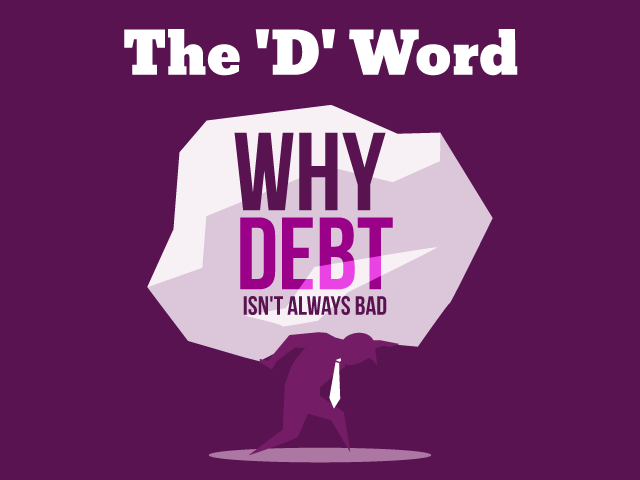
Debt is the “D word” in dentistry — dentists whisper it like death. But the number on your loan statement is not the problem. The problem is that most owners attack it with emotion instead of math, or they run from it entirely and never build anything worth keeping. There is a smarter way, and it starts with killing one lie: that all debt is bad.
Is all dental debt actually bad?
No. And clinging to that belief is quietly costing you a practice. On the Bulletproof Dental Practice Podcast, Pete Boulden admitted he showed up to ownership completely debt-averse — “it was just the way I was raised.” It took his co-founder Craig Spodak getting in his kitchen to reframe it: good debt is a form of leverage, and leverage moves the world.
Here is the line that should be taped to your monitor: money is really easy to get when you don’t need it, and really, really hard to get when you do. Craig lived the ugly side of that in 2010–2011, when he was rejected by five banks building his practice — one pulled the plug at the closing table after he’d already told his contractor he was approved. Four years later that same bank mailed him a flyer offering 105% financing. That is the game. The dentist who understands leverage borrows on offense, from a position of strength — not desperation.
So stop treating every loan like a moral failing. There are two piles: debt that buys you a cash-flowing asset (your building, your practice, equipment that produces), and debt that just bleeds you (high-interest consumer balances). You attack them completely differently.
Snowball or avalanche: which debt payoff method actually wins?
There are two schools, and dentists fight about them like religion. Pete broke both down on air:
- The Debt Snowball (the Dave Ramsey method): Ignore the interest rate entirely. Pay off your smallest balance first, then roll that payment into the next-smallest. It’s a momentum play — you feel victorious the day you kill that $10,000 card, and that emotional win keeps you in the fight. It is psychologically brilliant and mathematically inferior.
- The Debt Avalanche: Pay off the highest interest rate first. As Pete put it, “the effective rate gets lessened by the principal amount getting decreased.” Run purely on math, this is the best option — it costs you the fewest total dollars. Pete used this one on his own student loans.
There’s a third lens worth knowing — a cash-flow index approach that, like the snowball, de-emphasizes the headline interest rate and instead weighs how much monthly cash flow each loan frees up per dollar paid down. For a practice owner, freeing up monthly cash flow can matter more than shaving a rate, because cash flow is oxygen.
So which one should a dentist actually use?
Here’s the tactical answer Bulletproof lands on: the best method is the one you’ll actually finish. If you are disciplined and emotionally steady, run the avalanche — it’s the cheapest path and the math is undefeated. If you’ve started and stalled three times, run the snowball, because a plan you abandon at 40% is worse than a “suboptimal” plan you complete at 100%. Momentum compounds. Shame does not.
And before you throw every spare dollar at debt, run the arbitrage question. When rates are unusually low, refinancing high-cost balances or restructuring practice debt can free up thousands per month. Pete refinanced by putting two banks in a bidding war — “he’ll do 3.3, will you do 3.25?” — because banks don’t like losing dental debt to each other; it’s a strong asset on their balance sheet. Money is a tool. Negotiate it like one. (Standard disclaimer: this is tactical fodder, not personalized financial advice — every state, loan, and tax situation differs. Do your own diligence with a qualified advisor.)
When does paying off debt early become a mistake?
This is where Pete and Craig diverge — and the tension is the lesson. Craig’s construct: not all debt needs to die on an accelerated schedule. If you have a low-rate mortgage or practice loan and you can deploy that same capital into something that returns more — a real estate play, a second location, an equipment line that produces at a higher rate than your loan costs — then aggressively paying off cheap debt can be the expensive choice. You’re trading a 3% liability to avoid a 15%+ growth opportunity.
The trap on the other side is obvious: dentists who “leverage” into lifestyle — the boat, the car, the consumer balances — and call it strategy. That’s not leverage. That’s the treadmill. The 1% distinction is simple: does this debt buy an asset that pays you back, or a liability that bills you monthly?
What’s the real reason dental debt feels so heavy?
Because you’re carrying it alone. Pete has called student-loan debt “the most corrosive mentally” — not because of the math, but because of the isolation. You graduate six figures underwater, you buy a practice with more debt, and there’s no one in the room who’s done it before you. That silence is the real weight.
This is the heart of what Craig fights for: dentistry does not have to be a lonely, white-knuckle grind where you guess at the biggest financial decisions of your life. The number on the loan is finite. The confidence to attack it — that comes from a room full of people who’ve already climbed out and left a rope for you.
Build a practice worth being in debt for
Debt is not your enemy. Aimless debt is. Master the difference and you stop fearing the D word — you start using it as a lever to build something that pays you for the rest of your life.
If you want the frameworks, the negotiation scripts, and the peers who’ll pressure-test your next big financial move before you sign, that’s exactly what we built. Start with the best dental podcast for practice owners, come sit in the room at the Bulletproof Summit, and when you’re ready to stop guessing, apply to the Bulletproof Mastermind.
You are not alone in this. And the best is yet to come.
The 1% of dentists, who want 100% from life.
Blog

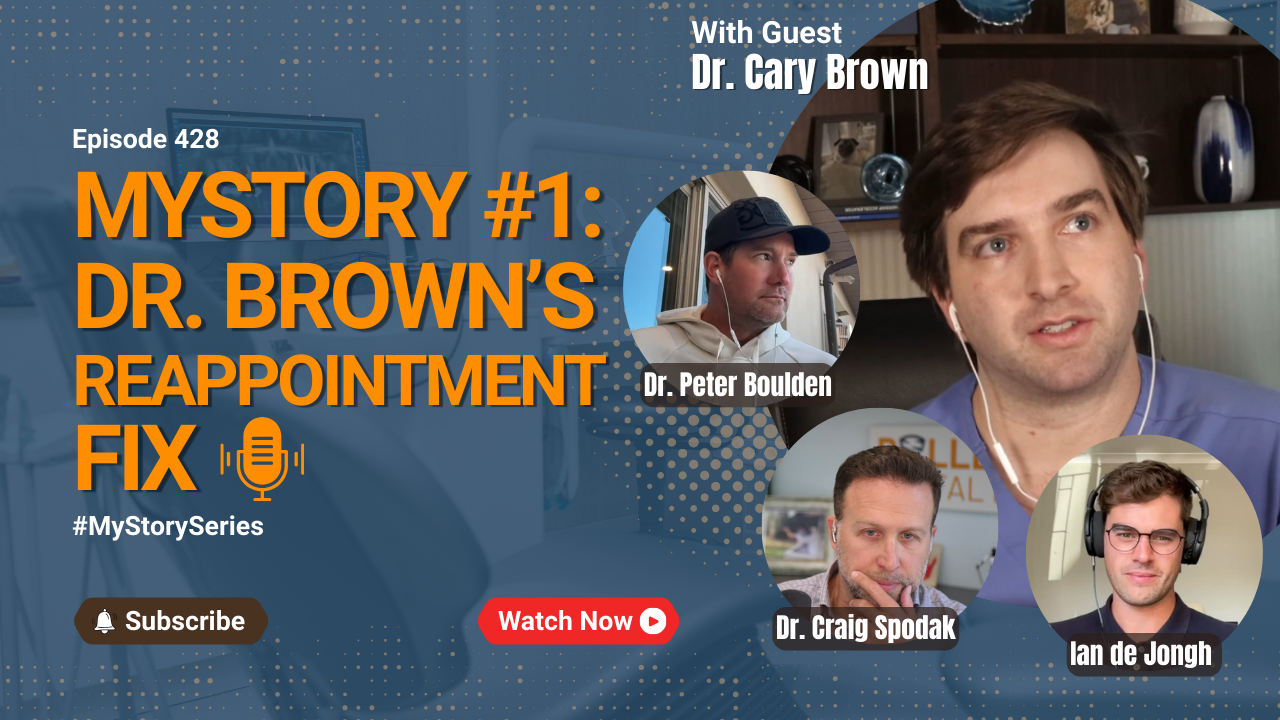



































1+1=3 The Power Of Alignment and Delegation For You and Your OM with Erika Pusillo
, October 31, 2024



























, June 15, 2023

, June 8, 2023

, May 31, 2023













Look at These 3 Stats if You’re Thinking of Going Out of Network with Teresa Duncan
, January 11, 2023

, December 28, 2022


Knowing What You Don’t Want with Judy Kay Mausolf of Culture Camp and Erika Pusillo
, November 30, 2022




Cabo This Week, Immersion Learning, Biggest Breakthroughs, Your Personal KPI is Net Worth
, November 2, 2022
, October 19, 2022






















Business is not Productivity, Productivity is not Profitability with Chris Salierno
, September 22, 2021



































3 Biggest Bottlenecks of an Entrepreneurial Dentist: PART 2 with Perrin DesPortes of TUSK Partners