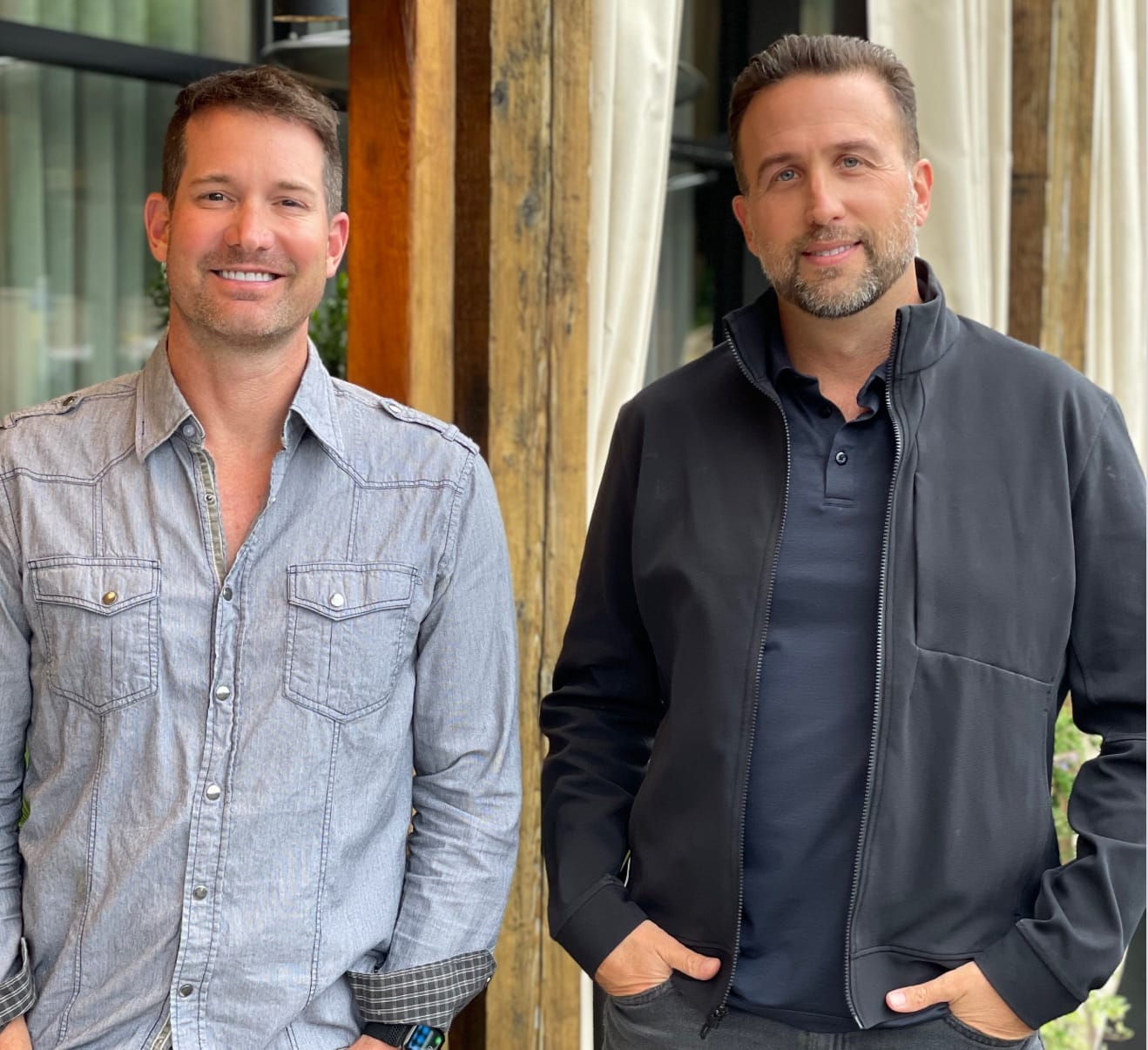
Not Just Saving Teeth with Charissa Wood of Bulletproof Hygiene and Dr. Tom Nabors and Lora Hooper of HR5
Join us for our 2022 Summit! Learn more and register at BulletproofSummit.com!
Bulletproof Hygiene Podcast Episode 242
Host: Dr. Peter Boulden
Guests: Charissa Wood, Dr. Tom Nabors & Lora Hooper
Key Takeaways:
Introduction
Diagnostic Driven Dentistry
Creating The Value
HR5 Salivary Testing
References:
Mighty Networks: Bulletproof Dental Practice
Sign up for HR5 Salivary Testing
Tweetables:
We have a huge role to play in the healthcare system. Lora Hooper
People are seeing the value of testing now. Dr. Peter Boulden
There’s a guilt accompanying incomplete treatment. Dr. Tom Nabors
Hygiene is the superhero of the practice. Dr. Peter Boulden
Full Episode Transcript
Below is the complete transcript of this episode of the Bulletproof Dental Practice podcast. Prefer to listen? Find us on Apple Podcasts, Spotify, and YouTube.
Read the full transcript
The following transcription was from the Bulletproof Youtube channel. Here is the https://www.youtube.com/watch?v=NnKZgzqQ5bA
Peter Boulden
0:00:00
It's going to be an awesome episode. I'm here with Dr. Tom Neighbors, Dr. Laura Hooper, and Charissa from the Bulletproof Hygiene Squad to talk about some cool stuff that's emerged in the field of dentistry. We use it very heavily, kind of boots on the ground, and that's why Charissa is going to be here to talk about it. But Dr. Tom Neighbors is here. I've known you for a long time, sir. You can, like I said before, I hit record, you've been one of the OGs of the oral systemic movement that's transformed dentistry. This is a small fact. I was actually in the founding member floor. Sharisa, you can back me up on this. The founding member floor in, what was it, Minnesota?
Charissa Wood
0:00:43
Yes, Madison.
Charissa Wood
0:00:44
Oh, it was Wisconsin, Madison.
Peter Boulden
0:00:46
Madison, Wisconsin, for the AOSH formation.
Tom Nabors
0:00:49
Wow, that is great. Yeah. How's that?
Peter Boulden
0:00:53
It was a long time ago.
Peter Boulden
0:00:54
So it's something that's been very near and dear to our practice. It's something we've been, you know, when was that formation, Teresa? Let's call it maybe 10, 12 years ago.
Charissa Wood
0:01:02
I think it was 12, yeah.
Peter Boulden
0:01:03
12 years ago, yeah. So, you know, the oral systemic connection has been something we have clinically ascribed to for a long time. And it's made, you know, our hygiene program is as robust and getting people as healthy as any hygiene program I've ever seen, mainly led by this superstar you see in front of you, Charissa. But it is, it makes a whole lot of sense from a scientific level, from a business level, and I'm really excited to get you on, honestly, Doc, to talk about and you, Laura, to talk about kind of the benefits of why HR 5 is better than some of the diagnostics that we've had before in dentistry. So welcome to the show and let's get into it a little bit. So Doc, tell me a little bit, what is it? Why is it, why is HR5 better? First off, kind of give maybe a zoom down on why you're here to talk about that, why you are, as I called you, the OG? Why don't you be braggadocious here for a second. I know that's not in your…
Tom Nabors
0:02:07
No, I'm always uncomfortable with that, but like all of us, in our practices we always seek ways to improve our patient care. And as a dentist for many years, I was always concerned that everything that we did was very predictable except for periodontal treatment. It was always unpredictable. In fact, we didn't even know who to push into periodontal treatment most of the time. It was always kind of guesswork when we were using clinical signs. And so, I've spent the past 40 years trying to figure it out, you know, what can we do better. And so, as a result of that, looking at the literature, I eventually found a laboratory in Germany back in 2001 that was using PCR to identify the most specific pathogens. And when we look at that historically, it began out of four sites, which is now Harvard, and they were looking at 40 of the particular microorganisms in the mouth, and as we all know there are over 700 species, but they were looking at 40 as potential pathogens, and so they were actually measuring 40 of these over a 10-year longitudinal trial. And at the end of that trial, they published a paper in 2006 relative to how many that thought they were really important. And they narrowed it down to 11. And if you remember, and y'all have used tests for 11 pathogens, and the reason for that, is they were called high risk, moderate risk, low risk. Again, the reason for that is looking at the trial, individuals that had high risk pathogens always had alveolar bone loss. Those that had moderate risk pathogens didn't always have, and those that had low risk, or what we would call the green and so forth, they rarely had any bone loss. And so, as we look at the literature relative to today, what we have actually found out, just published last year in Journal of Medical Microbiology 2021, it's the red complex bacteria that control everything. And we call it HR5, and that's the AAPGTF and TD. And how do they do that? Well, it's what we call crosstalk. These microorganisms in the biofilm per se actually communicate with each other. And the ones that are most virulent, the AAPGTF, TD, and FNs of the world have the power, if you might want to say it that way. They send their virulent properties through gene expression into everything that is there. So orange complex, green complex, it does not matter what color they are, which ones they are, they all become pathogenic because of red complex. And the neat thing about it is when we control red complex, all the rest of them become non-pathogenic and the healthy ones become healthy again. So it's a matter of crosstalk and gene expression from red complex bacteria. And it's just not us as a company that wants to create a test of just five pathogens. If we needed 11, we would do 11. If we needed 40, we would do 40. But the literature is on our side relative to the HR5, and that's the reason we do the HR5. The literature supports that.
Peter Boulden
0:05:11
Got it, that makes a lot of sense.
Peter Boulden
0:05:13
You know, I was curious actually what the HR-5 stood for. So basically, they're the leaders of the pack and they render, and as long as everything else gets rendered kind of inert.
Peter Boulden
0:05:25
Is that correct?
Tom Nabors
0:05:25
That's exactly right, absolutely.
Tom Nabors
0:05:27
All right.
Peter Boulden
0:05:28
You know, I love, you know, one reason that we've kind of been a big proponent of this is, you know, I was actually a, so my major in college was in biochemistry as I was, it didn't do so well in that. So I can't say that I'm a scientist by trade, but I always looked at what we did in dentistry as almost like supervised bacteremia. You come in and say, I just want a teeth cleaning, and then they leave and it's like this bloody mess. You're like, I'm not sure that was good for them. I love that, and I tell Sharissa this, that I love that dentistry is moving, with your help, in the direction of diagnostic-driven dentistry. There's no sense in shooting a bazooka at something that you really could use a sniper
Peter Boulden
0:06:10
gun for.
Tom Nabors
0:06:11
I think you bring up a great point, if I might interject there.
Peter Boulden
0:06:16
Yes, please.
Tom Nabors
0:06:17
As early as 1954, the first real clinical trial came out in the Journal of Oral Surgery relative to bacteremias. And what they were saying then is, yes, bacteremias is called infections of the heart valves. And we used to call that acute infective endocarditis. Today, we just call it IE. We knew of cavernous sinus thrombosis that people could die of back in 1954 from bacteria that would travel from the mouth through the circulatory system. So the point being, I'm like you, my majors were in chemistry also and biology. And it always perplexed me that we knew that information but we didn't know how to measure that. And so I kept thinking, how do we measure that? We're not measuring it with periodontal probe. And so it took us up until 2001. So we actually had DNA technology where we could measure that. And so who is at most risk that comes to see our hygienist or our dentist, whatever we're doing, that can actually measure the event before it happens and then prevent the event from happening.
Peter Boulden
0:07:28
Love it, I love it. Laura and Sharisa, anything to add? Laura, I don't know even if I gave you a proper intro, but you are the director of education for HR5 and a hygienist of, not retired, but you've been a hygienist of how many years, Theresa?
Lora Hooper
0:07:44
27 years. 27. But yeah.
Peter Boulden
0:07:47
And Theresa, so to combine, you guys have about like 50 years experience.
Charissa Wood
0:07:51
Yeah, you're right.
Lora Hooper
0:07:52
Well, I'm 26 this year, so.
Peter Boulden
0:07:54
Oh, there you go. So anything you guys want to add on the tale of what Dr. Nabors has kind of talked about?
Lora Hooper
0:08:02
I do. I think it's just important as a practice, you know, we always say you do the right thing, the money comes. I think that just really focusing on what is good for the patient. Really think about this from what Dr. Nabors was talking about. This is a medical diagnosis, right? This isn't a subjective point of view. I'm just taking my probe. I think it's a four, you know, Shrisa thinks it's a five. The next, Susie Hygenos thinks it's a three. This is a true objective diagnosis. So that's really good for the patient. So we can screen people for subclinical disease, find those patients and help them. And that's good for the clinician, right? Shrisa, we talk about it all the time. You know, we're just coming out of a pandemic and people are overwhelmed and stressed out. We're saving people's lives. We have a huge role to play in the healthcare system. And that takes me really to, that's great for the practice. We can be collaborating with the medical community. And that's really where, when you said I'm retired, I really moved into the medical side, working at the Prevent Clinic with Dr. Gina Pritchard. But it's good for the dental practice too, because patients are looking for us. They're looking for you as a dental provider to be able to provide these services. And if you can provide these services, that's so important. I used to always say, and I still say this, Tristan's heard me say this, if I see 10 patients today, 10 patients, eight of them need more than the wrath of Lord, the hygienist. They need brushing and flossing, right? This is not a brushing and flossing problem. So what I'm saying is those eight patients, of course, I'm gonna teach them how to brush and floss, but they need to come back, they need more service from me. That's good for the patient, that's good for me, the clinician, that is great for the practice. The other two just need my brushing and flossing and make sure they understand the importance of coming back. But I think we really need to switch that mindset and Dr. Nabors has done a really good job. I say, are you like probing obsessed or are you testing obsessed? Because I'm testing obsessed. I want to test everyone. Who's the two people that are healthy? Because the rest need a lot more service from me.
Peter Boulden
0:10:10
Okay, stop what you're doing.
Peter Boulden
0:10:12
The Bulletproof Summit is coming at you June 3rd and 4th at the Grand Hyatt in Nashville. The Grand Hyatt is located in the Gulch, which as most of you know is the best area of Nash Vegas. So we'll be featuring new, never done before Bulletproof tracks for doctors, team, and hygienists. There's going to be some VIP tickets available. But book by May 2nd and you can receive some group discounts for your team. Prices will also go up for the last 50 tickets. Tickets are already half gone for this event and it will sell out like all previous years. This is the biggest no-brainer in dentistry. If you want to elevate yourself, your team, and your practice, check it out. Bulletproofsummit.com. I'll see you there. I think one of it, I tell Sharisa this all the time and the rest of our hygiene team, is that if there was a silver lining of COVID, it's that people are accustomed to testing now. That's right. And they see the value in testing. Do I have COVID? Do I not? And so people are doing it weekly. And they weren't complaining about, gosh, this is expensive. Well, I guess you can complain, but it was just became part of life, what we live in. And so I think that's a beautiful thing for this application in dentistry. And it's such an important one because it's, you know, you could potentially have some very damaging bacteria in your body and you could find out the solutions for this very simply for a test that is finally economical for us. I know there's some on the market that has been a kind of a price barrier and I always told Charissa I was like if we we need to get this price point under $100 because there's some on the market that are $200, $300 and there's just so much friction y'all with patients saying like I don't really know about that for you to tell me all these special fancy words I don't really know about that. So I think all those things I think it's like the right time in the market, the right time in society. And I'm just excited to kind of to see how it gets everybody healthy. Doc, I hear you kind of want to chime in, go ahead.
Tom Nabors
0:12:12
No, I don't want to take up all the time. I'm sure Teresa has something she'd like to say and then I'll have some, go ahead. Teresa, what would you like to say?
Charissa Wood
0:12:19
Well, unfortunately I have a lot of things to say, so feel free to cut me off here. You know, when we're dealing with periodontal disease, we are dealing with something that we have known in the past to be a progressive issue with contributing to more bone loss, you know, inflammation isn't just happening in the mouth, it's spreading throughout the body. We know that these pathogens have been shown definitively in research to incite heart attack, stroke, Alzheimer's, arthritis, diabetes, certain types of cancers. We have a huge responsibility in our hands. And when you couple that with the status quo of what treatment has been over time, which was generally scaling and root planing. So what we know about these pathogens is the, you know, the AA, the TF, the PG are resistant to scaling and root planing, right? Because they become tissue invasive. We're not removing tissue. So we can get in there and scale to our hearts are complete, you know, like content, but if those three pathogens are still present, they're still influencing that bacterial community. We know that 67% of patients that go through scaling and root planing are still infected post scaling and root planing. We know that within two to seven days of cleaning that biofilm out and disrupting as much as we can, that they have fully repopulated to what was there before we started. So if all we are doing is mechanical debridement, we're basically just creating bacteremia after bacteremia after bacteremia, and actually putting our patients at risk. So we are now in a culture, like Dr. Bolden said, patients are now used to being tested and understanding what testing is. So why do we not now approach this to say, hey, I have a simple salivary test. You spit in a tube, I send it off to the lab in two days, I know what's present, and I can specifically game plan your treatment to make sure that we are truly getting you healthy and removing these risks. To me, it is a no brainer. I mean, this is not just a, I mean, I think it is a smart thing from a build the practice, support the practice. It is going to bring in the financial side, because let me tell you this, when a patient sees their test result, they are ready to go. That's in my mouth, what do we need to do? And they're on board. So to me, it's just a no-brainer in all accounts. It helps us practice better, it gets the patient on board, and it's our goal of truly getting a patient to true health.
Tom Nabors
0:14:55
Well, I love all of that. And there's wonderful comments.
Peter Boulden
0:14:58
That was awesome.
Peter Boulden
0:14:59
Thank you for your time.
Tom Nabors
0:15:00
Incredible, it really was. And what I would say to your practices out there, that we all struggle with the same issue without salivary diagnostics. And that is, when we see early disease, do we need to do something more than a prophy? Do we need to do something more than brushing and flossing? And those are subjective answers and subjective questions. And there's no perfect answer to that because the periodontal probe can't really tell us that. The literature would tell us that we are as a profession treating late stage disease. Why is that? Because we have to have alveolar bone loss to actually say, okay, I feel comfortable in actually calling this disease. And no other infection would ever be treated like that. And so just in my experience, and again, talking about growing your practice, and I know we want to do this for the right reason, but what I found out is that the typical practice that starts testing, the income from the practice can be as high as 50% through period. The hygiene team can produce as much as the dental team can produce, because it's there. And so we make decisions based on current knowledge, not based on objectivity, or not based on subjectivity. We are using objective data there.
Peter Boulden
0:16:15
I want to put a pin in that for a second, because as I indicated, this is kind of a podcast more on the business and marketing of dentistry, right? And so I love that you say that. The mission, yes, is to get people healthy, but the augmentation to, this is called the hygiene department, usually is such a big win. Everyone wins by that. I always talk about triple win, right? Is the practice winning? Is the patient winning? You know, and is the team winning? So what I want to talk about right now is creating that value, because there's probably pushback in practices maybe listening to this that say, oh, my hygienists are already complaining about not having enough time as it is. I can't implement something else. And having to implement testing, which is next level, which is next level education, is going to require a new level of training, a new level of education, a new level of verbiage, which will also make the hygienist kind of push back a little bit. It's like, no, I'm good the way things are. Change sounds scary. I don't really want to get, you know. So can you talk a little bit? Sharisa, maybe you can talk a little bit about how people that have been in our ecosystem, how you've kind of helped overcome that and show the value of all that.
Charissa Wood
0:17:33
Yeah, I think this is a very valid point, because I think any time we hear about something new or different coming in, everybody gets that fear of change and, oh my gosh, I don't know how to do this. And I mean, I want to speak to, we have been using, prior to HR5, we were using oral DNA, which Dr. Nabors had also created. And we kind of knew that system. So when we made the switch at first, our team is a little uncomfortable, like, oh, this looks different. What do we do with this? I don't know how to manage this and I want to give mad props to Laura because she does all the training for HR 5. So this is one of those, they've really set it up to be very practice friendly in helping with the training aspect of it because they don't just send you the literature and hope, send you on your way. Laura sets up Zoom training and as many as your team needs to kind of get everybody on the same page and get comfortable. I will say for our practice, I actually just, we started using HR5 in January, so we're about four months in. We've got a lot of testing going. Everybody's feeling more comfortable with it. I actually just implemented last Monday and Wednesday, I was in both all of our locations and I created kind of a checklist for our team to make sure everybody's hitting all the points. We actually on boarded a little admin help with some other team members to help keep it going. But, you know, there are anytime you bring in something new, there has to be that, okay, how are we going to make this work? So I don't want people to get scared of that aspect. HR 5 does a really good job with training you to know what to do. So you're not walking around clueless. But I think it's going to be uncomfortable for the first month or two, just like anything. And then you hit the ground running.
Peter Boulden
0:19:17
I love that. So Laura, you help with kind of where the rubber meets the road, essentially, like saying that, hey, we've got all these test results now and I need some help on treatment, because that's probably the scary part, is like, oh, wow, I'm showing all these high loads of some of these HR5 components. Yep. Okay, so you guys show like, hey, use this weapon, not this weapon kind of thing.
Lora Hooper
0:19:40
Yeah, I think the biggest thing is, I almost want to go back to that first step, which you were talking about, like time management, efficiency. I do want to give kudos to all the hygienists out there who are doing this, and they are saying, I'm way faster, I'm way more efficient. I always use the Saturday Night Live, she put her hand under her armpits, you know, like superstar. And that's us. How many times you had your mask, your nose is dripping, your armpits are sweating, I'm like, you're in a bloody prophy. Like, stop, that's madness. I call that the dental insanity or the curse of being a hygienist. It's like, we were taught to be insane. You know, Albert Einstein says, doing the same thing over and over and expecting a different result. We were taught in school over and over, do the same thing, they're supposed to show up different. And now we're giving you tools and resources. I say what the dentists have always been given. It's like, you're drilling a cavity and you hit the pulp. You see red, you step away. You're like, oh, this is a different procedure. I'm gonna take a deep breath here. We were taught, I say, it's like Nemo, just keep on swimming, right? We're just keep on going. And we're getting to the clock, we're sweating, we're in a blood bath, and we have no idea what's going on. And so the tools and resources and communication that we are trying to hand off at first, like Charissa said, it's, it seems overwhelming because it's different, anything we do different. But the big thing is really time management. That you are taking the time and making a diagnosis and bringing somebody back for treatment from our guidebooks to give you clear communication to then really what that next step is, is okay, I am testing, now what? What do I do with the treatment? What is the best treatment decision? And that's really where we help walk you through that. What do I need to think about? What do I have in my practice? What are the best services? Because what Trista was talking about, sometimes they need more service. We're so used to just doing what I call monotherapy, one thing. Hey, I scale in RootPlain, and I want to open that up that there's a lot, we need to really be doing combination therapy. Do we have lasers? Do we have airflow? Do we have antibiotics? You know, do we have ozone? Well, you know, there's so many great treatments and let's talk about them all from trays to what that is and really understand how effective we can be at getting some really great results with our patients. And I think another point to make here is on the other side of treatment, retesting, because this is a very affordable test. And honestly, because patients are already engaged and they've been doing what you're asking to do, they wanna see, have we really addressed this? So post-testing is really a smart thing to make sure that we've done what we needed to do.
Charissa Wood
0:22:40
I love that.
Tom Nabors
0:22:41
And can I bring up another issue from, let's say, a dental hygienist perspective, and that's the emotional issue. And let's just kind of look at Dennis, doesn't it? How many times would we see the crown that we didn't feel comfortable with? Margin wasn't quite right. We were in a hurry and maybe we actually did that. Did we feel bad about that? Absolutely. We felt bad about it and we feel so bad about it that we'll never do it again. And we'll take that one off and do another one. You follow what I'm saying? When I say that, there's a guilt associated with incomplete treatment. Hygienists feel that every day. I mean, what about this patient that comes back and you just did, you know, period of treatment to the best of your ability and you look at them six months later and you pull your hair out.
Peter Boulden
0:23:30
Right back where they started, right?
Tom Nabors
0:23:32
Yeah, right back where you started. And how does it make you feel as a hygienist?
Peter Boulden
0:23:36
Mm-hmm. Not good.
Tom Nabors
0:23:38
You don't feel good about that. And, you know, we all lay awake at night if we really care about our patients saying, what could I have done different? And is this patient always going to be that way? In other words, once a period patient, always a period patient, you can't cure periodontal disease. So I'm satisfied with that. We can't be satisfied with that.
Peter Boulden
0:24:02
Amen to that. I've always, that always bothered me. Like, oh, is this gonna be a supervised disease state forever in perpetuity? Then what's the hope? Where's the hope in that?
Tom Nabors
0:24:11
Yeah, and I'm gonna use an analogy there, strep throat as an example. You go to your nurse practitioner and you have fever and your throat is sore and she looks in there and she says, yeah, I think you've got strep throat. I'm gonna give you a prescription. How many would do that?
Peter Boulden
0:24:26
None.
Peter Boulden
0:24:27
None.
Peter Boulden
0:24:28
You know what?
Tom Nabors
0:24:29
What would they do?
Tom Nabors
0:24:31
They would wanna do a quick strep test, right? Right.
Tom Nabors
0:24:36
Well, they're not gonna give you that medication
Tom Nabors
0:24:37
unless they get a positive test. So here we are dealing with an infection that at least is five different pathogens and we don't know. The analogy to that, doc,
Peter Boulden
0:24:48
would be someone walking into the doctor's office being like, just give me the antibiotics. People walk in and they say, just give me the cleaning. I just want the cleaning. And it'd be like, just give me the antibiotics. Don't look. Don't look and diagnose. Just give me the antibiotics.
Tom Nabors
0:25:01
I would finish my point by saying I've always been very concerned about the emotional issues associated with dental hygienists because they get frustrated. Oftentimes, they want to leave the industry out of that frustration. And we need these people to serve such an important position in healthcare. And so we want their life to be as pleasant as possible. And if they're in our practice, we want to take care of them and we want to give them ways that they can feel much better about their career.
Peter Boulden
0:25:35
I love that. You know, we've always contended that, you know, Craig and Craig, who is not here today, but we've always contended that hygiene is, you know, the superheroes of dentistry. They really are. They are. They can make a practice flourish. They can make your population healthy. Yes, the dentist can make things, you know, obviously functionally work and address things and is obviously supervising the situation. But hygiene, kind of like what Laura was saying, it's like the Nemo's getting in and swimming and really being trying to get that patient healthy and sometimes getting super frustrated with it. So I love that you're addressing all this. One thing I also want to mention, given that, again, business and marketing, is that think about the impact this has, right? In the age of testing, we've all mentioned that everyone's comfortable with that. Imagine someone now being tested at your practice and then going to a cocktail party and says, my dentist is testing for pathogens or bad bacteria in my mouth. And the other ladies or men at the table may say, hmm, probably thinking in their head, I've never been tested at my dental office, right? So it's a next level, it's dentistry in the year 2022 versus the year 1975, like you kind of mentioned, doc. And I just love that. I think I love to see the shift in the evolution into diagnostic driven dentistry versus like, let's just try and kill everything, even the gum tissue, you know, like let's scrape it all away and just make it bleed everywhere, that works.
Charissa Wood
0:26:58
And I wanna connect to that Dr. Bolden. So yeah, they're telling their friends, they're telling their family. I had several spouses now where they're like, oh, I wanna get my husband tested and he's shown up the next day because his wife's like, hey, I want you to go do that. So, you know, people are talking about it, but I had a really great patient example last week. I had a patient who, she came in a couple of weeks ago. She's a perio-maintenance patient. We've been seeing her for years. She loves us, she trusts us. She said, hey, you know, she had a really bad bout of COVID and was still struggling with some breathing issues. And I got in there and I did my assessment. She had a lot of bleeding, a lot of inflammation. And I said, whoa, you know, let's see what's really going on here. And so we did her testing and she also has a kidney disease. So when her results came back, I knew that we likely wanted to start her on some antibiotics for her therapy with me. And I had her reach out to her doctor just because of her kidney disease. I'm like, hey, can you check in with him and just make sure that you're clear to take this? Well, thankfully he lives in our neighborhood, so this made it really easy. And she went down and she took her salivary test to him and said, hey, my dentist is concerned, I've got this infection going on, is it okay for me to take this antibiotic? And he got really curious. He was like, that's really cool. And I wanna do some blood work on you. And they did her blood work and found out that all of these medications that she was taking,
Lora Hooper
0:28:24
none of them were working for her.
Tom Nabors
0:28:26
There you go.
Charissa Wood
0:28:27
And she would have just continued to take her medicine unbeknownst to anyone. Like he literally asked her, he's like, are you taking any of your medications? She goes, I'm taking everything you've given me. He said, nothing is changing for you. So now they're gonna start digging. But to me, that was like the biggest win of my whole day because now we're talking about that collaboration. Now patients are understanding the value. They're going to their physicians, they're asking for more, and I'm seeing patients in my chair daily now asking for more. They're coming in saying, hey, I heard my mouth
Lora Hooper
0:28:57
can affect my heart, what do I need to know about this?
Tom Nabors
0:29:01
Yes, love that, I love that.
Peter Boulden
0:29:02
And Laura, I know you work on the physician side a lot, right, so imagine the referral source, let's just say you're the first person in town to be doing this, imagine the referral source from some of the referring physicians if you can tap into that, I mean, it's a huge, especially with even like surgical pre-admission, you know, like people who need kind of surgical
Peter Boulden
0:29:22
preliminary information.
Peter Boulden
0:29:22
Dental clearance.
Lora Hooper
0:29:23
Yeah, dental clearance, thank you.
Peter Boulden
0:29:24
Yeah, I mean, so this is just, there's a lot, I think it's a blue ocean, and I think it's, you know, if you're listening to this and you haven't adopted this in your hygiene department, I encourage you to do so, because it's worked really, really well in our Atlanta Dental Spa, in our platforms. Do you guys have anything, I don't want to keep, obviously there's so much value here, and I think someone listening would say, heck yeah, where do I sign up? So I want to, unless you have anything closing, I want to give people kind of the next steps of how they can learn more. Unless you got anything more. Go ahead, Doug.
Tom Nabors
0:29:56
Laura, go ahead.
Lora Hooper
0:29:58
No.
Lora Hooper
0:29:59
Well, you're just talking on healthcare costs, I ask, what is it costing you not to test? Because I say, instead of looking at it the other way, I say, it's costing you to watch period-on-treatment walk out the door. You're just watching your services go right out the door. I want to touch on what Dr. Nair is talking about. You're watching burnout, right? And I say with everyone, it doesn't necessarily have to be hygienists because I have some amazing assistants too on my team and it's everywhere. And to just give that passion, that renewal of, we all wanna be part of something bigger than we are, to really be a part of saving lives. And I call that the revolution right now in healthcare. Right, half of all heart attacks are triggered by these pathogens and that's everybody's part on our team to help reduce those risks. And then I say the healthcare costs to really each patient, you know, a diabetic for instance, just how much more they're going to be paying is just like Trish's patient, kidney, like not getting to their root cause and then having more and more health care costs. So I say it's all these costs walking out at the end of the day for you to be a part of that and making an impact, right, and your business will flourish. So, you know, just like you said, and the collaboration happens. But testing is easy. I'll let Dr. Nairs wrap up and tell people how to get involved with direct diagnostics
Charissa Wood
0:31:22
and complementary training.
Peter Boulden
0:31:23
Yeah, how long does the test take?
Tom Nabors
0:31:25
I want you to elaborate on that, Doc. Yeah, absolutely. Well, moving into this third sphere now of clinical laboratory testing that I've been a part of, I've heard all of the issues that were brought up today, and that is cost. And that is also the question of what we do next and all of that. So we can help you with that. But what I really wanna say relative to this concept is for the first time, we are actually looking at our ability to be a part of the future of medicine. Dr. Leroy Hood made this statement about 10 years ago. He said, medicine needs to predict who's going to have disease. Medicine has to prevent disease. Medicine has to personalize those who have disease. And medicine has to get the person involved in their own treatment. That's called personalization. So think about that minute. Can we predict periodontal disease? And the answer is absolutely we can. We can't do it with the probe, but we can predict it in children. So, start testing children. In other words, every family member that has periodontal disease, look at every other family member, because they will infect every other family member. So, test all of the family members. And then secondly, what I would say about that is for the first time you can connect these bacteria to specificity. In other words, if you want to talk about Alzheimer's or heart disease or diabetes or kidney disease or whatever, now you can really specifically say that by eliminating these high-risk pathogens, I've actually been involved in preventing them from having Alzheimer's disease later in life, or preventing them from having a heart attack, or preventing them from having a lung infection. I have contributed to their overall health based on what I've done for them. And so moving into the big picture, like Laura is saying, it's an exciting field, it's still relatively new for all of us, it moves your practice. I oftentimes say it doesn't just change your practice, it changes the entire environment of your practice. Don't you all agree with that? Yes, yes.
Peter Boulden
0:33:32
And all of you, from the dentist to the front person,
Tom Nabors
0:33:35
everyone becomes involved in the health of the patient, not just saving teeth. And the way that we would love for you to do is contact us. You can contact
Peter Boulden
0:33:46
Laura or myself. We're going to put a link in the show notes to make it really easy because I know you guys are giving, Laura, you guys are hooking up people who are listeners of Bulletproof and Bulletproof this podcast and Sharissa's, you know, because we're really advocates of it. So, also, you guys have also offered to be testing, free testing for all the people who are coming to our Bulletproof Summit in Nashville in June, doing free HR5 testing to all the attendees, which is just really cool. And yeah, that's, I mean honestly, I'm really excited for this, to get out, to let people hear this and know that it's available. I think sometimes people just don't even know this stuff is available, you know? So just creating awareness around, you know, the paradigm shift in hygiene I think is amazing, amazing. Laura, anything else to add?
Lora Hooper
0:34:46
Teresa, anything else to add?
Lora Hooper
0:34:48
Well I can't get enough kudos to Teresa. I love working with you. You know, Bulletproof is amazing, getting people really to understand and take those steps so they can see, you know, like I said, just taking that first step, you got to jump in and you're able to walk them through. And just that it's possible that, you know, we can achieve these things. I do have to give a shout out to the dental community that we speak on airway to pathogens to plaque and for people to understand what I call this continuum circle, it drives treatment. People always ask me, why do you talk about airway to pathogens? It's just understanding everything we're doing in dentistry kind of comes back to this. Whether it's an implant, whether it's a sleep appliance, we can go into systemic health, but it really comes down to this, that testing is so imperative on all sides. I talk a lot about on the restorative side and kind of just hopefully open that up too and that could be a whole another conversation, but it is so important and just want everyone to hear how beneficial it can be to their practice. But starting with yourself, we are committed to our community. We are that committed that it is complimentary. We are that committed that, you know, we're here to hold your hand and we're here to help people, you know, race through. So we will go as fast or as slow as you want to go, but the support and the resources are for everyone here.
Peter Boulden
0:36:14
That's awesome.
Lora Hooper
0:36:14
To make it happen.
Peter Boulden
0:36:16
Cherise, anything for you?
Charissa Wood
0:36:17
I mean, I'll just say for those listeners that are thinking, yeah, this sounds good, but you know, how involved is this? You know, the company will test your team at the beginning and then they go through your results with you so that you kind of understand. It gives you a chance to try it yourself. And then, like I said, Laura coaches you through everything, but as far as the time it takes in your operatory, it's literally two minutes. You literally have your patients spit in a tube, you process it online, they send you the shipping materials, you send it off, you check your results online. I mean, it couldn't be simpler. So, you know, don't let the fear of the unknown keep you from getting curious. I encourage you to give it a go, and then, you know, once you get your feet wet, I don't think there's any turning back.
Peter Boulden
0:37:07
Love it, love it.
Peter Boulden
0:37:09
Nice, nice.
Peter Boulden
0:37:10
Dr. Neighbors, thank you for joining us. Laura, thank you for coming on. Are you coming to Nashville? I know you are, doc.
Lora Hooper
0:37:19
I heard you say that. But Laura, are you coming? I'm not. We have our integrative dental medicine workshop site. Otherwise, I would have, I know, Tristan would be right next to me.
Peter Boulden
0:37:32
It would be just a powerful duo. We're working on that. We'll have to wait till next time. So yes, again, I'm going to put everything in the show notes. HR5 is going to be doing complimentary testing at the summit. Make sure to get your tickets soon. We are actually down to the last 50 tickets, I think pretty close to 50 tickets of the summit registration, which then the price starts incrementally going up a little bit just from the last 50. And yeah, that was awesome. I want to thank you all so much for your time and I'm excited for the future of dentistry even more so than when I started this pod.
Tom Nabors
0:38:07
Thank you Dr. Bowden, thank you Karissa and Laura. It's been a pleasure for me to be with
Peter Boulden
0:38:12
you. you.
Peter Boulden
0:38:13
Alright, thanks y'all.
Transcribed with Cockatoo
Blog


















1+1=3 The Power Of Alignment and Delegation For You and Your OM with Erika Pusillo
, October 31, 2024







, June 15, 2023
, June 8, 2023
, May 31, 2023




Look at These 3 Stats if You’re Thinking of Going Out of Network with Teresa Duncan
, January 11, 2023
, December 28, 2022

Knowing What You Don’t Want with Judy Kay Mausolf of Culture Camp and Erika Pusillo
, November 30, 2022


Cabo This Week, Immersion Learning, Biggest Breakthroughs, Your Personal KPI is Net Worth
, November 2, 2022
, October 19, 2022




Business is not Productivity, Productivity is not Profitability with Chris Salierno
, September 22, 2021






3 Biggest Bottlenecks of an Entrepreneurial Dentist: PART 2 with Perrin DesPortes of TUSK Partners