It’s Still a Good Time to Borrow Money with Chandler Wrightenberry from LiveOak Bank

Bulletproof Dental Practice Podcast Episode 261

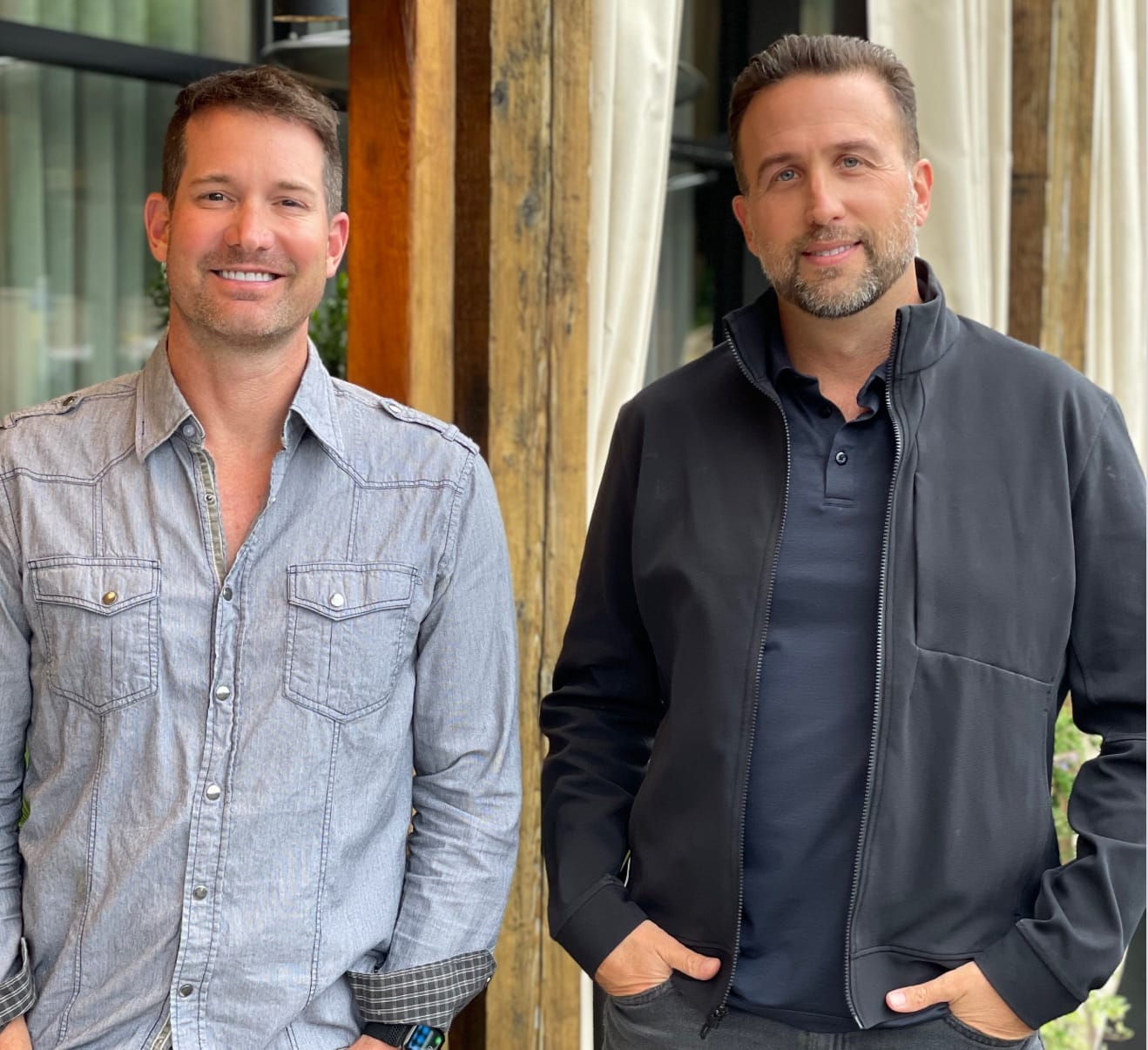
Hosts: Dr. Peter Boulden & Dr. Craig Spodak

Guest: Chandler Wrightenberry

Key Takeaways:
Introduction

Rates For Dentals
Background Of LiveOak Bank
Why Is Culture Important?
True Cost Of Capital
Benefit Of Borrowing
Good Debt
Start-Ups And Expansions

References:

Bulletproof Mastermind
Bulletproof Summit
Mighty Networks: Bulletproof Dental Practice
Chandler Wrightenberry: 
828-337-1374
chandler.wrightenberry@liveoak.bank
liveoakbank.com

Tweetables:

People tell people about the experience they had. – Dr. Peter Boulden
At the end of the day we need to remember who is important, and that is the customer. – Chandler Wrightenberry
COVID made everyone up their game. – Dr. Peter Boulden
Small businesses are the backbone of the economy. – Chandler Wrightenberry


Full Episode Transcript

Below is the complete transcript of this episode of the Bulletproof Dental Practice podcast. Prefer to listen? Find us on Apple Podcasts, Spotify, and YouTube.

Read the full transcript

The following transcription was from the Bulletproof Youtube channel. Here is the https://www.youtube.com/watch?v=dMLi907nUdo

Craig Spodak
0:00:00
Hi everybody and welcome back to another episode of Bulletproof Practice. And today it's Peter. We're reunited again and it feels so good, Song says. But we've also got our friend Chandler from Live Oak Bank and I'm a huge fan of Live Oak Bank for many reasons. So Chandler, good to have you here.

Chandler Wrightenberry
0:00:27
I appreciate you having me on.

Craig Spodak
0:00:29
So let's get right into it. Everybody's saying like, banking, what's going on? Aren't rates going through the roof? Isn't this the worst time in the world to be talking about your banking needs? And right before we hit record, you said something interesting. You said that your rates for dental are right back to where they were pre-pandemic. Can you unpack that for us? Because we thought rates are higher than they've ever been now.

Chandler Wrightenberry
0:00:53
Yeah, absolutely. So, you know, it's not beyond us that within the media today, you're seeing rates rising in historical rates that we've seen before back to the 1970s. So what I was telling you guys right before we push record is that here at Live Oak Bank, our rates are getting back to where they were pre-pandemic. So think 2018, 2019 rates right now for us are in the 5 to 6% range. And that's what they were pre-pandemic. So, um, let me just pause you right there, by the way, people are, there's

Craig Spodak
0:01:26
a narrative and you're right. If you're listening to the mainstream media, you're like, wait, it's her living at three quarters of a percent, blah, blah, blah, blah. And you got to remember, like, when you look at a 30 year rate chart, we're still really, really, really low. So Peter and I, we had podcasts back September, literally a year ago saying, you know, even though the administration was saying, inflation is not really there, and we're not in a recession and blah, blah, blah, blah, blah. We were beating on the drum of like, hey, check your rates, make sure you're, you know, for those that are in adjustable rates and things like that, or prime plus one or whatever you have, this is a time to shore up your rates. And I'm proud to say we were right about that. Peter and I took action. You know, many of our masterminders took action. But for those that didn't, it's not too late. When you pull up that 30-year rate chart and see where rates are, yes, they've come up from their amazing lows, but they're nowhere near where they have been historically over 30 years. So for those people who are just kind of kicking the can down the road, this might be your last ditch attempt. No one has a crystal ball, but if I were to be betting, I'd be betting that rates are going to go up in a year or two. Yeah, and that's exactly

Chandler Wrightenberry
0:02:34
right. And so what I tell my clients a lot is obviously we're back to pre-pandemic rates, but also rates are historically low and this is a 20 to 30 year investment. Right. You know what I mean? So when you extrapolate that over 20 to 30 years, you're investing for that, right? And so whether you get 100 basis points off or 150 basis points, that shouldn't make that big of a difference right now. They're historically low. That revenue that you're going to be able to drive with this new practice or this new location, it's going to exceed what that rate you're going to be paying today. So it's historically low and it's still a good time to borrow. So we got introduced to Live Oak through a bunch of

Craig Spodak
0:03:10
connections. I have a friend who works there, Peter, you have a friend who's high up in the executive team of Live Oak. And I just wanna just tell the listeners about what Live Oak is, your campus. I mean, I call it a campus, I've never been there, but I just wanna hear that story again, because it's so cool from a culture fit, because we're used to having these huge banking relationships and you're just the number.

Chandler Wrightenberry
0:03:34
I wanna hear a little bit about Live Oak, if you don't mind. Yeah, absolutely. So background story, Live Oak Bank started up in 2008 as a niche SBA lender. So Small Business Administration, we're focused on government guaranteed lending. So when we originally started, we only lent to veterinarians looking to expansion projects by building ground up construction. And then in 2010, we introduced our healthcare division. So our CEO still today, Chip Mahan, when he started this bank, what he decided was there's a three legged stool, right? In business, right? You got your customers, you got your employees and you got your shareholders. Well, and publicly traded companies, right? Usually the shareholder comes first, right? Because we're trying to make profits. We're trying to give dividends out. Well, he flipped that around. Right. And so what he said is we are going to take care of our employees. And do the most we can do for them. And in return, they're going to take care of our customers and treat every customer like the only customer, which will then transfer over to the shareholders. And so, like you said, Dr. Spodak, they invest in Live Oak Bank employees like no other. We've got a beautiful gym down here, 100% health care benefits. We've got a few restaurants. They are going to pour everything.

Craig Spodak
0:04:46
Wait, wait, I just love this stuff because you know I'm the guy that you know had free lunch for every team member and went Through all that so so where y'all located?

Chandler Wrightenberry
0:04:55
We're located in Wilmington, North Carolina Down here by the beach so one location is one large building one location We have four buildings on campus right now about to build our fifth and we have Coming up on 900 employees and so it sounds like Google, Google of banking.

Craig Spodak
0:05:15
So you've got a gym, you've got restaurants. Tell me about that. Like, are the restaurants free or reduced?

Chandler Wrightenberry
0:05:21
They're heavily subsidized. But the whole thought process, like I said, is giving back to the employee so that we can go in return, give the best to our customers. Right, so if we have an employee, if you're enjoying coming to work every day, you're gonna give it your all, right? And that in return gives you a good culture, right? And a culture that you can grow and scale with, because, hey, we're reaching 900 employees right now, soon to be 1,000, soon to be 2,000. But at the end of the day, we've got to remember who's the most important, that's the customer. So being able to invest within your employees is going to give a great end result.

Peter Boulden
0:05:56
That's a good point. You know, honestly, we talk about culture a lot, as you know, Chandler, you were at our summit, and so you saw some of the content we talk about stuff like that and that is a rub. Like right when you're below 10 employees and you're the operator, it's like really pretty easy to maintain the culture because you're almost involved in all those experiences. When you start getting into the 40, 50, 60 employees, 900, it becomes something that you better have

Peter Boulden
0:06:21
a method to, right?

Peter Boulden
0:06:22
There better be some systems in place that say this is what we're going to do at these levels because it gets harder and harder to maintain that control and harder and harder to manage employee satisfaction, which to your point, transcends to the patient experience or the customer experience, right? So it's vital. It's not just it's fun and it makes more business sense and all this stuff. It actually transcends to the experience of the patient or the customer, therefore it has tremendous value. I know I'm stating the obvious. It's nice to hear that. Why is the culture important? Because some of the people almost put it in the bucket of marketing, and it's really not. I mean, I guess it is a grassroots kind of marketing in the ground level of your practice because people tell people about the experience they had full stop.

Chandler Wrightenberry
0:07:04
Yeah. Absolutely.

Craig Spodak
0:07:05
Don't you find it unusual though, Peter? Don't you find it unusual there's a bank that does

Chandler Wrightenberry
0:07:10
that now? Because for-

Peter Boulden
0:07:11
Because like for really, I think I think all smart business agnostic of the industry is having to pivot that way, especially with the work from home movement that happened during COVID. Getting people back into the office isn't the same way. There's not this metaphorical gun to the head. You better come back to work. So you have to create an environment that is superior to the to the experience at home. Otherwise, people are going to fight you tooth and nail. So I think that was a silver lining for COVID is that it made everyone up their games.

Craig Spodak
0:07:41
And it was, I think that was the big push for the great resignation. It wasn't just about pay. It was about like looking holistically at your life at work and really examining it. Maybe not going back to that same job, it didn't have meaning, it just had money or it didn't have the gym or the restaurant or whatever else that you're offering.

Peter Boulden
0:08:03
Yeah, we'll pivot. I know, Jim, I know you didn't want to come on here and be our culture ambassador. But I do, and I want to use your knowledge, Rick, to get back to dollars and cents. Because I think to Greg's point, there's a little bit of fear in the streets, especially because we as dentists, well, we as humans see headlines that say, oh man, another 75 basis points, another this, another this. And in that short amount of time where the Fed is desperately trying to reel in this massive inflation, and look, it's going in the right direction right now. But when they're massively trying to reel it in, they only have one other lever to pull. That's the aggression of pulling in basis points, raise the interest rates and slow down to cool down the environment. But to Craig's point, historically, it's still crazy low. I actually grew up in the time period of Nixon and Reagan in those times. I mean, granted I was a baby, but shit, we had 20% interest rates at certain points. It peaked at 20% interest rates and people were still, good businesses were still able to borrow money and grow. So dentistry done right still beats that from a yield perspective, meaning that if I'm going to borrow $100 worth of capital, I should be able to have a yield greater than 20% even if we were at 20% margins. Not to mention the tax advantages of taking money, the expansion, things like that. So my point is, and I'm going to land this plane here, so bear with me. I think you actually even mentioned it. When we were at three, does it make that much more sense when you're at five to expand? Is the delta on that money that much of a catastrophic difference? The answer is no, because if your foot is on the gas, your foot is on the gas. Would you agree?

Chandler Wrightenberry
0:09:51
I would agree with you wholeheartedly, right? Like that delta, can you produce that much more,

Peter Boulden
0:09:58
2% more? The 2% is almost a rounding error sometimes in like your P&L of like, not really, but like meaning the margins of dentistry done right has enough buffer where that becomes irrelevant. Now, if you're in the restaurant business or if you're in the GPC market or direct consumer product, CPC, CPG market, like you don't have that kind of stuff. Real estate where your cap rate is built in. Real estate where your cap rate is, right? It's a direct analog. Cap rate in, cap rate out, so to speak. Yeah.

Chandler Wrightenberry
0:10:33
But also- Low margin businesses.

Craig Spodak
0:10:35
Yeah. One thing to consider too, I just want to share-

Chandler Wrightenberry
0:10:36
Well, it's the arbitrage game like Craig's saying, right? You have to almost, they're saying, look, I can borrow money at five and I can yield seven in this cap rate. Therefore, my VIG is 2%. But that makes a big difference because of the profitability of your investment, right? Risk

Craig Spodak
0:10:51
versus reward. That's exactly right. Look at this chart though, for those that are just listening, you see a mortgage chart from 1971 through 2021, through June of 2021, and you see the median average, the median rate and how far it's been away. We're still below it. I mean, maybe not-

Peter Boulden
0:11:09
So in 40 years, the average, the median rate is 6%, you're saying, Craig?

Craig Spodak
0:11:14
Right.

Peter Boulden
0:11:14
Right.

Chandler Wrightenberry
0:11:15
So we're still below the 40-year moving average.

Craig Spodak
0:11:18
Right. And by the way, just for those that don't understand this, when you borrow at 6%, your interest on your loan is deductible against your taxes. So if your tax rate is 35 or 40%, you're actually paying 6% minus 35 or 40%.

Peter Boulden
0:11:32
And unlike your personal home, there is no cap on business interest. Home interest percent caps out at, I think, let's call it roughly a million dollars mortgage. After that, it phases out and you get no benefit. But in business, expenses are expenses and interest is an expense. So yes, Craig, I would totally agree with you. Not that you want to run that way, right?

Chandler Wrightenberry
0:12:04
You always want to strive to lower expenses and increase top line.

Craig Spodak
0:12:08
But to Chad's point, if it allows you to increase your business, then it's a no-brainer.

Craig Spodak
0:12:14
Right.

Chandler Wrightenberry
0:12:15
In a tax abated environment, 100%.

Craig Spodak
0:12:18
Right.

Craig Spodak
0:12:19
And then let's do a pivot too because I know a lot of-

Peter Boulden
0:12:22
Hold on. Let's stop there for a second because I think we didn't impact that. Your true cost of capital is not as, it's not 6% is what you're saying, Craig. Correct, yeah.

Craig Spodak
0:12:32
If you're at a 35% tax bracket, it would be 0.65% of 6%, which is 3.9%. Well.

Chandler Wrightenberry
0:12:39
That's your true cost of capital.

Peter Boulden
0:12:40
I don't know if that's the true math on that, but we're.

Peter Boulden
0:12:43
Chandler, how does that look?

Craig Spodak
0:12:45
These are two dentists talking financial crap. That's what I was gonna say.

Chandler Wrightenberry
0:12:47
Well, I feel like I gotta go to the CPA or the guest listener all of a sudden, Tanner. So I would say refer to your CPA or have a conversation with your CPA.

Craig Spodak
0:12:56
That's how I look at it though.

Peter Boulden
0:13:00
Yeah, no.

Craig Spodak
0:13:01
If it allows you, if borrowing and expanding and buying a building or expanding your facility allows you to make more money, duh. Like that's a no brainer.

Chandler Wrightenberry
0:13:10
Well, this is the advantage of running your own business, right? These are the advantages that being a W2'd employee potentially doesn't give you. When you can borrow money and shield it inside of your ecosystem as an expense, that's pretty cool, right? And these are the advantages that the government is saying for, hey, here's your reward for building and risking and hiring and employing

Peter Boulden
0:13:30
people on our planet or in our country. So anyway. It's true. It's not a loophole too.

Craig Spodak
0:13:40
Yeah, but it's important because people think the tax code is basically, 1 percent what to pay and 99 percent what are government incentives, which most people call loopholes. Government incentives such that we don't actually want you to pay us. We want you to create opportunities, build things, hire people, buy stuff. That's what I think a lot of people don't understand. At first, you want to, you just, you think about your salary and what you're making. And I think this is the reason why many dentists reach the age of retirement and don't have the ability to retire, is because they look at their wages and they don't really look at their assets. And borrowing money is a very interesting thing. It's, for me, it's amazing that you don't have to pay tax. If I wrote either one of you a check, there's a tax implication. If a bank gives me money, it's tax favorable and there's no taxation on that money being used. So it boggles my mind why more people don't do it. And I think it's just because the financial literacy in our country is so unbelievable that debt is just all bad. People conflate business debt and debt on assets with credit card debt and getting in the hole because it's just pounded into our head that debt is bad. I do want to make a turn though Chandler because I am the recipient of a government subsidy. Maybe many people didn't know that. So when I set off to build my building, it was a very large multimillion dollar project and traditional banks would have required 20 or 30% down and I physically could not do that. That would have been over, for maybe $2 million. So I went and got an SBA loan, it was a 701 loan. Is that correct, 701?

Craig Spodak
0:15:21
It's 501.

Chandler Wrightenberry
0:15:22
It would be 7A, 7A loan. 7A, sorry.

Peter Boulden
0:15:24
And 504.

Craig Spodak
0:15:25
Okay, tell the listener what these amazing, valuable tools are and why they're compelling for a person that wants to start an owner-occupied building. I'd love listeners to hear about these programs.

Chandler Wrightenberry
0:15:38
Yeah, absolutely. So maybe I'll start back with kind of square one to educate. So the way that I explain this is almost like two schools of thought. You have conventional lending and you have government guaranteed lending. And so there's a lot of bankers in the space that do conventional lending really, really well. Startup financing, acquisition financing, there's a space for that. But when you start to get into large ground of construction projects, owner occupied building purchases and remodels, government guaranteed lending starts to make a lot of sense. 504 7a. So just like you stated right, so people or clients out there are kind of like hey is there the ability for me to get into ownership without having to put 25 or 30 percent down. I got a mortgage, I got student loans. I have kids. Right. There's no way that somebody's going to be able to go provide me financing for two or three million bucks four million bucks to build My dream facility. So it's an educational thing, right? Well, there is an option out there right and it's through the SBA's through the government government loan program So here at Live Oak Bank, that's what we are specializing in There's other lenders that do it across the country But what that affords the doctor that is looking to expand to go from four ops to five ups and a leasehold facility Instead of going and continuing to pay a landlord Why don't we go and finance an owner occupied building and get a real estate ownership? Tax it manages you're creating wealth And you're doing it safely and affordably to be able to grow your revenues Kind of back to the point of what we were speaking about before Any time that you can take on debt, you know, at a reasonable level, reasonable rate, that's going to help you grow revenues and make more money, that's good debt. That's good debt. So these are the programs out there in the government guaranteed world. The 7A allows for 100 percent financing for building purchases, ground of construction and a multitude of things. But that's where I think they are best fit, along with the 504. That's helping with owner-occupied commercial real estate.

Craig Spodak
0:17:41
Yeah, there's just no way I would have ever been able to have done what I did without that program. I just know it. There's absolutely no chance. And I don't know about other countries, but when I talk to friends of mine that are in Brazil or in Europe, the fact that there are abilities to lever capital and nevermind government-backed programs, that is like the core of what's great about America. You can take someone and allow them to bootstrap it like that, but no one would have taken a chance on me. No bank would have had that exposure. Peter, have you ever done anything like that? No, you've never done an SBA, right? No.

Peter Boulden
0:18:18
Never done that, no.

Chandler Wrightenberry
0:18:19
And it's not a fit for everyone, right? I mean, there's multiple financing options out there, but less money down, larger projects is usually a better fit. The government guarantee obviously provides the bank flexibility to go out there and lend on different types of terms. They're going to be a little bit more flexible. So, you know, we're hopefully providing the American dream every single day here at Live Oak Bank and the health care division and the bank as a whole. I mean, we're creeping up on $9 billion in assets and doing $4 billion of originations a year to small businesses all across the country, 28 to 30 million small businesses, which is the backbone of the economy. So this access to capital and education is

Craig Spodak
0:19:04
important. Statistically speaking, I mean, there's an overwhelming percentage of people that are just employed by small businesses. I think the majority of people are employed by small businesses. So I mean, it makes sense that the government has a program like this. And I hear a lot of chatter like, oh, you don't want to do that, there's high fees. You know, there's additional fees associated with the closing costs and stuff like that. I'm like, what other choice do you have? Like for me, it's like higher fee or not pursue my dream.

Chandler Wrightenberry
0:19:30
So that's awesome.

Craig Spodak
0:19:32
So one of the things that I think is also a big thing that I want to talk to the listeners about as well is that dentists, we're really loyal people. We appreciate people being loyal with us. We don't appreciate when people negotiate with us. So if you say, hey, Mr. Jones, you need two crowns for the filling, how about one crown and two fillings? And why don't we do it for half? And I'll pay you up front. Like, it just rubs us wrong because we're medical professionals and we really value long term relationships. And I think it can come to our detriment as well because we may have that banking relationship and the banker, you know, may have been your banker for 10 or 15 years. They slide that 9% interest rate across the table. And I've stopped probably about a dozen people from saying, Hey, I know this guy's a great guy. Can I just make an introduction to you just to a friend and then save massive amounts of money? I think real estate people, a lot of more seasoned business professionals are really savvy to understand the implications of a rate and to shop. I think dentists, unfortunately, don't shop rates. I've had it so many times. One of our masterminders, Peter, just reached out. I forwarded the email to you. I was telling him to shop the rate back in September. He's doing it now. But still, it's like we have an internal barrier to wanting to not be loyal and respect relationships. This is business. You owe it to your team and your practice and your profession. I mean, your professional life to make sure you're getting the fair treatment. Have you seen that, Peter? Like with your friends and stuff?

Peter Boulden
0:20:59
Not really.

Craig Spodak
0:21:00
Oh my God. I have so many people like that. They go to the big banks and that specialize. They get crushed on rates. Crushed. It's probably your friends are more sophisticated.

Peter Boulden
0:21:11
Yeah. Well, look, I mean, as you know, I mean, the more developed you get in business, the better those relationships get, the better those, you know, like there's preferential deals, you know, so yes, you are right. Yeah, you're a good example of that, Peter. Portfolio and all the stuff and

Craig Spodak
0:21:27
it's starting to get really favorable treatment. Well, because I have a lot to cross-collateralize,

Peter Boulden
0:21:31
right? So, I mean, it makes me a safe, quote unquote, safe. So, I mean-

Craig Spodak
0:21:34
Getting in the game early is the key. You have to get in, you have to own some assets, those assets have to get paid down. And that's when you like, the sooner you get in the game, the better it is. You and I have had better treatment over the last three years because of our history, getting in, even if that's your first home or any asset purchase.

Chandler Wrightenberry
0:21:57
So Chandler, do you guys do any personal lending as well? We do not. We do not do any type of personal lending. We're just doing small business focused, you know, anywhere from $350,000 up to about $7.5 million on our SBA side. And we have some other divisions, USDA, which is another government guaranteed loan lending program. And then we've kind of gone up market in the conventional world, but that's, we would consider lower middle market companies with 2 million to 5 million in EBITDA. So those are gonna be some larger credit facilities on that side, but no personal.

Craig Spodak
0:22:33
Are you guys doing exclusively medical still or are you mostly dental or still mostly that?

Chandler Wrightenberry
0:22:38
So our healthcare division, which was started up in 2010, I would say 90% of it is to dentists all across the country looking to do-

Craig Spodak
0:22:45
Wow, we took out the vets.

Craig Spodak
0:22:47
And we were actually-

Chandler Wrightenberry
0:22:48
And not the veterinary market.

Chandler Wrightenberry
0:22:49
That's right, well the vets still here the veterinary business is thriving and alive They're doing really really well Just a ton of competition in that space smaller market, right? I mean, I think there's probably $200,000 200,000 independent dentists out there. Obviously, there's consolidation going on in that market as well. But on the vet side, I think it maybe is half of that veterinarians out there. So not as big as a total addressable market for lending.

Craig Spodak
0:23:19
And I think more consolidation too.

Chandler Wrightenberry
0:23:21
And more consolidation from the Mars of the world, right? To roll them up private equity as in that space. It's also in the dental space as well. But that is one of the, that was our founding vertical. They're doing really, really, really well. Second to us probably for a number of loans and largest portfolio size on bulk here at Live Oak Bank.

Craig Spodak
0:23:42
Cool. So how-

Craig Spodak
0:23:44
Well, you tell us.

Chandler Wrightenberry
0:23:45
Yeah, go ahead.

Peter Boulden
0:23:45
No, I was gonna get people in touch with Live Oak. I think it's a great relationship to kind of use, especially when you have specialized industry knowledge, right, meaning about dentistry or something like that. So, yeah. Yeah, I have a question Chandler. Do you do like proformas, like dental proformas?

Craig Spodak
0:23:59
Do you dive deep into the business aspects of what can be expected? Do you do that stuff or is it not that deep for what you guys do? Yeah, so on the startup side, right, when we're looking to finance startups, which

Chandler Wrightenberry
0:24:10
is not our bread and butter specialty, again, there's larger banks out there that do that day in and day out. You fit within a certain credit box, you're going to get really, really favorable terms for a startup. If we do do a startup, yes, we're going to look at performer and projections intimately, right, because that's super important. When you're doing an expansion project, which we focus on mostly kind of like what you did, Dr. Spodek, hey, I'm going to buy a building and I want to grow, we're going to look at projections. And an interesting fact is that since our healthcare division has been around since 2010, we've helped over 2,000 clients and done over 2.4 billion to the industry. Just dentistry? Just dentistry. Just dentistry. You know, our average client on book sees 20 to 25 percent growth in the first year. After relocating to that new top-line growth, after relocating to that new facility. And that's just-

Craig Spodak
0:25:14
And I'm sure there are projections where I'm more anemic than that. That's right.

Peter Boulden
0:25:19
I'm sure now, that's awesome.

Chandler Wrightenberry
0:25:21
That's right. So I think that's cool, interesting fact about Live Oak Bank and just about our clients. And you know, why we specialize in commercial real estate and ground up construction. That's a pretty cool, pretty cool fact for doctors looking to continue to expand and grow. And right now, when we get back to still a good time to borrow money.

Peter Boulden
0:25:42
Yeah, it really is.

Chandler Wrightenberry
0:25:43
So important to think about that.

Craig Spodak
0:25:44
I think that's full circle, kind of where we start.

Craig Spodak
0:25:46
Yeah, full circle. It starts on that thesis, it ends on that thesis. That's right. That's exactly right.

Craig Spodak
0:25:51
Yeah.

Craig Spodak
0:25:52
And listen, as Peter loves to say, history will prove one of us right. But borrowing now, everybody's looking in the rear view mirror and saying, I could have got that 3.54%. I think you'll be saying, I could have gotten that 6% or 6.5%.

Peter Boulden
0:26:09
Well, look, you have the data though, meaning you pulled up that chart. It says, look, it's still below the 40 year moving average. So you are still in the right, right? You're still below the right. Anyway, Chandler, thanks for spending time with us today. How would someone get in touch with you personally if they wanted some bulletproof treatment?

Chandler Wrightenberry
0:26:27
Yeah, absolutely. You got to treat all our people VIP. Absolutely. I understand that. Treat every customer like the only customer. So I would love to provide my contact information. So my phone number and my email address and if we want to share it to your… Yeah, we can put it in the show notes.

Peter Boulden
0:26:44
I guess…

Chandler Wrightenberry
0:26:45
The bulletproof groups, the mastermind.

Peter Boulden
0:26:46
Yeah, we'll do that.

Chandler Wrightenberry
0:26:47
I think that would probably be the best way just so you're getting that type of treatment, right? I'm not clicking on a landing page and then somebody's going somewhere and right and take a few days getting lost in a funnel Getting lost in a funnel. So having my phone number my cell phone and my email address. I think it's going to be the best way Cool, we'll get we'll get your Chandler Chandler at Live Oak Bank, correct? Yeah, so it's going to be Chandler right Chandler dot right and very at live oak dot Bank Make sure to share that with you all.

Peter Boulden
0:27:14
There's more than one Chandler.

Craig Spodak
0:27:15
Yeah, well, 900, yeah.

Chandler Wrightenberry
0:27:18
There's a lot of Chandler right in Mary's tail.

Peter Boulden
0:27:22
Yes.

Peter Boulden
0:27:23
Really?

Chandler Wrightenberry
0:27:23
Not at all.

Craig Spodak
0:27:25
Not at all.

Chandler Wrightenberry
0:27:27
I don't think it's a common name.

Chandler Wrightenberry
0:27:29
All right, Pavel, I appreciate your time.

Chandler Wrightenberry
0:27:32
I appreciate your time. Thank you so much.

Craig Spodak
0:27:34
And we appreciate you being at the front end, man. It was great. You were there answering tons of questions. You were immersed in the entire event.

Peter Boulden
0:27:40
It brought good energy, yeah, it was good, thank you for that, you're right.

Chandler Wrightenberry
0:27:44
It was a wonderful show, looking forward to it next year. You guys put really, really good content together, kind of like we spoke about earlier. There's so much information out there. Where do you go, where do you start, where do you begin? You guys did a really, really good job over two days of bringing people back down to earth and educating them on what's important. So I appreciate the invitation and hopefully we'll be there again next year. Yeah man, that'd be great. All right, thank you. and hopefully we'll be there again next year. Yeah man, that'd be great. All right, thank you. Thank you everyone. All right, take care. Bye-bye.

Transcribed with Cockatoo

Bulletproof Summit 2026 · The Phoenician, Scottsdale AZ
For the 1% of Dentists Who Want 100% From Life
August 7–8, 2026 · Limited seats · 10X ROI guarantee

CLAIM YOUR SEAT →

Blog

The Outsourced Team Member

, February 26, 2026

What if Elon ran your practice?

, February 5, 2026

New Year Reflections and Goals

, January 8, 2026

Getting Out of the Chair

, December 4, 2025

EOS + BULLETPROOF PATHWAY

, October 16, 2025

Revolutionizing Dental Care

, October 9, 2025

Packard’s Law

, September 26, 2025

BECOME UNF**KWITHABLE

, April 10, 2025

Invest Like the Rich

, March 27, 2025

HOW TO BOOST CASE ACCEPTANCE

, February 6, 2025

Do These Before End of Year

, December 17, 2024

State of Dentistry

, May 2, 2024

Who’s Got the Monkey

, April 17, 2024

Enrolling More Dentistry

, April 17, 2024

Freedom of Direction

, March 8, 2023

ALWAYS BE RECRUITING

, November 23, 2022

Bulletproof Storytime

, May 18, 2022

Mastermind Announcement

, May 14, 2022

Reduce the Friction

, March 30, 2022

Heroin and a Salary

, December 22, 2021

How it Started, How it’s Going

, December 10, 2021
All things Real Estate – Part 2

, November 24, 2021
All Things Real Estate – Part 1

, November 17, 2021
How To Talk To Your Team

, November 3, 2021

Your Revenue Doesn’t Matter

, October 21, 2021

Summit Wrap Up 2021
, July 28, 2021

Debt Repayment Methods

, June 16, 2021

Bottlenecks to Revenue

, June 9, 2021

The Bulletproof Pathway

, March 17, 2021

Comfort Zone & Lifestyle Creep

, February 17, 2021

1 VS. 5 Locations

, February 10, 2021

Team Alignment is EVERYTHING

, February 3, 2021

Work As Hard As You Can

, December 9, 2020

Becoming a Thoroughbred

, November 27, 2020

Dealing with Upset Patients

, October 22, 2020

Team Compensation Negotiations

, September 17, 2020

The Risk of Burnout

, September 9, 2020

When to Expand

, August 27, 2020

Don’t Blow Your Ask

, July 16, 2020

Your Last Dance

, June 2, 2020

Looking for Silver Linings

, April 7, 2020

HR Answers in a Corona World

, March 19, 2020

The Summit Recap

, March 3, 2020

Dr. Baird is BAAACK!

, February 20, 2020

The Insurance Conundrum

, January 9, 2020

2020: Your BEST Decade Yet

, January 2, 2020

Leadership with Dr. Jenny Perna

, December 19, 2019

Smartest in the Room

, September 19, 2019