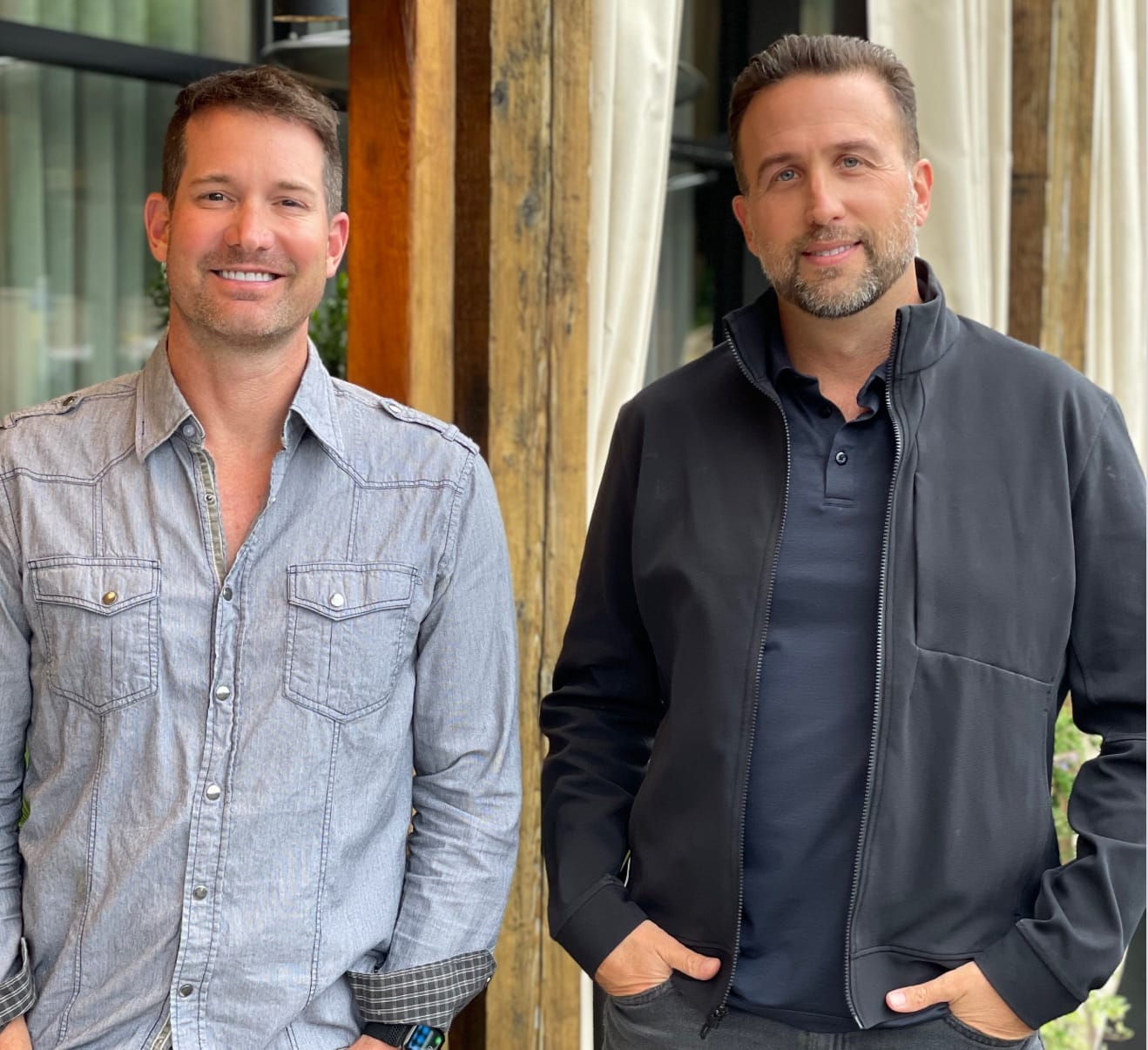
Is Practice Ownership Right for Me? with Richard Low of Shared Practices
Bulletproof Dental Practice Podcast Episode 260
Hosts: Dr. Peter Boulden & Dr. Craig Spodak
Guest: Richard Low
Key Takeaways:
Introduction
Podcast Preview Of Richard
Questions Before Deciding What To Do With Your Practice
Aptitude And Appetite
Culture Index
Serial Entrepreneur
What I Wish I Could Have Known?
Practice Evaluation And Your Vision
Practices For Acquisition
Incentivizing Hygienists
Fun Part Of Practice Ownership
References:
Bulletproof Summit
Mighty Networks: Bulletproof Dental Practice
Shared Practices Events
Tweetables:
There’s no one right way to do everything. -Richard Low
If you’re not owning your practice you’re not living up to the full extent of your profession. -Dr. Craig Spodak
If you’re willing but not able, that’s hard. -Dr. Craig Spodak
Let your pride go and just pivot. -Dr. Craig Spodak
If you bought right you will always have the option to pivot. -Richard Low
Not everything that counts can be measured. -Dr. Craig Spodak
You got to weed out your practice. -Dr. Craig Spodak
It’s great to have a list but people hate change. -Dr. Peter Boulden
Full Episode Transcript
Below is the complete transcript of this episode of the Bulletproof Dental Practice podcast. Prefer to listen? Find us on Apple Podcasts, Spotify, and YouTube.
Read the full transcript
The following transcription was from the Bulletproof Youtube channel. Here is the https://www.youtube.com/watch?v=5isLpNuJH38
Peter Boulden
0:00:00
Okay, today we are starting with Richard Lowe from Shared Practices. And if you're thinking this is going to be a round two with Bulletproof versus Shared Practices, you are completely correct. No, you are wrong in a lot of facilities.
Peter Boulden
0:00:26
Facilities?
Peter Boulden
0:00:27
Craig, it's been a while since I've podcasted, so I might be stumbling, because Craig's been world traveling around here, so I might be stumbling over the intro, stumbling over some words. Richard, I have a problem with words, ironically, or pronunciation, I should say. But honestly, Richard, I have never met you in person, and I've never really had a conversation, and we've done some kind of pre-conversations prior, and I'm excited to dig into this, because I know that you were the original founder of Shared Practices. I'll let you do your kind of own context here, but I have been a listener of you and Shared Practices a long time and I thought it was really cool that you took the leap to start a podcast as a dental student. Am I right
Richard Low
0:01:05
about that? So close. So this is exciting because we've actually hung out off-air virtually quite a bit since that last episode. We've had a lot of conversations and I've gotten to know you two virtually and I'm bummed that I didn't get to come to your most recent summit, your most recent event. I had family planned, like they were driving out from Utah to Indiana where I am right now and it was exactly that weekend. So next year, I definitely want to come out to your guys' event.
Craig Spodak
0:01:34
You're so right.
Peter Boulden
0:01:35
Thank you, bud. Yeah, that'd be awesome. You're right, I had forgotten we'd had conversations kind of not related to our podcast, but you're right, we had met.
Richard Low
0:01:43
We've been talking, well, and then you and I actually met in person at the first Voices of Dentistry.
Peter Boulden
0:01:48
Yes.
Richard Low
0:01:49
And in Nashville. At that point, I started the podcast a year out of dental school when I was in the Army. I did the Army scholarship. I had worked for Howard Faran. I produced his podcast my senior year in dental school. I was involved in podcasting there and produced, you know, I think it was from like episode 20 to episode 200 of Howard's. And I was holding him back. He wanted to be like five, seven days a week. I'm like, Howard, no one can keep up with that much content. And you got to let your guests speak. You got to let them say something bad. I had that experience. Yeah. We were the guest
Peter Boulden
0:02:20
listeners. We make this joke, Richard, that sometimes we bring people on and we do the same. We Howardize them. But it's funny, we both went on Howard's podcast and kind of just sat there with his content. He just went on these rants and I was like, okay, good talk. So we call it guest listening. When you come on as a guest and you don't say anything, you just listen.
Richard Low
0:02:42
Yeah, no, it's a strategy. I swore that on our podcast, if we brought someone on, we wanted to hear them talk.
Peter Boulden
0:02:48
Hear what they had to say, yeah. Well, that's good. So we're gonna hear what you have to say. So keep going with your story about, I was wrong about you starting it as a student then?
Richard Low
0:02:56
Yeah, so I started a year out. I had met Alan Mead. We had hung out my senior year, and he was encouraging me, others, Mark Koss says, they were encouraging me to start my own podcast, but I really had the sense of, who the heck wants to listen to a new grad talk about practice ownership, especially because I was in the Army. Like I literally was stuck in the army for another five years as part of my scholarship that I was very grateful for, but I couldn't put into action what I was learning about practice ownership. I would just had angst. And so that's what the podcast was born out of was.
Peter Boulden
0:03:28
You didn't have, you were talking about practice ownership, but you didn't have a practice, right? Meaning you weren't like military dentist who also owned.
Richard Low
0:03:35
At one point I was, I did buy three practices while I was in the army. Not that I recommend that. That was a few years later. But at the time, my assumption was, I can't put this in action. But my goal was that in five years of podcasting, let's do seasons and let's lay it out in a chronological order for the new grad who's graduating in 2022 or 2016 at the time. How do they go from graduating with a half a million in debt to owning a successful practice? What are the steps in between? And can we smooth that journey out? Because if you buy the wrong practice, if you screw it up, you can put yourself behind, or if you delay it and say, I'll do it later, you can leave a lot on the table. Or if you get it wrong and think you should own a practice, but then you realize it's not the right fit for you and practicing for someone else, you can be miserable for years. So the goal was, let me learn some of this for myself and take everyone else along with me on the journey. And now six years later, we've done over 500 episodes, we've helped hundreds of dentists buy practices, we've coached over a hundred dentists through growth and ownership. But at the time, I was asking questions, I was getting people like you guys on to say, hey, I have these questions, I know there's not always one right answer. I think, and this drives actually George and some of my partners nuts, is that like I kind of like conflicting opinions sometimes on the podcast, because I want to hear a different perspective of like there's no one right way to do everything. What's right for me? What's right for these circumstances? And so that's what the podcast was born out of. And I would love to get the bulletproof perspective on practice ownership for my generation and younger of dentists who are graduating now, who are looking for that first practice to buy or to start a practice. And we'll make an assumption with a caveat at the beginning. And the assumption is, this is an entrepreneurial owner-focused dentist. There's all sorts of ways to do dentistry without being a practice owner. And they're all fantastic and they can be a great fit for everyone. And that's why the first season of our podcast was, is practice ownership right for me? And I don't know, have you guys ever seen anyone in your mastermind or any friends or classmates who like went into practice ownership and then realized like, I'm miserable, I hate owning a practice.
Craig Spodak
0:05:51
So Richard, that's the most common scenario in my experience. And it might be biased because maybe the people that come to me or that are kind of drawn to me are the ones that are maybe dealing with something like that. So it might just be anecdotal, but I see a very common thread of like, this is what you should do. And whether it's the supply houses, the big companies or the equipment manufacturers, but there's a narrative that says in order to be financially successful, in order to like be at the top, the apex of the food chain, practice ownership is a must. And I feel like that narrative is adversely shaping the level of fulfillment for practices, because there are people that can be more economically and emotionally fulfilled as entrepreneurs or associate dentists than owners. And I just don't know if people are equipped to know early on what's right for them. And that's the unfortunate thing. You have to go through it only to realize at a certain point that maybe this was all wrong. In fact, I have a call today at five with somebody that's a classmate of mine thinking about doing the mastermind. And it's just that, I've done everything, I'm producing X, I'm doing this, I have everything right, and I'm not happy. And I think we oftentimes say this, the greatest curse is to get everything you thought you wanted and still be unfulfilled. It's easy when you're not getting what you want and you're unfulfilled, it makes sense. But when you executed your plan, you arrived, quote unquote, and you're miserable, that's a dangerous place. And I think a lot of dentists are there, personally.
Peter Boulden
0:07:22
Richard, what's funny about, I completely agree with what Craig has said, is that what people are attracted to, whether it's the summit or the masterminds or the things we produce, is that they get the recipe. And I am more of a, here's the steps, one through 10, and I will break it down, and that's my superpower. Like, I will show you how to do it all and that's what people come and then ultimately in this process What we determine is they don't need this you need more of what Craig superpower is which is breaking down your true Why your true vision? Living authentically with yourself and that's where honestly some of the power Takes place is that we go through these systematic processes first and then all of a sudden it's like wait a second Are you really aligned with what you want to do here?" And that's where Craig jumps in and really changes their lives and their trajectory. And then we kind of circumvent, we go back to some of the tactical.
Craig Spodak
0:08:07
We actually learned this and we're like, we helped people like, Hey, this is the five things I want to accomplish. Pete jumps right in, boom, here's your market, here's everything. And then like seven months into the mastermind, we have a retreat somewhere and then they're in tears. So it was like, now we, that's why Peter came up with the pathway. And the first part of the pathway is me, know thyself. And so many years of my life, I'm 50, and Peter can probably feel the same way, we spent just trying to chase something that we didn't really want, or feeling bad about something we couldn't achieve, or feeling bad about something we did achieve. And we just wanna save dentistry, and we wanna save the dentist from going through that ass kicking. Because you really, that's the hard step, is knowing what you really want. It's really abstract and difficult. So I think most people just jump on and start achieving and doing what they want to do based on listening to a podcast or some expert said this is what you need to do.
Richard Low
0:08:55
Yeah, I have a friend here who he did a dental startup with a company that specialized in startups and he got a few years into it and realized he hates running a business. He's like, I hate marketing. I hate managing a team. I hate hiring. I hate having the hard conversations. I'm not making good money here because of all of that. But the interesting thing is, is that piece of knowledge that he just gained by doing it is one of the most valuable pieces of information. Now for the rest of his career, he can practice dentistry, not own, and feel great about it. Because he's done that and said, you know what? That sucked, I didn't even like that. Even if I was earning more, I wouldn't have cared. I was miserable. And so if possible, it would be great if someone can learn that before they get into ownership. Sometimes that is the price you have to pay for that piece of knowledge.
Craig Spodak
0:09:49
There are specific tools, by the way, that can help with this. And I think what you're saying, Richard, is really, really a beautiful, knowing what you don't like is perhaps more valuable than knowing what you do like. If you ask someone, what do you want? It's sometimes hard. But you know, what makes you anxious? Oh god, I hate being around blah blah blah blah blah. So I have people that say I want what you have. I said why? Because of X Y & Z they come visit my practice and they see there's like 55 people and I am feeding off of everybody's energy Because I'm an extrovert. I love talking with people. This person is an introvert. I'm like, how do you feel about being here? Wow, all these people really stress me out. I don't like to be around people. Can you just go into your office and I'm all well, maybe then this might not be the right thing. Maybe you want something else. So not just knowing what you don't like, what stresses you out, what makes you anxious, that can help shape your ideal practice. And I think there's also one more thing I want to touch on, and then I'll let this kind of evolve. But I do believe there's a lot of shame in dentistry. And I believe that the I'm just an associate vibe and that mantra is really damaging. People are telling you, if you don't own your own practice, you're not living up to the full extent of your profession. And I just want to call bullshit on that because I have associate doctors and Peter does too that are in his ecosystem that make four, five, six, $700,000 a year. And the fact that you can decouple your salary and your long-term retirement asset is actually valuable. If you're a $700,000 solo practice dentist, your retirement strategy is your practice and your earnings are your practice. If you're an associate, you can take that money and invest it in shopping center, real estate. You can be a business owner, just not being an owner of the business you work in. I think that's a very powerful distinction. So we all know the way to get rich is by owning a piece of a business. You don't have to own the dental business. There's a lot of things for you to consider.
Richard Low
0:11:51
So Craig, when I lecture to dental students, there's three questions. And this is, I mean, this is why season one exists of should I be a practice owner? Because I didn't want to oversell practice ownership, nor shame people who decided this isn't for me. And I wanted people to self-filter. They listen to season one and they realize, okay, this whole podcast about practice ownership, it's not right for me, I'm not gonna keep listening. So, but I do have three questions that I ask, and then a spectrum that I help people kind of think about. I would love your feedback. I would love if you have anything to add to this. So the first question is, am I willing to take risks? Do I have a stomach for risk? Because a business, you know, you gotta take on debt, you gotta grow, you gotta make hard, risky decisions. That's part of it, and there's an associated reward with that risk. There's also pain points and times where you fail and you hit bumps and you lose money. So that's question number one. I'm gonna go through them real quick, and then I want your guys' feedback on all three. The second is, am I willing to learn how to run a business? Am I willing to learn, I don't have to know everything about being a business owner, but am I excited about business ownership? Am I excited to learn that aspect of things? And then the last is, am I willing to work on being a leader? So am I willing to work on managing people? Do I enjoy helping others and developing others? And overall, if the answer is like, I think so, yes, then there's this spectrum of clinical to entrepreneurial that most dentists fall on. And how, where do you fall? You're like, man, I would love to do nothing but teeth and have the business run by someone else versus on the other hand, I love business and systems and growth and all of these opportunities. And that informs kind of the type or the style of practice that you would lean towards. What are your thoughts on those three questions? Should I be asking something else? Should I add something? You know, what would you change?
Craig Spodak
0:13:45
I have one suggestion. I love it. And the fact that you even do this, the fact that you're even offering some sort of preliminary filter, you're just doing such a service to dentistry, Richard, that others are not, because they're skipping that step. This is what you should do. And that was the genesis of round one, the should do this. And I think the should creates the shame and the problem. So kudos to you for asking that. One thing that I think, and I think those are great questions, is it's more about appetite than aptitude. So are you willing? Do you have the grit? Are you hungry? And then at the end of the day, it's aptitude. Are you good at it? Are you the type of person, there's certain people that are just born to, not born, but they've created an identity where they want to step out in front. They're comfortable stepping out. It doesn't mean a macho man or a strong woman. It's just there's all different sorts of leadership styles, but some people it just violates their core belief about who they are. So if they're willing, but they're not able, that's hard. And they'll feel a lot of shame around it. I can't lead a team, I feel really bad about it. They'll feel like they're letting their team down when in actuality, they're probably great leaders, they just don't feel like they are. So I think not just the appetite, but the aptitude. Are you the type of person that usually takes risks? Now, are you willing? Because Peter was extreme kiteboarding before he ever opened up his first business. He's a risky guy. Are you the type of person that loves to learn? Not just willing, but are you the type of person that dives deep, getting into crypto, all these different things? And then are you the type of person who oftentimes leads in situations when the shit hits the fan? Are you the guy, the gal that says, hey guys, come follow me? So it's not just appetite, it's aptitude. And I think that is great. And there's no better predictor of the future than your past. I love it. If you're those types of people in the past, then you're probably gonna be that person in the future. I just knew one thing is I was willing and ready to make less money and do what I wanted to do. I had something in me I had to express and I was willing to make far less money and fail just to say I did it. So it wasn't a willingness, it was a must. It wasn't a should, it was a must for me.
Peter Boulden
0:16:00
We talk about goals, Richard, and we talk about this a lot. I love the prep questions that you give people because it makes you sit and ponder, right? And you have to start being authentic with what you're talking about. My gravitational pull with being an owner and a multiple owner was so strong that to Craig's point, I didn't care what it took. I was burning the boats left and right because I didn't care what it looked like. I always say this, I got one ticket on this planet. This is what I was born to do and I'm going to do it. It would come hell or high water. So my poll was no one was pushing me along the path of I was an associate first, actually, for a very prestigious practice doing pretty well here in Atlanta. But my poll was so strong that I wanted to get out of that safety net net nest and and go towards towards ownership. But I knew those questions would be, you know, I answered those questions for myself because I just knew I was like, I'm never going to be happy being second chief. And I think I said that to her, actually, my employer at the time. I was like, I'm never going to be a good second general. I'm just going to be honest with you because I knew myself at that point. You know, I'm not going to be a good I don't take commands well. As a matter of fact, we go through like these and these these it's called culture index, Richard, and we help our masterminders learn like kind of who they are and what kind of person they are and like through examples. And when they did mine, he actually said, he's like, have you ever had a job? Cause you're unhired.
Craig Spodak
0:17:19
He said he's unemployed.
Richard Low
0:17:20
He's unhired. Unemployable.
Peter Boulden
0:17:22
Right? And so.
Craig Spodak
0:17:23
And by the way, I am as well. Like my leadership tendencies, like we, it's crazy. I'm a little bit more hireable than Peter, but it's like in our DNA.
Richard Low
0:17:33
Yeah. Yeah.
Richard Low
0:17:34
And knowing that about yourself versus like, I was in the army for six years. I had to take orders, do what other people said, go other places, like I'm a little bit more malleable and so like I compared to some of my other partners, some of my other partners would probably, George and others, fall under that category of unhirable in terms of not having control of your destiny.
Peter Boulden
0:17:58
I've got something to add to it, Craig, you probably didn't never knew, to Richard's military thing. You were kicked out of the Army? I joined the, I was commissioned in the Air Force. I had an Air Force dental scholarship. Air Force dental scholarship. They paid for all of my schooling up to a certain point. At what point I realized I can't give people, I can't give the military four years because I want to do something different than what it is. So I actually got commissioned and got an honorable discharge because of my CEO at the time, I had a heart to heart with him, I said, dude, I don't think I can do it, I wanna do X, Y, Z. He's like, you know what, maybe the military's not right for you. But my dad, you know, my family comes from the military, my dad was a Navy officer, right? And so, little tidbit, Craig, I don't even know if you ever knew that, that I was actually a captain, commissioned as a captain in the Air Force before I was a dentist.
Richard Low
0:18:49
That's a mean, I didn't know.
Richard Low
0:18:50
You could be your nanny captain, that'd be cool.
Peter Boulden
0:18:51
The funny thing is, they were paying for all this school and then he said, all right, no big deal, no big deal. And being so naive and not understanding how the process worked, I was like, well, they haven't asked for their money back. That's pretty cool, they paid for all the school. No one said anything about it. And so my dumb ass is moving all along. My first tax refund, by the way, I was expecting like $40,000. I got nothing. They remembered that money, by the way. I thought like, oh, the government forgot.
Peter Boulden
0:19:18
They forgot about me.
Richard Low
0:19:19
Right.
Craig Spodak
0:19:20
Go get that money.
Peter Boulden
0:19:22
They got that money, that's for sure. So I paid it all back. But anyway, sorry, Richard. I just thought that was an interesting little sidebar.
Richard Low
0:19:28
That's hilarious. No, and the government does not forget. I definitely am gonna steal the appetite versus attitude versus aptitude. And if that's on my slides, there will be attribution, but I will now.
Craig Spodak
0:19:40
Yeah, code Craig Spodak, Ridley Mould on Amazon.
Richard Low
0:19:46
I love it. So with that, I also think there's a third category, and this is something I've been thinking about a lot recently and realizing recently. We teach this spectrum of like clinical to non-clinical and a bunch of practice models that fall along that spectrum. I think there's also another outlier that the three of us might fall on, which is the serial entrepreneur who has to constantly be building something or teaching or working towards something. Like the true visionary that just can't sit still. And it's not that like enough is never enough. It's just fun to build things. It's fun to have a vision. It's fun to, and that's the dentist who, you know, builds up to four and moves to it sells and moves to another state and does it all over again and just like, then starts a mastermind or, you know, does X, Y, and Z. And I've realized that I'm in that space. So I just want to continually have the opportunity to help others innovate, be an entrepreneur and, and have continual opportunities. And that's where I've settled as like, okay, that's the kind of dentist I am, is I need to be able to continue to do new things. And that's hard to do in a single practice that you're not changing or growing or any of that. Where do you guys fall on that spectrum? Does that resonate with either of you? Does that sound crazy? How many of the Mastermind members that you guys run into also fall into that category?
Peter Boulden
0:21:13
That totally resonates with us. I call it kind of being a shark, and a shark has to keep moving to put that water through its gills or else it doesn't do so hot. And so you're talking about just constantly having progress, constantly building. You are a builder, quote unquote, Richard. You want to build things, and that's where your flow is, your happiness state is. And same with me. I like building and creating. Same with Craig. That's why he built his building. It was a passion of his. Going to the masterminders, I would say that I think some, it's rarer than you think is where I'm gonna go. Wouldn't you agree, Craig? Yeah, I think the narrative of I'm a builder
Craig Spodak
0:21:53
and I wanna do this, I wanna do that, it's fairly common, but the actual people who do it is far less, I see that. I think there's-
Peter Boulden
0:22:00
It's a pervasive problem in dentistry, Richard, in my opinion. It's this cut and paste narrative that we hear someone say, like, well, I have a multiple practice owner, or I do $2 million a year, and it's like, I want that too, cut and paste. And they skip the step of the bullet, we call it the bulletproof pathway, they skip the vision and the authenticity where you're working through, like, do you really want that? Is more money, more responsibility, more risk going to make you happier? It's amazing. That's the only KPI that matters, right? Is the happiness KPI. If you're living inauthentically, it doesn't matter how much money you're making. It doesn't matter how many practices you own. It doesn't matter how many people you're leading. That's not what makes you happy. All your KPIs are out the window.
Craig Spodak
0:22:45
Yeah, so that's a very common conversation is, Hey, I'm, you know, I'm listening to your stuff and, and this is what I'm doing. And, and what's the plan. The plan is usually the common conversation is I'm going to get to blank. I'm going to sell. And it's usually a younger guy. It's not a 60 year old guy. It's a 30 something. And I'm like, okay, and then what? And then it's always a blank stare. What do you mean? I've sold like, what are you talking about? I'm like, well, you know, you have this money, you know, you have to, and Peter and I say this all the time, when you exit your business, you have to take your money and invest in another business. You can't put your money under the mattress. It's losing 15% per year or whatever the DPI is. Well, technically not. Okay. Technically not, but I'm just saying you have a responsibility now to invest in another business. And now you're investing in a business that you may know nothing
Peter Boulden
0:23:36
about. But one thing that I- And you sure as shit don't have control over that money like you used to, right? You don't have control of Facebook stock or Amazon stock. People think it's a passive investment. But that is a great distinction, Craig. When you brought that up and you said, you're gonna always be invested in a business, it just might not be yours.
Peter Boulden
0:23:54
Right.
Peter Boulden
0:23:55
Unless you expect to have will.
Craig Spodak
0:23:56
If you can live in your investment, you can literally walk around and touch the things in your investment, try to do that. Hey, Bezos, I want to just come in and see how things are going at the court. Can I sit in a board meeting? You can't do that. So as a private investor, you're an investor in your business. You can literally live in it. You can make changes if that's right for you. But one thing I want to just add to what you said is that if you are a person who's a builder, let's just back up to 35,000 feet. You're not just a dentist, Richard, Peter. We're not just dentists, we're multifaceted builders. So I am getting a lot of fulfillment and pride at a building other things. So I bought a shopping center, I get to pick the colors. I'm doing the bulletproof thing. I have a cattle ranch that I know nothing about. I'm building there and I'm trying to figure out how to improve the pastures. So the idea that we label ourselves, we get so myopic, dentistry is very myopic. Our successes and failures are in micro millimeters, literally life under loops. We tend to treat our entire life like life under loops. And you're not just a dentist, you can be a builder, you could be an associate or have a single doctor practice, or you could work three days a week and then do all the summer stuff. So you can fulfill your entrepreneurial.
Peter Boulden
0:25:06
That's why it's the most beautiful profession in the world, which we say this all the time, right, is that dentistry can be whatever you want, meaning that if you are an entrepreneur, yeah, it gives you so many options, right? It gives you, if you want to be this path, okay, no problem, here's your way to do it. If you want to be an associate and make a bunch of money, like Craig was saying, or just do dentistry, perfect. If you want to be entrepreneurial, perfect. Choose your own adventure career. So it's the greatest profession on earth, and it makes such big impact with patients' lives and teams that it's like, I think it's the most beautiful profession on this planet.
Craig Spodak
0:25:37
I agree. And I think that the stress comes from cramming our multifaceted identities into the top three choices that are widely discussed in dentistry. So you have to sacrifice on something. So I think we got to really back up the land, realize there's literally thousands of practice modalities, thousands, and you can fit, you can make, and if it doesn't exist, make it, make the one you like.
Peter Boulden
0:26:00
Richard, I want to ask you a question.
24
0:26:01
Go for it.
Peter Boulden
0:26:02
Because you had talked, before we hit record, we were having some good conversations and I said, you know, and you actually brought up this topic. And it's like, you've been doing this for six years now, 500 episodes, which is just daunting. I can't imagine that. We obviously don't produce as much topics, as much content as shared practices on our end. But you had said, you'd be nice to talk about it now from the context of what I wish I had known when I had started. And I'd love to hear that, because I think that's where the value, that's where the rubber's gonna meet the road for someone listening to this right now, our listeners, your listeners, whoever it may be, is the wisdom that's been gained by you having such accountability in this process. Right, you set out learning, even though you didn't have a practice, but you were like, look, I'm gonna go public with this knowledge, which made you like a student times 10, so to speak, because you knew that you were going to have to then amplify this learning to people that were listening to you. So it made you like, just, it was, I don't know if that was an intention of yours, but I was thinking to myself, like, what accountability, I mean, that's an amazing accountability thing to do.
Richard Low
0:27:07
Oh, absolutely. I mean, that is my learning style, is that if I can turn around and summarize this and teach it to my, you know, classmate in dental school. That's how I learned. I can't process it any other way. So probably the only way I could have learned all this, learn it at a depth. And there's a number of what I wish I would have known. I think the first is that it's okay to get your vision wrong. And in dental school, I remember sitting, our only practice management lecturer, thinking I like multi-specialty dentistry. You know, I had done some surgery and I liked that. I like root canals. I thought I liked everything. And so I was like, maybe I'll kind of do some of the specialty work between three practices, but I'll do that when my kids are teenagers because then they'll be older and travel around between those three practices and do some of the more like quote unquote fun stuff. And that was my vision. And that was why I did the two year AEGD in the Army. I did a residency, got surgical training, got to do implants and wisdom teeth and molar root canal under a microscope, which I have two microscopes in my basement if any of your listeners can't sell them.
Craig Spodak
0:28:13
Are they next door to your E4D by any chance?
Richard Low
0:28:16
There's a flying two down there. I thought that's what I wanted to do so I did the two-year AEGD. I ended up through a weird set of circumstances buying three practices while I was still in the Army, in my last two years of the Army here in Indiana. I did medical recruiting for my last two years in the Army to get home to Indiana sooner. And bought three practices and started to live this vision of traveling around between these offices. And I realized that I hated it. I hated it because there's not all the equipment you need, they're not used to scheduling these specialty procedures, it's a huge disruption to the practice, you don't get really efficient, and you can't follow up super well with these patients after these more complex procedures. And as time went on, I was just like, man, maybe my vision kind of was not what I thought it was gonna be. And I actually came to the point where I pivoted away, and I had bought those practices with some partners, and I walked away from my equity. But because we had bought right, we bought practices that were good cash flowing practices. There was plenty of meat on the bone and me walking away was a great thing for them. It was a great thing for me and it worked out because we had bought right in the first place. And so, when you say walk away, I want to make sure I understand this.
Peter Boulden
0:29:30
You mean you walk away, you got bought out or you said, here's my equity, you can have it.
Richard Low
0:29:34
Here is my equity and they refinance me off the debt. You know, it's like we were 18 months into paying down the debt. And so I technically had some differential there between what had been paid down and what we had bought together. And I walked away. I walked away from that because it wasn't my vision.
Peter Boulden
0:29:54
All three of them?
Craig Spodak
0:29:55
Good for you.
Craig Spodak
0:29:57
Good for you. And by the way, Rich, you got lucky and made money, but let's just say that you were gonna lose money. You know, there's three currencies in life. We always say emotion, time, and money. Money's replenishable. Your emotion and time might not be, let's just say the money was so costly to you. You said, you know what, I'm just going to fricking grind this out for 15 or 10 years and the cost to you and your family are huge, and I think you hit the nail on the head, I'm so happy you're talking about this, we're going to get it wrong. All lots. And I'm going to get it wrong soon again, and you're gonna get it wrong and it never stops You'll be you know 85 God willing and still learning. That's the beauty about the human experience. There's no shame We're refining it constantly. I think the only thing I could say looking back is have more grace for myself Number one like I fucked you know screwed up no big deal And then number two when you realize you screwed up let your pride go and just pivot. I would say I had a multi-specialty idea. It's going to just be like dental school. I'm going to hire all specialists. It was literally a pyramid where the whole practice exists to support the specialist. As we all know, specialists are better people than general dentists, and they're deserving of higher percentages of revenue into perpetuity because you spent those couple of years. So for the rest of your life, you're ordained to get more percentage than the GP. We all know that. That's a rule written in the gods name.
Richard Low
0:31:15
You would do well in the army because that's how it works in the army. They are the gods of the army.
Craig Spodak
0:31:19
Right, they're god. So they'll be treated as such and for the rest of the life of my business it will make no money. And I literally stayed in that for a long time. My top line was astronomically large and I promoted that to everybody but the bottom line was anemic and it took a long time and that was well into my 40s that I was still doing that. So I think get the information, get over your ego and pivot. And I think that's just gonna keep the cycle, it's happening and happening and just do it till you get it right.
Richard Low
0:31:50
And the key is if you, and this is the part of shared practices that I wanna make sure we've done a good job of, which is if you've bought right, you will always have options to pivot. If you've done the right startup, if you've done this well, but if you buy an awful practice, to pivot is even more painful because it will cost you money. You will have to walk away from things.
Peter Boulden
0:32:13
It's not a moveable in the spider. I love the way you're talking about this. Pause here for a second, if you don't mind, because I love how he's saying this. Like, yes, it is for, quote, "'What is your appetite for risk?' But I believe if you do the proper amount of due diligence, which I believe that that's what you teach in your kind of in your curriculum, Richard, is that it's an asymmetric risk. It's an asymmetric return potentially,
Richard Low
0:32:33
meaning that your downside is somewhat limited.
Craig Spodak
0:32:37
It's totally limited, by the way.
Peter Boulden
0:32:39
Yeah, okay, all right, totally limited.
Craig Spodak
0:32:41
I want to go a layer further.
Richard Low
0:32:42
Let's see what's totally, so go ahead.
Peter Boulden
0:32:44
But I just want to finish the whole thought
Peter Boulden
0:32:46
on that asymmetry, right? But your upside is unlimited, right? And it's kind of like we talk about these asymmetry in crypto, right? Like where's the floor, but I know my upside could be potential, with unlimited with Bitcoin. It's the same kind of thing. If you do the proper amount of research, proper amount of due diligence, then you, and if you're buying it kind of on the floor, if you will, right? Buying a practice on the floor, then your risk is definitely mitigated. Sorry, Greg, go ahead now.
Craig Spodak
0:33:15
And I think that the greatest thing to remember, and it's one of the things that's always powered me through challenging times, is as a dentist, as a licensed dentist, you're truly bulletproof. Pick a spot anywhere in the United States that you like, and you can actually make a living there. No one can repo your dental education. When you are a restaurateur and you fail and you lose everything, the chances of you becoming, convincing another group of investors to become another restaurateur are very, very small. And the second failed restaurant is even smaller. So we have the luxury of having a skill that no one can take from us. In fact, it might even be an internationally available. I can't speak to the international laws, but take a place in Europe even. I'd love to live in coastal Italy. I'm sure they would love an American trained dentist. You have the world as your oyster. So even if you bought totally wrong, you're stuck, you're in debt, blah, blah, blah, there's so many pivot points for you.
Richard Low
0:34:12
You're still a dentist. You're still a dentist.
Craig Spodak
0:34:14
Yeah, it's amazing. And if you knew that, it's like that question, what would you do if you knew you couldn't fail?
Richard Low
0:34:19
Couldn't fail, yeah.
Craig Spodak
0:34:20
You know what I mean? And that's what it's like to be a licensed dentist. What would you do if you knew you couldn't fail? Your worst case scenario is being an associate in like coastal California or wherever you wanna live. Maybe not California for people, anywhere you have that ability.
Peter Boulden
0:34:36
Yeah.
Richard Low
0:34:37
No, and so then can we arm people with enough information to make them dangerous? And that was season two of acquisitions. How do I find the right practice, buy right, and get it to the point where you're like, looking at the numbers, I think this is it. I think there's growth potential here. I think this fits my vision. I think this practice is gonna be successful, but I still wanna do my due diligence. And for a while, we were having listeners send us PNLs, and it was George and a team of trained interns. We were helping people evaluate practices, and we did hundreds of practices like this. And George was doing this since like D2 years. He was evaluating practices and he was nailing the potential and the upside and the growth. Cause he's, he can see the matrix. Not everyone can see the matrix in terms of the numbers and the data. And so then how could we make that more accessible?
Peter Boulden
0:35:29
He's a polymath.
Peter Boulden
0:35:30
You know that Richard?
Richard Low
0:35:31
Is he really?
Richard Low
0:35:32
Yeah, we told us he's a polymath.
Peter Boulden
0:35:34
Okay.
Craig Spodak
0:35:34
I actually didn't know this about George.
Richard Low
0:35:35
I know.
Craig Spodak
0:35:36
Can you give, is-
Craig Spodak
0:35:37
Do you remember that word?
Craig Spodak
0:35:38
Yeah, I think Rain Man was, right?
Peter Boulden
0:35:41
No, I don't think so. But I think Polymath is just a genius
Richard Low
0:35:45
at numbers kind of thing. He definitely is a genius at numbers.
Peter Boulden
0:35:49
Analyticals, for sure. Sorry, Richard, I cut you off. I was wanting to get a little more with Polymath.
Richard Low
0:35:55
Well, for a while, we would have people who were sending us practice evaluations and we told them, hey, we're not doing free practice evaluations. We don't have this as a service. Please stop sending us P&Ls. But now we're on the back end where, with our coaching department, we now have an accountant. We have our head of coaching. We can help people evaluate practices. But the goal was get people enough information that they're dangerous, where they can say, make lemonade, lemon, lemon. Fantastic, let's do the due diligence on this one. And that's the amount of free knowledge that it's like, let's just put this out there. Let's talk, you know, eight episodes on profit and loss statements as a podcast, which is kind of an awful idea. Like that is a really poor idea of audio content because talking about P&L seems like the most boring thing in the world, but if they have that appetite that you were talking about earlier, Craig, then that's what they want. This is the gap of knowledge. That's the gap that I have. It's like, I don't understand looking at the numbers of a practice, if it's a good deal or not. I need someone to help me. So we did enough episodes and now it's like, okay, now I can read PNLs and evaluate potential practices. And now we have a team that helps people do that. But that's the level of-
Peter Boulden
0:37:03
Practicing evaluation as a service, you guys have that?
Richard Low
0:37:06
We do, yep.
Richard Low
0:37:07
So we do buyer's rep due diligence. So we'll help evaluate the practice. We've got a legal team to help with, well, okay, we are not licensed lawyers in any states at this point, but we have some lawyers that we have preferential arrangements with that can help people do the asset purchase agreements and all of that. At some point, we would love to in-house that fully and we're working that direction, but we're not there yet. And so yeah, so now we can offer that, but for a while, it was behind the scenes we were doing all of that. But the key is what you guys were talking about earlier is if you compare this with your vision. So the practice evaluation in a silo tells you, yes, this is a good or a bad asset. But if you can then say, what do I actually want in life? What's the practice dream? What's the vision? What's the lifestyle? And we can match that with here's the steps. Here's the steps. Here's the practice models, and these are the types of practices you would buy to grow into that. That's where it gets really fun, and that's the exciting part. That's what we love to do. So.
Craig Spodak
0:38:10
I think it's cool that you say that too, and not everything that counts can be measured. And if you're the type of person that really likes to invest in team and your leadership, I would rather have a less performing asset with a great culture than a high performing asset with a toxic culture. So I think it's really, I think we all as dentists overstep all that when choosing an associate or when choosing a practice, we just assume it's gonna be just to our liking. You know, I have so many masterminders that have hired an associate and they've never really understood the philosophy of dentistry. And then in a year or two, you start to see it. And then when they go, because there's a break in the philosophy or values of the way people treat, it's hard to repair that. So we like in our office and through Bulletproof, we have this associate diagnostic test to just calibrate where people are. It's so interesting to sit side by side with an associate, what do you see here? And they see something totally different than you. It's gonna be a big wake up call. So for those looking for practices to acquire, be a fly on the wall. You'll see so much. You may have a great buy that's actually in a turnaround to bite you in the butt.
Richard Low
0:39:18
And that's, culture is probably one of the hardest things to accurately assess before you buy the practice. Like, of everything, because it's one of those things where some quantum law where you can't observe something without changing it. With an acquisition, if you observe the culture and say, hey, we're buying the practice, like the culture goes in disarray because everyone's all like worried and stressed and all these things.
Peter Boulden
0:39:41
People hate change.
Craig Spodak
0:39:43
They do.
Craig Spodak
0:39:43
Yeah, but the Google reviews and the word clouds will give you it. When you see team mentioned seven or eight times and treat you like family, those are the key words of great culture.
Craig Spodak
0:39:52
Absolutely.
Craig Spodak
0:39:53
You know, when the patients will identify your practice. If you don't know what your practice stands for and you're confused about who you are in the marketplace, go look at your Google reviews and look at the word cloud and you'll see what you really are. And that might actually help you with your mission and vision statements. You may think your service is a smile with 30 minutes or less, but really it's about team, family, values, treating you like great, you know, great customer service, blah, blah, blah.
Richard Low
0:40:16
That's the stuff that culture, we did a whole season on, cause the issue was we convinced people of practice ownership was financially worth it. Hopefully they filtered themselves if they were right for practice ownership. Then we taught them how to buy a practice and then we're like, crap, we better arm them with the tools to be successful. So we did a whole season on culture and leadership. And so my dad, he has, he got his master's in organizational behavior. He's taught crucial conversations like with VitalSmarts and taught executives and done all that. So him and I did like a series of six or seven episodes about how to have difficult conversations, how to establish these values. Alex Sharp, Sharp Family Dentistry, he's one of the partners in our group right now. He has nailed this, he has got culture down.
Peter Boulden
0:41:02
He's come to the summit three times now. He's been there a lot, Alex is awesome.
Richard Low
0:41:06
Alex has spent years learning this, living and breathing this, putting in the hard work. And so it's hard. Investing in culture in your team is really hard because you have to live it, you have to put the time in, you have to get ooey gooey sometimes, you have to deal with all the drama.
Peter Boulden
0:41:23
All of these. It's the special sauce, Richard, that no one, that you can't teach and there's not a process for and it's not a follow this one through four steps. It is an amalgamation of a lot of things, right? It's not put this in and you're gonna have culture. It's so much.
Craig Spodak
0:41:38
Well, it's actually just, it's you as the leader or, you know, you have to evolve yourself to a point, whether that means evolve and extract yourself or, you know, grow people, but it's the, it's the true single ingredient that cannot ever be faked or gamed or hacked and everyone knows it. And that's why Google spy spends hundreds of millions of dollars trying to decipher what's real and what's not. And that's why they have an elaborate algorithm to figure out is this a real organization or is this a bunch of bullshit. 20 years ago, it's the guy with the most amount of bucks could actually be the best. Now you have an advertisement, then you go to social, then you go to the review, then you go to Instagram. It's really hard to fake it now.
Richard Low
0:42:19
Yeah, no, absolutely. Can I share with you, I would love your guys' thoughts on two of the cores. We teach a two-day course on practice acquisition, analytics-based pre-ownership, and two takeaways that if a dental student or a young dentist is listening to, could really sink their teeth into. And I would love your thoughts on this. So the first is that a two-hygienist, single-doctor practice is so much more everything, profitable, sustainable, simple, than a one doctor, one hygienist, one assistant practice. That like three team member and then the front desk person, the one, one, one is what we call it. That is such a small business that it is harder to grow a $400,000 into an $800,000 practice than it is to take an $800,000 practice with two hygienists, two assistants, two front desk team members, and grow that into a 1.2 or 1.5 million dollar practice. Have you guys seen that? And I see the real estate as one of the initial limiting factors. You buy a practice with three chairs, you have put a pretty hard ceiling on your growth at that location without a big transitional, painful move somewhere in there. So, and so many dentists do that. They say, I want to buy the smallest, lowest risk practice.
Peter Boulden
0:43:44
I want to comment on this.
Richard Low
0:43:46
I want to hear your thoughts, Peter.
Peter Boulden
0:43:47
Because I hear this a lot, right? So you are right. Dentist, first off, I agree with the ratio one to two. I think one to one is too anemic, and I think one to three, all you're doing is hygiene checks.
Richard Low
0:43:57
All day long.
Richard Low
0:43:58
Okay.
Peter Boulden
0:43:59
So, but temporarily one to three is good. And I'll touch back on that later if we need. But so many times Greg and I see, we say, well, I'm building out a six operatory practice, but I'm only, a plumb six, but I'm only gonna build out three, right? And you're thinking to yourself, like you're planning for, like and I understand that finances are stuff, but a lot of the expenses in the plumbing and the things like that, by the time you put in a chair and put some cabinets in, is it really that much more money? Right, so you're almost like bottlenecking yourself psychologically in the beginning, in my opinion. Again, this goes back to know your why and know who you are first. But I've never heard a dentist in all of my career say this, I should have gone smaller. I shouldn't have been so bold. I have heard that, Peter.
Craig Spodak
0:44:50
I have heard that. Okay.
Peter Boulden
0:44:52
That's just telling my personal – I've never heard someone say I shouldn't have built such a big office. I've never heard that. You might have that context. Now, I have people all the time, Richard, saying I have a capacity issue.
Peter Boulden
0:45:05
And again, it's the collection.
Peter Boulden
0:45:07
I can't grow because I only built for four. I thought I wanted four, and I can't grow now. Now I have to move out of this location or out of this whatever because I want, we're busting at the seams is what I hear personally more than that. Greg, go ahead.
Craig Spodak
0:45:21
Yeah, so here, while you were speaking Richard, I was like, wow, obviously, duh, one doctor two hygiene, makes sense. And I'm like, wait, I'm answering from my unique circumstance. And again, I would ask that doctor that asked me one and one or one and two, what do you want to do? And I think this is important because that doctor could say, well, I'm actually I've just completed a residency. And my thing is all on for and I love doing surgery to prosthetics, or I do direct resin veneers. And this is what I love doing. different answer for those different types of people. So I think that there, there, I know practices that actually don't have hygiene. I don't, that's not my specific area, because for me and Peter, holy smokes, hygiene's a lifeblood. That's the best thing ever.
Peter Boulden
0:46:09
It's your at-bats, is what I say.
Craig Spodak
0:46:10
That's your at-bats, but they're spending $700, $800 per acquisition in their marketing, and they're doing well, and they're doing what they like, and that's a cool model, too. So I think when we answer a question like that-
Peter Boulden
0:46:21
It's a cool model until you have a recession, though, Craig. Remember, I had that model in 2008, and I got my ass kicked. Not a model without a hygienist, but being very boutique and specialized is a beautiful thing in a bull market. When you start getting into where the economy is potentially a little bit fragmented and who knows what's gonna happen, people get scared. And so that is, I would not advise people to do that.
Craig Spodak
0:46:43
Right, but speaking to the person like me who is willing to make less money to achieve my vision, you couldn't convince me of that. So like, so I just, I'll, it's fine. And I just want to be the counterpoint to saying, hey, a question like that for me is after steps one through four or something like that. But yeah, for me, duh, one and two, of course, one and one, no chance. Right. I mean, thank God, same day dentistry, when you have an active hygiene practice is, a mirror is amazing.
Richard Low
0:47:09
Well, and with that, if you then take that ratio of two to one, hygienist to dentist, and you look at the real estate. And what we want to avoid is these no man land. So like everything that you can do with one hygienist and one doctor, you could probably do all of those same things if you also had two hygienists. Maybe not. And if you're going to do all on four all day, like we have a denture and implant group and we've just opened five denture and implant offices that have zero hygienists and have a lab tech and you never have to check hygiene. But the flip side of that is, if even if you want to do a lot of specialty stuff, having two hygienists, your office is going to have more at bats, more profitability, but you take that ratio and you look at four chairs. So two for the hygienists, two for the doctor, and then multiply that out. If you are thinking you want to be a two doctor practice, it'd be really nice if each doctor could have two hygienists and two chairs to work out of. And so if you buy a five op practice and you think you're gonna be a two doctor practice, you're setting yourself up for like zero elbow room and just frustration and you're bottlenecking your own growth. So knowing ahead of time, man, do I want to be the solo, this is the me show, I'm gonna crush this, just me, no one else, then great. Five operatories, maybe six operatories, you have plenty of room. But if you're thinking, man, I'd love to grow and have another doctor here, have some more time, Christine's chasing the pug here in the background for any of our video viewers.
Peter Boulden
0:48:43
That news reporter, I remember that meme.
Craig Spodak
0:48:45
Yeah, with the palm and the kid.
Richard Low
0:48:47
Exactly, exactly.
Craig Spodak
0:48:48
You gotta own that, by the way. You have to just bring this kid in at that point.
Craig Spodak
0:48:52
But anyway.
Richard Low
0:48:52
Oh, sorry, I should have gone again, yeah. But at that point, you can put yourselves in these places where the real estate ends up being a rate limiter. So I would say three or two operatories is one of those kind of no man's land of like, you might as well just have four or five and have two hygienists. Or, six, five, six operatories and you're trying to do two doctors, you'd be so much better off if you had the seventh or the eighth. And knowing that before you ever buy a practice at least informs what you're buying. That's the kind of information we're giving people before they've ever bought or started.
Peter Boulden
0:49:31
What practice size would you, that you guys evaluate practices for acquisition? What do you think is the most valuable size? I'm gonna flip your question, right, to looking at it from an investor standpoint, going backwards, because the value is only what someone's willing to pay. Right, so what do you think is the magic sauce, or magic size for, the right size for investing or buying a practice?
Richard Low
0:49:52
So it would be a ready-to-grow two-doctor practice that has been a two-doctor practice and kind of contracted. So it has the facilities of a two doctor practice.
Peter Boulden
0:50:03
So eight ops kind of thing?
Richard Low
0:50:05
Eight ops, seven or eight ops with one doctor who took over for this other doctor as they retired. And there's just like 5,000 inactive patients, the full one. That is the dream practice. 5,000 inactives? I mean, yeah, you've got 4,000 active. There's just a ton of patients on the books.
Peter Boulden
0:50:25
Craig, you were gonna say something before I flipped it back on to the investor side.
Craig Spodak
0:50:29
Yeah, I just want to address the elephant in the room. And unlike Peter, I go down rabbit holes in dental chat rooms on Facebook. And there's a very consistent narrative, at least in my experience, of, you know, let's go hygiene-free, hygienists or privadana, blah, blah, blah. It's really destructive. And I think of all the things that we're doing, Peter and I, especially the Bulletproof Mastermind, is the Bulletproof hygiene segment that we've developed. So many years ago, my top hygienist wanted to go see Peter's top hygienist because she was doing $500,000 per year. And at that time, it was like the four minute mile. It's like, it's impossible. Your legs will break before you do it. And then of course, as soon as someone breaks that record, everybody else can do it. So what we've been able to do is take these hygienists, and we have several now that are doing three, four, $500,000 a year in collections because we've created a bulletproof program to incentivize them and make it good for the practice, good for them, and good for everyone else. And don't ever worry, I think, and this needs to be said, about a hygienist making X dollars per hour because if they're actually being paid 33% or less in the collected dollars, I don't care if it's 30% or 70% or 80%. And dentists, you need to understand that. Don't let that bother you. It's winning for you. I'd rather a $27 an hour hygienist that produces $400 per day or $300 per day is very expensive.
Peter Boulden
0:51:49
Richard, you probably see what Craig is talking about, right? I don't get on Facebook for that whole reason of that, but you probably see like people who actually break down. Well, the hygienist is making too much right now without the context of what are they collecting? What are they collecting for you?
Richard Low
0:52:03
And we go even more extreme. We are so hygiene led in practice growth that what happens is people don't hire their next hygienist that they need to grow. And this is the transition that we specialize in is the one to two doctor growth, because there's so many pain points. If you get stuck in this like three hygienist, no man's land area and you're not purposeful, you need open hygiene capacity to grow, which means you need to pay a hygienist to sit with an open, empty schedule sometimes. And if you're not doing that, you have cut your marketing growth, everything off at the knees because you can't get patients in. But that means you are paying a hygienist to do nothing some of the time. And some people cannot stand that in principle. It's an investment,
Peter Boulden
0:52:49
and that's what people don't understand, is you're going to lose.
Craig Spodak
0:52:52
It's just like your pano though,
Richard Low
0:52:54
just like your coffee.
Peter Boulden
0:52:54
You're going to lose in the beginning. Yeah. Although you're going to lose in the beginning because it's an investment until you can get that person busy, right? It's not just bolt on board revenue.
Craig Spodak
0:53:02
When you're booked out six weeks, I know it's a badge that everyone loves to rock, but that's not good for your business. No. So if you have a hybrid PPO practice, meaning you have PPO and you are fee-for-service, but you're seven, eight, nine, 10 weeks booked out, those fee-for-service patients are not going to wait. I always say that practices, PPO practices, grow fast like weeds. And fee-for-service practices are like growing tomatoes. You know, the tomatoes take time, but the weeds will choke it out. So you've got to weed your practice. And that means that there's a slow trajectory that when you start getting really booked up. You may wanna look at dropping one of the lower paying PTOs slowly and methodically. Because if you're booked out and you love it, you're gonna stay booked out.
Richard Low
0:53:45
And that's the, for us then, where the metrics enters all of this is, okay, I wanna be a productive solo, which is what we call a single doctor, two hygienists, bread and butter, profitable, predictable, simple. We can do that over and over. Or I wanna be a group practice, a two doctor practice, productive group where we've got two doctors, we've got four hygienists, but you're buying the three op practice and you're saying you want to go to group, you've created so many hurdles for yourself along the way. And then say that even if you do buy right, then there's that decision fatigue of the new owner who buys a practice, gets into practice ownership, and they've heard all of these systems on podcasts, on courses and seminars, and they feel like they need to change everything, deciding which change to introduce your practice when is the most important part of being a practice owner. And without metrics and usually someone else helping you look at everything together, it's really hard to objectively look at your business from the outside because it's so difficult and emotional from the inside. You see the personnel, all of the drama, what it feels like inside the practice. It's hard to be a business owner when you are in the chair, in the operatory. And so that's where having someone else look at things with you, look at the metrics, and then decide this is the bottleneck, this is the low-hanging fruit. Based on your vision, if you wanna go here, this is what we need to change. This one metric, we're not gonna focus on five things, we're not gonna change 10 things in your practice over the next six months, we're gonna change two things, and we're not gonna burn the team out, we're gonna support them, we're gonna reiterate this, because that is the hardest part, is steering the ship of we know where we wanna go, but can we avoid the culture burnout of just like, oh, new change, new thing from the doctor.
Peter Boulden
0:55:35
Or everyone quitting, I agree with what you're saying, right, it's great to have a list of things, but people hate change. When you acquire a new team, right, you acquire a new patient base, if you start, if you throw all the levers that exist to you all at once, it's chaos. And it's like, well, I wanted to change this, why not do it now? So I like what you're saying, you want to titrate those things in. What is the thing right now that I can do this week that won't cause massive disturbance, and I can do it, and it's gonna increase us 1%. It's gonna make it 1% better, right? That's the goal. Keep going to 1%. I do this when I have an acquisition. I have a big Trello board and it's like all the things that we want to eventually do. And you just start kind of ticking them off, right? You just start attacking them methodically. But it's definitely not all at once. Because the team that you're acquiring, that you're actually paying good money for, will have a mutiny. Yeah, probably. And now what did you buy? Yes, you bought patience charts, and you bought patience, and you bought goodwill, but you're more than likely gonna have some attrition on that as well. And it might be good attrition, meaning it might not be the patience that you want anymore, that are not aligned with this new kind of direction of the practice. But make no bones about it, you are paying for that. So you just have to be okay with it. But you definitely don't wanna lose the team, because you start losing the team, you watch how fast the patients leave. Because that's usually what they're coming for.
Richard Low
0:56:53
It's not you.
Peter Boulden
0:56:54
I know as dentists, we get romantic about the fact that it's the dentist that they're coming for. They don't give a crap about the dentist. I mean, they do, but it's really the hygienist, the front desk. There's more of a relationship with them. This is going back to culture.
Craig Spodak
0:57:05
I mean, it all goes back, unfortunately.
Richard Low
0:57:07
Yeah. So so how do you how do you steer a ship and increase culture over time and not burn that culture as you take it in the direction that you want and steer too hard and have too many pivots and too many changes. But this is like for us, this is the fun part of practice ownership is figuring out what you really want, figuring out which of these models, and you're right, there's 100 models that you can do dentistry in. We've decided we've got our set of seven, you know, here's the models that we think most of dentistry falls within that are predictable, simple, sustainable. Here's why we think these are this way. There's other ways to do it too. If you don't want to do any of these models, that's totally fine, but here's how the metrics can dictate the changes and the moves between these models. And eventually you have to get to that point where you are fulfilled and happy and doing the things that you want to be doing, whether that's dentistry or something else or investing in other things, we want to get there together. And I think there's so much alignment between what you guys have built and what we've learned and we've been helping people with. It's a lot of fun. And I'm excited to come to your guys' next event. So do you guys have like the 2023 dates yet or are we still a little bit out from that?
Peter Boulden
0:58:28
I don't know if it's been set. I know that, excuse me, I know that there has been, believe it or not, there's so many resorts that are so busy, so we are trying to find, A, defining where we're gonna go location-wise that can serve the most people, right? And so we're actually looking at kind of in the Scottsdale area, just because that seems to be kind of a town.
Craig Spodak
0:58:45
In Vegas.
Peter Boulden
0:58:46
In Omega, in Vegas, right, and make it fun for the team. So we want, our thing, Richard, is we really have pivoted into it. First, our first couple of months was doctor, doctor, doctor, and now we're all about the team. And that's what our kind of masterminds do. It's the magic doesn't happen by you learning how to do X, Y, and Z. The magic happens by you bringing your team and spending time with power and proximity with these people and other teams, and then start rowing the boat together.
Craig Spodak
0:59:08
That's why we have a 10 times, that's why we have the 10 time guarantee. So if you don't produce 10 times as you spent, we'll give you your money back. Because we know if the doctor goes alone, Monday morning, all pumped up and no one was there and the level of a team engagement, it's almost like send your team to the summit and don't go and then get the hell out of the way. Really, like or send your team to the mastermind and don't go but then to get the hell out of the way because they're gonna learn how to do that.
Peter Boulden
0:59:32
We have several people Richard, several doctors who've joined the mastermind only for their their office manager who we have a separate track for that and their hygienist. And they don't come to the doctor one, because they're like, I'm really good, I'm doing it more for them, is kind of what they say. And that's such a beautiful, selfless thing, is to spend, it's a big investment, right? And then they make this big investment in your team. And then, lo and behold, they're like, holy shit, this was amazing. But they weren't even the ones that came to the mastermind, so to speak.
Craig Spodak
1:00:00
But it's really important to learn and get out of the way. If you learn and block them, it's a problem too.
Richard Low
1:00:05
Well, and that actually happened to us. So the funny thing is when I think George came on earlier, he talked about the difficulty in selling our in-person events. We actually sold out all four of those events and posted full of it.
Peter Boulden
1:00:17
How did he not know this?
Richard Low
1:00:18
Yeah.
Craig Spodak
1:00:19
That was the conversation right before Richard stepped in as CEO, right?
Richard Low
1:00:23
No, no, no, no. It was a team effort. And so we have our pre-ownership event, which is like the dental student pre-owner, I'm going to buy, I need to know how to find the right thing that fits my vision. We have our analytics-based practice management, which is our main flagship course for dentists who especially wanna grow from one to two doctor, two doctor and beyond. Here are the metrics and the paths to grow and then build a team and a culture around that. And then the most surprising event for me was exactly what you just said. We got out of the way, we let our coaches and our head of coaching, Suzanne Rassi and our other coaches, they built the office, the analytics-based office management. So this was our office manager course. That was our best course, like hands down. You know, our other courses were our framework and I love them, but our coaches and Suzanne, they built a course for the office managers. And it was all of the culture leadership systems that we're talking about. And to see the office managers there, and I got to experience it with my office manager next to me, taking the course together. I wasn't teaching it. And to see the light bulbs turn on and the gears turning, that's the most satisfying thing. And so we, despite George's frustration with in-person events, we're still doing them. So we've got October, November, December, we've got one of each of those, the pre-owner, then the analytics base, and the office manager one. And I just think the in-person, you can't replace that experience of when the light bulb goes off for those team members, and then exactly what you said, Craig, you just get out of the way.
Craig Spodak
1:01:56
It's so hard to do, by the way, that getting out of the way. So difficult.
Richard Low
1:02:00
No, and when the light bulb turns on, the team doesn't understand the light bulb that's turned on in your head. And to trust them and to build them up as leaders, to give them the grace to make mistakes and really empower them, that's the challenge. And that's the heart of being a leader in a practice.
12
1:02:20
One thing I want to say without getting
Craig Spodak
1:02:22
too touchy feely here, it's a process of being a little bit kinder to yourself and then in turn, you're kinder to other people. When you're really demanding and hard on yourself, high detail dental type people, we're not only hard on ourselves, we're hard on other people around them. So it's kind of a full circle, grace for yourself and grace for your people. It doesn't happen without both.
Richard Low
1:02:45
Interesting, I never like put the dots together on, they see if you're beating yourself up, their stress levels of like, crap, what's he gonna do to me? What's he gonna say to me if I screw up? So they're gonna see that. I never even like connected that, I love that.
Craig Spodak
1:03:02
Yeah, perfectionistic people hurt themselves and others around them, so it's a little bit of a, I didn't wanna get too touchy-feely, but I had to say that. So it's a good thing to arrive at that point where you're kinder to yourself and kinder to others.
Richard Low
1:03:13
Well, you guys are still invited. I know we threw that out there. There was a conflict. We'll talk afterwards, but.
Peter Boulden
1:03:18
Yeah, I'd like to see, how does someone find like your dates on that?
Richard Low
1:03:23
Yeah, so events.sharedpractices.com. You can go to sharedpractices.com and click on the events. And we've got those all on there. And we'd love to see people out there, whether they're dental students, pre-owners, office managers, practices who are trying to figure out, okay, what kind of practice do we want to be? We'd love for you to be there.
Richard Low
1:03:42
Yeah, let's do it.
Peter Boulden
1:03:43
Let's make that work. I think there's so much synergy. It's funny how we started this collaboration with shared practices and Bulletproof as like this boxing match, so to speak, like us versus them. And it really is, there's so much synergy because I think that where you guys, where kind of the students and the younger generation of dentists and the people who are trying to figure out what they want to do and learn. I think you guys fill that niche. And then I think we're kind of known as more of like the guys who have been there, done, well, you have too, so I don't want to say that.
Richard Low
1:04:11
No, I literally screwed this up.
Peter Boulden
1:04:12
More of the entrepreneurial, like big, big stuff, right?
Richard Low
1:04:15
So it's more of the-
Peter Boulden
1:04:16
I did do stuff at the beginning, yeah.
Peter Boulden
1:04:17
Yeah, so I think there's so much synergy. I think we attract the same type of dentist, is what I'm trying to say, right? A growth-minded, entrepreneurial, someone who wants a full career, big career, whatever that looks like for them, whatever big and full looks like for them. But it's going to take learning one way or the other, meaning clinical or entrepreneurial or leadership or whatever. It's going to take learning and you're going to have to be a learner regardless of what path you pick. And that's why I like how we both do it. And authentically, Richard, I can feel it from you right now that you love dentistry, you love the business of dentistry, you love the profession of dentistry, and you talk good things. Like I can see, it's all over Craig saying like, oh yeah, you said that, I'm so glad you said that, because that narrative is missing, right? Like the questions that you even ask, as opposed to saying, here's what you should do, which is kind of what I do a lot. Here's what you should do, just do these three steps. You actually flip it back and say, hey, are you willing to take a risk? Are you willing to learn how to run the business? And are you willing to learn how to be a leader? And you ask good questions first. And I think that resonates with Craig a lot.
Richard Low
1:05:20
Yeah, that's so good. I've updated my framework based on this conversation today. So I've taken stuff, I was writing stuff down, and like I said, I'm stealing stuff on future slides and I'll be throwing stuff out like, Craig told me this, Peter told me this. I really appreciate the conversation we got to have today.
Peter Boulden
1:05:33
Thanks for-
Craig Spodak
1:05:34
It's awesome.
Craig Spodak
1:05:35
I'm really grateful that we put this together because it's been very informative for me. I'm really proud of what you're doing. I hope that doesn't sound… I'm just happy that you're doing it because you have a microphone with a large audience and it's really a responsibility, you know, and I want you to be inclusive and speak to everybody and you're doing it. You're walking the talk. So you're good for dentistry and I'm proud to know you.
Richard Low
1:06:05
Thank you.
Peter Boulden
1:06:06
Yep, that's awesome. We're probably gonna break this up, Richard, on our end in two segments, because we're now at, god, time flies when you're having, we long for a pod.
Craig Spodak
1:06:14
Great moments to be.
Richard Low
1:06:15
Love it.
Peter Boulden
1:06:16
All right, I'm gonna fade us out. Until next time, see you on the
Peter Boulden
1:06:21
Wolf of Dental Practice podcast. See you next week.
Richard Low
1:06:24
Thank you. Thank you.
Richard Low
1:06:25
We'll see you next week.
Transcribed with Cockatoo
Blog





















1+1=3 The Power Of Alignment and Delegation For You and Your OM with Erika Pusillo
, October 31, 2024












, June 15, 2023
, June 8, 2023
, May 31, 2023




Look at These 3 Stats if You’re Thinking of Going Out of Network with Teresa Duncan
, January 11, 2023
, December 28, 2022

Knowing What You Don’t Want with Judy Kay Mausolf of Culture Camp and Erika Pusillo
, November 30, 2022

Cabo This Week, Immersion Learning, Biggest Breakthroughs, Your Personal KPI is Net Worth
, November 2, 2022
, October 19, 2022





Business is not Productivity, Productivity is not Profitability with Chris Salierno
, September 22, 2021





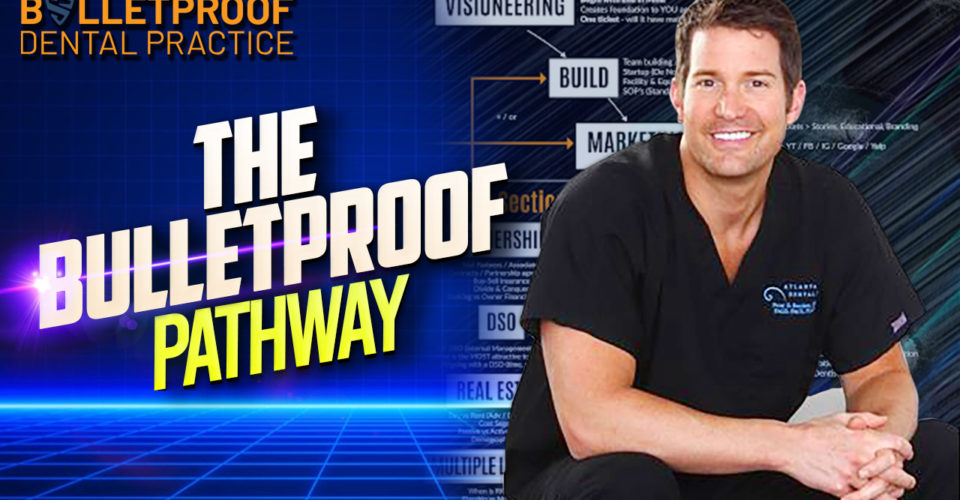







3 Biggest Bottlenecks of an Entrepreneurial Dentist: PART 2 with Perrin DesPortes of TUSK Partners