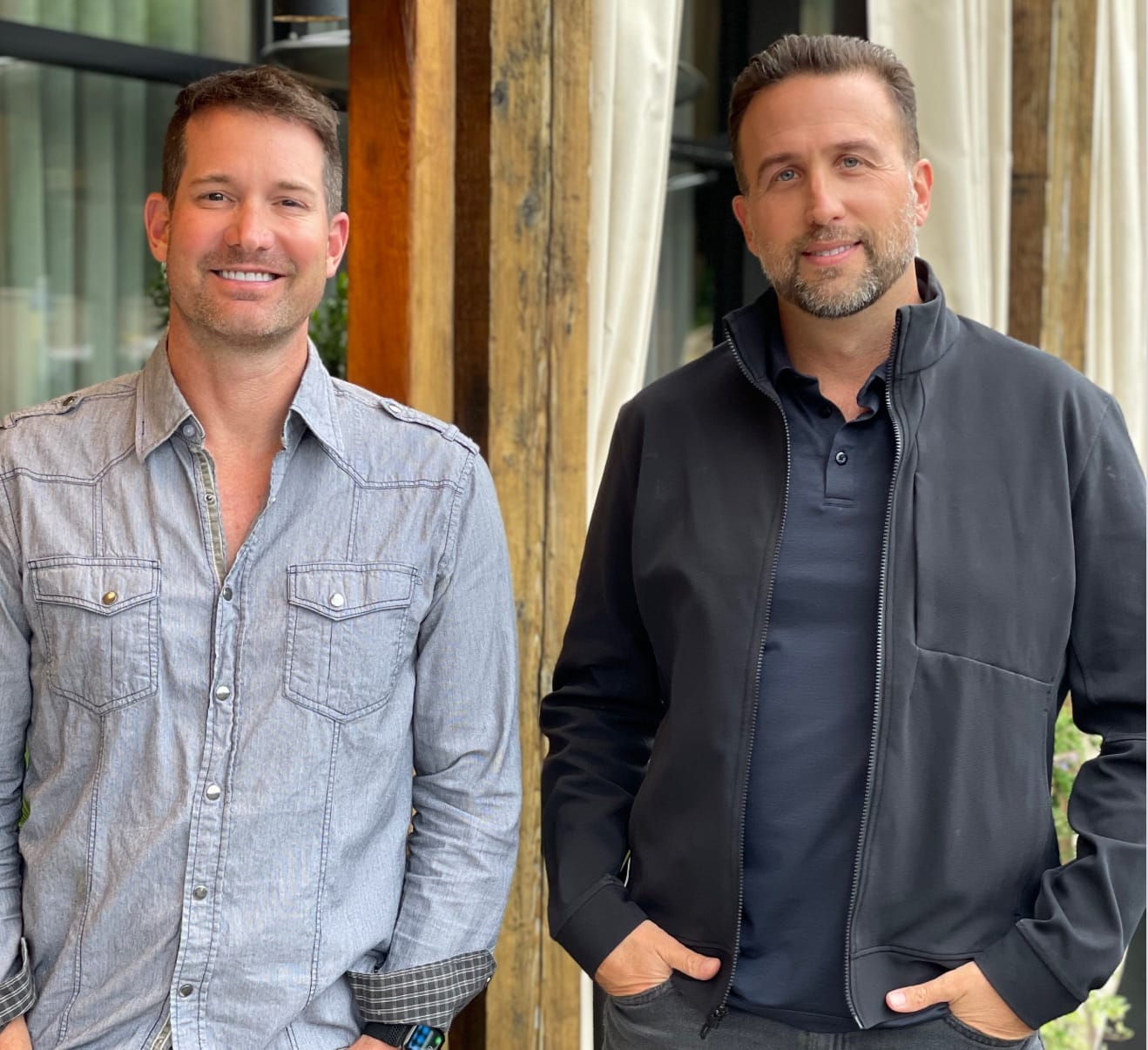
Reactivating Lost Patients: The 90-Day Campaign Most Practices Never Run
Here is the number that should keep you up at night: the most valuable new patients in your practice this quarter are people who already trust you — and you’ve quietly let them walk out the back door. They said yes once. They know your name, your parking lot, your hygienist. And somewhere in your practice management software, hundreds of them are sitting in a “lost” list nobody looks at.
Pete Boulden says it flat out: roughly 90% of practices have no protocol for reactivating an inactive patient. Not a bad protocol — none. “We’re so busy doing the present that’s in front of us — answering the phones, treating the patient in the chair — that it’s hard to step outside that lane and reactivate,” he says. That gap is not a marketing problem. It’s a leak in the floor of your business, and closing it is the cheapest growth you will ever buy.
Why is patient reactivation cheaper than any new patient you’ll ever get?
Do the honest math. You spend real money — Google Ads, a website, referral programs, a front desk that converts — to earn a brand-new stranger. A lost patient costs you a phone call and a text. There’s no acquisition cost. No trust to build from zero. No “where are you located?” conversation. They’ve already been anesthetized in your chair and paid you money.
An inactive patient is a warm asset sitting on your balance sheet at zero value. Reactivate them and you don’t just recover one cleaning — you recover a household, a recall cycle, unscheduled treatment they never finished, and the referrals that come with a happy family. This is the highest ROI hour anyone on your team will work all week, and most teams never work it.
Who actually counts as a “lost” patient?
Stop guessing and define it. In most practices, patients quietly slide into three buckets:
- Overdue recall — due for hygiene, never rescheduled. The bleeding is fresh here; this is your first and easiest catch.
- Unscheduled treatment — you diagnosed it, they said yes (or “let me think about it”), and it never got on the books. This is dollars already sitting in your software.
- Truly inactive — no appointment in 12 to 18+ months. These are the classic reactivation targets.
Craig Spodak’s practice built its entire campaign around the 12-month and 18-month marks — the moment a patient officially crosses from “late” into “gone.” Run the report. Nearly every modern system — RevenueWell, Weave, Dental Intel, and their competitors — will hand you these lists automatically. The technology already exists inside the software you’re paying for. The failure is that no human is assigned to work it.
What does the 90-day reactivation campaign actually look like?
Reactivation is not one text blast and a shrug. It’s a paced sequence with a beginning, a middle, and — critically — an end. Here is the structure, built on what actually moves the needle:
- Days 1–14 — The automated net. Fire the platform’s built-in 12- and 18-month reactivation messages. Email plus SMS. This is the “we miss you, let’s get you back on schedule” layer that costs you nothing and catches the easy yeses.
- Days 15–45 — The human layer. Automation warms them; a human closes them. A real team member calls the patients who didn’t respond, references their actual last visit and any outstanding treatment, and offers a specific open slot — not a vague “call us when you’re ready.”
- Days 46–75 — The pattern interrupt. Change the channel. A short personal video, a handwritten card, a message from the doctor. People ignore the fourth identical email; they don’t ignore something that feels personal.
- Days 76–90 — The last-ditch. Craig’s word for it exactly: a final, honest “we’d love to see you before the year closes” push. Then — and this is the discipline most practices lack — you stop.
Craig learned this over five years of running it: the data on the 12- and 18-month touches was strong enough that he committed to it permanently, but after the sequence runs its course, “we don’t call, we don’t reach out after that.” Chasing someone eleven, twelve times past the point of return isn’t persistence — it’s a waste of a team member’s hour that could reactivate three other people. Work the list hard, then let the dead ones rest.
Who on your team owns the recapture number?
This is where every reactivation effort lives or dies. Pete’s blunt diagnosis of the average practice is “everybody’s supposed to be doing it, so nobody is.” A campaign owned by “the whole team” is owned by no one.
Craig’s fix is a single, non-negotiable idea: make recapture somebody’s actual KPI. One person whose measured job — the number they’re accountable for at the huddle — is patients recaptured. When the hygiene schedule has a hole, that person isn’t sharpening instruments or scrolling a phone; they’re on the follow-up list the software already generated, dialing warm patients back into the ecosystem. Compensation drives behavior. Tie a piece of it to reactivated patients and watch how fast that “impossible” list gets worked.
What’s the mindset shift that makes this stick?
Here’s the part the spreadsheets miss. When a patient goes quiet, most teams take it personally — “they left us” — and avoid the list out of a low-grade fear of rejection. Craig’s reframe flips it: a patient going inactive isn’t a breakup. It’s life getting busy. Reactivation isn’t begging them to come back — it’s you doing your job of caring for someone who chose you once and simply lost the thread.
That’s the difference between a practice that grudgingly “does some recall calls” and one that treats every human in its database as a relationship worth keeping. One is a chore. The other is a culture — and culture is what fills a schedule that never falls apart.
This is exactly the kind of unglamorous, high-leverage system we tear apart on the Bulletproof Dental Practice podcast — the stuff that quietly prints money while everyone else chases the next shiny new-patient ad. Pete brings the tactical, the numbers, the systems; Craig brings the heart and the culture that makes them run. You need both.
You are not meant to build this alone
Reactivation is a perfect example of why dentistry doesn’t have to be a lonely, guess-and-hope profession. Somewhere in the Bulletproof community, a practice owner has already built the exact reactivation protocol you’re missing — and they’ll hand it to you, because that’s what the tribe does. That’s the whole point of the Bulletproof Mastermind: growth-minded owners who share what actually works instead of protecting their playbooks. And once a year, that entire tribe gets in one room at the Bulletproof Summit to trade the systems that changed their practices.
Go run your inactive-patient report this week. Assign one person to own the number. Build the 90-day sequence. The patients are already yours — go get them back.
The 1% of dentists, who want 100% from life.
Blog
























1+1=3 The Power Of Alignment and Delegation For You and Your OM with Erika Pusillo
, October 31, 2024



















, June 15, 2023

, June 8, 2023
, May 31, 2023








Look at These 3 Stats if You’re Thinking of Going Out of Network with Teresa Duncan
, January 11, 2023
, December 28, 2022

Knowing What You Don’t Want with Judy Kay Mausolf of Culture Camp and Erika Pusillo
, November 30, 2022


Cabo This Week, Immersion Learning, Biggest Breakthroughs, Your Personal KPI is Net Worth
, November 2, 2022
, October 19, 2022








Business is not Productivity, Productivity is not Profitability with Chris Salierno
, September 22, 2021




















3 Biggest Bottlenecks of an Entrepreneurial Dentist: PART 2 with Perrin DesPortes of TUSK Partners