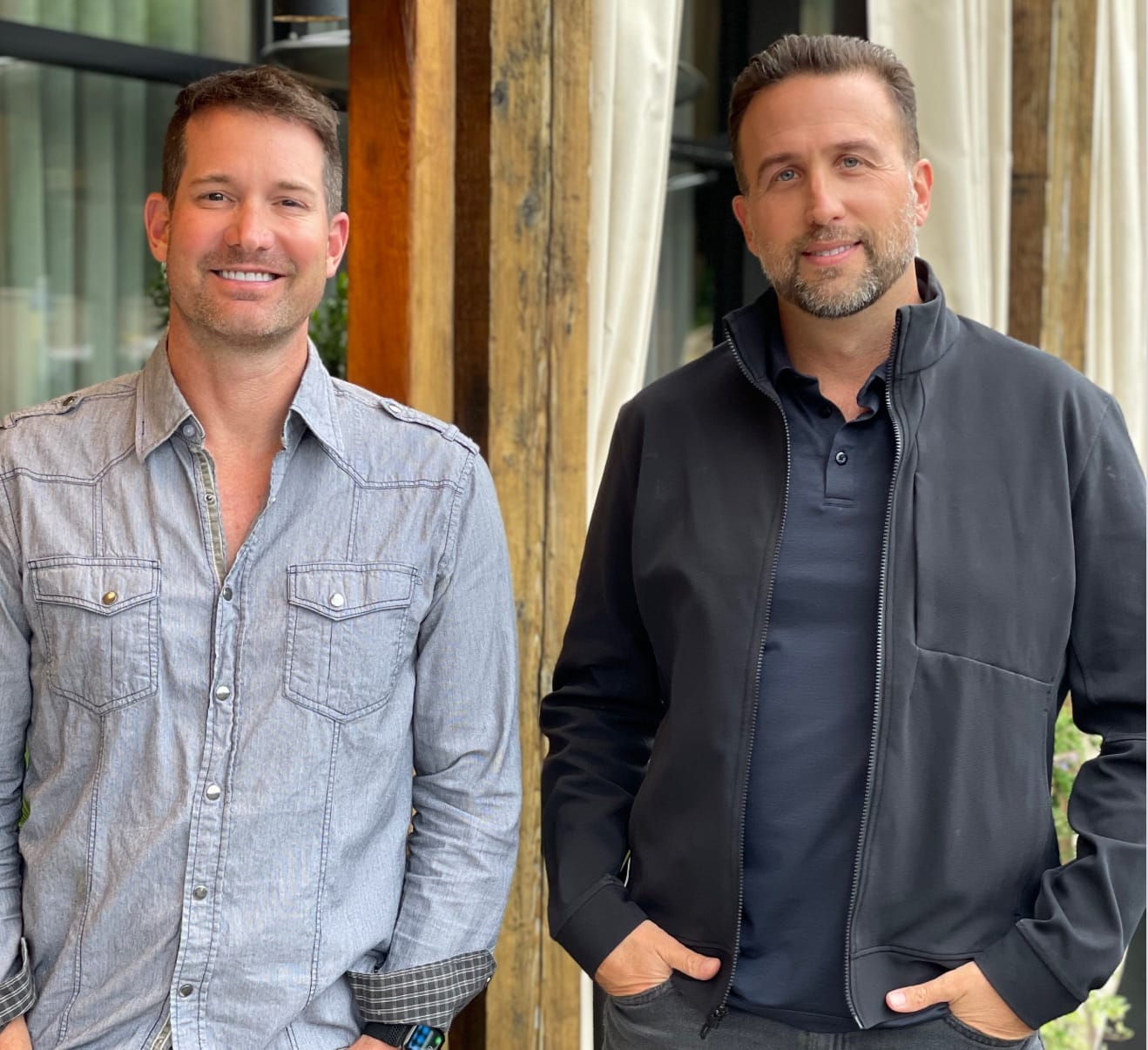
Career Defining Moments from the World’s Most Famous FBI Agent, George Piro
Bulletproof Dental Practice Podcast Episode 250
Hosts: Dr. Craig Spodak
Guest: George Piro
Key Takeaways:
Introduction
Life And Career History
FBI History
Combat Missions
Sadam Hussein Interview
Martial Arts Career
Level Of Unfulfillment
Employee Assistance
FBI Physical Tests
Cyber Threats
Invest In Protecting Your Data
References:
Mighty Networks: Bulletproof Dental Practice
Tweetables:
The perception that you are not appreciated can really destroy people’s hearts. Dr. Craig Spodak
Fitness is not only the fountain of youth but it helps deal with stress, anxiety and depression. George Piro
Assistance before anything else. George Piro
Full Episode Transcript
Below is the complete transcript of this episode of the Bulletproof Dental Practice podcast. Prefer to listen? Find us on Apple Podcasts, Spotify, and YouTube.
Read the full transcript
The following transcription was from the Bulletproof Youtube channel. Here is the https://www.youtube.com/watch?v=XBVWO-BFVIM
Craig Spodak
0:00:00
Hey everybody and welcome back to the Bulletproof Dental Practice Podcast. I'm really excited today because I got my buddy George Pirro, so it's good to have you here on the podcast
Craig Spodak
0:00:08
Thank you very much for having me on the podcast I'm extremely excited and very looking forward to Hanging out with you and having a great conversation Thank you, buddy
Craig Spodak
0:00:17
so many of you may not know who George Pirro is because you know there's not a doctor in front of that and even though you have beautiful straight teeth you're not a dentist but what I we were introduced through our mutual friend Andre Arlovsky who's a about to be what the most winning champion in UFC history is one win away
Craig Spodak
0:00:43
from that? That's correct he's currently tied for the most UFC wins in UFC
Craig Spodak
0:00:49
history. So just one more and he takes the title. Most wins in UFC history, that's awesome. But he's our mutual friend and naturally he told me some cool stuff about you. I went on the Google machine and looked you up and I'm like, damn, this is pretty neat. I watched a 60 minute clip, 60 minutes clip. You had like a good clip back from right around the mid 2000s on some of your history. But I was really excited when you said you would do this because, you know, when the line of work that you do, you know, and for those of you who don't know, George Pirro, I'm going to say it, although he doesn't like me to say this, he's what I consider to be one of the most famous FBI agents in history because he was the guy that was in charge of interrogating the former Iraqi dictator, Saddam Hussein. Some of you may remember that name. So, we'll touch on that in a minute. But when I asked you to do this, you were so gracious to say you would, but what I see is, I see a peak performer in you. Because not only do you have this amazing law enforcement career, but you have a new passion and you're rising through that in your martial arts career. So I see like an artist performer, a high performer because you're taking on these new things and going forward and becoming top in your field and the people listen to this podcast That's what I hope for them as well that they're constantly learning and taking on new skill sets So I'm really thankful that you decided to do this. So thanks for the time
Craig Spodak
0:02:14
Absolutely. I'm very excited actually, you know to have this opportunity and you know, just to be able to Be on your podcast
Craig Spodak
0:02:22
Thanks, buddy. So tell me you you I know you speak many languages, so let's just get, let me understand that. So you're Assyrian is your
Craig Spodak
0:02:33
background, correct? That's correct. So my ethnicity is Assyrian, but I was born and
Craig Spodak
0:02:39
raised in Beirut, Lebanon. Okay, you know Patrick Bet-David who's also in this podcast, I believe he's Assyrian too, correct? That's correct. Yeah, but he was born in Iran, so there's almost like a diaspora of the Assyrians, correct? They're not from one specific Arabic nation?
Craig Spodak
0:02:55
Exactly. So the Assyrian Empire used to encompass what is now today Iraq, Iran, parts of Syria, Turkey. But when the Assyrian Empire collapsed, Assyrians were forced to flee throughout the entire region. And now you'll have Assyrians from Iran, Iraq, Lebanon, Syria, Turkey, Russia, and of course a growing Assyrian community or population here in the United States. Where are they in the U.S.? Where's the biggest population centers here in the U.S.?
Craig Spodak
0:03:24
Can I guess? Is it L.A.?
Craig Spodak
0:03:26
L.A. is pretty big, but the largest Assyrian population is in Chicago, Illinois. Oh, I would have no idea.
Craig Spodak
0:03:33
Yeah, I will never leave L.A. without going for at least Persian food, for some Iranian food. But anyway, so you grew up in Lebanon. How old were you when you left?
Craig Spodak
0:03:45
So my family and I were very, very fortunate that we were able to escape the civil war that was going on at the time. It was a very, very difficult and dangerous time. So we fled when I was about 12. We actually got on a small boat, fled Beirut on a small fishing vessel, made our way to Cyprus and then made the long journey to the United States.
Craig Spodak
0:04:10
How old were you on that boat trip?
Craig Spodak
0:04:12
I was 12. Oh wow. So ironically, I was just going through some of my old stuff and I found we entered the United States 43 years tomorrow.
Craig Spodak
0:04:26
Oh, no way, that's amazing. That's amazing, so how… 43 years ago tomorrow, we…
Craig Spodak
0:04:32
That is awesome.
14
0:04:33
We have the United States and San Francisco.
Craig Spodak
0:04:34
So you're a 12 year old boy, you get to San Fran, you said? Yes. So you grew up over there in California? Yes, I grew up in Northern California. Okay, so how did the law enforcement career happen? What was in your family history to be certified a kind of bad ass this year? Or how did it all happen? Actually, not at all.
Craig Spodak
0:04:55
My dad wanted me to be a dentist. I think.
Craig Spodak
0:04:58
I thought.
Craig Spodak
0:04:59
Come to the whole circle.
George Piro
0:05:01
Yeah, my dad.
Craig Spodak
0:05:02
Sorry, dad. That was my dad's goal was to be a dentist. And my dad worked for a dental manufacturing company in Lebanon. And when we immigrated to the United States, my dad's first job was with a small dental company in Des Moines, Iowa called Dentalease. They made chairs. Yeah, we still have,
Craig Spodak
0:05:20
I don't know if they're still in business, but I had those Dentalease chairs in my last office.
Craig Spodak
0:05:24
Yes, so he wanted me to be a dentist, but I always wanted a career that was exciting, that was adventurous, a sense of belonging and purpose. So I was drawn to law enforcement. My parents initially were not very excited at the idea, but over time they became very, very supportive.
Craig Spodak
0:05:47
So George, you were local law enforcement at first, I presume, before the FBI?
Craig Spodak
0:05:51
Yes. So I became a naturalized US citizen at 17. I enlisted on my 18th birthday. Wow. And I joined the Air Force and went into the law enforcement career field in the Air Force and then also to get the GI Bill so that I could pay for college.
Craig Spodak
0:06:10
Oh, that's awesome.
Craig Spodak
0:06:12
I became a police officer at 21 in Northern California, where I grew up and was a police officer for roughly nine years and eight months before I was able to join the FBI. At the time I went back to night school using the GI Bill to pay for my college, got my college degree, which the FBI requires, and fortunately was very lucky to be accepted into the FBI.
Craig Spodak
0:06:38
Oh, that's wonderful. So both you and I are a product of government program and initiative. I didn't tell you this, George, but the big building I have here, when I set out to build it in 2010, the only loan that I could qualify for was the Small Business Association. So another tool, much like the GI Bill, kind of fueling people to create, you know, government subsidized businesses. And, you know, there was no way I could have ever put down the respective down payment that would have been required. So the Small Business Association had me, you know, qualify for this. And since it was owner occupied, I got my start with that as well. So, we both have a lot of debt to repay the country for those programs.
Craig Spodak
0:07:20
Absolutely that and for me of course for the opportunity for my family and I to come to the United States and live out what I believe is the American dream. So, my service to my country is in a way a small payment for that opportunity.
Craig Spodak
0:07:38
That's awesome. I have a quick story actually. One of my patients, Dito, I've known him my entire life. He was my barber when I was a kid. And he came here from Sicily in like 1950 something. He was 18 years old and he applied for citizenship. And actually it was in the late 60s, I'm sorry. In the late 1960s. He gets an official letter from the government. He thinks it's his residency, his green card, and it's draft paperwork for Vietnam. He doesn't speak a word of English. He's been here for like less than five months. So everybody in Italy is like, just come back to Italy. He's like, listen, you know, I'm here for in America and I want to re it's some people have to pay later. He's like, I have to pay up front. So similar to you, he went to Vietnam infantry, learned English basically in basic training and had to learn in the jungles of Vietnam. Um, and, and I've just gone through with all these photos he had, just such a love for the country that he, and the way you did it too, in service, pre-payment, not any other way.
Craig Spodak
0:08:37
Absolutely. I mean, that's what makes our country, you know, the best country in the world is when you hear stories like that and people have the opportunity to truly live out the American dream. And it's only limited by your own, whether it's efforts or ceilings that you put for yourself or things like that.
Craig Spodak
0:08:56
It's your narrative actually, too, whatever you say. If you say there's limitations, and granted, there are many people that have their own limitations, whether they're internal, external, but it's the conversations you have with yourself that kind of predicates your future. And I think just knowing you like I do, I know you believe that too.
George Piro
0:09:14
So it's crazy where funding is going, right? You know, have you seen where interest rates have gone recently?
Craig Spodak
0:09:30
Yeah, I know.
George Piro
0:09:32
Crazy, crazy. So banks are starting to kind of shrivel up and say, no, we're going to hold our money. So I know Live Oak has not been in that scenario. They've been real cool with Dentist and we've had a lot of friends that have gone to them recently for expansions or practice. Rates are the rates, right? I'm not saying that it's this magical wand from a rate perspective, but at least it's still opening up the lending capacity because business is, you know, money, capital for business is the oxygen we need to breathe. And if you take away the oxygen, all of a sudden now, entrepreneurial dentists cannot grow and expand. Unless you just, you know, you're hogging all your cash flow into that, which you probably don't want to do either. So, I know.
Craig Spodak
0:10:15
Yeah, but I've always found it's the strategic knowledge the bank has that can help you. I've gone to five banks before, four told me I was crazy, and one's like, oh my God, this is a no brainer. And what I love about what Live Oak does is that they are specific, and they have a dental specific division, they work with the SBA administration, because let me tell you something, Peter, had it not been for an SBA loan for me in 2012, there's no flipping way I would be where I am right now. I had like, you know, 95% LTV, 90%, I didn't even know what it was, but without the SBA, and the SBA programs have actually gotten more robust. So owner occupied, you know, wanting to expand, want to build your own building, all the things that Peter and I talk about. You don't want to go to just some generic bank. You want to go to a specific bank. And I'm just so impressed with Live Oak. They helped a lot of-
George Piro
0:11:01
It seems also like more of a, how do I say this? Like, for instance, if I were to just call random bank, Bank of America, let's just call it. Like I may get a different person every time I call it. It seems like a more high class boutique.
Craig Spodak
0:11:13
Well, no, you'll be told no because you won't get to the right person. So you'll speak to some residential lender, they won't know what you're trying to do, they'll fit you into the programs that they can do, and you'll get rejected.
George Piro
0:11:26
I know they also give some suite, I don't know exactly what the deal is, but they do have preferential treatment for Bulletproof listeners, so if they do mention us, I don't even know, we're pretty disorganized here, but I do know if they do mention it. There's some kind of, either it goes right to Lindsay, I know Lindsay runs the division.
Craig Spodak
0:11:49
Or I think they take off an extra percentage point off your loan.
Craig Spodak
0:11:51
I don't know about that.
Craig Spodak
0:11:52
I don't know about that. Tell them to bulletproof, guys, since you're dropping a loan a point.
George Piro
0:11:56
Oh, shit. All right.
Craig Spodak
0:11:58
I'm sure I'd love to know where you've been through your work. I know a big portion of what you did was in Iraq, but what other countries have you been to in your service? There are so many.
Craig Spodak
0:12:20
I've had an incredible career and I've been so fortunate and privileged. I would literally tell you, I've visited every continent and almost every country. Of course, my long assignments have been in the Middle East, again, because I speak Arabic. So I've served in Amman, Jordan. I've served in Abu Dhabi, United Arab Emirates. I've literally visited every country in the Middle East. I've done multiple combat tours in Iraq. I've done a combat tour in Afghanistan.
Craig Spodak
0:12:57
Why combat? I didn't know that, combat tour. So can you explain that? Was that through the FBI? Yes.
Craig Spodak
0:13:03
So most people don't realize that the FBI is truly a global organization and our mission is to protect the American people and to uphold the Constitution. After 9-11, we've recognized or realized that it's better for us to go toward the threat and try to stop it before it gets to the United States, when it becomes much more difficult for us then to try to intervene and prevent an attack. you know, FBI agents were on the ground during the initial phases of both the Iraq War, the Afghanistan War. I didn't know that. We've been in Yemen, Somalia, Libya, Syria. So the FBI is really committed to its mission of protecting the American people, not only here in the United States, but really worldwide. And we have jurisdiction to do that as well, of course, working with our foreign partners. But we have offices all around the world and very committed to not only upholding our values, but really protecting Americans all over the world.
Craig Spodak
0:14:14
Can you give me a brief history? When did the FBI start? And what was its initial, what was this branch of our government, how was it being handled prior to the FBI?
Craig Spodak
0:14:27
So the FBI's history is unique in the sense, if you look at the FBI's history and then our country's history, the one agency or the one organization that our country has historically leaned on and depended on as it evolved and faced new challenges and threats have always been the FBI. So the FBI was created in 1908 at the time as a very small agency. It was made up of two dozen special investigators that were created to address things like land fraud, land disputes, and then criminals crossing state lines to avoid prosecution and things like that, where there was no agency or mechanism to try to address those. So the attorney general at the time, Attorney General Bonaparte created the FBI to really address that. At the time it was called Bureau of Investigation. As I mentioned, as our country evolved and the challenges that it faced, not only changed, but became more complex, more violent, the FBI responsibility and authority began to grow. So for example, in the 20s and 30s, our country was facing the gangster era, as it was called, right? Babyface Nelson, Bonnie and Clyde, and Dillinger. So there was really not a law enforcement agency that could address the violence that our cities were facing or experiencing, and then criminals that were going all over the country and terrorizing communities. So the FBI was given the authority to carry weapons and then pursue those criminals, right? In the 40s, it was World War II, so the FBI's national security mission was then really cemented, which is now today's counter-terrorism, counter-intelligence. We established our first office in Latin America because the Nazis had established bases there to spy on the United States and as well as to carry out a sabotage attacks. There was a German submarine that came to shore here in South Florida with German saboteurs who were sent here to carry out attacks, but the FBI foiled that and arrested the seven saboteurs. 60s, it was civil rights. You know, that was the movement that was really affecting our country. The one agency that has the federal civil rights investigative responsibility is the FBI, still to this day, and we uphold the federal civil rights laws. 70s and 80s, it was the savings and loan and the various fraud schemes. And that's when the FBI really started to focus on that. We began to really hire accountants as a lot of people think the FBI is focused on. Of course, the 80s and 90s, it was the gang violence and the drugs. So the FBI was given concurrent authority or jurisdiction with DEA to try to address the violence as well as the war on drugs as it was referred. The 90s and 2000, terrorism was the number one threat. So the FBI is the lead investigative agency when it comes to counter-terrorism for the United States. And then now as we face foreign state powers such as China, Russia, Iran, the agency that has that responsibility of protecting our national security is the FBI. So, yeah, so as I mentioned, as our country evolved and the challenges that it faced became more complex and more significant, the one agency that our country has historically leaned on and relied on to protect it has been and will be the FBI.
Craig Spodak
0:18:19
That's wild because it's so many different iterations of FBI. The threats that you've mentioned over those decades are so different. It requires a whole different type of approach. And when you said combat missions, forgive me, but in my mind, I always think of the FBI as kind of like the men in black, you in your suits. And like, I think of it's behind, it's in offices and closed doors. Are you guys, you know, do you guys oftentimes go, and part of my ignorance, but you guys go into combat areas?
Craig Spodak
0:18:50
So in those Austrian environments, we are embedded in military units, generally special operations units to support not only their mission, but to also advance the FBI mission. So we will be embedded in a military unit. For example, when I was in Iraq, again, being an Arabic speaker, you know, allowed me to really have a different experience where I was able to utilize my language skills not only to advance FBI priorities or missions, but also assist, you know, the military in their efforts. So, I would be going out, helping the military as we were tracking some of the high-value targets as they were called, you know, from Saddam to, you know, the other key figures and try to capture them so that we could question them for intelligence and
Craig Spodak
0:19:50
things like that. Now, is it like the movies, George, where people, like, don't tell their spouses what they're doing? Like, is there, are there, do you have colleagues that have had to tell their spouses that they work in, like, some other type of governmental department and they don't really know because they're so deep in there? Or is that not really happened?
Craig Spodak
0:20:06
Because I'm thinking like…
Craig Spodak
0:20:07
Not in the FBI.
Craig Spodak
0:20:09
Okay, got it. But I mean, there's certain things you're working on that you cannot, I mean, let's talk about the interrogation of Saddam Hussein. When you actually were chosen to do that, did you realize at that moment the gravity and the responsibility that you had? Was it apparent to you at that very moment that this is holy smokes, this is like a career-defining thing, or was it just another day at the office for you?
Craig Spodak
0:20:34
I mean, it wasn't necessarily a career-defining moment for me when I realized that what was at stake, which was the Bureau's reputation and brand. For me, I recognized the responsibility that I had in preserving the FBI's legacy and in our place as the premier agency in the world. So that's a lot of pressure. That is a lot of pressure. You know, that interrogation, that was the first interrogation of a former head of state to be conducted by the FBI and is still the longest interrogation in FBI history. So how long was it, George? Nearly seven months straight.
Craig Spodak
0:21:15
And it was you and him mostly, or many others as well?
Craig Spodak
0:21:20
No, it was he and I mostly.
Craig Spodak
0:21:23
And I mean, it's interesting to say this, but a relationship is built when you meet with somebody every day for seven months, whether, I mean, obviously, whether or not the person's nefarious or good intention, you build a relationship. I mean, I'm just curious, would he shake your hand when you walked in? Was it that type of?
Craig Spodak
0:21:42
Of course, no. So you definitely have to build a relationship. And then the way the FBI conducts interrogations, we utilize a method called rapport-based. So we don't torture, we don't waterboard, we don't use any type of enhanced interrogation techniques. Everything that we do has to be admissible in court. So as a result, there is that relationship between the interrogator and the subject. And with Saddam, I was spending anywhere from five to seven hours every single day with him. So of course, you're getting to know that person and that person is getting to know you. And for it to be really effective, you have to find that common ground, things that you have in common, things that you can connect. So there is absolutely a relationship that is being developed. For the interrogator, though, it's imperative that you keep it all in perspective. And I knew why I was there and the purpose of why I was there and what I was doing. So I never lost sight of that. Over time, we became very, very close in a sense. He became emotionally and psychologically attached to me. So absolutely, you know, not only would he shake my hand, but we had a routine where we would drink coffee together every morning. We talked about literally everything that you can imagine that. So it was a very direct relationship and engagement. And he was the way you could ascertain, I'm actually just, let me ask the question rather
Craig Spodak
0:23:20
than declare it. Could you ascertain that he knew he was doomed? I mean, that he was, the result of this process was going to be that he ultimately faced a death sentence by the Iraqi people?
Craig Spodak
0:23:40
Or did you, was he not sure of that? You know, at first, I think he still held on to some hope that he would return to power. But over that, over that seven months, part of that process of our interrogation was to instill the truth or reality of a situation. So over time, it became very, very clear or evident to him that he was going to be prosecuted and most likely be executed for the atrocities that, which he never saw as atrocities, but the atrocities that he was ultimately responsible for.
Craig Spodak
0:24:19
Yeah, I'm sure. I mean, what do they say? Like prison is filled with innocent people. I mean, it's hard to think you're a bad person, so he has to do whatever he can. But that's incredible. I can't wait for your book to come out. I'm hoping, I'm really hoping, as I told you, that one day you do write that book or maybe star in your own movie for that.
Craig Spodak
0:24:39
That I can guarantee isn't going to happen where I'm going to star in my own movie. If there is a movie, I want it to be successful, so it's not going to be with me in it.
Craig Spodak
0:24:49
I gotta be where I would be at. Well, one thing I can, what I believe is true, just based on the things I see on Instagram and your martial arts career, if there is a movie, you could do your own stunts. That's for sure. So tell me about the martial arts career. Like, was that training part of the FBI that planted the seed?
Craig Spodak
0:25:11
Or where'd you get that martial arts bug? No, I've actually been doing martial arts on and off my entire life. So when we first immigrated to the United States, you know, of course, my parents were looking to help my brother and I, who, my brother, who's only a year younger than me, to assimilate into our new home and community. We didn't know English, so they were trying to look for ways to help us learn English, make friends, assimilate. So and the one thing that they knew we liked was martial arts. So they signed us up when I was about 13 and to our first karate dojo and and I began to study martial arts and have stayed with martial arts on and on throughout my really serious when I moved here to South Florida in 2014 and met my coach, Wilson Gobeya from American Top Team. And I joined American Top Team. And shortly after, of course, I got addicted to it and took it to another level where now I see it as a second career or profession and train in a manner that fits of a full-time career and compete hopefully all over the world and things like that.
Craig Spodak
0:26:37
Yeah, we get a lot of big talent at American Top Team. Mazvidal, correct, he's still there.
George Piro
0:26:43
Of course, Andre.
Craig Spodak
0:26:44
Who else is over at American Top Team that everybody would know.
Craig Spodak
0:26:50
Oh, so of course, Jorge's there, Jorge Mraz-Gadal, Andrej Arulovski, Adriano Morano, the eight-time World Featherweight One Champion. You have Tiago Santos, Pedro Moises.
Craig Spodak
0:27:03
Of course, yeah.
Craig Spodak
0:27:04
Tiago Moises. I mean, it's just stacked with some incredible talent. Yeah, what a good move,
Craig Spodak
0:27:11
because I knew it, Andre, when, you know, from before, and what a difference, you know, just having the right team that fits your dynamic. I mean, it's so, I suppose so much of it is the chemistry with your team, but it's cool to see that. One thing I want to talk about, and unfortunately, this is, as I was saying before we hit record, you know, dentistry is leading, is a leader, unfortunately, a dubious honor in many areas of unfulfillment, depression, drug abuse, divorce, you know, we're not doing well. I'm sure you've heard the adage that, you know, the dentists have one of the highest suicide rates. It's better than it used to be. But I would imagine that the agency and people that have been in situations like you have, whether in combat or high level military operations, it's somewhat challenging for you guys to be in one domain and the stress, maybe the existential stress that you endure, and then coming back on a flight and being with your family or being matriculated back into life. Is there such a thing in the FBI amongst your colleagues that you see or hear about that level of unfulfillment, either whether it's, you know, that stress, depression, anxiety, drug abuse, things like that. Is there any data that you know for your specific area of the FBI?
Craig Spodak
0:28:41
So that is an area of concern for the FBI, but more so for law enforcement in general. That's an area that is a, there's a growing trend that is really alarming and concerning. And there's been a lot of focus on overall health and wellness of our employees or law enforcement officers in general. Part of that is of course, the stress that law enforcement officers, including FBI special agents face on a daily basis, the pressures that the job comes with, of course, the scrutiny. And lately, law enforcement has been under a microscope, and there's been a lot of hatred or resentment toward law enforcement. Again, and not to compare dentistry to law enforcement, but usually when people are calling police, it's not because things are going well. And as a result, you're seeing the worst of situations, and in some cases, the worst of humanity. And that does take a toll on the officer, similar to Dennis.
Craig Spodak
0:29:59
Yeah, as you're speaking, George, sorry to cut you, there's a commonality as you're speaking. It's like right now, there used to be a lot of gratitude or a lot more gratitude for the people that were in law enforcement. And there is a rising tide of resentment, whether it's narratives from a political standpoint of defunding the police and things like that, and a higher level of scrutiny. It's translating down into what could appear to the average law enforcement officer as a lack of gratitude for the services you're providing much like in dentistry we oftentimes meet patients for the very first time and the first words out of their mouth are hi doc no offense but I hate dentists click okay you have a toothache you're here I'm trying to help and that kind of that sub but that consistent droning of that message can wear you out. It's not just what the pressures you face, but the perception that you're not appreciated that can really destroy people's heart.
Craig Spodak
0:30:57
Absolutely, and in both fields, again, you're not meeting people when they're at their happiest moment or period of their life. So for us, it is a major concern. So we put a lot of focus on what we call employee assistance. So really focused on overall health and wellness. And it's a combined effort. So, from our perspective, if our employees are healthy, focused, finding that good work-life balance, we allow employees to exercise because nothing helps, you know, those indicators that you talked about, like fitness. You know, it's not only the fountain of youth, but it also is a really helps to deal with stress, anxiety, depression, those kinds of things. So we provide training facilities for our employees. We provide them the opportunity to work out. We have folks-
Craig Spodak
0:32:02
Like during the day, George or Leith?
Craig Spodak
0:32:03
Yes.
Craig Spodak
0:32:04
You can go right now, if you had an hour lunch break, you can just go work out in your building where you are?
Craig Spodak
0:32:09
Yes, we have actually, we're very fortunate in our building, we have two great facilities. We have an indoor gym and we have an outdoor gym. So for those that like to work indoors and traditional type of cardio and weight training, we have a great facility. Those that like the CrossFit outdoor type working out, we have a facility for them. Folks can go work out anytime during the day. Again, so we want to create an environment where employees are really recognizing the importance of fitness and then also the value that they have as an employee. We bring nutritionists, we do screening, we do coaching, all of those things that, again, if we take care of the body, we're hoping that also translates that it's taking care of the mind and the two work together. We look for signs of depression, anxiety, of course, any abuse. And our first response is assistance before anything else.
Craig Spodak
0:33:15
That's awesome. And it's also just like the order, I think one of the things that dentists have that, unfortunately, that doesn't sound like you guys have, is we don't have a community per se. The average dentist practices alone, 60, 70% are alone, and they lead a team. We have no training in the team, like how to lead and business training. So we're kind of cast out with an understanding of how to fix teeth, but not how to fix all the other things that we're faced to deal with. I mean, I look around, we had a summit last week in Nashville, there's 300 people, 300 dentists in the room. I said, did anybody here receive more than an hour of business training of the entire crowd, only one person raised their hand. So, I mean, it's like, it's kind of like, you know, never having a tennis lesson and going out and playing tennis, you're in self-defense mode. But I love what you said about the physical aspects. For me, you know, my physical condition depends on the season, but it goes from decent to good. But invariably, I never put it together whenever I start feeling bad emotionally or I start getting, you know, having like anxiety, depression. It's invariably because I stopped my workout. And it's funny that that happens. Like if you, if I stop the working out, it all, everything unravels for me. And I can't be alone in that.
Craig Spodak
0:34:32
No, it is absolutely, you're not alone in that. And there's a, there's a lot of studies that, you know, that shows the connection between exercising and overall health and wellness, not only mental, I mean, physical, but also, you know, mentally. The two go together and then you're more likely to get to be on a healthy diet or eating plan, which, you know, adds to, you know, to improvement. So, for us, we look at it as a holistic approach because one of my concerns, you know, for my employees is that, you know, our profession, there's a lot of focus on toughness. And we're expected to be very tough, a lot of focus on being physically and mentally strong and no one wants to admit weakness in any of those things. So tend to deal with problems internally or compartmentalize them. So we're trying to create an environment where we have that buddy system or that support network, which I think is one of the challenges that dentistry lacks, is you don't have that support network where somebody can see an issue, intervene, and really try to bring some, shed some light to it and help in the process. So that might be something that a network could really provide within dentistry.
Craig Spodak
0:36:10
And is there a physical entrance exam that you have to pass in order to maintain your active status? Or I'm sorry, is there a physical exam either A, to enter the FBI, and then B, to stay in the FBI? Can you get kicked out because you're not in the proper shape?
Craig Spodak
0:36:29
Yes. So of course, physical fitness is mandatory to join the FBI. So during the hiring process, you have to pass physical standards that are established for the position. When you go off to Quantico, which where all FBI agents go to new agents training, physical fitness is an integral part of that training and you have to pass the physical fitness standards. Once you're assigned to a field office, we have a mandatory yearly physical fitness test that you have to pass to maintain your good standing as an FBI agent.
Craig Spodak
0:37:11
What do you have, do you have to run and how fast or how far just that yeah, so the test involves
Craig Spodak
0:37:17
push-ups sit-ups sprint and a mile and a half run and That's just for the for the standard agent At Quantico. We also have pull-ups and then if you decide that you want to get on for example our elite tactical team here the physical fitness standards are even Much higher much much tougher towards me you pass those standards just between you and me and the listeners Of course, okay. Well. I don't know I mean
Craig Spodak
0:37:51
No
Craig Spodak
0:37:53
Good portion of my FBI career on you know on SWAT and things like that so I could still easily have the have the tests gotten easier or
Craig Spodak
0:38:05
maintain their level of standards throughout like the last ten years no
Craig Spodak
0:38:11
the standards have not really changed so they're the same standards when I joined the FBI got every 24 years ago now you use those elastic things when you do the
Craig Spodak
0:38:23
pull-ups though like where you step on them? No. No, okay, just curious. Hey, as a 50 year old dentist, I think I'm pretty much parked in my career, but you never know. It's pretty cool stuff.
Craig Spodak
0:38:34
Well, unfortunately, 37 is the maximum age for new agents. Got it. So, not that I was gonna think of that anyway.
Craig Spodak
0:38:43
That's awesome. So, you know, a big thing that comes up in our profession, and I want to talk about this, is ransomware, cybercrime. And for those listening to the podcast, you know, there's a couple of insurances that are not very difficult to add on for business protection. And it's always amazing to me how many of the listeners don't have either EPLI, which employment liability insurance, you know, for employment claims and cyber insurance. And now, can you, because I'm sure you said, you know, you mentioned in the decades of history of the FBI, there's some, are you guys the ones, the tip of the spear when it comes to foreign cyber attacks and stuff like that, or does that fall on a different branch?
Craig Spodak
0:39:32
No, it is us. So we look at the cyber threat from two different perspectives. So we define it into two categories and we attack the problem from two different kind of perspectives. We look at the cyber threat as either criminally motivated or a national security threat. And what differentiates the two is the purpose. So a criminal hacker or a criminal cyber actor, I mean, their intent is to profit from their illegal or criminal activity. Where a national security cyber actor or hacker is intending to degrade our national security, steal our secrets, economic espionage, you know, those types of things. But we address both. Ransomware is a major threat that we're facing in the United States. Any business entity is vulnerable to that. And that's where someone installs either a malware or a software which then takes control over your system and then holds it ransom until you pay to and to get all of your data or access back. So from our perspective is when that occurs, and we ask the public and business entities to immediately reach out to us so that we can help and investigate and identify who the perpetrators are and bring them to justice while helping the entity regain control over their data or their systems and things like that. It has become an extremely profitable criminal.
Craig Spodak
0:41:22
Yeah, I'm always amazed at how municipalities are getting ransomware attacks and how quickly the payment happens. I mean, it's incredible. So what percentage of these ransomware attacks are being conducted domestically versus internationally?
Craig Spodak
0:41:46
The ones that we work,
Craig Spodak
0:41:47
and those are the very sophisticated, very difficult type ransomware, they tend to be foreign hackers or foreign cyber actors, but we're still able to identify them, pursue them, charge them, and in some cases, even extradite them back to the United States to prosecute them. Again, for the criminal ones, the national security ones, we do a variety of different things to protect our information and then make it more and more difficult for the foreign state actors. But one of the things that I would encourage folks is they realize they have a problem after the problem. So making sure that you do have good security system in place, your backup shouldn't be on the same system as your network, it should be on a completely a standalone independent. So if your network is attacked, that you can get your data. When you see those quick payments is because folks have lost all access, all of their data. They're vulnerable to that data being sold or erased and things like that. And in that case, they have no choice but to make the payment. So, there are things that businesses can do. And again, reaching out to the FBI is definitely one of those things that can really help protect as well as address the threat that we're facing.
Craig Spodak
0:43:26
Yeah, that's wild. So when you say, like, would that be like an offsite backup? Is that what you're talking about? Or just maybe onsite, but a physical different server?
Craig Spodak
0:43:35
Exactly. You're, of course, you should have a backup for all of your you know your data is your data and your services But a lot of times the that is on the same network as your your main system. It's both are hacked Yeah, once one is hacked the other one is you know it becomes compromised You know having good firewall of course you know training your folks in no matter. How good your cybersecurity is, but if an employee accidentally or mistakenly clicks on a link on an attachment or something like that, you could have the best system and you're still gonna be compromised. Remote access without a two-way authentication or factor. You know, those are the things that you, that, you know, you really should be investing in protecting your data. Your patients deserve that, as well as, you know, your company or business. So, you know, folks aren't thinking about it until it's a little too late.
Craig Spodak
0:44:46
George, are we seeing a plateauing of ransomware or is it uptick? Where are we at? Is it?
Craig Spodak
0:44:54
Oh, it's a serious uptick.
Craig Spodak
0:44:56
Serious uptick.
Craig Spodak
0:44:57
Yes.
Craig Spodak
0:44:58
So can you give me statistics over like the last five years? Is it doubled? Is it tripled?
George Piro
0:45:04
I mean, I couldn't give you specifics,
Craig Spodak
0:45:05
but I would definitely tell you it's more than tripled. You know, the number of cases that we're seeing now, it has definitely increased and criminals are leaning toward it because it's, you know, you can do it remotely. You're not, it's not viewed the same as a violent crime, you know, things like that. So- Well, there's a benefit you get to work from home too, which is good for them. You know, there's a lot of talk about- And the payment is much higher than if you were to-
Craig Spodak
0:45:38
So is our cryptocurrencies being utilized a lot for this or is crypto too trackable? I mean, cause I know that there was a lot of, you know my partner, Peter, who's not on the call today is a huge crypto advocate. I think today as we record this Bitcoin is getting its butt kicked. So I'm glad he's not on the call cause I'd be teasing him about this. But is the ransom usually paid in those cyber and cyber funds?
Craig Spodak
0:46:00
Majority of the ransomware is paid or the ransom on a ransomware case is paid through cryptocurrency.
Craig Spodak
0:46:08
Interesting, interesting.
Craig Spodak
0:46:10
A lot of both legitimate, of course there's a significant legitimate value and use for cryptocurrency, but a lot of criminals are also using cryptocurrency.
Craig Spodak
0:46:22
What's the, what is the FBI doing as a position? It's just, because it feels like the federal government's just in a limbo on crypto. There's not really much legislation regarding it, regulations, stuff like that. I know, I'm sure if things are coming, but, you know, it's kind of, I wonder what the inner dialogues are around the FBI and if it's a good thing or a bad thing for the FBI to have to consider this other alternate form of money transfer.
Craig Spodak
0:46:50
I think it's beyond whether it's good or not or beneficial. I think, you know, our society and just the growth of cryptocurrency, that conversation is long gone now. Right, right. Crypto is here and it's going to be here. Financial institutions have now are adopting it. You know, the city of Miami is the first virtual city. So for us, we recognize that whether we like it or not, or agree or disagree, it's irrelevant. So what we're doing is becoming as proficient as we possibly can so that we can investigate crimes that either utilize cryptocurrency or cryptocurrency is being, you know, things like that. So all we can do is become as proficient and as experienced as we can, so that we can remain a force in upholding the laws. Yeah, it's incredible the business email compromise
Craig Spodak
0:47:56
that you're talking about. I have a buddy of mine who I guess, I mean, these people are very smart. It's not just like, hey, open this link. They'll hack your email, they'll create a long dialogue with internal, like, you know, hey, James, I hope everything's going well. You know, there's a new company in China that we will be buying our steel from. Oh, interesting. Two weeks later, hey, let's wire this money to Shanghai. I mean, I have a friend of mine who's a home builder that that actually happened. So it wasn't some random email, they built rapport. They were watching the emails going back and forth and then finally started a dialogue. And the dialogue, and unfortunately they wired out a lot of money, it's happening. I mean, just in my small circle, it's incredible the amount of wire fraud, incredible.
Craig Spodak
0:48:41
Absolutely, and all they gotta do is, once they have access, they've gotta just alter the account or the wiring information. And before you know it, a business is wiring, whether it's a legitimate payment or not into a different account. So for those, you know, if folks report it to the FBI, if we get that information within 48 hours, we have a much better chance of freezing that money.
Craig Spodak
0:49:08
Interesting, even international?
Craig Spodak
0:49:10
Oh, absolutely, especially international.
Craig Spodak
0:49:12
No way.
Craig Spodak
0:49:14
Yeah, because the majority of that money goes to either Singapore or Hong Kong. We have great partnerships and relationships with our foreign counterparts there. We can freeze that money. But once it leaves, you know, when you're at the 72 hour mark, that money has already now dispersed into a number of different accounts across the world. to freeze or recover that money becomes impossible. So when that happens, that needs to be quickly referred and it goes to the Internet Complaint Center or IC3 and you can quickly report that. And as I mentioned, we have offices all over the world to start that process to try to freeze it and then start to recover it.
Craig Spodak
0:49:59
Interesting, and that's also in the domain of the FBI?
Craig Spodak
0:50:05
Yes.
Craig Spodak
0:50:06
Interesting. Wow. Yeah, that's wild.
Craig Spodak
0:50:09
Truly, we are a global organization.
Craig Spodak
0:50:12
Yeah, I see the future being super digital for the FBI. I mean, it's incredible. Like, if you guys are at the tip of the spear with that stuff. So, what is then, where does the, what is the short answer for what the CIA does then. What is this, how does the CIA differ from the FBI?
Craig Spodak
0:50:30
So the CIA is an intelligence agency, not a law enforcement agency, where the FBI were both an intelligence and a law enforcement agency. So, you know, the CIA is an external agency. So, you know, so the CIA does not operate in the United States. They're not allowed to collect intelligence or target US citizens in the United States. So their focus is external and it's against or those countries and individuals or I should say organizations that represent a threat to the United States. So overseas, we work very closely and collaboratively, but in one aspect, their goal is to get others to commit espionage against their country. And our job is to prevent Americans from becoming spies. So you can see how it's different, but it supports, one supports the other.
Craig Spodak
0:51:29
That's awesome.
Craig Spodak
0:51:30
So in my mind, like what you do and what you really do, it's like, in my mind, it's like a combination of like men in black plus James Bond. You know, I really do feel that way. When you first came into the practice, I was like, I was flattered because I'm like, this guy probably has like a computer program we can pull up every little thing I've ever done. Like if I sneezed the wrong way, you'd know about it.
George Piro
0:51:54
So I was like, I must be pretty clean.
Craig Spodak
0:51:57
Yeah, I probably shouldn't say this. I wish we did, but you know, we don't.
Craig Spodak
0:52:03
Well, you got Google, George.
George Piro
0:52:04
You can just go on Google and read all my reviews.
Craig Spodak
0:52:06
Google's got three hours and read all 700 reviews.
Craig Spodak
0:52:10
Exactly. Google can get you anything that you want. Now, as large as the FBI is, there's not enough folks for us to do any of that. We're really focused on truly protecting the American public and upholding the Constitution. But I will tell you, Greg, there's nowhere you can go in this world and say those three letters without people immediately recognizing what they represent and what they stand for.
Craig Spodak
0:52:39
Oh yeah. Oh yeah. I mean, listen, it's partly, well, it's mostly due to the idea of the accomplishments the FBI has had, but also Hollywood has helped that a lot too. It's definitely, you know, when you said you were going to become a dentist and you wanted to, you craved adventure, I think you picked the right field, buddy. I did. I love dentistry, and what I love most about it is the fact that it brings people like you into my life, and I get to serve them and do that. But the career you've had and the career you're going to have, they're just pretty damn exciting if you ask me. I'm excited. I'm thankful that the agency has people like you and our country has people like you because that's what helps us sleep well at night.
Craig Spodak
0:53:23
I appreciate it. I'm very fortunate. I have had an incredible career and I've been very, very lucky in that regard. I've gotten to do and work on cases that people read in books and see in movies and things like that. So you're right, I've been very, very fortunate in that regard.
Craig Spodak
0:53:44
So what's next? What you said, this is the second wave of your career, the MMA thing. So do you really, do you see yourself, do you have to get, are you gonna be time limited out of the FBI? Is there a forced retirement that comes for you, like other law enforcement agencies?
Craig Spodak
0:53:59
Yeah, so we're a mandatory retirement at 57. But for me, I anticipate retiring in the near future and then really focusing on my professional fighting career. I'm training for the world masters in Brazilian Jiu-Jitsu in Vegas in September. You know, and next year I'm hoping to focus all of my effort and time into that. I'm currently ranked and my goal is to, of course, win the world championship and under the banner of American top team. So I have a few sponsors and hope to secure a few more. And then, you know- Hey, count me in, buddy.
Craig Spodak
0:54:41
I wanna, I'm saying it on recorded podcast. I am sponsoring you. I had my logo on Andre's shorts for the Travis Brown fight literally lost my voice in the front row.
Craig Spodak
0:54:54
I remember that fight. That was an incredible performance by Andre. Yeah, so that for me, I hope to turn that phase of my professional career and represent an American top team and see how far I can take that.
Craig Spodak
0:55:11
And is the book coming though, George, all kidding aside?
Craig Spodak
0:55:14
Yes, the book, you know, once I retire, I will focus on writing a book about my experience of spending seven months with one of the most brutal dictators of our modern time and try to capture that experience as well as the Bureau of Success. But right now my job, between my two jobs, because I do consider them both full-time jobs, the opportunity to write a book would be impossible. So that's something I'll focus on when I retire. That's awesome.
Craig Spodak
0:55:50
Yeah, I'd love to link you and Patrick Bette David together with your Syrian background, both of your love for the country, first generation Americans, and literally, literally made it the American dream. Both of you guys, I see a lot of commonalities. That would be very cool. I really love you.
Craig Spodak
0:56:09
Yeah, I'd love to meet him.
Craig Spodak
0:56:12
Yeah, for sure. I'm going to mention it next time I see him. Well, listen, George, I really appreciate it. If there's anything else, how does the audience stay in touch with you? How can we follow you? Is it an Instagram thing, or do people want to just stay connected to what you're doing? Absolutely.
Craig Spodak
0:56:24
So thanks for remembering that. You know, again, as an athlete with sponsors, one of my responsibilities is to promote and thank my sponsors. So folks can follow me on Instagram. It's GeorgePero underscore ATT for American Top Team. And the more sponsors or the more followers I get, the happier the sponsors are and the more sponsors I can get. So if any of your followers could like the podcast, please follow.
Craig Spodak
0:56:56
Yeah, for sure. I'll put that in the show notes as well. It's GeorgePero, underscore, ATT, but we'll put it in the show notes as well. Well, listen, buddy, I really appreciate this. This is, I was so thankful. I was kind of nervous when you were at my office. I was like, is there any way you would do this? I was really like, hey, I thought you were gonna say like, listen, love you, buddy, but demo podcast, come on, man.
Craig Spodak
0:57:16
This is a privilege, so thank you for allowing me to be on your show. Yeah, that's awesome, buddy.
Craig Spodak
0:57:21
Thanks again for your time. All right, I'll see you soon. Yeah, man, make sure you're, yeah, I'll see you soon here at the office. Okay, we'll see you.
George Piro
0:57:28
Take care, buddy, all the best, thank you. Take care, buddy, all the best, thank you.
Craig Spodak
0:57:29
Bye.
Transcribed with Cockatoo
Blog



















1+1=3 The Power Of Alignment and Delegation For You and Your OM with Erika Pusillo
, October 31, 2024










, June 15, 2023
, June 8, 2023
, May 31, 2023









Look at These 3 Stats if You’re Thinking of Going Out of Network with Teresa Duncan
, January 11, 2023
, December 28, 2022


Knowing What You Don’t Want with Judy Kay Mausolf of Culture Camp and Erika Pusillo
, November 30, 2022

Cabo This Week, Immersion Learning, Biggest Breakthroughs, Your Personal KPI is Net Worth
, November 2, 2022
, October 19, 2022










Business is not Productivity, Productivity is not Profitability with Chris Salierno
, September 22, 2021


















3 Biggest Bottlenecks of an Entrepreneurial Dentist: PART 2 with Perrin DesPortes of TUSK Partners