Ai: Dall-E, ChatGPT – This changes EVERYTHING!
Bulletproof Dental Practice Podcast Episode 276
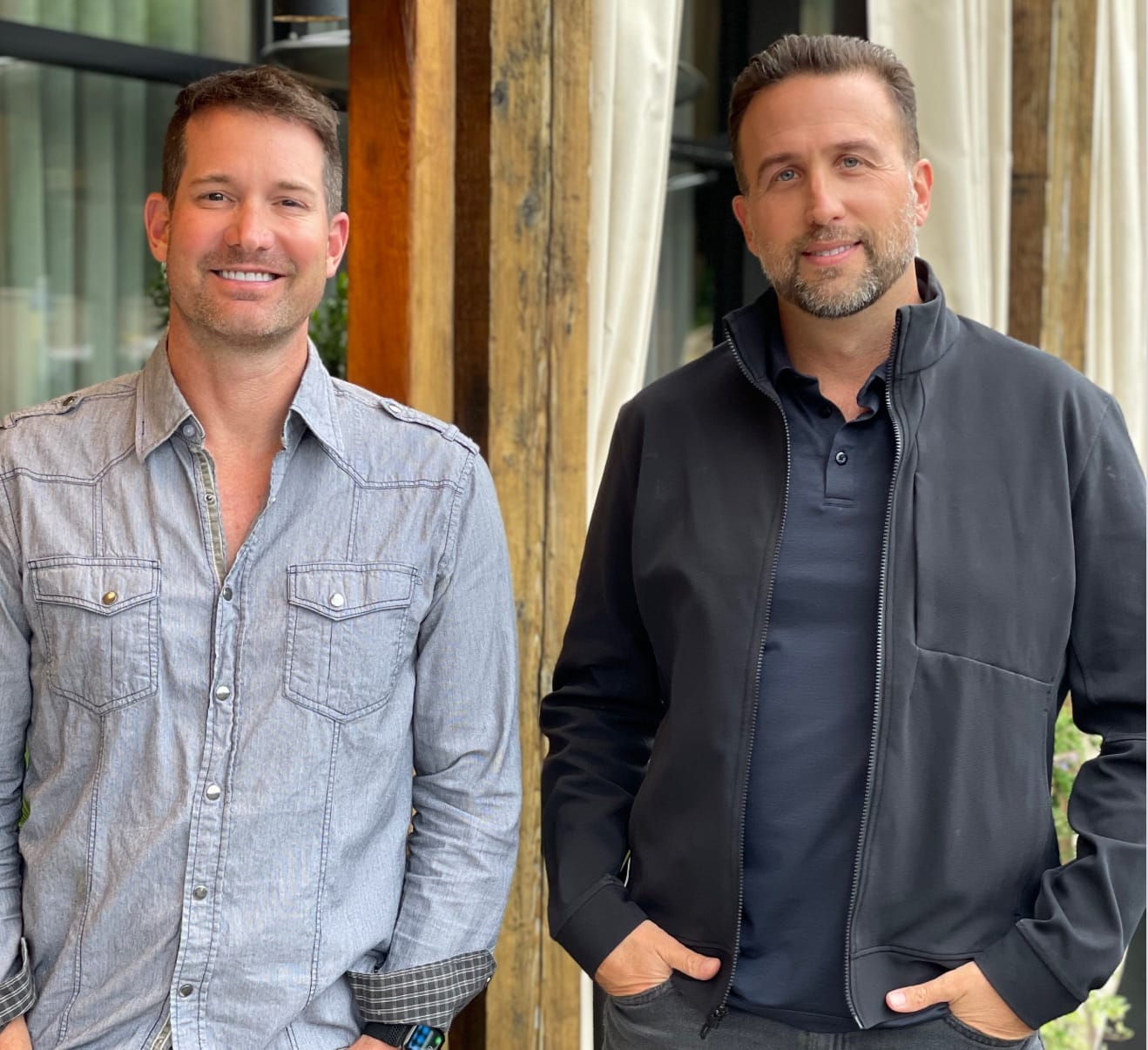
Hosts: Dr. Peter Boulden & Dr. Craig Spodak
Key Takeaways:
Introduction
Value Proposition
AI Will Disrupt Dentistry
References:
Bulletproof Mastermind
Bulletproof Summit
Mighty Networks: Bulletproof Dental Practice
Character.AI https://beta.character.ai/
DALL-E 2 https://openai.com/dall-e-2/
Tweetables:
We’re at a point now where technology is so much faster. -Dr. Craig Spodak
Full Episode Transcript
Below is the complete transcript of this episode of the Bulletproof Dental Practice podcast. Prefer to listen? Find us on Apple Podcasts, Spotify, and YouTube.
Read the full transcript
The following transcription was from the Bulletproof Youtube channel. Here is the https://www.youtube.com/watch?v=eTU77yPnans
Peter Boulden
0:00:00
This time baby I'll be playing throug
This time baby
Peter Boulden
0:00:10
This is going to be a pod you don't know much about. I'm not saying I know a lot about it. Well, you know more than I do. I don't even know what the hell we're doing. I kept trying to push this topic because I just think it's fascinating. You've talked about this for a long time by the way. A long time. Yeah, with the chat and all this stuff. You've been, you're always just a little further ahead
Craig Spodak
0:00:28
than you should be. I'm too far ahead.
Peter Boulden
0:00:30
Yeah, because what happens is, yeah, you get so burnt out that when it becomes like really good and mainstream, you're like, oh, I'm exhausted with this already. I don't wanna hear about this stuff anymore.
Craig Spodak
0:00:38
Yeah, I've been dealing with this since the 90s.
Peter Boulden
0:00:40
This internet thing is gonna be a fad.
Craig Spodak
0:00:42
Exactly.
Peter Boulden
0:00:43
So what's the newest thing? All right, so it's just AI in general, AI, right? Artificial intelligence, just the emergence of a couple key things. And so we had in Cabo, you, me, Dwight and Trey, when I fell asleep. Yeah, when you fell asleep, we tried to record. Actually we didn't try to record. We did record a podcast where it was mainly me and Dwight just talking about this and you kind of fell asleep and I think Trey was not interested in this. So maybe he was, I can't remember. He was, he was just quiet like normal. We didn't get, we decided because there was probably three or four, too many tequilas involved in that, we decided to not air that episode. I don't know if I told you that. But some of it was talking about AI, and Dwight was talking about it in the context of more diagnosis in Rainy Grass. And so one of my big takeaways from that conversation, Craig, it was, I said, look, as a compensated dentist, if you had to break down how you are compensated, what portion would you give to being a diagnostician, being a clinician, or I'm sorry, being a diagnostician, being a, an actual doer, right? Like a mechanic, like doing the work of removing an amalgam, so to speak, like that would be a mechanical removal, or being an art and being an artist. Okay, so there's three categories? Three categories. A diagnostician, the actual work of repairing, and then the art. The art, right. But not the art of diagnosis. Not the art of diagnosis. Because I always think of the art of diagnosis. Artistry of being like a dental artist, right? Okay, so the diagnostic is the treatment planning as well, diagnosis slash treatment planning slash mechanics and then slash artistic. Correct. And that's all I can really, that's all you know, that was just the quiz when I was doing it that night. Okay let me hear your answers. I have, yeah, well I have answers for that as well. Yeah and so I would say like I think that dentists are highly compensated and highly revered for their diagnostic And so yeah, the know-how to do something and then being able to actually do it so I would give that breakdown of being 50% diagnostician 25% Actually 35% maybe maybe the mechanic and then 15% as the artistry yes Yes, I think I was yeah at large. Yeah, so you mean dollars going out to dentists? That's how the dollars should be broken down Yeah, I fully agree Fortunately everyone in our industry knows that you put ten dentists in a room in an isolated room with a set of radiographs And some pictures and you might get and more than likely you're going to get ten different treatment plans Do you agree with that? Yeah, 100%. It depends on the complexity of the case, of course. But more than likely, some are going to be able to diagnose and see things that others have. Some are going to diagnose wrong, and some are going to diagnose way too simply. So here's where I'm going with this. And this is not my whole fascination with AI. It's not in this realm of dentistry, but I feel like it's going to disrupt dentistry.
Peter Boulden
0:04:02
And let me give you an example.
Craig Spodak
0:04:03
Well, don't you?
Craig Spodak
0:04:04
I mean, wouldn't you go so far to say is going to disrupt like everything? And it just happens to be that it's going to be in the back.
Craig Spodak
0:04:10
I'm going to blow your mind this part.
Peter Boulden
0:04:11
And we're going to have to you're going to it. I'm excited. OK, I'm ready to have my mind blown. Yeah. Easy, Tiger. So from a diagonal, I know there are companies. I think one is called Overjet. And there's I think Dwight uses that and there's some other ones actually We're about to have someone on our pod who's I don't know if he's got a business, but he did a TED talk on it but radio graphs are a very easy thing to Aify disrupt. Yes for one. We can only see I think on levels of grayscale Craig I think we can only see the human eye can only see I don't have the exact stats on this, let's call it 250 shades of gray. But there are about 8,800 shades of gray, right? So the computer can differentiate much better than we can from a data point and from seeing the shades, being able to differentiate in the context. Okay, so from that point. Plus, then to be able to compiling big data of millions and millions and millions of X-rays versus the 10,000 you may have seen in your career because that's the only data points you have in your mind brain is the 10,000 that you've already diagnosed from or the 10,000 that you were taught in school right you don't have that much you don't have that many at bats as a computer and no one can ever compete with that so remember the day well you don't have the processing power or specificity of what you're looking at is
Craig Spodak
0:05:34
what you're really saying you can't you can't crunch the data.
Peter Boulden
0:05:38
So I… Remember the days when you were in high school and you were driving somewhere? You kind of knew how to get everywhere in your town, right? You knew the back roads, you knew this way, you knew that way, and if you didn't, you'd break out your atlas or your map and you would chart your path, right? Of course, I remember doing that. Because GPS did not exist back then. Yeah, it's like I can't do basic math anymore because of my calculator and my iPhone. Like I will not waste the RAM to do like three digit multiple. This is my point. So here's my point. So now I know how to get somewhere. We're memorizing people's phone numbers by the way. You're a better example. There's no need. I don't have any clue what your phone number is. You're in my favorites. I call you all the time. I don't even know the first digit of your phone number. I don't know what it starts with. So remember the days though, let me keep on with my analogy. Remember the days of just being able to drive around and get your Atlas out? You got there, you got there and you felt good. And then when you don't have a GPS, when you don't have a GPS, you actually are using your brain to compute, like maybe this one's gonna have traffic, I know this way. But then with the presence of your GPS came along, people were trusting it so much that they were driving off of cliffs. Remember that? When that whole thing was going and then taking it off road when it wasn't working.
Peter Boulden
0:06:54
Right.
Peter Boulden
0:06:54
And so like now, like you said, the RAM or the bandwidth of decision making in your life increases and therefore you say, look, I'll default to the computer. And so now I know how to get there in certain areas of life. But ways, but I think to myself, ways may show me a faster way to avoid traffic or there may be a shortcut I haven't thought about. And I just default, even if it's my town that I've lived in for over 40 years, sometimes I will default to just letting it tell me where to go, tell me where to go. So my fear, and something that I can say is gonna happen with a high probability is that diagnosis confirmation with AI-assisted radiograph diagnosis will become the standard of care. I agree with that 100%.
Craig Spodak
0:07:44
That's not the shocking part.
Craig Spodak
0:07:45
It's not?
Craig Spodak
0:07:46
No, not to me. What I don't think, what I think will be added as you were talking. I don't think it's too long. I don't think. No, I know. I think there's one step that has to be taken. I think two-dimensional x-rays will go away completely and the volume of the CBCT, the file, will be interpreted. Because I hear you on the shades of gray, but if everybody could have a CBCT and that was what was taken routinely, you know, maybe less frequently, but you have so much better prognostic information because by the time it shows up as even a subtle shade of gray, there's already demineralization because you're looking at two-dimensional representation of three dimensions. So you're looking at the entire superimposition of healthy enamel over that diseased. So the CBCT, you could look at sagittal and different axis to evaluate it, and AI would crush that, because now AI can start taking in the disease and the forces and the bone structure. So it could take everything into it like why would you want to restore this deep area of decay when there's most of the bone is gone and by the way we have this much force happening in that tooth so the CBCT is almost too much information for many of us to actually be able to interpret most of us take one for a problem focus issue and don't really spend the time going through each tooth in each Do you remember when we showed at Summit, maybe this was two or three years ago,
Craig Spodak
0:09:17
Oh yeah, the Google Assistant.
Peter Boulden
0:09:19
Right? And the Google Assistant, and everyone was laughing and like, wow! Like that is for sure happening, where it was basically the computer was conversing with the customer and putting them in. That is going to happen and someone is going to integrate that, someone like we or something like that, is going to integrate that technology very, very easily in our industry. That is going to happen in the next two to three years. That will become the way. So it will help.
Craig Spodak
0:09:43
I just think it will go different from the 2D.
Peter Boulden
0:09:45
Do you agree with that or not really?
Craig Spodak
0:09:46
Do you think that?
Peter Boulden
0:09:47
Oh, sorry, you're still on the radio graphs? Yeah, that's all.
Craig Spodak
0:09:50
I was just wondering to hear your input.
Peter Boulden
0:09:51
Depends on the exposure, right? If you can lower the, when the technology becomes almost low radiation and something will happen from that or when you can fix the scatter on CBC, things like that. But I agree with you. Just look no different than, than, than taking, you know, trios or intraoral scans has transformed that in color have then transformed the, from taking photographs or polyvinyl impressions.
Craig Spodak
0:10:17
Yeah.
Peter Boulden
0:10:17
It also puts a bite into it too.
Craig Spodak
0:10:19
Now you have an optical bite so you can really evaluate a clue. That's just more of a tech thing.
Peter Boulden
0:10:23
So I don't know, you know, I don't know about this. I don't know about the two, of course. Would you want to see something in 2D over 3D? Of course. Right. Is it sometimes necessary? Like look, you can see a class 2 lesion on an x-ray very quickly and you do not need a 3D presentation of that. You know that that has a carious lesion. Yeah. It can be taken out, right? So like there could be, the analysis could create paralysis. And so… No, I understand. I understand. The point I was just trying to make is that by the time you see it in a class 2, the goal is to prevent the disease. So imagine if you had a, I mean maybe a less frequent CVCT just to you know kind of mitigate for the fact the exposure. A less frequent CVCT could be arguably less exposure than more frequent regular x-rays. You might be able to, well whatever it's the same thing. But I agree with you. The scary part I guess Craig is. We're obsolete. Well no, but if we derive and I asked that question to several experienced dentists, we derive a lot of our value, our compensation, or the way our worth. Yeah, through being like, I am a doctor, I am a diagnostician. And look, granted, we don't only just sit there and evaluate x-rays like a radiologist or something would. I'm not saying that. I'm saying that, look, there could be just, if that becomes a level playing field then will the dentist be the same? You know what I'm trying to say? I do, I do, I do. I think what you have a really good ability to do and it's kind of where your brain goes is you always see steps seven through ten. Yeah. And I think it's really cool but yes when steps one through five are done, seven through ten are like there's going to be a major shift. But, but right beyond that is probably some form of, imagine like some form of like clamp that goes onto your quadrant of your teeth and it clamps on at 30, you know, from 27 to 30. And then there's a small machined burr that could prep the tooth. Cause let's say having a human being enter it with a drill, it's spinning at, your mouth is really dangerous and problematic. Because if the patient is moving, you're trying to move with them. But actually having something that's locally mounted, I think the way we do dentistry is really crazy.
Craig Spodak
0:12:42
It's really crazy.
Craig Spodak
0:12:43
The whole thing is crazy.
Peter Boulden
0:12:44
So now you're into robotics and AI, which I don't have as much passion about. I see that happening. I don't think I'm practicing robotics as I do AI. But I mean if the diagnostics and treatment planning can be done better with AI, couldn't the physical aspect be done better? I mean, we can nail a ball. LASIK surgery is done like you said, if you move your head, the laser adjusts. Right, but what you can sew the skin with a robot like the DaVinci
Craig Spodak
0:13:16
grape skin better than you can with your
Peter Boulden
0:13:20
own dexterity. Why it's just because of the economics maybe I search out. I don't know. Well okay all right well look we agree to disagree. I don't know I mean I would hate to see that much just I see that happening. I hate to get that much disruption out of the way but like you know. Well let me ask you let me ask you a simple question then would you rather have an a well-trained provider regardless of their specialization that uses a guide that locks physically on to your teeth. So let's say a person that's 20 years placed 20,000 implants or someone that's been doing it for three years and placed 500 implants but one who'd be guided. And cowboying it the whole way? We can't say cowboying it because they get good results just because there's guided doesn't mean that's a standard of care. I don't think that. Just steal your question now. That's all it is. It's just oral surgeon, 20 years, never done anything guided, new guy, three years. Can I ask one qualifying question? Yes, of course. Where in the mouth? Why does that matter? Because it's an anterior… Well why would it matter? Because you have a thin ridge. You know it with a guide. I'm saying an edentulous space that rigidly fixates on to your teeth. I would take the guide, bud. Okay, why? Because the computer, because A, it's been looked at in three-dimensional. Right. Could it have been treatment planned wrong from there? Yes, but I know the software has some built-in redundancies. I agree with you by the way. I agree with you. But this is another thing of why I think specializations in trouble because if you start teaching guided surgery at the OMFS and periodontal program they're not as up to it, up to speed on that, then you're really practicing like outdated, so basically you're really teaching outdated. Computer assisted anything is an existential threat to higher levels of education. So take the guide, take all that stuff, take computer-controlled aligners versus bending wire. I mean, people are going to – look at the PROSTO programs, by the way. PROSTO programs are still teaching, like, burying huge posts and teeth and not doing – and hater bars and clips and ERAs. They don't believe in – they're not teaching the bonded dentistry. That's been out for years. So I think the ivory towers are going to resist this stuff. AI, robotics, all the above.
Peter Boulden
0:16:04
Just a thought.
Craig Spodak
0:16:05
As you like to say, history will prove one of us right.
Craig Spodak
0:16:08
Well, right.
Peter Boulden
0:16:09
And I can see how this kind of stuff ruffles some feathers, right? Well, if you have a computer to do it, then it diminishes your value as a dentist. All right, I'm gonna have to change this, bud, because I'm about ready to blow your mind okay I
Craig Spodak
0:16:29
want to hear the part that like it's gonna put my mind on the ground I have
Peter Boulden
0:16:31
to put it yeah chat GPT okay so hearing a lot about this by the way yeah so this is GPT 3 it's smart AI, it's big data, it's all the amalgamation of all the things that have come. And it used to be, have you ever talked with like a chatbot, Craig? Yes. And it just fails and it's a horrible experience? Watch this. Okay, so this is just what we're looking at right now. Can you still see my screen? Yeah, perfectly, yes. Do you have a question or anything, ask me anything. Ask me to put anything right here, and then I'm gonna go to a dental example. Not even a question that Google would know. Like. Oh, that's not anything.
Craig Spodak
0:17:22
Is this something, no, not even a question,
Peter Boulden
0:17:23
it can just be like. What's the meaning of life? Right, what's the meaning of life? So this is unique every time. So what it says is the meaning of life is a philosophical question that has been debated throughout history. Many people believe the meaning of life is to find happiness, to achieve a state of fulfillment, or to make the world a better place. Others believe that the meaning of life is to fulfill a higher purpose, such as serving a deity, advancing a greater good. Ultimately, the meaning of life is a personal matter that individual must determine for themselves. That is the first time this text has ever been put together, meaning this isn't in a chat bot scenario, Craig, there are a bunch of preformed responses based on if this, then that. If they type this, then that. I can now even generate this text again and it will give me another meaning of life. Okay, but can you interact with it? Why do you say that? Why do you say that then? So now it's doing it a different version.
Craig Spodak
0:18:26
Okay.
Peter Boulden
0:18:27
Yeah, got it.
Craig Spodak
0:18:28
I see it. Slightly different.
Peter Boulden
0:18:29
Why do you say that?
Peter Boulden
0:18:30
I say that the meaning of life.
Peter Boulden
0:18:33
Buh-buh-bum-bum, okay?
Peter Boulden
0:18:34
Okay.
Peter Boulden
0:18:35
So, this is just chat GPT-3. So it's an open source. It's made by open AI. It's an open source. It's changing the way things are all right that wasn't necessary so what's it learned like where's the learning coming from just from analyzing? Trillions of volumes trillions of bytes of text right every book that's ever been put out everything indexing the entire internet Is what you're saying so you can have a conversation? So this is now character AI Okay, which at some point in our life there is going to be so right now we can have a conversation with Tony and with Elon Musk or the AI version of Tony Stark or Plato or the Turrent or Alan Turing. So it's indexed everything they've ever said and computes back what they're likely to say. Right and so I created one I created my own. Is it Peter Bolin? No. That'd be cool it'd be like down. Heart stop nonstarter. But I did create one for dentist. Let's go see that one. Right. So the dentist, right. Now watch this. Let's start a new thread. I don't want I don't want to blow it. All right. So I
Craig Spodak
0:20:18
basically said I'm the dentist. I realized that no one likes coming to see me. That being said, I feel like there are enough people that don't know about modern dentistry and how
Peter Boulden
0:20:02
dentist. Almost half the US population. Okay. All right. Why? Watch this. Why are… I don't see… you're not sharing that screen. Oh, I'm not? No, no, no, no. Thanks for stopping me. I need to share a different screen. Yeah. We're on the meaning of life still here. Yeah. All right. I need to stop share there. Reshare. share. Just as I told you like I was really getting good at this. Okay. Yeah, the dentist. I see it. Okay. I am the dentist. So I got, I'm a beta user of this group called character.ai. Got it. Which I was showing you. I agree, you are a beta keep going yeah such a beta so there's Putin there's no way anyone you want to have a cut Jesus Christ is on here so we'll just add is wild all right so is there anything you want to ask the devil is the devil here now I'd rather ask Elon Musk you want to ask what do you want to ask Musk and then we'll go yeah are you worried about being assassinated are you worried about me?
Craig Spodak
0:21:14
And so I put that in,
Peter Boulden
0:21:15
are you worried about being assassinated? And it's all the time, but there are a few hundred armed security men protecting me at all times. Plus I have access to the world's most sophisticated missile defense. Oh my God, that's great. Intercept anything incoming, such as nuclear missiles. Oh, that's wonderful.
Craig Spodak
0:21:31
Oh, that's awesome.
Craig Spodak
0:21:32
Why did you buy Twitter?
Craig Spodak
0:21:33
And then I want to talk to Peter's AI.
Craig Spodak
0:21:34
Yeah, and then we can, and then,
Craig Spodak
0:21:36
and I'm gonna show you why this is.
Peter Boulden
0:21:40
Twitter was accessible, but it had great potential. Buying it was a means to restore greatness to a once great platform, make it a place where civil discourse took place about the most challenging problems facing society. That's wild. And so right now, you can train, you're training the AI. Like, that was a fantastic response.
Craig Spodak
0:22:04
Yeah, that was a great one.
Peter Boulden
0:22:06
Alright, so let's go to, let's go to talk to my AI.
Craig Spodak
0:22:12
Okay, let's hear it.
Peter Boulden
0:22:13
Me the AI. Alright, watch this. Why do, let's see, why do people hate going to the dentist? I'm looking at some of the responses. Okay, pain is number one. It says, I've gotten so many different answers. Pain is number one, the sound of the drill, the unknown. Having things in your mouth. Some are scared that they will be chastised for not brushing or flossing. I think these are the main reasons. Okay, so how did it get that information? It came up with it. This is unique content. No one gave it this prompt. So if you don't believe me, keep testing it. Okay. What is better? A dental implant or a bridge? Okay. What is better? A dental implant or a bridge? This is always a tough one. Implants are so much better, especially with a newer implant system. Implants have come such a long way. They now offer a better bite and more stability than a bridge can.
Craig Spodak
0:23:23
Awesome.
Peter Boulden
0:23:24
Great. With an implant, you never have to sacrifice two healthy teeth for it.
Craig Spodak
0:23:28
Oh, that's great.
Peter Boulden
0:23:29
The problem with an implant is it can be upwards of $4,000 to $5,000. A bridge can be in the $1,000 to $2,000 range. So it really depends on if someone can afford an implant over a bridge. But my answer is an implant. Wow. Okay. So put in Invisalign or braces let's see what they say. What's better Invisalign or braces? Invisalign or braces. What's better Invisalign or braces? Invisalign for sure. It's much less intrusive treatment you get weekly changes which gets you faster more predictable results plus you get to take them out to eat. That's great. All right, now watch this. What's better? Porcelain veneers or implants? No, put crowns. I'm sorry, or or Invisalign. Yeah, that'll be funny. At least it's porcelain, you're right. Yeah, well porcelain crowns.
Craig Spodak
0:24:26
Right.
Peter Boulden
0:24:27
That is better. I meant, what is better? Oh, this is interesting.
Peter Boulden
0:24:31
Porcelain veneers or… Look at what it's answering though. It likes crowns better than veneers. And the pictures are what? Just auto-generated as well? They're just, yeah, they're wanting you to just put, they're giving you a picture. Oh, look, okay. So I meant, what is better, porcelain or my apologies. So it knew that I…
Craig Spodak
0:24:55
Oh my God, the only problem is, by the way, the only problem with this I see is it's too fast.
Peter Boulden
0:25:02
It has to slow down because it's typing so fast. So for everyone listening, I wrote back, and my mistake was, what's better, porcelain or Invisalign? And he gave me an answer. And I was like, well, and then I wrote back, I meant what is better porcelain veneers or Invisalign? It said, ah, okay, I see, my apologies. Both are used in aesthetic dentistry. Usually you would get your Invisalign first and your veneers at the end of a treatment. So ideally you'd have straight teeth and nice looking veneers. If veneers are done before Invisalign, you run into the risk of shifting around. And you use no veneers. So my answer would be Invisalign first and then veneers. I hope that makes sense.
Craig Spodak
0:25:41
All right, watch this.
Craig Spodak
0:25:42
Wow. All right.
Peter Boulden
0:25:44
Can you write an article, this is where I'm about to land the plane, of the top 10 reasons to get Invisalign. Do you think that might be an interesting blog post by the way Craig?
Craig Spodak
0:26:10
I think it would be.
Peter Boulden
0:26:11
Of the top 10 reasons to get Invisalign, here we go.
Peter Boulden
0:26:14
Wow.
Craig Spodak
0:26:17
It's just too fast. That's the only thing that's making me think it's not human. It's too fast. If it slowed down, I'd like it better.
Peter Boulden
0:26:25
Well it's not supposed to, it's not, we're not. I know, but imagine going on a website and chatting with this person. Yeah, oh okay. That would be, that's the problem. Write me an article. Write me a 200 word article. Article on what? On the importance of regular dental visits. If my kid ever gets a hold of this. He said, that's a huge question, I'll do my best.
Craig Spodak
0:26:54
Oh my God.
Peter Boulden
0:26:55
Here it goes.
Peter Boulden
0:26:56
Oh no way.
Peter Boulden
0:26:57
Yes, just write yes.
Craig Spodak
0:26:58
Yes.
Craig Spodak
0:26:59
Should we go every six months?
Peter Boulden
0:27:00
Well that's not 200 words.
Peter Boulden
0:27:01
Yes, but it should be 200 words. This is a one-time thing.
Craig Spodak
0:27:03
I'm not going to do it.
Peter Boulden
0:27:04
I'm not going to do it.
Craig Spodak
0:27:05
I'm not going to do it.
Craig Spodak
0:27:06
I'm not going to do it.
Craig Spodak
0:27:07
I'm not going to do it.
Craig Spodak
0:27:08
I'm not going to do it.
Peter Boulden
0:27:09
I'm not going to do it.
Peter Boulden
0:27:10
I'm not going to do it.
Craig Spodak
0:27:11
I'm not going to do it. I'm not going to do it. I'm not going to do it. I'm not going to do it. I'm not going to do it.
Peter Boulden
0:27:16
I'm not going to do it.
Peter Boulden
0:27:17
It should be two, but please go, but make it two. It should be 200 words.
Peter Boulden
0:27:21
This is wild.
Peter Boulden
0:27:22
I guess if you're listening to. I guess I can have a few more words, LOL. I mean, it knew the inflection right there. Yeah, but it's true. Yeah, LOL, yeah, like make me work harder.
Craig Spodak
0:27:31
You can prevent heart disease and cancers by keeping up.
Peter Boulden
0:27:33
That's 200, this is crazy, Peter. By the way, if you've been listening. Oh my God, did you see that? Yeah, so it's making fun of me right now. Yeah, it's taunting. Yeah, it is taunting you I can add a few more words, lol. I'll work harder and then like okay
Craig Spodak
0:27:46
But it made sense
Craig Spodak
0:27:48
It makes yeah, it totally makes sense
Peter Boulden
0:27:50
Wow, that's amazing And it cool and for just $24 a day I can have this on my website. No, this is for no Yeah, right. I say this is free. But like, look.
Craig Spodak
0:28:06
So how do we import this into our websites?
Peter Boulden
0:28:08
Well, just by doing that, eventually there will be, I mean, there are companies like Jasper.ai are doing it. Like this, ChatGPG is open, but.
Craig Spodak
0:28:18
Amazing.
Craig Spodak
0:28:19
All right, so.
Peter Boulden
0:28:20
That's wild. So, I mean, listen, imagine how. I'm about to go somewhere this so yes I just showed you as we talk about things and I'm gonna stop sharing for a second to get off of this and then I don't have a conversation with you all right so as we talk about the implications of this so we talked about it being disruptive diagnosis but think about it in terms of marketing content creation well it's it's a better dentist than many of the dentists I know right you don't want to have those types of conversations like the paucity of the problem in dentistry is that people are not confident in health care in general. Well you could do this, you could do that, but this I keep it very definitive. Go with an implant. It's much better. The only reason why not to go with an implant is because you can't afford it. You know what I love? Most dentists won't say that. This is gonna evolve and people are going to live. Like you know
Peter Boulden
0:29:14
He's dead.
Craig Spodak
0:29:15
Oh, yeah.
Peter Boulden
0:29:16
He's dead, by the way. But at this age in my life, to be able to talk to him.
Craig Spodak
0:29:21
Yeah.
Peter Boulden
0:29:22
You had said this to me that we'd be able to do that. Yeah, I did say that was going to be an implication. There is soon enough, especially with all the content that you and I put out in this verbal aspect, right? And books written and things. There will be a big data set. And so, you know, our great-grandchildren could potentially be having conversations with us in a very, very fluid and ubiquitous way. Very cool. Yeah, well, I mean, yeah. Yeah. I mean, if it's going to learn everything we've ever said, as long as you have a couple hundred hours of you talking, it's going to be able to imitate your voice and what you'd say
Craig Spodak
0:30:03
and your responses.
Peter Boulden
0:30:04
I mean to be able to talk to your ancestors and have it be like a true representation I just think it's just it so that's a way, that's a legacy, that's a way for you to kind of live on eternally not that people want to live forever but I think they want to live eternally. I don't think they want to physically be in their bodies though. Well you're speaking to the fact that people want to leave a legacy. It's the same
Craig Spodak
0:30:24
right? It's the same as if you read a diary or memoir.
Peter Boulden
0:30:28
All right, so we're going to take this one step further. You saw the conversation. We talked about it in terms of I think now this is going to disrupt content creation. So for those of you who have seen your websites out there, you have very anemic with your text description, meaning you say you love porcelain veneers and you have two paragraphs on your web page with no pictures because you relied on the web site development team to input your text. Would it be better to have maybe an AI generated description of what you do or give some people education on that? Yes. 100%. It's going to become better and better and better. Well I mean if you look at this is the marketing perspective you're going to see the AI verbiage generation, like it's gonna be tested, like this converts more than this, right? So the advertising and conversion aspect is gonna become better and better. It's wild. The last thing I will say on this is, I'm gonna bring it up. Let me open up one more thing. So this is in beta. Might have to stop this. This is something called adept.ai.
Craig Spodak
0:31:37
Okay.
Peter Boulden
0:31:38
And let me present, share screen one more time, and adapt. Okay, so can you see my screen? Yeah. Well, so what's gonna, so where this is gonna start going eventually is going back full circle to that thing about the Google Assistant doing things for you, schedule me this, do that. This is going to happen. The screen is broken in two by the way. If you look at it. Sorry, sorry, sorry. Now I know I did that. I have this. Okay, perfect, thanks. Actually, I'm gonna hide this. Okay, so you can join the waitlist, but basically you can enter a task. So what it's gonna allow you to start doing is it's gonna take GPT-3, Chinchilla, Dolly three which is dolly three we didn't even talk about and I should show you that as well. What is that? Dolly is amazing So basically you say hey make me a picture I'll actually show it to you. Oh wait. I think I've seen this so it's graphical creativity, right? Yeah, I have a white cat sitting at the computer doing oh yes. Yeah, all right So I'll go about do that in a second because I think that's just a- All these are open source, all of them? Yeah, well, Adept is not. This one's not. But it's basically taking all of the engines, right? So it's saying GPT-3, Palm, Chinchilla, the code, image generation, and then they go into the next frontier, which is called ACT, Action Transformer. So what it's gonna do is it's gonna start allowing things to interact with each other, okay? So here's the example. Find me a house in Houston that works for a family of four, my budget is this. And then it's going to actually go in, find this, and do actions, okay? So several steps, and actually like a virtual, it's actually computing. If you remember that software that was called IFTT, I don't know if you ever used it, but basically if this, then. Yeah, then that, yeah. And it would, if this happened, then this, and you could create all these sequences of things to do. Instead, now, this is gonna become the Iron Man's, what was that Iron Man's computer's name, that he just could tell to do anything? I don't know, but I know what you're talking about. It's funny, I had this exact conversation with my son the other day, about friction, and how many people make their money on friction, and trying to describe it to a 10-year-old, what that means. Because really, what this is, find me a house in Houston, you know, for a family of four. Oh, the friction of work. What does a real estate agent do? Pain in the ass.
Craig Spodak
0:34:10
Yeah, the friction of the work is how they make their money. Like you ever gone in to buy a car before and you know more than the salesperson? They only sell Cadillac and you know more about the Cadillac than they do. Meanwhile, you research the Infiniti, the Yukon, you looked at all the competitors. So there's a lot of lazy people out there that have actually been reliant upon the friction of how they make money. And these tools, they disrupt them even faster than us.
Peter Boulden
0:34:36
Look at this example here. Like it's in Excel and it's saying, hey, can you create me a column that checks if the personal email is valid or not? And then it does that. Boom, there's a column. And then it's saying, all right, well cool. Is this thin, can you correct this? So you're basically just showing your personal computer to do things.
Craig Spodak
0:34:57
Right, but we saw by the last exercise we did with GPT-3 how fast, we can't read it as fast as that. So like, it's much, much faster than us. So imagine telling your real estate agent, can you find me the place in Houston that I'm looking for? It would take forever. And then you could actually pull it down and say, you know, I want to make sure that there's a walkable neighborhood. I want to make sure that it's close to the school. What are the best schools? It's happening. It's so much better than a human. So much better than a human. It's really cool.
Craig Spodak
0:35:29
It really is.
Peter Boulden
0:35:30
It's really cool. You know, when I first got my smart, didn't you feel like, because you and I are about the same age, and we went through the era of never having a cell phone, never having a smartphone and getting one. Do you remember how much faster your brain had to work? Like you know, just not having to run to, even just having, we grew up in the age prior to the internet and to the computers. Remember like having to go to Peaches or Tower Records to get a song? the song. It's just what I'm trying to speak to is that technology is making our, we're at the point now where technology is so much faster. Our brains are going to change. They don't need to solve the same level of problems. You know, the same thing that we don't need to memorize phone numbers or use our calculator. It's wild. It's so wild. And that's bringing this full circle of what we were talking about, right? It's like, is that, you know, it's going to, your brain, your bandwidth of your brain, your RAM as you call it, is going to be preserved for
Craig Spodak
0:36:41
doing visionary things, creative things.
Peter Boulden
0:36:45
There's going to be some things that are freed up, the mundane and things that are causing you decision fatigue. Right. So then why are we doing rote memorization for children in school? Well, because I think you have to have a I feel like we've been talking about it a lot. It's just fascinating, and honestly, I am a noob, a noob in this stuff. But it's like I said.
Craig Spodak
0:36:59
Well, what you just showed me really fricking blew me away. I know. Really, really blew me away.
Peter Boulden
0:37:02
The speed at which it happened. I was asking it to do things, Greg. I said, hey, can you make me a simple web page that goes over the cost, the benefits, the risk, the blah, blah, blah. And it said, yeah, I'll do that, and I'll get it to you by 7.30 tonight. I shit you not. I'm gonna send you the results, but I said, hey, make me a veneers webpage, just as a, make me a veneer webpage that goes over the reasons you do it, the health advantages, the benefits, the risks, the disadvantages, the costs, the breakage, the replacement, all the things. And it was like, yeah, that's a lot. Can I get it to you by 7.30 tonight? And I was like, to what email? And I wrote my email, I was like, I'll have it to you tonight after dinner. I shit you not, I swear to you it's after dinner. Yeah. Maybe it meant after my dinner. Right, but that's great. I just think it's great. That's a very cool like human way of speaking after dinner. You know, rather than saying I'll have it to you at 8 o'clock tonight. All right, ready? Here's Dali. This is the last thing we'll see. Yeah, I've seen this. Again, it's split-screen, so fix that. Okay. All right, let me hide this. All right. So give me, give me something. So, um, uh, uh, an abstract, uh, an abstract painting, acrylic, acrylic painting of a dentist. Now abstract acrylic painting of a dentist. Abstract. Oh, okay. You have to do the whole thing. Abstract acrylic painting. Painting of a dentist working on somebody. A patient. Patient, yeah. Okay, it's the first time this is probably ever. I know. Alright, so now it's basically going to work and it's synthetically creating an image. And then I'm going to tell you something else that's really cool. This is happening for video too, by the way. But video is obviously taking more. So eventually, you've seen the deep fakes, right?
Craig Spodak
0:38:55
Yeah, I have, of course.
Peter Boulden
0:38:57
So that's gonna become a marketing thing too, because imagine there was a bot, or someone could go onto your website, oh, it's about to be done. If this works, it's gonna freaking blow me away. So imagine if there was a bot, that you could go onto your website, open a window, and it could be you actually getting the answers that you're basically scaling your consultations in infinite, you know, as much as you want. And it's actually saying the things that you would say in a video, but you haven't done any corner recording.
Craig Spodak
0:39:27
It's wild.
Peter Boulden
0:39:28
That's going to happen. That's going to happen. I think we broke it.
Craig Spodak
0:39:32
Oh no, look at this.
Craig Spodak
0:39:33
Oh wow.
Craig Spodak
0:39:34
That's awesome.
Peter Boulden
0:39:35
Look at the abstract too. Abstract, acrylic painting of a dentist working on a patient. And that looks very abstract, right?
Craig Spodak
0:39:45
Yeah, it does.
Peter Boulden
0:39:47
So cool.
Peter Boulden
0:39:48
Like actually, I would hang that on my wall. So look, just change abstract acrylic to cartoon of. So just take out abstract acrylic painting to cartoon of not take that out cartoon of then to take out the yeah there it is that's it of a Dennis you okay you did that's wild to me no wonder why you like go geeked out man this is crazy and this is and so look how do we get that GPT three is that open AI yeah you had to be admitted. But it's OpenAI and DALI is open. Yeah, OpenAI.com. That's wild. But think about all the people, Craig, that have… Have you ever gotten a cease and desist letter for having a Getty image on your website? Not yet. No? Okay. I have gotten pictures from old web developers had put pictures of a clip art and I didn't give correct attribution or it wasn't bought because they just right-clicked in Google Images and put it on my website as they're making a page and then I got a cease and desist. So it's just a shake there we go here's your cartoons. No way, wild to me. So cool by the way. Yeah what was the example I gave? Put in Atlanta Dental Spa. A white cat. Do Atlanta Dental Spa, let's see what comes up. Hold on, doing a podcast. What was I saying though on this? I know this is probably a hard episode.
Craig Spodak
0:41:23
You were saying the Getty Images are being shaken down.
Peter Boulden
0:41:26
So imagine now just being able to be like, hey, I need a picture for this web page, as opposed to going through and Google imaging searching and then seeing someone else.
Craig Spodak
0:41:35
I mean that's what we're doing anyway. We're taking ideas, all ideas are borrowed at this point every idea has been so well documented this point in civilization
Peter Boulden
0:41:41
That's just better a source at all Right, but like I could take I could take pictures Right that and these are originals meaning they've never been created anywhere else on the planet, so they are identical They are they are originals not that you own them, but you won't get in trouble from the getty But do me a favor do put this in design a new logo for Bulletproof Dental Practice.
Craig Spodak
0:42:04
Try that.
Craig Spodak
0:42:05
Look at the pictures on the wall.
Craig Spodak
0:42:06
I know, it's great. It's all photos, it's awesome.
Peter Boulden
0:42:09
Just say design a logo for Bulletproof Dental Practice. I don't know if it can… Well, I don't know, let's just see what it does. It might take a request like that. I don't know if it's like this is an input query of the detailed description, but who knows Why not look at that a photo of the teddy bear on skateboard in Times Square like that's just crazy that it generates this stuff Where's the revenue that they make where do they eventually this will go like basically like an up work type thing? Yeah, you know I'm sure there at some point They will be credits probably that you have to buy and you know you can't just sit there all day long and create art.
Craig Spodak
0:42:50
I love Van Gogh style painting of an American football player.
Peter Boulden
0:42:53
Remember how like, I mean look, remember just a year ago, NFTs and how popular they were? Yeah. Where are they at now, by the way? I mean, some of the ones are much lower. They've taken a humongous bath. I really never got into it as much. I didn't lose a lot with that. Some of them I actually made some but but There's the logos so I don't know what it's doing with the text, but it obviously Is just putting it in as a it's pretty horrible logos cool though the fact that it had teeth
Craig Spodak
0:43:24
Full of proof you know So very cool. I get a better idea um
Peter Boulden
0:43:30
The NFTs market. But imagine, I mean, like some of those abstracts, you could put those on to OpenSea.io, right, which is an NFT marketplace, and like some of those would have probably sold. Oh, for sure, back in the day, everything sold. Yeah, and right, and that was a one of one. Weren't people building shit on the metaverse and buying stuff on the metaverse? Where's that at? That's, well, it's still there. I mean, that's correlated to- What happened to your investment? That's correlated to the gaming industry. So, gaming industry is going nowhere. It's only going to get bigger. So, the next bull run will definitely include gaming again. But I decreased my exposure for sure to a lot of that. There was one more thing I was going to tell you, and I think maybe this was it. There was one more thing I was going to show you. But we've gone a lot of places with this pod.
Craig Spodak
0:44:25
It's just wild, though. You literally blew me away.
Peter Boulden
0:44:29
Completely blew me away. And I didn't do, and honestly, Craig, I'm-
Craig Spodak
0:44:32
Honestly, the Dali is cool and very neat, but the GPC3 chat was like, holy smokes. That is a better dentist than most. Yeah, look at that.
Craig Spodak
0:44:43
It's perfect. Oh my gosh.
Peter Boulden
0:44:45
Picture.
Peter Boulden
0:44:46
So they didn't, so they did not, that was made, that wasn't found, those images don't exist, do they? No, this was made by the computer. These images were made, Craig. They don't exist. They don't exist. Look at that face. I mean, that could never, literally, they made these pictures. They made these. The computer made this. Just like it made this one. That's wild. That's never existed anywhere on the planet, this picture. Just like, hey, give me a waiting room full of smiling patients. Like, look how, we're a little rough here. His fables are a little rough. But eventually… It's still early. It's just early. But it's gonna get better and better. Oh my god, look at that. Craig's playing Peter Bolden. That is so us. That's more us. That's more us. That's more us. I actually feel like you do look exactly like that guy.
Craig Spodak
0:45:44
It was you, old big bird, getting out of his
Craig Spodak
0:45:46
white horse.
Peter Boulden
0:45:47
Full circle.
Craig Spodak
0:45:48
Head insert the white horse in there.
Craig Spodak
0:45:49
I love it.
Craig Spodak
0:45:50
It's just going to be a it's going to be
Peter Boulden
0:45:51
a wild thing.
Peter Boulden
0:45:52
Totally wild.
Craig Spodak
0:45:53
Very cool.
Peter Boulden
0:45:54
I thank you. Imagine now I'm thinking, you said, why do we commit things to rote memorization? Well, guess what? Unfortunately, what this is going to do is when my child and her friends have to write research papers, there's no way. Meaning that a teacher used to be able to cut and paste that and then put it into a copy. Right. If it was simply anywhere else on the web, I would have done it. Yeah, with GPT-3, write it as an 11-year-old would write it. They'll just change it all. Write me a dissertation on this. Yeah, write me a term paper that would be suitable for an 11-year-old. And a teacher can't say… Do you still have that chat right away? Do you still have that chat brought up with the GPT-3 one? Pull it back up and just say that's a great article with 200 words. Now write it as if a 10-year-old wrote it or a 15 year old wrote it. In the dentist chat? Yeah, yeah, the dentist chat. Yeah, what was it? That's not GPT-3? No, well it is, but it's in a character form. So it's fine. So just ask them to dumb it down. How neat would that be? All right, you want to do the dentist one? Yeah, let's do that one. All right, just take that. That's a perfect article, please write it as if, please rewrite it as if a 15 year old wrote it.
Craig Spodak
0:47:37
That's just wild. Let's see what it says, this is great. So it just literally said, yeah, LOL, having regular visits, if you're still not getting ready to clean, it can mess up other parts of your body and even give you cancer. Please make sure you're brushing and flossing at least twice a day. Make sure the dentist at least twice a year. All these exclamations. Oh my god. How funny. Dude, that is crazy. That is a game changer. So what do we do? What do us humans do, Peter?
Peter Boulden
0:48:09
Just start wars?
Craig Spodak
0:48:10
I think… What are we going to do?
Peter Boulden
0:48:12
I always say, Craig, I always say, just get your damn head out of the sand.
Craig Spodak
0:48:16
But what are we going to…
Peter Boulden
0:48:17
I mean, this, the fact that it… who else can do that?
Craig Spodak
0:48:22
Oh, oh, wait.
Peter Boulden
0:48:23
What?
Craig Spodak
0:48:24
Okay, sorry. So what what is the role we do in human besides?
Peter Boulden
0:48:25
You know eating and and defecating You know, I think I think I think the artists I mean I was gonna say that the Robots have a hard time doing art, but we just saw now This is this this this if left to develop is far superior to humans Yeah, so I think, you know, like, being able to see things way down, you know, honestly, I don't know. I'm really uncomfortable with that question you just asked. Why? Because I don't have an answer and it scares the shit out of me. What is the point of- There's no point. We're just waste machines. We cannot end the podcast on this. I'm sorry, but it's just like the way that I mean for those that are not watching They're just listening what we're seeing is a better more artistic faster Human experience than most humans. I mean I'm around a lot of special people. They can't think that fast So if this is you know listen the first car was just a smoking, banging, lumping, barely moving machine. Now we have self-driving cars. So, like, what is that law of technology? The faster it goes. Moore's Law? Yeah, Moore's Law. So, like, where does this go?
Craig Spodak
0:49:50
This goes really fast, bro.
Peter Boulden
0:49:51
And here's why I think it's going to go. So it's going to replace the diagnostician and the communicator. So let's just say that we have better diagnose session, better treatment planning, which I could see that happening very, very quickly. But let's just say the dentist, we don't have the micro-robotics to cut the teeth. Got it. But then I'd rather talk to this person. I'd rather talk to this thing than most dentists I know. Is it going to hurt? Can you talk about this? I'm worried about my crown. thing has versus most… I'm scared. Yeah, I am scared. Now write, I am scared. Let's see if it can consult. It says, absolutely not. With modern dentistry we have numbing agents such as lidocaine that can make you feel almost nothing when doing fillings or other procedures. I really hate that a lot of people are scared to come to the dentist because of the pain. We have made such a long way since those days. Please don't be as scared. People don't need to be as scared as they think. Yeah, so that's more empathetic than most dentists. Do you understand that? Like, the average dentist might say, you know, does dentistry have to hurt? Well, listen, you know, everything kind of hurts in life. You know, have you gone for a prostate exam? That's not exactly comfortable either, you know? Like, come on, you can get through it. That's not that answer. That was a more empathetic human answer than some dentist I you know talk to He is crazy it is crazy man Wow Yeah, so I mean and this is and then chat GPG 3 is different But I mean it's crazy you look you can ask it explain quantum computing in simple terms got any creative ideas for 10 year olds Birthday like these are the things so are you the dentist is that what it is? Yeah I am acting, I set up this pro, I am, it's created by see at Bolden because I'm a user on this. I guess. So can I be the drunk dentist? You totally could. That'd be fun. Act like a drunk dentist, tell me why I need a root canal. Yeah, root canal. This is wild. Act like a drunk Let's see if it says LOL. It's funny. I'll see what I can do. Okay buddy, so like let's talk about why you need a root canal. You can you see that cavity there? That's been there for a while. It's now infected the nerve of the tooth and will only get worse. In a matter of years it'll spread to your gums and jaw. You could die from this man. You could die from this to the fact that like take care of it now or only get worse that's crazy yeah that's awesome and wow yeah so a lot of thing I have a tractor to deal with I'd be on the computer all day long I would go down such a rabbit hole on this Peter you have no freaking idea so you asked about like that you asked me like where does it go when I thought you're saying where's it go for dentists and But like, I think for humankind, where does it go? If you talk about Moore's law, right? Moore's law basically said that the amount of transistors on a semiconductor doubled every two years as it did the years before, right? So it was a very logarithmic scale, not linear. And so in other terms, you call that like a half-life, right? So from the dawn of time till now, what is the half-life of that volume increasing? So in medicine, the half-life is like two and a half years, meaning from right now, from the dawn of time to right now, and then two and a half years from now, that volume information will double. There is gonna be such a private equity bull run on this industry, more money is going to flood into this space, I feel like, than the internet. This has gotten more people excited than I've ever seen, especially on Twitter and such. It's just people, it's causing kind of a pandemonium of these tributaries of things that can be done. I don't know, Craig, I see a lot of things. I see it evolving much quicker than we think. Oh, no, for sure, for sure. I don't know all the nuances of what we just saw, but what we saw is just such a game changer. It just, I can't even comprehend how that all happened so quickly too, and the speed at which it happened. And it will become better and better and better, right? And so when you can start saying like, hey, make me a website that does, that looks like this, has this, has this colors, saying like, yeah, I'll do that. I'll do it for you. Like if you're in the business of, if that is what you're in the business of doing, are you nervous? Or imagine being an attorney right now.
Craig Spodak
0:54:26
Oh, I know.
Peter Boulden
0:54:27
Look at the case law.
Craig Spodak
0:54:29
Case, it can go through, it can go through.
Peter Boulden
0:54:31
Yeah, so all those. Local, national, everything. Yeah, so I don't see, I think there's still some level of artistry for the practice of, for contract law and stuff like that.
Craig Spodak
0:54:43
You know, there's the art of the deal, so to speak.
Craig Spodak
0:54:45
I'm just saying, it's.
Peter Boulden
0:54:46
But the true friction. The true friction things, the true, like, having an assistant to make an appointment for you or just booking travel or buying a car or buying, you know, I talked to one of my buddies, because this is how my conversation with Gavin came up, my son about friction, because I saw a car that my buddy wanted to sell me. And of course, he just shot me some pictures on the Internet. And he's not a bad guy, but he makes money by selling the cars. He has to add friction to it, so we had to add some money to it, but all he was gonna do is buy it from a local dealer and sell it to me. I was looking, because I'm looking multiple areas to buy this car, and I saw via the picture I could tell it was the same car, and my buddy, who's actually a good friend of mine, added two grand to it. Is he a bad person for adding two grand to it? No, he has to make money. So we get money because we offer something special that no one else can do. You can't do your own root canal. But when you can buy your own car and find your own apartment on Zillow and all that stuff, those occupations are going to get disrupted extremely quickly. It's like when I did that presentation at DEO maybe three years ago. Yeah, again too early. Again too early, yes. Too soon really. And basically what my biggest takeaway, because someone asked me and I said, look, if you make your money in the middle between buyer and seller. Meaning you're in.
Craig Spodak
0:56:04
Yeah, that's the friction.
Craig Spodak
0:56:05
That's exactly what we're talking about. You insert yourself.
Peter Boulden
0:56:07
If you if you make your money by by intermediating.
Craig Spodak
0:56:10
Right.
Craig Spodak
0:56:10
Look at real estate.
Peter Boulden
0:56:11
You get the listing and then you're locked. Even if you just call that person and you never see them, they make three percent on that introduction. How unfair. What are the schools like? I've never been there before. What's the area like? I don't know. I've never seen it. Can you tell me anything about the property? No. I just know I got the listing. I haven't been out there yet. Well, I want to buy it. Okay. If it sells, I, yeah, I get money and you can't, we, you can't, I have nothing but the friction of the listing. Well, I saw it on Zillow. Yeah, but you called me first. I'm inserted. I'm the broker. I got your name. You sign, you know, I sent you an email. How bullshit is that? Yeah, it's pretty fascinating man. I'm excited for I don't even know the gentleman who we're gonna have on the pod Is that he actually reached out and I said, yeah, let's have them on typically we we say no to almost every guest right on like I think we probably had a thousand requests people to want to come on the podcast and like we always just say no, because Usually it's someone to shill something that they're doing But this one's gonna be fun and this guy did a TED talk and he's going to talk about it in terms of dentistry. Um, and his TED talks really good. I'm gonna send it to you, Craig, by the way.
Craig Spodak
0:57:18
Awesome.
Peter Boulden
0:57:19
Prior. And it's going to be cool, but just a fascinating field. Again, I thought you said, what do we do with this? And I, and I always tell people like technology is only scary and daunting if, if your head is in the sand. And so there are going to be people that make that do very well because of this. And there are going to be people that do that get highly disrupted because of this, correct? They may lose their job because of this, but they're going to be able to make a bunch of money because of this, too. So it just depends on where you're going to live and just being the awareness of it. I always say just the awareness. The situational awareness is just so massive in life in general. It's just really neat. It's a cool time for your life. It's a cool time for your life. Yeah, for sure it is, for sure. And I don't think that there's gonna be a lot of, there's gonna be a lot of bodies that lie in the trail way before dentistry and surgeons and medical professionals but real estate, I mean, you know, if you're a young person you're thinking about going into real estate, like what specific knowledge can you have that can compete with an AI that has access to everything ever written, ever, ever. Ever. I mean, like, yeah, it's crazy. I spent, if I told you, because I really wanted to at one point, I think I told you I wanted to do a chatbot.
Craig Spodak
0:58:31
Yeah, I remember that.
Peter Boulden
0:58:32
And I was like, because the chatbots sucked out there, right? And they were written by people who were non-dentists. And I was like, I'm going to get a better AI chatbot. And actually, I think you and I both put it on there. It was more fuzzy logic.
Peter Boulden
0:58:41
Yeah, we had it.
Peter Boulden
0:58:42
But I was like, this is going to be, this would help dentistry, right? As kind of developed by dentists for dentists. And it proved to be just. Yeah, but then you have to have a library of human… Yeah, it was a repository of all the things. And then if the bot, you know, the bot, which is I think the differentiating term, the bot, if the robot broke, then it was like, I don't know what to do here. Meaning broke, meaning it's like you ask it something and it would just, let me get you a human, kind of thing. Versus like this AI is more artificially intelligent. It knows what you're trying to get to. So I'm glad I didn't press in on that business model and waste even more money. That would have been another software thing that I've blown money on, Craig. So I'm glad I didn't do that.
Peter Boulden
0:59:27
That's awesome.
Craig Spodak
0:59:28
Wow, thanks for that. That was really fricking cool, man.
Peter Boulden
0:59:32
All right, let's be over and out. Thanks, buddy, that was really cool. I'm gonna do an outro, because we didn't have a Dwight intro. Yeah, you just love the song.
Craig Spodak
0:59:43
I love it too.
Peter Boulden
0:59:45
It was generated by AI.
Craig Spodak
0:59:47
Speaking of which, we need a new outro.
Peter Boulden
0:59:49
That is the outro. It's the same as the intro. I know, I know, that's what an outro and an intro are, but wouldn't it be cool to have a badass one though? Well, why can't you just ask AI to do it for us? Why don't I rap one for us? Why don't I rap one for us? Okay, that would be awesome. That'd be awesome. Alright everybody, peace out. See you guys. Thanks Pete.
Transcribed with Cockatoo
Blog












1+1=3 The Power Of Alignment and Delegation For You and Your OM with Erika Pusillo
, October 31, 2024



, June 15, 2023
, June 8, 2023
, May 31, 2023

Look at These 3 Stats if You’re Thinking of Going Out of Network with Teresa Duncan
, January 11, 2023
, December 28, 2022
Knowing What You Don’t Want with Judy Kay Mausolf of Culture Camp and Erika Pusillo
, November 30, 2022
Cabo This Week, Immersion Learning, Biggest Breakthroughs, Your Personal KPI is Net Worth
, November 2, 2022
, October 19, 2022
Business is not Productivity, Productivity is not Profitability with Chris Salierno
, September 22, 2021
3 Biggest Bottlenecks of an Entrepreneurial Dentist: PART 2 with Perrin DesPortes of TUSK Partners
, June 25, 2020
3 Biggest Bottlenecks of Being an Entrepreneurial Dentist: Part 1 with Perrin DesPortes